Fishing Rocky Mountain National Park
The majestic peaks and pristine waters of Rocky Mountain National Park call to anglers with a siren song, promising unforgettable fishing experiences in a truly wild setting. However, many find themselves scratching their heads, wondering how to navigate the specific rules, find the best spots, and understand what makes fishing here different from anywhere else in Colorado. This guide aims to clear up all that confusion, offering a comprehensive look at how to successfully and responsibly fish within one of America's most treasured national parks.
Understanding the Unique Appeal of Rocky Mountain National Park Fishing
Rocky Mountain National Park isn't just another place to cast a line; it's an experience that transcends typical angling. The sheer scale of the landscape, the clarity of the water, and the opportunity to connect with truly wild fish create a pilgrimage for many. It's a place where the journey to the fishing spot often feels as rewarding as the catch itself.
The Draw of High-Alpine Lakes and Streams
Imagine hiking through fragrant pine forests, past fields of wildflowers, and finally cresting a ridge to behold a shimmering alpine lake, reflecting the snow-capped peaks surrounding it. This isn't a postcard; it's a typical day fishing in Rocky Mountain National Park. The park boasts hundreds of high-alpine lakes and countless miles of winding streams, many of which are only accessible by foot, offering a profound sense of solitude and accomplishment. These waters are often fed by snowmelt, staying incredibly cold and oxygenated, which is ideal for trout. The remoteness means less fishing pressure in many areas compared to some easily accessible Gold Medal Waters outside the park, allowing for robust fish populations and a wilder angling encounter. The quietude, broken only by the whisper of the wind or the splash of a rising trout, is a balm for the soul, a stark contrast to the hustle and bustle of everyday life. It’s this combination of challenge and reward that draws so many to these majestic waters, truly making it one of Colorado's Best Fishing Spots by Region.
Catching Native Cutthroat Trout
One of the biggest draws for anglers in RMNP is the chance to pursue Colorado's native cutthroat trout. These aren't just any trout; they are a living piece of Colorado's natural heritage, characterized by the distinctive red or orange slash under their jaw that gives them their name. Within the park, you can find populations of both the Greenback Cutthroat Trout and the Colorado River Cutthroat Trout, each with their own unique history and conservation efforts. Catching a native cutthroat in its historic range, often in crystal-clear waters where it has thrived for millennia, is an experience that resonates deeply with conservation-minded anglers. It connects you to the pristine ecosystem in a way that fishing stocked waters simply cannot. These fish, especially the Greenbacks, represent a remarkable comeback story, making every encounter feel like a privilege and a testament to dedicated restoration efforts.
Essential Regulations and Permits for RMNP Anglers
Fishing in a national park comes with specific rules and requirements designed to protect its unique ecosystem and ensure sustainable recreation for everyone. It's not enough to just have a state fishing license; you also need to understand the park-specific nuances.
Colorado Fishing License Requirements
Before you even think about packing your rod and reel for a trip to Rocky Mountain National Park, the very first thing you need to secure is a valid Colorado fishing license. This isn't optional; it's a legal requirement for anyone aged 16 or older who plans to fish anywhere in the state, including within the boundaries of a national park. Whether you're a long-time resident or visiting from out of state, the Colorado Parks and Wildlife (CPW) is the governing body for all fishing licenses. You can easily purchase a license online through the CPW website, over the phone, or in person at various vendors like sporting goods stores or even some local fly shops in nearby towns such as Estes Park or Grand Lake. Prices vary depending on residency status and the duration of the license (annual, one-day, or five-day options are available). Make sure to always carry your license with you when you're fishing, either in physical form or digitally on your phone, as park rangers and wildlife officers can and do check. For a detailed breakdown, you can check out our comprehensive guide on a Colorado Fishing License Guide for Residents and Nonresidents.
Park Entrance Fees and Permits
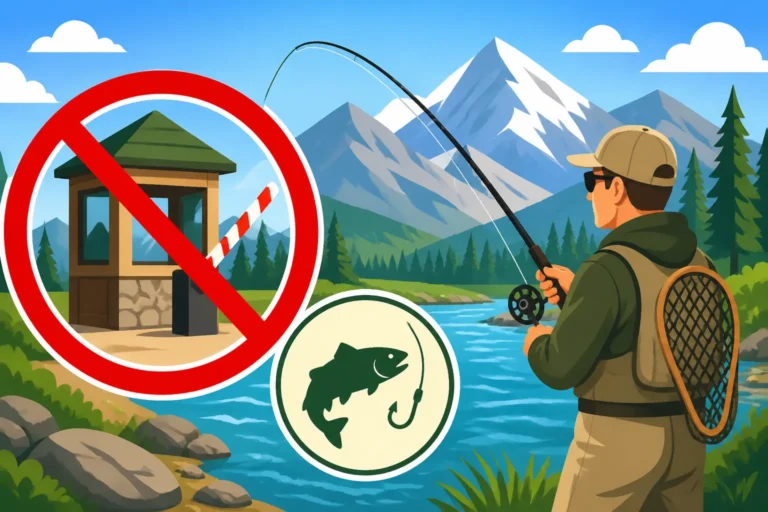
Beyond your state fishing license, remember that Rocky Mountain National Park itself has entrance fees. Just like visiting any national park, you'll need to pay an entrance fee or present a valid park pass to access the area. This fee contributes to the maintenance of the park's facilities, trails, and vital conservation programs. It's not specifically a fishing permit, but rather a general admission to the park. These fees can be paid at the park entrance stations, or you can purchase passes online in advance. Depending on the time of year, especially during peak summer months and fall color season, you might also encounter the park's timed entry permit system. This system requires visitors to reserve a specific entry window for certain areas of the park, including the popular Bear Lake Road corridor and the entire park during specific hours. Failing to secure both an entrance pass and a timed entry permit (if applicable) can mean being turned away at the gate, which would certainly put a damper on your fishing plans. We've got a detailed explanation on Do You Need a Park Entrance Fee to Fish in Rocky Mountain National Park? that might be helpful.
Special RMNP Fishing Rules
What often catches anglers off guard are the specific fishing regulations unique to Rocky Mountain National Park. While you'll still adhere to statewide bag and possession limits for many species, RMNP has additional rules primarily focused on protecting its native trout populations. For instance, many waters within the park are designated as "catch-and-release" only for native cutthroat trout, and some may even require the use of artificial flies or lures with single, barbless hooks. This is a critical point; using bait in these specific areas could lead to significant fines. It's imperative to consult the current RMNP fishing regulations, which are often available at visitor centers, ranger stations, or on the official National Park Service website. These rules can change seasonally or annually based on population assessments and conservation goals, so always check before you head out. Understanding these nuances is key not only to avoiding penalties but also to being a responsible steward of these fragile high-alpine ecosystems. For a broader understanding of statewide rules, refer to the Colorado Fishing Regulations Every Angler Should Know.
Top Fishing Spots within Rocky Mountain National Park
With over 350 miles of trails and numerous lakes and streams, narrowing down where to fish in RMNP can feel overwhelming. However, some spots consistently offer rewarding experiences, catering to different levels of accessibility and angling styles.
Trailblazing to Alpine Lake Gems
For those willing to put in the effort, Rocky Mountain National Park's backcountry lakes are truly where the magic happens. These aren't just pretty views; they hold populations of wild trout that rarely see a fly or lure. Lakes like Sky Pond, tucked high in the Loch Vale drainage, require a strenuous hike but reward anglers with stunning scenery and healthy brook trout. Similarly, Fern Lake and Odessa Lake offer incredible opportunities after a few miles of hiking, often yielding sizable cutthroat and brook trout amidst breathtaking surroundings. The key here is proper preparation: sturdy hiking boots, plenty of water, and understanding that weather can change rapidly in the high country. These aren't day trips for the faint of heart, but the solitude and the pristine nature of the fishing are unmatched. Think of it as a double adventure: a challenging hike combined with world-class angling. For more ideas on challenging, rewarding alpine destinations, check out our guide to Best High-Country Lakes for Colorado Fishing.
Stream Fishing Challenges and Rewards
While the lakes grab a lot of attention, the intricate network of streams within RMNP offers a different kind of challenge and reward. Rivers like the Big Thompson River and the Colorado River (in its headwaters within the park) are prime examples. These are often smaller, shallower waters that demand stealth, precise casting, and a keen eye for reading water. The fish, predominantly brook and smaller cutthroat trout, are wild and wary, making every catch feel like a triumph. The dense vegetation and tight casting lanes can be frustrating for beginners, but for experienced stream anglers, it’s a masterclass in finesse fishing. Wading through these pristine currents, surrounded by dense forest, is an incredibly immersive experience. It's not about catching the biggest fish, but about the purity of the pursuit and the connection to the raw wilderness. These intimate waters are perfect for honing your short-game fly fishing skills.
Accessible Waters for All Skill Levels
Not everyone can or wants to undertake a multi-mile hike to reach a fishing spot, and RMNP offers fantastic options for more accessible angling too. Waters like Sprague Lake are popular for a reason: easy access, stunning views, and a healthy population of stocked rainbow trout along with some wild brookies. It's perfect for families, beginners, or those with mobility challenges. Sheep Lakes near the Fall River Entrance is another easily accessible spot that often receives stockings, making it a great place to introduce kids to fishing. While these spots might see more pressure, they provide excellent opportunities for a quick fishing fix without extensive planning or hiking. They’re usually well-maintained, with designated fishing areas, and offer a chance to catch fish relatively easily, fostering a love for the sport in a beautiful setting. The important thing is to manage expectations; while still scenic, these spots won't offer the same backcountry solitude as the deep alpine lakes.
| Fishing Spot | Accessibility | Primary Species | Typical Techniques | Notes |
|---|---|---|---|---|
| Sky Pond | Strenuous Hike | Brook Trout, Cutthroat | Fly Fishing (small dries, nymphs) | Remote, breathtaking views, challenging |
| Fern Lake | Moderate Hike | Cutthroat, Brook Trout | Fly Fishing (nymphs, streamers) | Known for larger cutthroat, beautiful valley hike |
| Odessa Lake | Moderate Hike | Cutthroat, Brook Trout | Fly Fishing (dries, emergers) | Stunning alpine scenery, combined with Fern Lake trip |
| Big Thompson River | Variable (stream) | Brook Trout, Small Cutthroat | Fly Fishing (dry-dropper, tightline nymphing) | Requires stealth, tight casting, intimate experience |
| Colorado River (headwaters) | Variable (stream) | Brook Trout, Cutthroat | Fly Fishing (small patterns), Light Spin | Wild, pristine, often overlooked |
| Sprague Lake | Easy (short walk) | Rainbow Trout, Brook Trout | Spin Fishing (lures, bait), Fly Fishing | Family-friendly, accessible, scenic, can be busy |
| Sheep Lakes | Easy (short walk) | Rainbow Trout | Spin Fishing (powerbait, worms) | Good for beginners and kids, often stocked, near visitor center |
Targeting Fish Species in Rocky Mountain National Park
Understanding what finned inhabitants you're likely to encounter is crucial for a successful RMNP fishing trip. The park is primarily a trout fishery, but the specific species and their behaviors vary significantly depending on the water. For a general overview of all trout species, consider exploring Colorado's Trout Species, A Field Guide.
Pursuing Colorado River and Greenback Cutthroat
These native trout are the jewels of RMNP. The Colorado River Cutthroat Trout is found in the western drainages of the Continental Divide within the park, while the federally threatened Greenback Cutthroat Trout inhabits the eastern drainages. Fishing for these species is often regulated as catch-and-release only, usually requiring artificial flies and lures with barbless hooks to minimize harm. These fish are typically found in the park's more remote, pristine streams and high-alpine lakes where they face less competition from non-native species. Targeting them requires a respectful approach, often light tackle, and a keen understanding of their preferred habitats – cold, clear water with ample cover. Catching a native cutthroat, especially a Greenback, isn't just about the thrill of the fight; it's a connection to a species that has fought for survival and is a testament to the ongoing conservation efforts within the park. Many anglers make specific trips just for the chance to see the vibrant colors and distinctive "cutthroat" slash of these special fish. Delve deeper into these unique fish with our guides on Colorado River Cutthroat Trout, Where to Find Them and Greenback Cutthroat Trout Recovery in Colorado.
The Abundance of Brook Trout
Brook trout are perhaps the most common trout species you'll encounter throughout Rocky Mountain National Park, particularly in the higher elevation lakes and smaller streams. These beautiful fish, with their worm-like markings on their backs and vibrant red and orange spots, are not native to Colorado but have thrived in many of RMNP's cold, oxygen-rich waters. While they don't typically grow as large as some other trout species, they are aggressive eaters and incredibly fun to catch, especially on light tackle or small dry flies. Their willingness to bite makes them an excellent target for beginners and seasoned anglers alike. You'll often find them schooled up in deeper pools or along undercut banks, eagerly snatching up insects. Because they reproduce so successfully in the park, they can sometimes outcompete native cutthroat populations, which is why there are often more generous harvest limits for brook trout in certain areas. This makes them a great option if you're hoping to keep a few fish for a fresh backcountry meal. For more on these charming fish, check out Brook Trout in Colorado's High Country.
Rainbow and Brown Trout Opportunities
While RMNP is celebrated for its native cutthroat and abundant brook trout, you can also find opportunities to catch rainbow and brown trout, though less frequently in the deepest backcountry. Rainbow trout are often stocked in more accessible lakes like Sprague Lake and Sheep Lakes, providing excellent fishing for families and those seeking a more reliable catch. These fish are known for their strong fights and willingness to hit a variety of baits and lures, making them a popular target. Brown trout, while present in some of the larger streams and lower elevation lakes within the park, are generally less common than brookies or cutthroat. They are known for their elusive nature and often grow to impressive sizes, making them a coveted trophy for dedicated anglers. Brown trout tend to be more predatory, preferring streamers and larger subsurface flies. Remember, always double-check the specific regulations for the water you're fishing, as limits and tackle restrictions can vary, especially when distinguishing between native and non-native species. Knowing How to Tell a Cutthroat From a Rainbow Trout is particularly useful in RMNP.
Recommended Gear and Techniques for RMNP
Fishing in Rocky Mountain National Park presents unique challenges due to its high altitude, varied terrain, and wild fish populations. Having the right gear and understanding appropriate techniques can make all the difference between a frustrating outing and a memorable one.
Fly Fishing Essentials for Mountain Waters
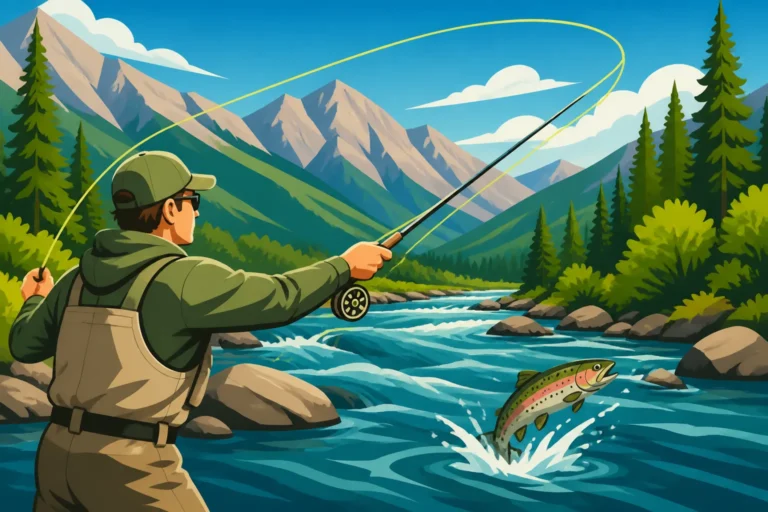
Fly fishing is arguably the most popular method for targeting trout in RMNP, especially in the park's pristine streams and high-alpine lakes. Given the conditions, a lightweight fly rod, typically a 3-weight or 4-weight, between 7 to 8.5 feet long, is ideal for navigating tight casting conditions and delicate presentations to wary fish. A floating fly line is standard, paired with a tapered leader (7.5 to 9 feet, 4X to 6X) and an assortment of fine tippet. When it comes to flies, "matching the hatch" can be crucial, but generally, having a good selection of high-country staples will serve you well. Think about smaller dry flies like Parachute Adams, Elk Hair Caddis, or small terrestrials (ants, beetles) for summer, along with various nymph patterns such as Pheasant Tails, Hare's Ears, and small midge larva patterns. Don't forget a few small streamer patterns, particularly olive or black Woolly Buggers, which can be effective in lakes or deeper pools. Furthermore, due to the prevalence of barbless hook regulations in many areas, make sure your hooks are either barbless or that you pinch down the barbs on all your flies before heading out. A good pair of polarized sunglasses is also essential for spotting fish in the clear water and protecting your eyes from glare. For a more in-depth look at what flies work, you can explore Best Flies for Colorado's Gold Medal Trout Water, which often applies to RMNP's high-quality fisheries.
Spin Fishing Considerations for High-Altitude
While fly fishing gets a lot of attention, spin fishing is a perfectly valid and often highly effective method in Rocky Mountain National Park, especially for rainbow and brook trout in accessible lakes or wider streams. A lightweight spinning rod (ultralight to light action), around 5 to 6 feet long, paired with a small spinning reel spooled with 4-6 pound test line, is perfect for the task. You'll want to focus on small, inline spinners like Mepps or Panther Martin in silver, gold, or brass finishes, or small spoons like Kastmasters or Daredevils, especially in sizes ranging from 1/16 to 1/8 ounce. Small soft plastics rigged on jig heads can also be incredibly effective, mimicking the aquatic insects and larvae that trout feed on. If bait is permitted in the specific water you're fishing (always check regulations!), PowerBait or worms can be highly productive, particularly for stocked rainbow trout. Regardless of your lure choice, opting for single, barbless hooks is a wise choice to minimize impact on the fish and comply with specific park rules. The key to spin fishing in RMNP's clear waters is often a slow, steady retrieve and varying your depth until you find where the fish are holding.
Respecting the Environment and Wildlife
Fishing in a national park comes with a heightened responsibility to protect its natural resources. The "Leave No Trace" principles are paramount here. This means packing out everything you pack in, including all trash, leftover fishing line, and even organic waste like fruit peels. When handling fish, especially native cutthroat, use wet hands to minimize the removal of their protective slime layer, and always release them gently and quickly if they are subject to catch-and-release rules. Avoid wading through spawning beds (redds) during the spawning season (generally spring for rainbows and fall for browns and cutthroat). Give wildlife, such as elk, moose, and deer, a wide berth; observe them from a distance and never feed them. Remember that RMNP is also bear country, so store any food or scented items properly and carry bear spray if you feel comfortable and are trained in its use. Being a responsible angler means understanding that you are a visitor in a wild ecosystem, and your actions directly impact its health and beauty for generations to come.
Planning Your Rocky Mountain National Park Fishing Adventure
A successful fishing trip to RMNP isn't just about what you catch; it's about the entire experience, and good planning is key to making it enjoyable and safe.
Best Seasons and Weather Considerations
The fishing season in Rocky Mountain National Park largely follows the melting and freezing cycles of its high-altitude waters. Generally, the best time for open-water fishing is from late May or early June, once the ice has melted from the alpine lakes and stream runoff has subsided, through late September or early October, before heavy snows return.
- Early Summer (June-July): This is often when the high country truly opens up. Lakes are ice-free, and streams are settling down after peak runoff. Fish are often hungry after a long winter, and insect hatches become more prolific. However, afternoon thunderstorms are common, and water levels can still be high in some areas due to continued snowmelt. Knowing When Colorado's Spring Runoff Hits and How to Fish Around It can be very useful here.
- Mid-Summer (August): This is prime time. Weather is typically more stable, wildflowers are in bloom, and trout are actively feeding on terrestrials and various aquatic insects. This is also the busiest time for the park, so expect crowds at popular trailheads and accessible fishing spots.
- Fall (September-October): Many consider fall to be the most beautiful time to fish in RMNP, with aspens turning golden and fewer crowds. Fish are often aggressively feeding in preparation for winter. However, days are shorter, and weather can be unpredictable, with early snowfalls possible. Some roads and trails may begin to close.
Always check the local weather forecast and park conditions before heading out, as high-altitude weather can change dramatically and quickly. Dress in layers, carry rain gear, and be prepared for sudden drops in temperature.
Hiring a Local Guide for RMNP Waters
For those new to the area, less experienced with high-altitude fishing, or simply looking to maximize their time and knowledge, hiring a local fishing guide can be an invaluable investment. Guides intimately know the park's waters, regulations, and the most effective techniques for the current conditions. They can lead you to less-pressured spots, teach you specific casting methods for mountain streams, and help you identify the right flies or lures. Many outfitters in nearby towns like Estes Park, Grand Lake, or even further afield in the Front Range offer guided trips specifically into RMNP. These trips typically include all the necessary gear, flies, and often lunch. It's a fantastic way to learn the nuances of fishing in this unique environment without the stress of navigating unfamiliar terrain or regulations. When considering a guide, look for those with specific experience in RMNP, as park-specific knowledge is crucial. You can often find guides through local fly shops or by browsing reputable online platforms like FishingBooker, which lists numerous experienced Colorado fishing guides. For general advice on finding and booking a guide, see our article on Hiring a Fishing Guide in Colorado, What to Expect. Booking in advance, especially during peak season, is highly recommended as popular guides fill up quickly. FishingBooker makes it easy to compare options and secure your spot.
Disclaimer
Please remember that fishing regulations and park rules can change. It is always the angler's responsibility to consult the most current Colorado Parks and Wildlife regulations and Rocky Mountain National Park specific rules before heading out. This guide provides general information and should not be used as a substitute for official sources.