Do You Need a Park Entrance Fee to Fish in Rocky Mountain National Park?
Planning a fishing trip to the majestic Rocky Mountain National Park (RMNP) is often met with excitement, but quickly followed by a common question: "Do I need a separate park entrance fee just to cast a line?" It's a valid point of confusion, especially with the layers of licenses, stamps, and now even timed entry systems that govern access to Colorado's incredible outdoors. This guide will clarify exactly what you need to know about fees, licenses, and permits to ensure your RMNP fishing adventure is smooth and legal, letting you focus on the breathtaking scenery and the thrill of the catch.
The Nuances of Rocky Mountain National Park Entry for Anglers
Before you even think about bait or flies, you've got to understand how to legally enter Rocky Mountain National Park itself. This isn't just a simple matter of driving up; there are a few layers to navigate, especially during peak seasons.
Standard Park Entry Fees
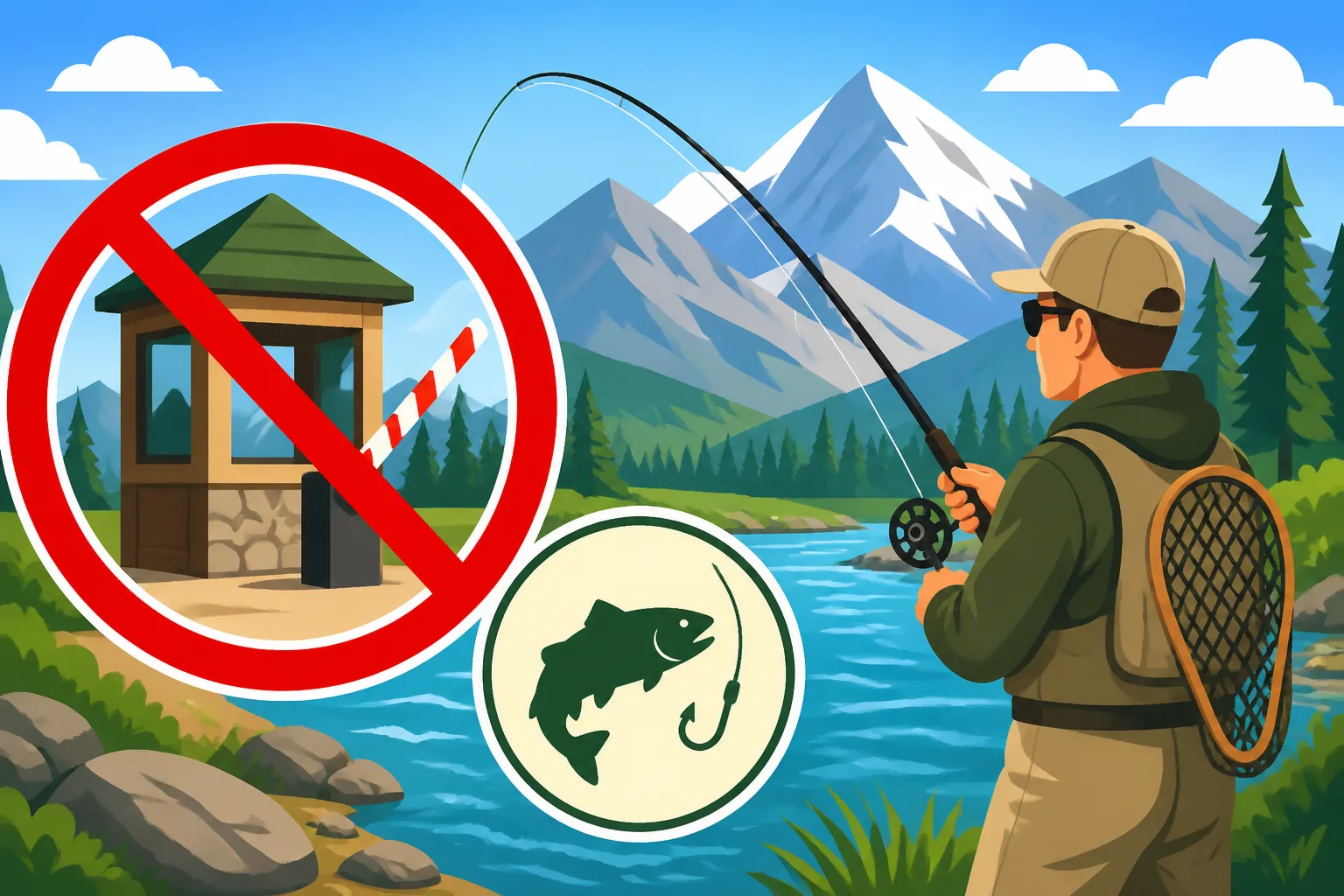
Yes, to even enter Rocky Mountain National Park, there is a fee. This isn't unique to fishing; it applies to any visitor, whether you're hiking, sightseeing, or, yes, angling. These fees contribute to the park's maintenance, resource protection, and visitor services, which ultimately benefits everyone, including those of us who love to fish its pristine waters. You can purchase a 7-day vehicle pass, an individual entry pass (if you're entering on foot or bike), or an annual RMNP pass. Many anglers, especially Colorado residents or frequent visitors, opt for an annual pass or even an America the Beautiful National Parks and Federal Recreational Lands Pass, which covers entry to all national parks and federal recreation sites for a year. It's smart to decide which option makes the most sense for your travel frequency. For instance, if you plan to visit RMNP more than once or explore other national parks, the annual pass is often the most economical choice.
The Timed Entry Reservation System and Your Fishing Plans
Here's where it gets a bit more complicated, especially if you're not a seasoned RMNP visitor. During certain times of the year, typically from late May through late October, Rocky Mountain National Park implements a timed entry reservation system. This system was put in place to manage congestion and enhance the visitor experience, and it absolutely applies to anglers. There are two main timed entry options:
- Park Access+ (includes Bear Lake Road corridor): This is usually required for the most popular areas, including the Bear Lake Road corridor, which is home to many fantastic fishing lakes like Sprague Lake and Bear Lake, and access to trailheads leading to other high-alpine gems. If your fishing spot is along this corridor or accessed from it, you will need this reservation.
- Park Access (excludes Bear Lake Road corridor): This reservation is for the rest of the park, including areas like the Wild Basin, the Colorado River headwaters on the west side, and other less-traveled fishing destinations.
Reservations are released in advance, often a month or more out, and can be notoriously difficult to secure, especially for prime weekend slots or holiday periods. Missing out on a timed entry reservation means you won't be able to enter the designated areas during the required hours, which could throw a wrench in your fishing plans. You'll need to check the official National Park Service website for the most current information on dates, times, and how to reserve your spot. Many anglers find themselves setting alarms for reservation release dates, just like concert tickets, to ensure they can access their desired fishing locations.
What Your Park Pass Covers (and Doesn't Cover for Fishing)
It's crucial to understand that your RMNP entrance fee or annual pass grants you access to the park itself. It does not, however, act as a fishing license, nor does it cover any state-specific fishing requirements. Think of it this way: your park pass gets your vehicle through the gate at entrances like Beaver Meadows or Fall River, allowing you to drive the scenic roads and park at trailheads. Once you step out of your vehicle with a fishing rod in hand, a whole other set of state-level requirements comes into play. The park pass covers the beautiful scenery, the well-maintained trails, and the interpretive centers, but the actual act of fishing is governed by Colorado Parks and Wildlife (CPW).
Essential Colorado Fishing Licenses and Stamps Required in RMNP
Even with your RMNP entrance fee paid and your timed entry reservation secured, you're not quite ready to fish. Just like anywhere else in the state, fishing within Rocky Mountain National Park requires adherence to Colorado's statewide fishing regulations.
The Non-Negotiable Colorado Fishing License
This is perhaps the most fundamental requirement for any angler in Colorado, and RMNP is no exception. Anyone 16 years of age or older needs a valid Colorado fishing license to fish in the park's waters. This applies to both residents and nonresidents, though the costs differ. If you're a Colorado resident, you'll find different pricing than if you're visiting from out of state. It's really important to carry your license with you when you're fishing, either digitally on your phone or a physical printout. Game wardens frequently patrol popular fishing spots, and not having a valid license can lead to hefty fines. You can purchase your license online through the Colorado Parks and Wildlife website, at many sporting goods stores, or even by phone. If you're looking for detailed information on how to obtain one, our comprehensive guide, "How to Buy a Colorado Fishing License", walks you through all the options.
The Colorado Habitat Stamp: An Important Addition
Beyond the fishing license itself, most anglers aged 18 to 64 (inclusive) also need to purchase a Colorado Habitat Stamp. This stamp is a mandatory purchase for anyone buying a fishing license, unless they are specifically exempt (like seniors, veterans with certain disabilities, or those under 18 or over 64). The funds from the Habitat Stamp go directly towards conserving critical wildlife habitats across Colorado, benefiting all kinds of species, not just fish. It’s a small extra cost that makes a big difference in maintaining the natural beauty and ecological health of places like RMNP. If you're wondering "Do You Need a Habitat Stamp to Fish in Colorado?", the answer is almost certainly yes, unless you fall into one of those exempt categories. It's usually added automatically when you purchase your fishing license, but it’s always good to double-check.
Specific Fishing Regulations Within Rocky Mountain National Park
While the general Colorado fishing license and Habitat Stamp cover your legal right to fish, RMNP has its own unique set of specific fishing regulations that often supersede or add to statewide rules. These park-specific rules are designed to protect the park's fragile ecosystems and native fish populations, particularly its rare Colorado River Cutthroat Trout.
- Native Trout Protection: Many of RMNP's high-country lakes and streams are managed for native cutthroat trout recovery. This often means stricter regulations, such as catch-and-release only, artificial flies and lures only, or even barbless hooks only. These rules are vital for ensuring the survival of these beautiful, indigenous fish. It's not uncommon to find areas where certain species cannot be harvested at all, or where size restrictions are much tighter than outside the park.
- Bait Restrictions: Generally, the use of live bait is prohibited in RMNP to prevent the introduction of non-native species and diseases. Always assume artificial lures and flies are the only legal options unless the park's specific fishing brochure states otherwise.
- Daily Bag and Possession Limits: While a Colorado fishing license covers statewide limits, RMNP might have different, often more restrictive, daily bag and possession limits for various species. For example, some lakes might have a zero-bag limit on all trout, while others might allow a limited harvest of brook trout, which are non-native and sometimes overpopulate certain waters.
- Consult the Official RMNP Fishing Brochure: The most important piece of advice here is to always consult the current Rocky Mountain National Park fishing regulations brochure before your trip. This brochure is usually available at visitor centers, park entrances, or on the official RMNP website. Relying solely on general Colorado regulations can lead to violations. This brochure will detail all the specific rules for the different lakes and streams within the park boundaries. Our guide on "Colorado Fishing Regulations Every Angler Should Know" provides a good starting point, but always supplement it with the park's specific document.
Planning Your RMNP Fishing Expedition: Tips and Considerations
With the legalities out of the way, you can now focus on the fun part: planning your actual fishing adventure in Rocky Mountain National Park. This park offers some truly unique angling experiences, from easily accessible roadside lakes to remote alpine tarns.
Researching Prime Fishing Locations Within the Park
RMNP is vast, covering over 415 square miles, and its fishing opportunities are incredibly diverse. You could spend a lifetime exploring its waters!
- Bear Lake Road Corridor: This is the most popular area, easily accessed via the timed entry system (requiring the "Park Access+" reservation). Lakes like Sprague Lake, Bear Lake, and Cub Lake offer beautiful settings and decent fishing for brook trout and rainbow trout. Many trailheads along this road lead to even higher alpine lakes.
- High-Alpine Lakes: For the adventurous angler, RMNP boasts countless high-alpine lakes, often requiring strenuous hikes at elevations exceeding 10,000 feet. These lakes are home to various trout species, including the elusive Greenback Cutthroat Trout and Rio Grande Cutthroat Trout in recovery areas, and often hold robust populations of brook trout. Think lakes like Loch Vale, Sky Pond, or the many unnamed tarns tucked away in the wilderness. The scenery alone is worth the effort, and the fishing can be incredible. Our article on "Fishing Lakes Inside Rocky Mountain National Park" offers a deeper dive into these picturesque spots.
- Rivers and Streams: The headwaters of the Colorado River itself flow through the western side of the park, offering fantastic stream fishing for brown, rainbow, and brook trout. The Big Thompson River and Fall River on the east side also hold good populations. These flowing waters are often more technical to fish but can reward anglers with active trout.
Remember that fishing conditions vary greatly by season. "Colorado Fishing Seasons Month by Month" can help you understand what to expect. Early summer after ice-out can be fantastic for high-alpine lakes, while late summer and fall offer excellent stream fishing opportunities as water levels drop and temperatures cool.
Gear and Etiquette for High-Altitude Angling
Fishing in RMNP often means fishing at high altitudes, which comes with its own set of challenges and considerations.
- Layer Up: Weather can change rapidly in the mountains. Even on a warm summer day, afternoon thunderstorms are common, and temperatures can plummet quickly. Always bring layers, including a waterproof jacket.
- Sun Protection: The sun's intensity at high altitude is no joke. Sunscreen, a wide-brimmed hat, and sunglasses are non-negotiable.
- Hydration: Stay hydrated! The dry air and elevation can quickly lead to dehydration. Carry plenty of water, perhaps more than you think you'll need.
- Footwear: If you're hiking to high-alpine lakes, sturdy, waterproof hiking boots are essential. Many trails are rocky, steep, and can be muddy.
- Leave No Trace: Practice Leave No Trace principles diligently. Pack out everything you pack in, including all trash and fishing line. Be mindful of fragile vegetation. When releasing fish, do so quickly and gently to maximize their survival chances, especially in cold, clear waters. Avoid disturbing spawning beds.
- Wildlife Encounters: RMNP is home to abundant wildlife, including elk, moose, bears, and bighorn sheep. Be aware of your surroundings, carry bear spray if you're in bear country, and never approach or feed wildlife.
Finding a Guide Familiar with RMNP Rules
For those who are new to Colorado fishing, new to fly fishing, or simply want to maximize their chances of success and navigate the park's specific rules with ease, hiring a local fishing guide is an excellent option. A knowledgeable guide can help with everything from securing appropriate licenses (though you still buy your own!) to understanding the subtle nuances of RMNP's regulations and finding the best spots based on current conditions.
Many outfitters and guides operate in the areas surrounding RMNP, such as Estes Park or Grand Lake. They often have special use permits that allow them to guide within the park. When looking for a guide, consider using platforms like FishingBooker, where you can filter by location and read reviews. When reaching out, always ask if they are permitted to guide within Rocky Mountain National Park and if they are intimately familiar with its specific regulations. A good guide will also provide all the necessary gear and flies, taking the guesswork out of your preparations. They can be invaluable for understanding the subtle differences between fishing in the park's designated Greenback Cutthroat recovery waters versus areas where brook trout are more abundant.
Quick Reference Guide to RMNP Fishing Requirements
To help you keep track of the various requirements, here's a handy table summarizing what you need for a fishing trip in Rocky Mountain National Park:
| Requirement | Description | Applies To | Where to Acquire |
|---|---|---|---|
| RMNP Entrance Fee | Required for entry into the park. Options include 7-day vehicle pass, individual pass, RMNP annual pass, or America the Beautiful Pass. | All visitors (anglers, hikers, sightseers) | RMNP entrance stations, National Park Service website, some sporting goods stores. |
| Timed Entry Reservation | Required during peak season (typically late May – late Oct) for specific areas (e.g., Bear Lake Road corridor or the rest of the park). | All visitors entering designated areas during specified hours. | Recreation.gov (reservations released in advance). |
| Colorado Fishing License | Mandatory for anyone 16 years or older to legally fish in Colorado waters, including those within RMNP. | All anglers aged 16+ (residents & nonresidents). | CPW website, CPWShop.com, authorized license agents (e.g., Walmart, local sporting goods stores), by phone. |
| Colorado Habitat Stamp | Mandatory for most individuals aged 18-64 purchasing a fishing license, unless exempt. Supports wildlife conservation. | Most anglers aged 18-64 who buy a fishing license. | Automatically added to your fishing license purchase on CPWShop.com and by authorized agents. |
| RMNP Fishing Regulations | Specific rules (e.g., bait restrictions, catch-and-release, bag limits) that apply only within RMNP, often differing from statewide rules to protect native fish. | All anglers fishing within RMNP boundaries. | Official RMNP fishing brochure (available at visitor centers, park entrances, or RMNP website). |
| (Optional) Fishing Guide | While not a permit, a guide familiar with RMNP can greatly enhance your trip, helping with navigation, regulations, and fishing techniques. | Anglers seeking expert assistance or a more streamlined experience. | Local fly shops, independent guides, online platforms like FishingBooker. Ensure they are permitted to guide in RMNP. |
Fishing in Rocky Mountain National Park is an unforgettable experience, combining stunning landscapes with incredible angling opportunities. By understanding and preparing for the necessary park entrance fees, timed entry reservations, and state fishing licenses and stamps, you can ensure your trip is not only successful but also respectful of the park's rules and invaluable natural resources. Always double-check the most current regulations and reservation requirements before you head out, and you'll be all set for an epic adventure.
Disclaimer: The information provided in this guide is intended for general informational purposes only and does not constitute legal advice. Fishing regulations, park entrance fees, and reservation systems are subject to change by Colorado Parks and Wildlife and the National Park Service. Always consult the most current official regulations and park websites before engaging in any fishing activities.