Fishing the Roaring Fork River
For anglers heading to the mountains of Colorado, the sheer diversity of water can be both exciting and a little overwhelming. You might have heard whispers of the legendary Roaring Fork River, a name that conjures images of massive trout and technical fly fishing, but understanding where to go, when to go, and how to fish its various sections can feel like a riddle. This comprehensive guide is here to unravel that mystery, offering deep insights into the Roaring Fork’s unique character, prime fishing zones, and the techniques that will give you the best shot at success on this truly remarkable waterway.
Understanding the Roaring Fork's Unique Character
The Roaring Fork River isn't just one type of water; it's a dynamic tapestry that shifts and changes as it flows from its alpine origins down to its confluence with the mighty Colorado River. What makes it truly special is this incredible variety, offering everything from high-gradient pocket water to wide, meandering stretches perfect for drifting.
From Headwaters to Confluence: A Diverse Ecosystem
Originating high in the Sawatch Range, the Roaring Fork begins its journey as a cold, clear, freestone stream, fed by snowmelt and mountain springs near Aspen. As it descends through the valley, it gathers strength and volume, notably bolstered by tributaries like the Crystal River and the Fryingpan River, the latter of which is a world-renowned tailwater in its own right. This constant influx of diverse water types and nutrients creates an incredibly rich ecosystem that supports a robust population of trout.
Each section of the river, from the steep, boulder-strewn upper reaches to the broader, more agricultural lower valley, presents its own set of challenges and rewards. You'll find different aquatic insect life, varying water temperatures, and distinct holding patterns for fish, which means your approach needs to be adaptable. It’s not uncommon to fish nymphs in one spot, then switch to dry flies just a few miles downstream as the river's character changes. This diversity is what keeps anglers coming back, constantly learning and exploring new facets of the "Fork."
Gold Medal Waters and Wild Trout Stretches
Colorado Parks and Wildlife (CPW) designates certain stretches of rivers as "Gold Medal Waters," a title reserved for streams that consistently hold at least 60 pounds of trout per acre, with at least twelve 14-inch or larger trout per acre. The Roaring Fork boasts significant portions of this prestigious designation, signaling its status as a premier trout fishery. These sections are renowned for their healthy populations of wild brown and rainbow trout, often growing to impressive sizes.
However, fishing Gold Medal Waters isn't always easy. These fish are often selective, highly pressured, and incredibly wise. You'll need to bring your A-game, paying close attention to presentation, fly selection, and stealth. Beyond the official Gold Medal stretches, many other parts of the river hold fantastic wild trout, particularly in the upper reaches where habitat is pristine and pressure might be a little lighter. Understanding the nuances of these designations, including what the Colorado Gold Medal Water Regulations Explained means for your fishing, is crucial for a successful and legal outing. These areas are managed for quality, not just quantity, and adhering to specific rules, such as catch-and-release or artificial flies and lures only, is often required to preserve their integrity.
Prime Fishing Zones Along the Roaring Fork
The Roaring Fork offers distinct fishing experiences along its length, each with its own charm and challenges. Knowing these zones can help you plan your trip, whether you're looking for solitude in high-gradient water or targeting large, wary trout in open stretches.
Upper Roaring Fork: Aspen to Basalt
This is where the Roaring Fork begins its journey, often presenting as a smaller, more intimate freestone river in the heart of the Rocky Mountains. Starting near Aspen, the river flows through town and then through more pastoral settings before reaching the confluence with the Fryingpan River in Basalt. In its highest reaches, expect colder water, pocket seams, and riffles, often requiring shorter, more precise casts. Access can be found in town parks and along various pull-offs on Highway 82.
While often overshadowed by the Fryingpan, the upper Roaring Fork holds its own, especially for anglers who appreciate technical dry fly fishing in the summer or nymphing tight pockets. The fish here are primarily wild brown trout and rainbow trout, often aggressive, though not always massive. As you move closer to Basalt, the river begins to widen and slow slightly, providing more classic riffle-pool-run structures. This stretch benefits greatly from the clear, cold flows of the Fryingpan, which can significantly enhance insect activity and trout metabolism downstream of the confluence.
Mid-Valley: Basalt to Carbondale
Perhaps the most famous and heavily fished section of the Roaring Fork, this stretch is where the river truly comes into its own as a world-class trout fishery. Once joined by the Fryingpan, the Roaring Fork gains considerable volume and a more consistent flow, creating long, deep runs, extensive riffles, and classic trout habitat. This entire section is designated Gold Medal Water, and for good reason—it’s home to an incredible density of large, healthy trout.
Public access is plentiful, with numerous pull-offs and designated fishing areas along Highway 82 and other county roads. Popular spots include the area around the old Emma Bridge, the Catherine’s Store access, and downstream towards Carbondale. The fish here are often larger and more selective, requiring meticulous presentation and precise fly patterns. This is the heartland of Roaring Fork angling, where you can expect to encounter large brown trout and robust rainbows. The river's character here is perfect for both wade fishing in its shallower sections and float fishing from rafts or drift boats, offering diverse ways to cover water and present flies.
Lower Roaring Fork: Carbondale to Glenwood Springs
Below Carbondale, the Roaring Fork continues its westward journey, picking up the Crystal River near Carbondale before eventually merging with the Colorado River in Glenwood Springs. This section sees the river broaden even further, with slightly warmer water temperatures, especially in late summer. While still Gold Medal Water for much of its length, the lower Fork can present a different angling experience, with more agricultural influences and a broader, sometimes slower, flow.
This stretch is excellent for nymphing and streamer fishing, as the deeper runs and structure can hold impressive fish. While the crowds might thin a bit compared to the Basalt-Carbondale stretch, the fish here are still intelligent and require careful approach. Access can be found at various points, including town parks in Carbondale and downstream of Glenwood Springs. It’s a fantastic area for those who enjoy covering more water and targeting fish in larger, less intimate settings. The influence of the Crystal River, another robust freestone, also adds to the fishery's overall health and insect diversity in this downstream section.
Targeted Species and Their Habits
Understanding the fish you're pursuing on the Roaring Fork is fundamental to a successful outing. Each species has its own preferences and behaviors, dictating where you might find them and what techniques will prove most effective.
Rainbow Trout: The River's Abundant Fighter
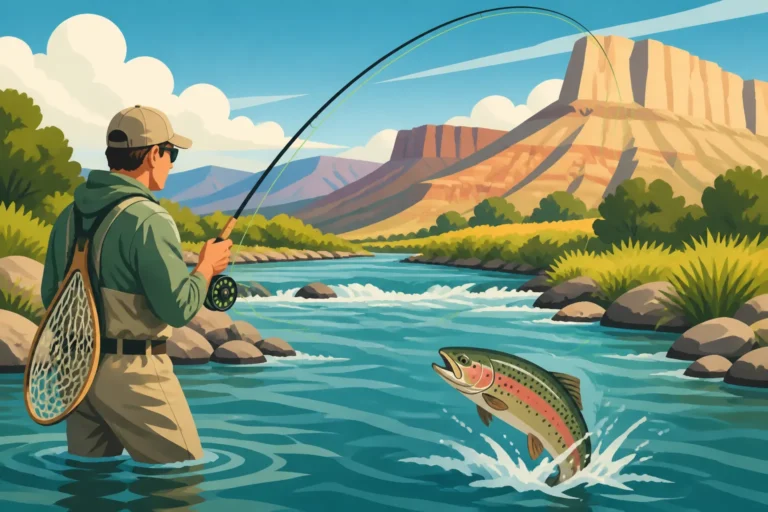
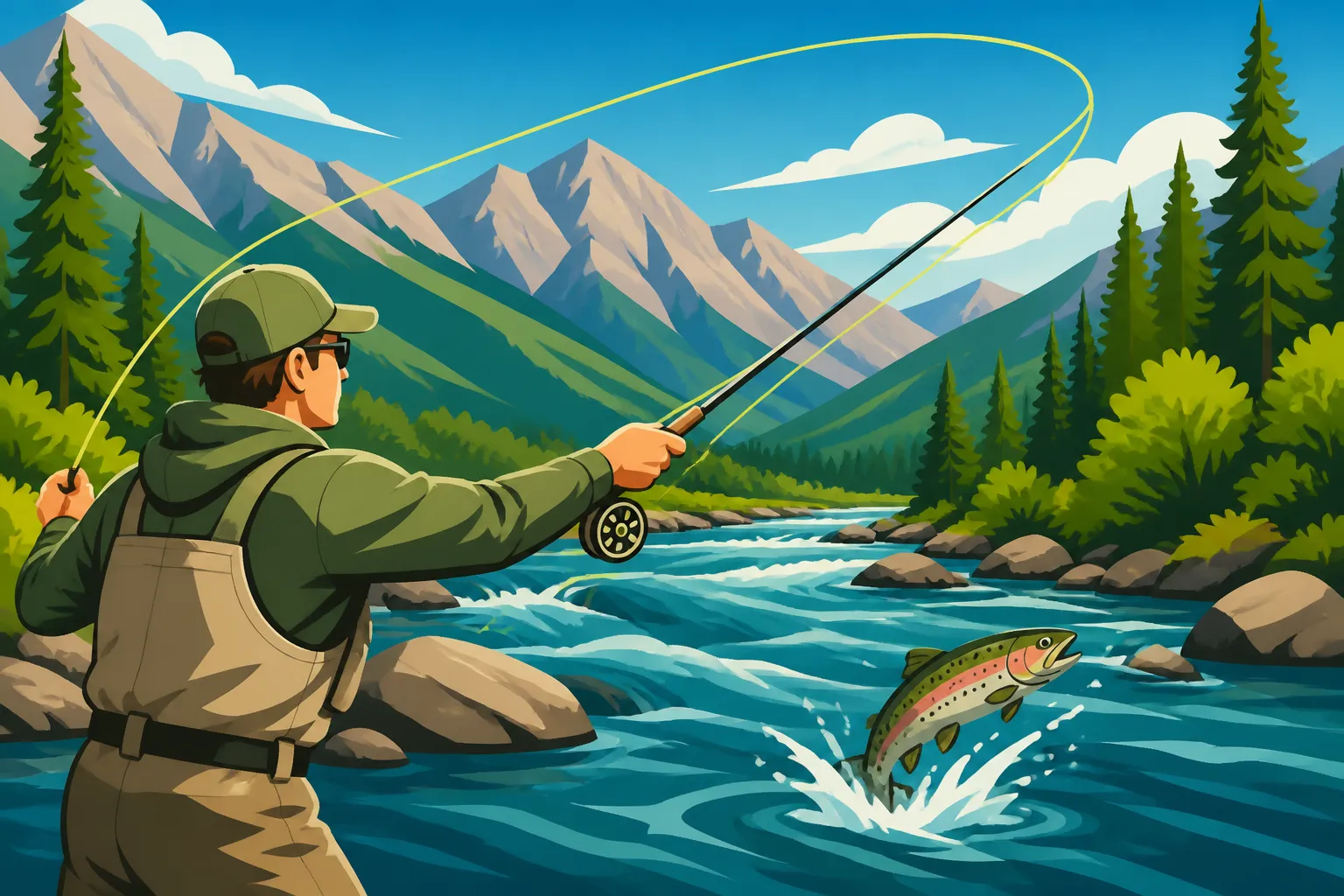
Rainbow trout are a cornerstone of the Roaring Fork fishery. These vibrant, silver-sided fish, often adorned with a distinct pink stripe, are present in impressive numbers throughout the river, particularly in the Gold Medal stretches where they are regularly stocked and reproduce naturally. They are known for their strong fights, often making exhilarating runs and aerial leaps when hooked, especially in the swift currents of the Roaring Fork.
You'll find rainbow trout in a variety of water types, from fast riffles and oxygenated runs to the slower, deeper pools. They are opportunistic feeders, readily taking a wide array of insects, both on the surface and subsurface. This makes them a prime target for various techniques, from delicate dry fly presentations during prolific hatches to aggressive nymphing in deeper slots. Their willingness to bite makes them a favorite for many anglers, and their prevalence ensures consistent action on the river. For more on these beauties, check out Rainbow Trout in Colorado, Where They're Stocked.
Brown Trout: Elusive and Rewarding
For many experienced anglers, the brown trout is the true prize of the Roaring Fork. These notoriously wary and intelligent fish are primarily wild in the Roaring Fork, showcasing remarkable resilience and adaptation to the river's diverse conditions. They are masters of camouflage and ambush, often holding in deeper pockets, undercuts, and around structure, waiting for an unsuspecting meal to drift by. Catching a large Roaring Fork brown trout is often considered a testament to an angler's skill and patience.
Brown trout are known for their aggressive, predatory nature, especially as they grow larger. While they will certainly key in on insect hatches, they are also prime targets for streamer fishing, particularly during low-light conditions or when the water is slightly off-color. Their fighting style is often characterized by powerful, stubborn pulls and attempts to dive into structure, making for a thrilling battle. The fall spawning season, detailed in Brown Trout Spawning Season in Colorado, can offer some of the best opportunities for targeting trophy browns, though they require respectful handling during this vulnerable time. You can learn more about these intriguing fish in Brown Trout in Colorado, Where They're Wild.
Other Species: Brookies, Cutthroat, and Whitefish
While rainbows and browns dominate the Roaring Fork's angler attention, other species add to the river's rich biodiversity. In the higher, colder tributaries and headwater sections, you might encounter smaller, brightly colored brook trout. These beautiful fish, though not typically large in the Roaring Fork system, are aggressive and a delight to catch on lighter tackle.
Occasionally, anglers might also encounter a cutthroat trout, particularly hybrid "cutbows" which are a cross between a rainbow and a cutthroat. Pure native cutthroat populations are less common directly in the main stem of the Roaring Fork but can be found in some pristine, isolated drainages within the larger basin. It's always wise to be able to identify your catch, especially when fishing for native species, which often have specific regulations. Colorado's Trout Species, A Field Guide provides an excellent resource for identification.
Lastly, mountain whitefish are an often-overlooked but abundant native species in the Roaring Fork. These bottom-dwelling fish are indicators of healthy coldwater ecosystems and can be caught on small nymphs, often in the same runs as trout. While not typically targeted by fly anglers, they provide consistent action and are a fun diversion.
Essential Techniques for Roaring Fork Success
The Roaring Fork River is a true proving ground for diverse angling techniques. To consistently find success here, you'll need a versatile approach and a willingness to adapt your methods to the ever-changing conditions and fish behavior.
Nymphing: The Year-Round Producer
Nymphing is, without a doubt, the most consistently productive technique on the Roaring Fork, especially on its Gold Medal stretches and tailwater-influenced sections. Trout spend the vast majority of their lives feeding subsurface on aquatic insect larvae and pupae. Presenting an imitation of these insects effectively is key to unlocking the river's potential, particularly during non-hatch periods or when fish are holding in deeper water.
A common nymphing setup involves a strike indicator, split shot (to get your flies down quickly), and a multi-fly rig. Anglers often employ two or three different nymph patterns, varying in size, color, and profile, to imitate a range of insects. Popular flies include Mayfly nymphs (Pheasant Tails, Hare’s Ears), Caddis larvae (LaFontaine's Sparkle Pupa, various green caddis patterns), and stonefly nymphs (Pat's Rubber Legs, 20 Inchers). The key to successful nymphing is achieving a natural drift, matching the speed of the current with your flies, and being hyper-aware of your indicator for even the subtlest takes. Mastering Nymphing Techniques for Colorado Tailwaters will greatly improve your success.
Dry Fly Fishing: Matching the Hatch
When the conditions align and an aquatic insect hatch is underway, dry fly fishing on the Roaring Fork can be nothing short of magical. There's a special thrill in watching a trout rise to sip your carefully presented imitation from the surface. The Roaring Fork sees a variety of significant hatches throughout the year, including Blue-Winged Olives (BWOs), Caddis, Green Drakes, Pale Morning Duns (PMDs), and terrestrials like grasshoppers and ants in late summer.
Successful dry fly fishing hinges on two main factors: accurate casting and precise fly selection. You'll need to observe the water carefully to identify what insects are hatching, paying attention to their size, color, and behavior. Then, you'll choose a fly that closely matches the natural. Presentation is paramount; a drag-free drift is essential to fooling wary Roaring Fork trout. This often requires mending your line upstream to counteract conflicting currents. For the best insights into what flies to use and when, looking at Best Flies for Colorado's Gold Medal Trout Water is a smart move. When the fish are rising, it's an experience every angler chases, and Dry Fly Fishing Colorado's Freestone Rivers can give you more tips.
Streamer Fishing: Hunting for Big Browns
For those seeking the thrill of a brutal tug and the chance at a truly trophy-sized brown trout, streamer fishing is an exhilarating technique on the Roaring Fork. Streamers imitate baitfish, sculpins, leeches, or other larger prey that opportunistic brown trout (and sometimes large rainbows) will aggressively chase down. This is an active, often physical, style of fishing that involves casting larger, weighted flies and stripping them back through the water to mimic fleeing prey.
Streamer fishing is often most effective during low-light conditions (dawn, dusk, or overcast days), when the water is slightly off-color after a rain, or during the fall when brown trout are particularly aggressive before and during their spawn. Popular patterns include Woolly Buggers, Sculpzillas, Sex Dungeons, and various articulated patterns in natural colors like olive, black, brown, and white. Varying your retrieve speed and depth is crucial to trigger strikes. While it might not produce as many fish as nymphing, the fish that do hit a streamer are often the largest and most memorable of the day.
Navigating the Roaring Fork Through the Seasons
The Roaring Fork is a four-season fishery, but its character changes dramatically with the shifting weather and water conditions. Understanding these seasonal nuances is key to planning a successful trip and knowing what to expect on the river.
Spring: Pre-Runoff Opportunities and Runoff Challenges
Spring on the Roaring Fork is a time of transition, offering both incredible opportunities and significant challenges. Early spring, typically March and April, can be fantastic. Before the heavy snowmelt begins, the river often runs clear and cold, with active nymphing and emerging hatches of Blue-Winged Olives and midges. This can be a prime time for consistent action, particularly on the lower and mid-sections of the river.
However, as May approaches and temperatures rise, runoff begins in earnest. When Colorado's Spring Runoff Hits and How to Fish Around It is a critical resource for this period. The river swells with snowmelt, turning off-color and often becoming difficult, if not impossible, to fish effectively due to high, turbid water. During peak runoff, usually late May through early June, many anglers shift their focus to tailwaters like the Fryingpan River (which joins the Roaring Fork), which remain clear and fishable year-round thanks to dam releases. If you do fish the Roaring Fork during runoff, look for slower eddies and seams close to the bank where fish can find refuge from the fast currents.
Summer: Hatches Galore and High Country Escapes
Summer, from late June through August, is when the Roaring Fork truly shines for dry fly enthusiasts. Once runoff subsides and the water clears, prolific insect hatches become the main event. Caddis, Pale Morning Duns (PMDs), Green Drakes, and a variety of terrestrials like grasshoppers and ants provide consistent opportunities for surface feeding trout. The mid-valley section, from Basalt to Carbondale, is particularly famous for its summer hatches.
While the main river offers incredible action, summer can also bring more crowds. For those seeking solitude or cooler temperatures, exploring the higher reaches of the Roaring Fork or its tributaries near Aspen can be a rewarding escape. These smaller, freestone sections often hold eager brook trout and smaller rainbows, and the scenery is unbeatable. Keep an eye on water temperatures during late summer, as extended periods of hot weather can stress trout, especially in the lower, warmer sections. Sometimes, voluntary fishing closures are enacted to protect fish, as outlined in Colorado Fishing Seasons Month by Month.
Fall: Trophy Browns and Cooler Waters
Autumn on the Roaring Fork is a spectacular time, both for its vibrant fall foliage and for its world-class brown trout fishing. As water temperatures cool in September and October, brown trout become incredibly active and aggressive, feeding heavily in preparation for their spawning season. This is often considered the best time to target truly large brown trout on streamers and nymphs. The vibrant colors of the landscape, coupled with the potential for trophy fish, make fall a favorite among many anglers.
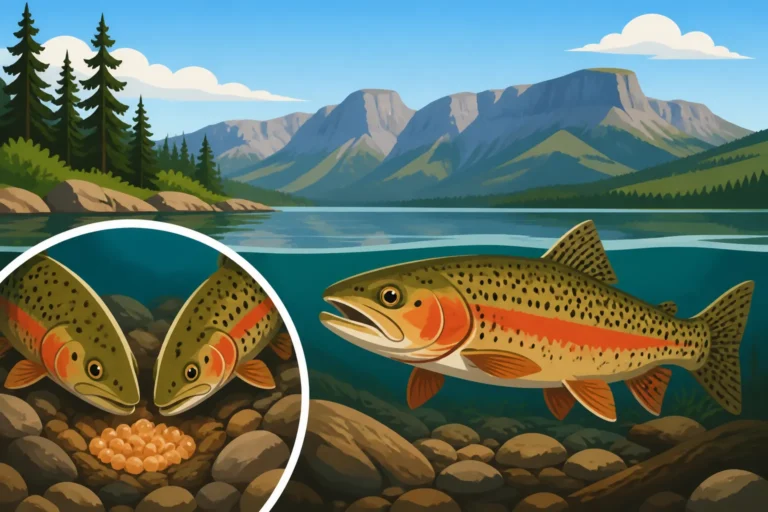
Rainbows and other species remain active, too, with continued hatches of Blue-Winged Olives (BWOs) and midges. The crowds tend to thin after Labor Day, offering a more peaceful experience. However, be mindful of brown trout spawning beds (redds) in shallower, gravelly areas; avoid wading through these to protect the next generation of fish. This is a time when ethical angling practices become even more paramount.
Winter: Tailwater Gems and Midge Mania
Don't hang up your waders just because winter arrives. The Roaring Fork remains a viable and often productive fishery, especially on its Gold Medal stretches below the Fryingpan confluence. While surface activity is minimal, midges and small Blue-Winged Olives can provide sporadic dry fly opportunities on warmer, overcast days. Primarily, winter fishing on the Roaring Fork is about effective nymphing with tiny patterns.
Trout tend to congregate in deeper, slower runs and pools during the colder months, seeking stable water temperatures and energy conservation. Slow, subtle presentations with small midge larva, pupa, and BWO nymph patterns are the order of the day. Warm clothing, good waders, and a thermos of hot coffee are essential for comfort. Winter often offers a unique serenity on the river, with fewer anglers and a stark, beautiful landscape. Many anglers find the challenge of fooling winter trout incredibly rewarding.
Access, Regulations, and Local Etiquette
Successfully fishing the Roaring Fork River isn't just about technique; it's also about understanding where you can fish, what rules apply, and how to respect the river and fellow anglers. Colorado is rich with fishing opportunities, and knowing the lay of the land—both literally and legally—is crucial.
Public Access Points and Private Water Considerations
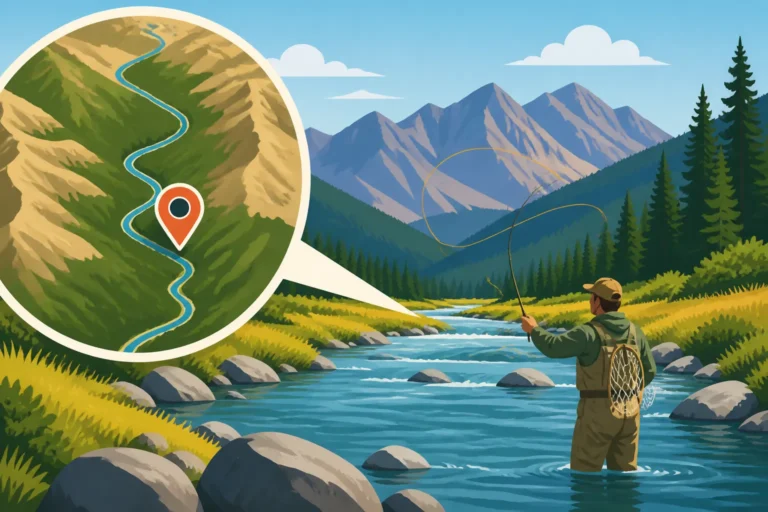
The Roaring Fork Valley offers a surprising amount of public access, especially considering how much private land is present. Key public access points include numerous state-designated fishing access sites (FAS) along Highway 82 and county roads, such as the Emma Bridge area, Catherine's Store, and various parks within Aspen, Basalt, Carbondale, and Glenwood Springs. These areas provide parking and often clear pathways to the river. The Roaring Fork Conservancy is also a great resource for maps and information on public access points.
However, a significant amount of the river flows through private property. It is absolutely crucial to respect private land boundaries. Trespassing can lead to legal issues and harms angler-landowner relations, potentially jeopardizing future access. Always look for signage, consult detailed maps (like those often found at local fly shops or on the Colorado Parks and Wildlife website), and when in doubt, assume it's private. If you're interested in accessing some of the more exclusive stretches or simply want guaranteed access, considering a guided trip with an outfitter who has private water leases can be an excellent option. When planning a trip, looking at Public Access Points on the Roaring Fork River can give you specific locations.
Key Regulations and Conservation Practices
Fishing on the Roaring Fork, especially in its Gold Medal sections, comes with specific regulations designed to protect and enhance the fishery. These often include bag and possession limits (which might be zero for certain species or sizes), restrictions on bait (often artificial flies and lures only), and special hook requirements (such as Barbless Hook Rules on Colorado Rivers). Always consult the current Colorado Fishing Regulations Every Angler Should Know brochure from Colorado Parks and Wildlife (CPW) before you go, as rules can change annually.
Beyond obeying the law, practicing ethical conservation is vital. This includes:
- Catch and Release: Many anglers on the Roaring Fork practice catch and release, especially for larger trout, to sustain the population. If releasing, minimize handling, keep the fish wet, and revive it gently before letting it go.
- Leave No Trace: Pack out all trash, including discarded fishing line.
- Wade Wisely: Avoid wading through active spawning beds (redds), which are often visible as clean, lighter patches of gravel in shallower water during the fall and spring.
- Respect Other Anglers: The Roaring Fork can get crowded. Give other anglers plenty of space.
Engaging with Local Fly Shops and Guides
One of the best ways to get up-to-the-minute information and maximize your success on the Roaring Fork is to visit a local fly shop. Shops like Taylor Creek Fly Shop in Basalt or Aspen Flyfishing in Aspen are invaluable resources. The staff are typically local experts who can provide real-time updates on conditions, recent hatches, effective flies, and current regulations. They can also point you to good access points and offer advice tailored to your skill level.
If you're new to the area, looking to learn specific techniques, or hoping to target a trophy fish, hiring a local fishing guide is a highly recommended investment. Guides provide gear, local knowledge, and invaluable instruction, often putting you on fish you might miss on your own. Platforms like FishingBooker can help you find reputable local guides and compare options, making the booking process smooth and efficient. Whether you're considering a walk-wade trip or a float trip, Hiring a Fishing Guide in Colorado, What to Expect can help you prepare. A guide can navigate private access, explain the nuances of the river, and ensure you have an unforgettable experience. Even seasoned anglers can benefit from a guide's insights into specific stretches or seasonal patterns. Booking through a site like FishingBooker ensures you're connecting with licensed professionals who know the river inside and out.
It's truly a privilege to fish the Roaring Fork. Respecting its beauty, its fish, and its community will ensure it remains a premier destination for generations of anglers to come.
Fishing the Roaring Fork: Section Comparison
| Section | Primary Characteristics | Typical Water Type | Dominant Species | Best Techniques | Average Fish Size | Access & Crowds |
|---|---|---|---|---|---|---|
| Upper (Aspen to Basalt) | Smaller, higher gradient, more intimate, clear, cold | Freestone, pocket water, riffles | Wild Browns, Rainbows | Dry Fly, Nymphing (shorter drifts) | Small to Medium | Good, less crowded than mid |
| Mid (Basalt to Carbondale) | Gold Medal Water, significant volume, consistent flow | Runs, riffles, pools | Large Rainbows, Wild Browns | Nymphing, Dry Fly (hatches), Streamer | Medium to Large | Excellent, but can be crowded |
| Lower (Carbondale to Glenwood Springs) | Broader, slower, slightly warmer, influenced by Crystal River | Long runs, deeper pools, some riffles | Large Browns, Rainbows | Nymphing, Streamer | Medium to Large | Good, less crowded than mid |
Disclaimer
The information provided in this guide is for general informational purposes only and is not intended as legal advice. Fishing regulations and conditions in Colorado can change frequently. Always consult the most current Colorado Parks and Wildlife regulations and local authorities before engaging in any fishing activities. Adherence to all applicable laws and regulations is the sole responsibility of the individual angler.