Which Denver City Ponds Get Trout Stockings
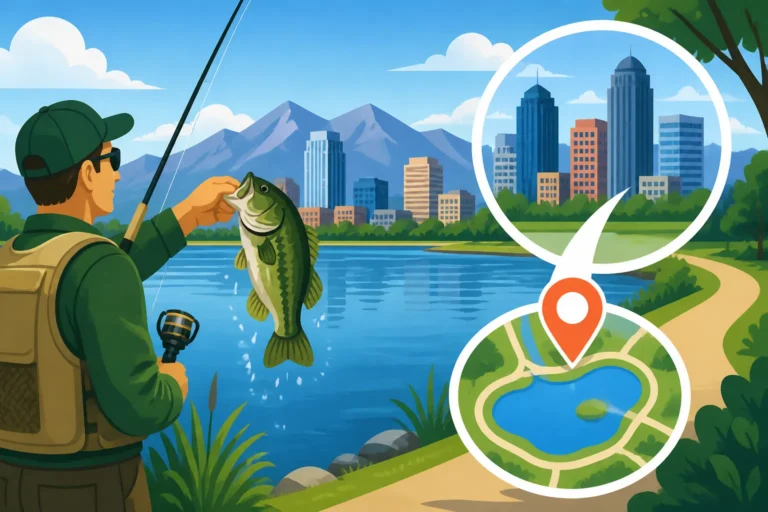
There's nothing quite like the itch to go fishing, but for those of us living in the heart of Denver, the idea of driving hours into the mountains just for a few casts can feel like a real barrier. We all want that convenient escape, a quick trip to the water without sacrificing our whole day. Luckily, Colorado Parks and Wildlife (CPW) understands this need, and they keep several urban Denver ponds regularly stocked with trout, offering fantastic, easily accessible fishing opportunities right in the city. This guide will walk you through exactly which Denver City ponds receive these valuable trout stockings, helping you plan your next local angling adventure.
Navigating Denver's Urban Fishing Landscape for Trout
For many city dwellers, fishing might seem like an activity reserved for remote wilderness or vast reservoirs. However, the truth is, Denver offers some surprisingly fruitful fishing grounds, particularly when it comes to trout. It's all thanks to a dedicated program designed to bring the joy of angling closer to home.
The Colorado Parks and Wildlife Urban Fishing Program
The Colorado Parks and Wildlife Urban Fishing Program is a true gem for city anglers. This initiative focuses on managing and enhancing fishing opportunities in ponds and lakes located within urban and suburban areas across Colorado. The goal is simple: provide readily accessible, family-friendly fishing experiences that don't require extensive travel or specialized gear. These ponds are often regularly stocked with fish, primarily rainbow trout, making them ideal for beginners, families with children, or anyone looking for a quick, rewarding fishing trip after work or on a weekend morning. The program plays a vital role in connecting communities with nature and fostering a love for the outdoors, often using funds generated from sources like the Habitat Stamp.
One of the most appealing aspects of the urban fishing program is its commitment to consistency. CPW understands that convenience is key, so they make a concerted effort to keep these waters stocked, especially during prime fishing seasons. This means you don't have to guess if there will be fish; you can often count on a fresh batch of feisty trout ready to bite. It's a fantastic resource for learning the ropes of fishing or simply enjoying a relaxing day by the water without the hassle of a long drive.
Why Trout Stocking Matters for City Anglers
Trout stocking in urban ponds is more than just dumping fish into a lake; it's a strategic effort that profoundly impacts the availability and quality of fishing for city residents. Without regular stocking, many urban ponds simply wouldn't be able to sustain a robust trout population. Trout, especially rainbow trout, thrive in cooler water, and while Denver's ponds can get quite warm in the summer, they are ideal during the spring, fall, and even milder winter months. Stocking ensures that there are always catchable fish available when the water temperatures are suitable.
For those new to fishing, or for parents introducing their kids to the sport, stocked ponds provide an almost guaranteed chance of success. This positive reinforcement is crucial for building interest and confidence. Imagine taking a child fishing for the first time, only for them to get skunked all day. That's a quick way to turn them off to the sport. Stocked ponds drastically increase the odds of a bite, creating memorable experiences and fostering a lifelong passion for fishing. It also helps manage fishing pressure on more sensitive wild trout fisheries, directing some of the angling effort to these robust, managed populations. This means less stress on some of our more delicate ecosystems, like those you might find on the South Platte River or in high-country lakes.
Key Denver City Ponds Regularly Stocked with Trout
Denver is fortunate to have several dedicated urban fishing locations that benefit from regular trout stockings. While specific stocking dates and quantities can vary, these spots are consistently on the CPW's list for replenishment, offering reliable trout fishing opportunities.
City Park Lake and Ferril Lake
Nestled in the heart of City Park, these two interconnected bodies of water are incredibly popular choices for urban anglers, and for good reason. They are iconic Denver landmarks, easily accessible, and consistently stocked with rainbow trout.
City Park Lake itself is a larger, more open body of water, offering plenty of shoreline access. You'll often see families picnicking, joggers passing by, and anglers patiently waiting for a bite. It's a fantastic spot for a relaxing afternoon.
Ferril Lake, on the other hand, is the picturesque lake that anchors the Denver Zoo and the Denver Museum of Nature & Science. While you can't fish directly in all areas due to its proximity to zoo exhibits, there are designated public fishing spots that receive regular trout stockings. Both lakes provide a wonderful urban oasis, making them perfect for a quick escape into nature without leaving the city. These lakes are part of the CPW's extensive stocking program, ensuring that anglers have a good chance of success, especially in the cooler months. You might even find yourself catching fish right after CPW initiates its March trout stocking, which is a big event for many local anglers.
Sloan's Lake and Its Diverse Offerings
Sloan's Lake, located in west Denver, is another prominent urban fishery that sees regular trout stockings. It's one of Denver's largest lakes, offering ample space for anglers and a more diverse fishery than some smaller ponds. While known for its warmwater species like bass and catfish in the warmer months, Sloan's Lake also receives generous trout stockings in the spring and fall.
The sheer size of Sloan's Lake means there are various areas to explore, from its expansive shoreline to deeper spots accessible by float tube or kayak (check local regulations for boating). The mixed species population means that even if the trout aren't biting aggressively, you might still hook into something else. The trout here are generally eager biters, making it an excellent location for both spin fishing techniques for Colorado trout and bait fishing techniques for Colorado lakes. Just be sure to check the latest stocking reports, as its warm-water capabilities mean trout activity is heavily dependent on water temperature. The surrounding park offers fantastic amenities, making it a great destination for a full day out with the family.
Washington Park and Berkeley Lake for Easy Access
For those living in south Denver, Washington Park Lake is a convenient and charming option. This beautiful urban park features a lovely lake that is regularly stocked with rainbow trout. It’s a favorite among local residents for its tranquil atmosphere and easy access. The lake is relatively shallow, which can make for some exciting sight fishing opportunities on clear days. While it's not a huge body of water, its consistent stocking makes it a reliable spot for catching trout.
In north Denver, Berkeley Lake stands out as another top contender for trout stockings. This popular park also offers easy access and a vibrant community feel. Like other urban ponds, Berkeley Lake gets a steady supply of rainbow trout during the cooler seasons. Both Washington Park and Berkeley Lake are prime examples of how CPW brings quality fishing right into established neighborhoods, ensuring that a quick fishing trip is always within reach. These parks are usually busy, but there's generally enough space to find a spot to cast a line and enjoy the urban environment.
Harvey Park Lake and Other Community Favorites
Beyond the more prominent lakes, several smaller community ponds throughout the Denver metro area also benefit from CPW's stocking efforts. Harvey Park Lake in southwest Denver is a consistent recipient of trout, offering a local option for many residents. It's a smaller, more intimate setting compared to Sloan's or City Park Lake, often providing a quieter fishing experience.
Other community ponds across the metro area, depending on the year and CPW's stocking schedule, may also receive trout. While the specific list can fluctuate, these smaller ponds are often fantastic for those just learning how to fish or looking for a very low-key outing. They generally have easy bank access and are designed for a relaxed experience. Checking the latest CPW stocking reports is always the best way to confirm which specific community ponds are currently being stocked. These locations are particularly excellent places to practice various techniques without the pressure of a crowded river.
| Pond Name | Location in Denver | Primary Stocked Species (Cooler Months) | Typical Stocking Season | Notes |
|---|---|---|---|---|
| City Park Lake | Central Denver | Rainbow Trout | Spring, Fall, Winter | Large, central, high visibility |
| Ferril Lake (City Park) | Central Denver | Rainbow Trout | Spring, Fall, Winter | Picturesque, near Zoo/Museum |
| Sloan's Lake | West Denver | Rainbow Trout | Spring, Fall | Large, diverse species, good access |
| Washington Park Lake | South Central Denver | Rainbow Trout | Spring, Fall, Winter | Charming, good for families |
| Berkeley Lake | Northwest Denver | Rainbow Trout | Spring, Fall | Popular, community-focused |
| Harvey Park Lake | Southwest Denver | Rainbow Trout | Spring, Fall | Smaller, quieter community pond |
What to Expect When Fishing Stocked Urban Ponds
Fishing urban ponds for trout is a unique experience. While it offers convenience, it also comes with its own set of characteristics and considerations. Understanding what to expect can greatly enhance your success and enjoyment.
Typical Trout Species and Stocking Schedules
When we talk about trout stockings in Denver's urban ponds, we are almost exclusively referring to rainbow trout in Colorado. These are typically "catchable-sized" fish, meaning they are usually 8-12 inches long, sometimes a bit bigger, and are raised in hatcheries specifically for stocking programs. Rainbows are known for being relatively easy to catch, especially shortly after they are stocked, making them perfect for public fisheries. While other trout species might occasionally appear, rainbows are the mainstay of the urban trout program.
The timing of these stockings is crucial. CPW generally stocks these ponds most heavily in the spring (March, April, May) and fall (September, October, November) when water temperatures are cool enough for trout to thrive. During the peak of summer (June, July, August), stocking often slows down or ceases as pond waters can become too warm and oxygen-depleted for trout survival. In mild winters, stockings might continue. For the most current information, regularly checking the CPW's weekly stocking report is essential. This report will tell you not only which ponds were stocked but also when and with what species, allowing you to time your visit for the best possible action. Knowing the Colorado fishing seasons month by month can also help predict general trends.
Essential Gear and Simple Techniques for Success
One of the great things about urban trout fishing is that you don't need a ton of fancy gear. A simple spinning rod and reel combo, spooled with 4-6 pound test line, is perfectly adequate. As for terminal tackle, a small hook (size 8-12), a few split shots, and a bobber are often all you need.
- Bait Fishing: For stocked trout, bait is usually king. PowerBait (in various colors and forms like dough or nuggets) is incredibly effective, as are small worms (like mealworms or nightcrawler pieces), and even corn. Rig your bait on a small hook, add a split shot a foot or so above it to help it sink, and if you want to suspend it, use a small bobber. Cast it out and let it sit.
- Lure Fishing: Small inline spinners (like Mepps, Rooster Tail) or spoons (such as Kastmasters or Little Cleos) can also be very productive. Cast them out and retrieve them slowly and steadily. The flash and vibration often entice aggressive bites from newly stocked trout.
- Fly Fishing (Light Tackle): While not as common in urban ponds as in rivers, you can certainly try fly fishing with a lightweight setup (3-5 weight rod) using small wet flies, nymphs, or even tiny streamers. Patterns like Woolly Buggers, Hare's Ears, and Prince Nymphs can be effective.
Remember, trout in stocked ponds are often less wary than their wild counterparts. They're looking for an easy meal, so presentations don't have to be overly subtle. The key is often simply getting your bait or lure in front of them.
Rules, Regulations, and Licensing Requirements
Even in urban ponds, it's crucial to adhere to all Colorado fishing regulations every angler should know. Ignorance of the law is not an excuse, and game wardens do patrol these urban areas.
- Fishing License: If you are 16 years of age or older, you absolutely need a valid Colorado fishing license. This applies to both residents and nonresidents. You can purchase these online, by phone, or at various retailers. You don't want to be caught fishing without a license.
- Habitat Stamp: Most anglers between the ages of 18 and 64 will also need a Colorado Habitat Stamp in addition to their fishing license.
- Bag and Possession Limits: Denver's urban ponds are typically subject to general statewide bag and possession limits for trout, which usually means a daily limit of four trout. However, some specific ponds might have special regulations, so always check the latest CPW fishing brochure or signage at the pond. Understanding Colorado's daily bag limits by species is paramount.
- Second Rod Stamp: If you plan to fish with two rods, you'll need to purchase a Colorado Second-Rod Stamp. Otherwise, only one rod per angler is permitted.
- Bait Restrictions: Most urban ponds generally allow the use of live bait, but always double-check the regulations for the specific pond you are visiting. Some waters, particularly those managed for native species or sensitive ecosystems, might have restrictions.
The best source for up-to-date regulations is the official Colorado Parks and Wildlife fishing brochure, available online or at license vendors. Taking a few minutes to review it before your trip can save you from potential fines.
Maximizing Your Urban Trout Fishing Experience
Making the most of your time on Denver's urban waters involves a bit of planning and a responsible approach to angling. These community resources are there for everyone to enjoy, and a little forethought can go a long way.
Finding Up-to-Date Stocking Information
The single most important tool for successful urban trout fishing is knowing when and where the fish have been stocked. Fortunately, CPW makes this information readily available.
- CPW Weekly Stocking Report: The primary resource is the Colorado Parks and Wildlife weekly stocking report, typically updated every Friday. This report lists all the waters across the state that have received fish stockings, including specific species and quantities. You can access it directly on the CPW website. I highly recommend checking this before heading out. It often gives details on which specific Denver city ponds get trout stockings for that week.
- CPW Fishing Atlas: Beyond the weekly report, CPW also maintains an interactive online Fishing Atlas. This powerful tool allows you to search for specific waters, view species present, access regulations, and sometimes even see historical stocking data. It's an invaluable resource for planning your trips.
- Local Bait Shops: Don't underestimate the power of local knowledge! Your neighborhood bait and tackle shop in Denver will often have the most current buzz about recent stockings and what's biting. They hear it from anglers daily and often receive updates directly from CPW.
Timing your visit to coincide with a recent stocking can dramatically increase your chances of success. Stocked trout are often hungry and disoriented, making them more aggressive biters shortly after release.
Respecting the Resource and Fellow Anglers
Fishing in urban settings means you'll likely be sharing the space with many other people – fellow anglers, families, joggers, and park-goers. It's crucial to practice good etiquette and stewardship to ensure these valuable resources remain enjoyable for everyone.
- Leave No Trace: Always pack out everything you pack in. This includes fishing line, bait containers, and any other trash. Litter contaminates the water and poses a danger to wildlife. Many urban parks have trash cans; please use them.
- Be Mindful of Others: When casting, be aware of people around you, especially children. Avoid crowding other anglers; give everyone ample space. If the spot is busy, be patient and polite.
- Handle Fish Responsibly: If you plan to practice catch-and-release, learn how to handle fish properly to minimize stress and injury. Wet your hands before touching the fish, avoid excessive squeezing, and release them quickly. For fish you intend to keep, dispatch them humanely and store them properly on ice.
- Follow Regulations Diligently: As mentioned, always follow bag limits and any special regulations for the specific pond you're fishing. These rules are in place to manage the fishery sustainably.
- Share the Knowledge: If you see someone struggling or who looks new to fishing, offer a friendly tip or piece of advice if they seem receptive. We all started somewhere!
While a guided trip might not be necessary for urban pond fishing, if you're looking to explore bigger waters or try different species outside of Denver, resources like FishingBooker can help you find experienced local guides across Colorado for adventures like fishing Colorado's Gunnison River or for species like walleye. They can connect you with charter boats for Colorado's Blue Mesa Reservoir, for instance. But for a quick, rewarding trout fix right here in the city, knowing which Denver city ponds get trout stockings is your golden ticket. Enjoy your time on the water!
Disclaimer
The information provided in this guide is for general informational purposes only and is subject to change. Fishing regulations, stocking schedules, and accessibility can vary. Always consult the official Colorado Parks and Wildlife (CPW) website and their most current fishing regulations brochure before engaging in any fishing activities. Ensure you have the proper licenses and stamps required by law.