Fishing the Gunnison River Near Almont
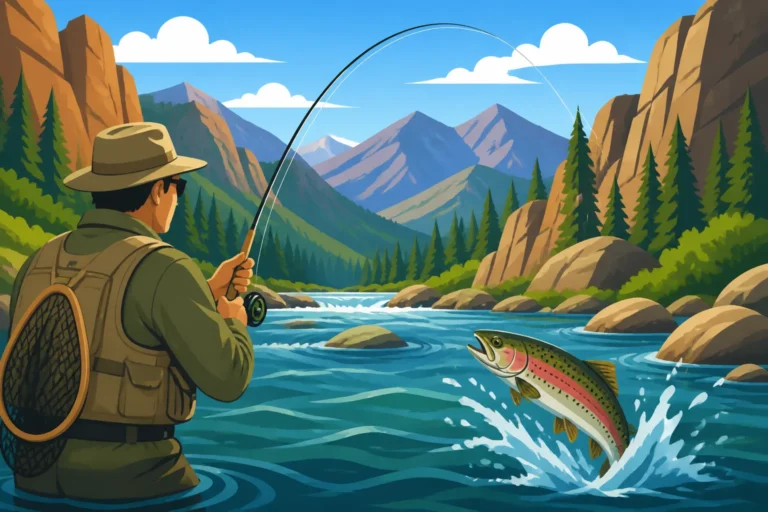
The Gunnison River near Almont is one of those legendary stretches that every Colorado angler dreams of, but getting started on such a renowned piece of water can feel incredibly intimidating. With its Gold Medal designation and reputation for monster trout, many folks arrive feeling overwhelmed, unsure where to cast or what regulations truly apply. This comprehensive guide aims to demystify fishing the Gunnison near Almont, providing you with the knowledge and confidence to make your next trip a truly memorable one.
Understanding the Unique Character of the Gunnison Near Almont
The Gunnison River, as it flows through the Almont area, isn't just another pretty mountain stream; it's a vibrant ecosystem that holds a special place in the hearts of anglers worldwide. This particular stretch is where the Taylor River merges with the East River, officially forming the mighty Gunnison. This confluence creates a dynamic environment, with varying water temperatures, nutrient loads, and insect life, all contributing to a truly exceptional fishery. When you arrive in Almont, you'll immediately notice the stunning canyon walls and the lush riparian zones, a testament to the health and vitality of this area. It's a place where the air feels crisp, the views are breathtaking, and the potential for an unforgettable catch is always high.
The Gold Medal Reputation and What It Means
When you hear "Gold Medal Water," it's not just a fancy marketing term; it's a designation by Colorado Parks and Wildlife (CPW) that signifies truly exceptional fishing. For a river to earn this honor, it must consistently produce a minimum of 60 pounds of trout per acre, and at least 12 of those fish must be 14 inches or longer. The Gunnison River near Almont proudly carries this designation, particularly the section downstream from the confluence. This means you're not just fishing for small stockers; you're in prime territory for large, healthy, and often wild trout, predominantly brown trout and rainbow trout, with some brook trout and cutthroat in the higher reaches.
This reputation also comes with responsibilities, of course. These waters are often managed with special regulations to protect the fishery, such as Colorado's 14-inch trout length rule or mandatory barbless hook rules on Colorado rivers, which are common on Gold Medal sections. It's crucial to always check the latest Colorado Fishing Regulations Every Angler Should Know before heading out, as these rules can vary slightly by specific stretch and change over time. The "Gold Medal" status is a direct result of decades of conservation efforts and smart management, ensuring that future generations of anglers can also experience the thrill of these waters.
Flow Rates and Water Conditions
One of the biggest factors influencing fishing success on the Gunnison near Almont is its ever-changing flow rates and water conditions. Because the river is formed by the confluence of the Taylor and East Rivers, and the Taylor is a tailwater fed by Taylor Park Reservoir, the water levels can fluctuate based on dam releases and snowmelt. During late spring and early summer, typically May and June, Colorado experiences its annual spring runoff. This period can see the river swell, become murky, and generally be challenging to fish, especially for those who prefer wading.
However, once runoff subsides and throughout the late summer and fall, the flows tend to stabilize, offering optimal conditions. The clarity improves, and wading becomes much more feasible. For example, knowing the release schedules from Taylor Park Reservoir can give you an edge, as changes in flow often trigger feeding activity. You can usually find real-time flow data online from resources like the U.S. Geological Survey (USGS) website, which provides invaluable information for planning your trip. A sudden drop in flow might concentrate fish, while a steady, moderate flow generally indicates excellent conditions for all types of angling.
Key Access Points and Navigation
One of the beauties and challenges of fishing the Gunnison near Almont is understanding where you can actually get on the water. While there's plenty of public access, some areas are private, and knowing the difference is paramount. Respecting private property is not just good etiquette; it's a legal requirement that protects future access for all anglers. The area around Almont offers a mix of easy-to-reach spots and more secluded stretches, catering to different preferences and mobility levels.
Public Access Points: Almont Bridge and Beyond
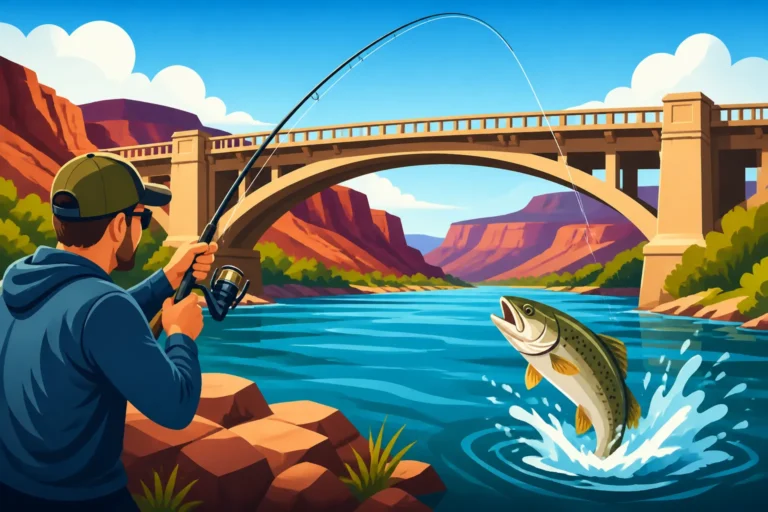
The most recognizable and often busiest public access point is right at the Almont Bridge, where County Road 742 crosses the Gunnison. Here, you'll find parking and relatively easy access to both banks of the river immediately downstream from the confluence. This spot is popular because it's convenient and often productive. Anglers can wade or walk the banks from here, exploring the various runs and riffles that hold eager trout.
Beyond the bridge, numerous small pull-offs and designated public access points exist along County Road 742 as you head downstream towards the larger Black Canyon of the Gunnison. Keep an eye out for "Public Fishing Access" signs or specific Colorado Parks and Wildlife (CPW) easements. For instance, the Almont Campground area, managed by the Forest Service, also provides decent public access, often with more spread-out fishing opportunities away from the immediate bridge crowds. Another option for deeper exploration is to hire a professional guide. Services listed on platforms like FishingBooker can offer expertise on lesser-known public entry points or guide you through stretches that are best accessed via drift boat. Remember, while a guide might know the secret spots, a valid Colorado Fishing License Guide for Residents and Nonresidents is still required for everyone on the trip.
Navigating Private Land and Easements
Colorado law is very clear about private property. You can legally fish in navigable waters, but accessing those waters, or wading or bank fishing on private land, is only allowed if you have permission from the landowner or if there's a designated public easement. This is a common point of confusion and frustration for many anglers. In the Almont area, much of the land bordering the Gunnison is privately owned, including some stunning stretches that might seem irresistible.
Always look for signs indicating public access or private property. If there's a fence, a gate, or "No Trespassing" signs, it means exactly that. Don't assume that because you're in the water, you can walk anywhere on the bank. There are legal public easements where you can bank fish, but these are clearly marked. When in doubt, err on the side of caution. Utilizing resources like Colorado's Fishing Atlas to Plan a Trip can show you detailed maps of public and private land boundaries, making it much easier to plan your day without inadvertently trespassing. Respecting these boundaries helps ensure that public access points remain open and available for all anglers in the long run.
Essential Techniques and Gear for Almont's Gunnison
The Gunnison River near Almont is a diverse fishery that rewards anglers who are adaptable and willing to try different techniques. Given its Gold Medal status, the fish can be educated and selective, so having a few tricks up your sleeve and the right gear can make all the difference between a frustrating day and a fantastic one. Whether you're a seasoned fly fisher or prefer spin fishing, understanding the local preferences of the trout here will boost your success.
Nymphing and Dry-Dropper Rigs for Success
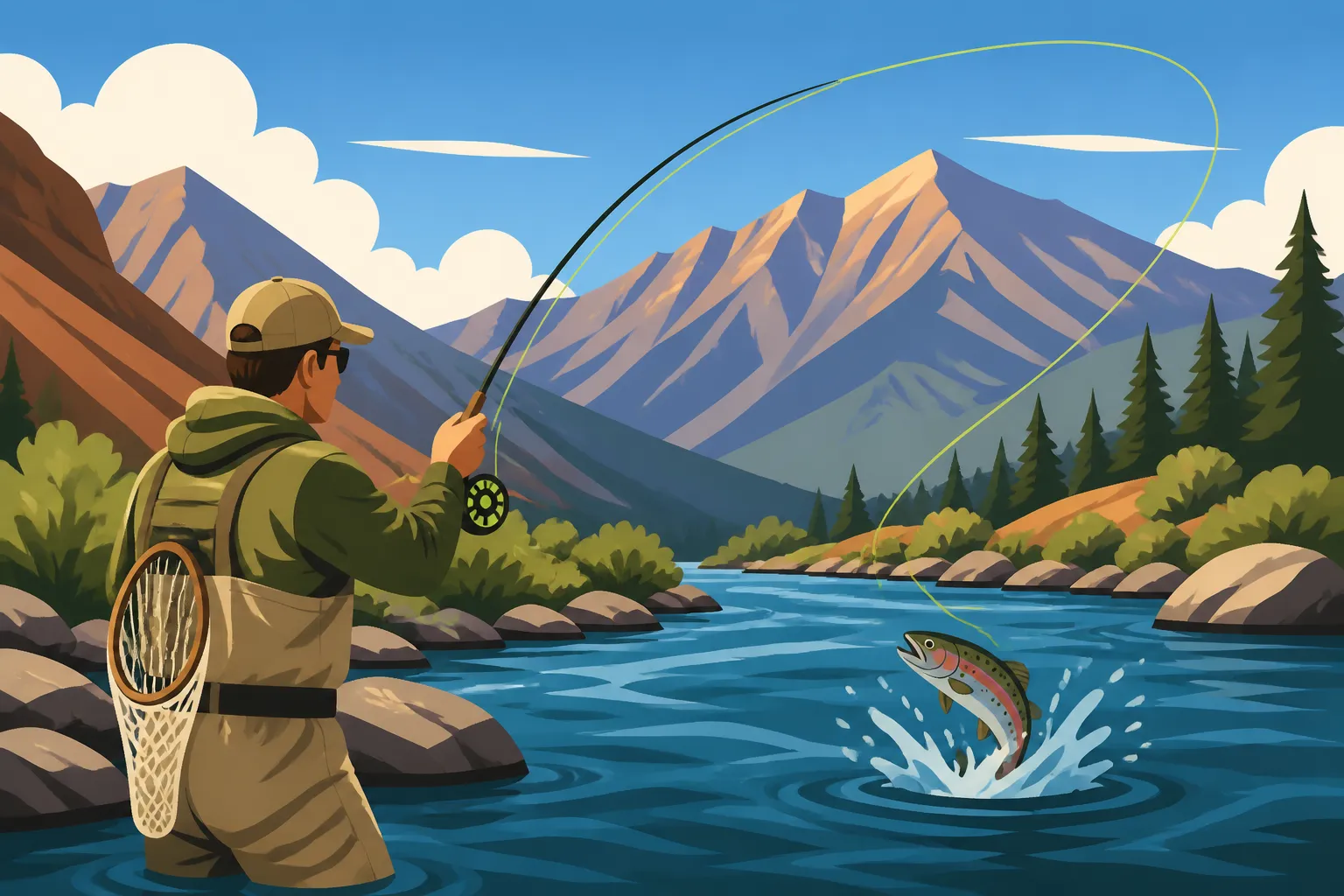
Nymphing is arguably the most consistent and effective method on the Gunnison, especially during colder months or when fish aren't actively rising. The river holds a dense population of aquatic insects, and trout spend the majority of their time feeding on nymphs and larvae sub-surface. A standard indicator nymph rig, fished with two weighted nymphs, often mimicking a Caddis or Stonefly, can be incredibly productive. Focus on deep runs, current seams, and the slower water behind structure like large rocks. Learning Nymphing Techniques for Colorado Tailwaters can really up your game on this river.
When conditions allow, particularly in warmer months with active hatches, a dry-dropper rig is an absolute blast. This setup uses a buoyant dry fly as both an attractor and an indicator, with a small nymph or emerger suspended below it. It offers the best of both worlds: the visual thrill of a dry fly take, and the subsurface effectiveness of a nymph. Good dry fly choices include larger stimulators, foam hoppers, or chubby chernobyls. For the dropper, a pheasant tail, hare's ear, or a small midge imitation can be deadly. Keep an eye out for rising fish, especially during late mornings and evenings, and adjust your patterns to match the hatch. You can typically find updated hatch reports from local fly shops like Almont Anglers or Three Rivers Resort.
| Season | Common Hatches/Insects | Recommended Nymphs | Recommended Dry Flies | Streamers |
|---|---|---|---|---|
| Spring | Stoneflies, Midges, BWO | Pat's Rubber Legs, Copper John, San Juan Worm, RS2 | Blue-Winged Olive, Parachute Adams | Sculpzillas, Woolly Buggers |
| Summer | Caddis, Stoneflies, PMD, Hoppers | Caddis Larva, Prince Nymph, Pheasant Tail | Elk Hair Caddis, Stimulator, Chubby Chernobyl, Parachute Adams | Zonkers, Articulated Streamers |
| Fall | Baetis, Midges, Stoneflies, Eggs | Baetis Nymph, Egg Patterns, Perdigon, Squirmy Wormy | Parachute Adams, Comparadun BWO, Griffith's Gnat | Sex Dungeons, Thin Mints |
| Winter | Midges, Baetis | Midge Larva, Zebra Midge, Black Beauty, RS2 | Griffith's Gnat, Fryingpan Emerger | Small Buggers, Sculpin Imitations |
Streamer Fishing for Big Browns
If you're after the true trophy brown trout that the Gunnison is famous for, streamer fishing is a tactic you absolutely must employ. Brown trout are aggressive predators, and a properly presented streamer can often elicit a violent strike from a large fish that wouldn't bother with a small nymph. This method is particularly effective during cloudy days, during low light conditions (dawn and dusk), or in the fall when brown trout are getting ready to spawn.
When streamer fishing for Colorado Brown Trout, focus your casts towards undercut banks, deep pockets, large boulders, and other structures where big fish like to ambush their prey. Stripping the streamer with varying speeds and pauses can mimic a wounded baitfish, often provoking an aggressive reaction. Popular streamer patterns include Woolly Buggers in black, olive, or brown, Sculpzillas, or even larger articulated patterns like Sex Dungeons or Drunk & Disorderly. A 6-8 weight fly rod is ideal for casting these larger flies and fighting powerful fish. If you're looking to book a trip, searching for guided trips on the Gunnison River near Almont on FishingBooker can connect you with guides specializing in these techniques.
Seasonal Strategies for the Gunnison Near Almont
The Gunnison River near Almont transforms throughout the year, offering distinct fishing experiences in each season. Understanding these seasonal nuances is crucial for maximizing your success and enjoyment. What works in July might be completely ineffective in November, so being prepared for the conditions and the fish's behavior is key.
Spring Fishing and Runoff Considerations
Spring on the Gunnison, roughly March through early May, can be an exciting time. Water temperatures begin to rise, and trout become more active, feeding on emerging insects. Early spring sees prolific midge hatches, followed by Blue-Winged Olives (BWOs). Nymphing with small imitations of these insects, often paired with a larger Stonefly pattern, is usually very effective. Streamer fishing can also be excellent as brown trout wake up from their winter lethargy and aggressively feed.
However, the biggest factor in spring is the inevitable onset of runoff, typically peaking in May and early June. As snow in the high country melts, the river swells, becomes turbid, and can be dangerous to wade. During this time, many anglers turn their attention to tailwaters like the Taylor River below Taylor Park Reservoir, which remain clear due to dam controls. If you choose to fish the Gunnison during runoff, focus on slower side channels, eddies, and the edges of the main current where fish can find refuge from the heavy flows. Using heavier split shot and larger, darker nymph patterns, such as worms and stonefly imitations, can help your flies get down to where the fish are holding in the murky water.
Summer Hatches and Fall Spawning Runs
Summer (July to August) on the Gunnison near Almont is characterized by abundant insect hatches and generally stable, clear flows. This is prime time for dry fly fishing, especially in the mornings and evenings. Caddis hatches are common, along with various Mayflies like Pale Morning Duns (PMDs) and Green Drakes in specific areas. During midday, terrestrials like grasshoppers, ants, and beetles become important food sources, making foam hopper patterns and other bug imitations highly effective, especially when fished along grassy banks. Warm water temperatures can sometimes make midday fishing slower, so early mornings and late evenings often produce the best results.
Fall Fishing in Colorado, generally September through November, is a favorite for many, and the Gunnison near Almont is no exception. As water temperatures cool, trout become very active, feeding heavily in preparation for winter. This is also when the magnificent brown trout begin their spawning runs. While it's tempting to target these large, colorful fish on their redds (spawning beds), ethical anglers know to avoid disturbing them. Instead, focus on fishing for actively feeding trout in holding lies adjacent to spawning areas. Egg patterns, larger nymphs, and streamers are incredibly effective in the fall. The cooler weather, vibrant fall colors, and aggressive fish make this a truly magical time to be on the river. Just be sure to check specific Colorado Fishing Season Dates and Bag Limits, as some regulations might change seasonally to protect spawning fish.
Disclaimer
The information provided in this guide is for general informational purposes only and is subject to change. Always consult the latest Colorado Parks and Wildlife regulations and local conditions before planning your fishing trip. Fishing carries inherent risks; please prioritize safety and ethical angling practices.