Fishing Colorado River at State Bridge
There’s nothing quite like the dream of finding that perfect stretch of river, a place where the water flows with purpose and the fish are as wild as the surrounding landscape. Yet, for many anglers, the Colorado River can feel intimidating, a vast network of water that begs the question: where do I even start? If you’ve ever found yourself scrolling through maps, wondering which bend holds the magic, you’re not alone. This guide aims to pull back the curtain on one particularly renowned section—the Colorado River at State Bridge—offering a deep dive into why this area consistently delivers an unforgettable angling experience, and how you can make the most of your time there.
The Allure of State Bridge: Why This Stretch of the Colorado River Shines
The Colorado River near State Bridge isn't just another pretty spot on the map; it's a legendary piece of water, steeped in history and revered by anglers for its consistent production of robust trout. Nestled between the towns of Kremmling and Dotsero, this section of the river offers a quintessential Colorado fishing experience, characterized by stunning canyon views, diverse water types, and a healthy population of wild fish. It's a place where the river begins to truly open up, gathering strength from tributaries like the Blue River and the Eagle River before continuing its journey west.
Where Exactly is State Bridge?
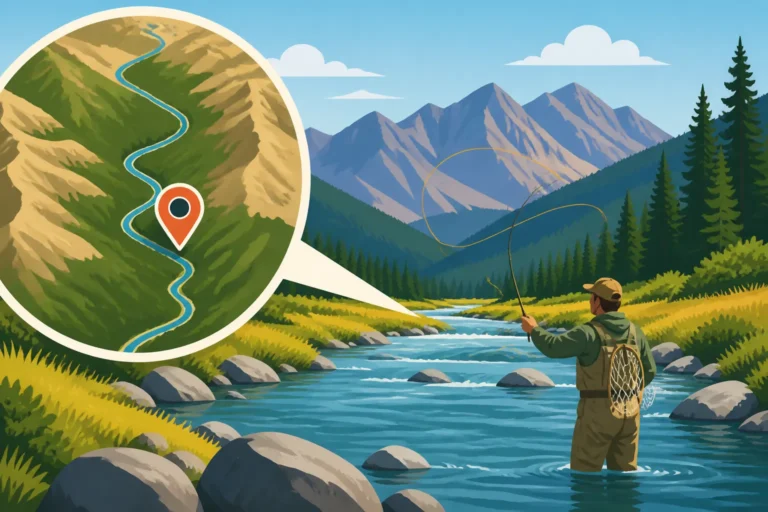
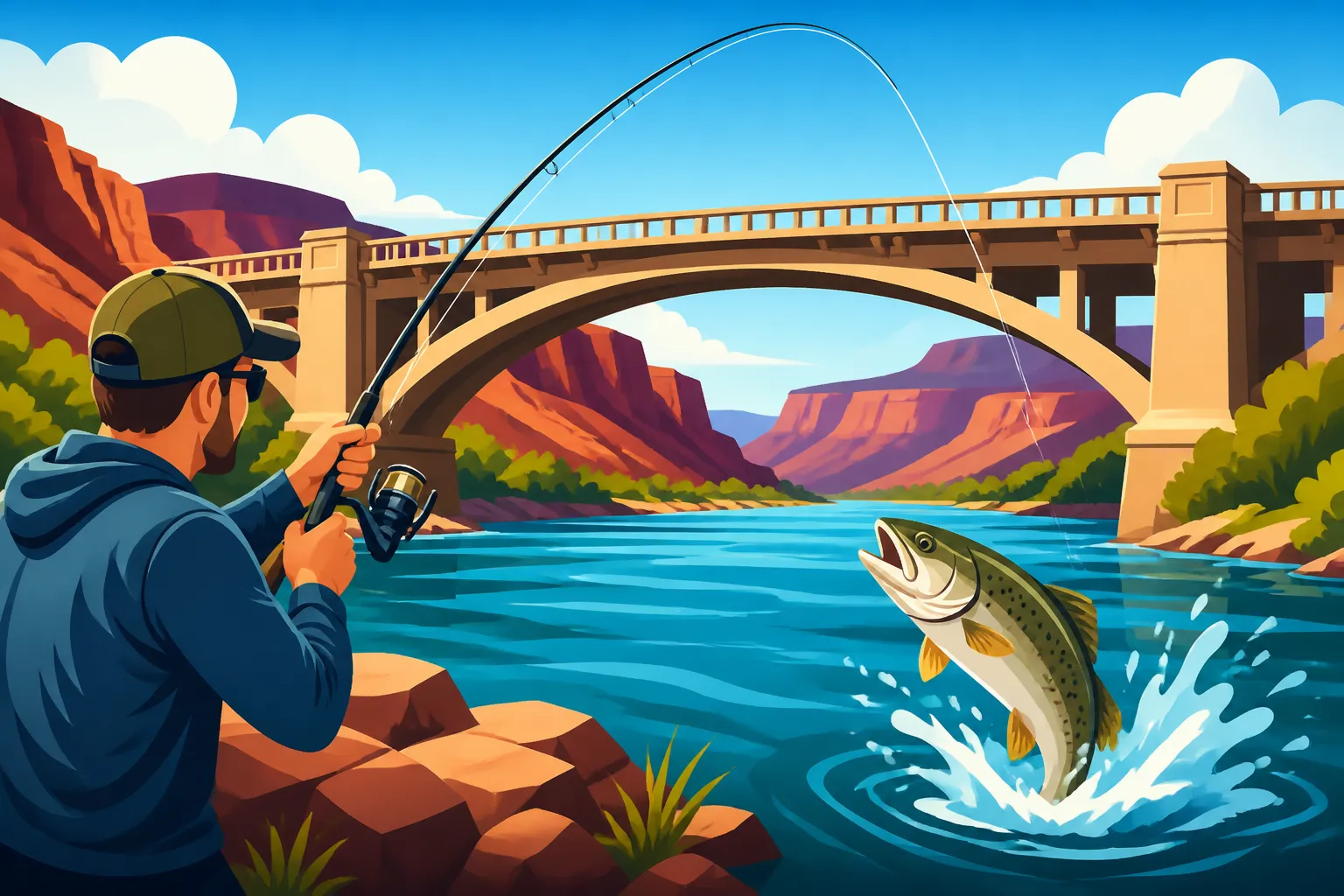
State Bridge itself isn't a town in the traditional sense, but rather a landmark—a historic bridge and a former outpost that has long served as a popular access point and a general hub for river users. You’ll find it southwest of Kremmling, roughly an hour’s drive from Vail or Steamboat Springs, making it surprisingly accessible despite its wild feel. The immediate area around State Bridge is characterized by dramatic canyons, ponderosa pine forests, and a sense of peaceful solitude that's hard to find in more populated areas. This isn't urban fishing; it's the real Colorado wilderness experience, right on the banks of one of the West's most iconic rivers. The remoteness means fewer crowds than some of the easily accessible spots near major towns, though it's still a well-known location for good reason.
Many anglers view this stretch as a gateway to the upper Colorado River's prime fishing, where the river transitions from high-country freestone streams to a broader, more powerful flow. It’s where float trips often begin or end, and where wade anglers can find plenty of elbow room if they know where to look. The current here is strong, the water is generally clear outside of spring runoff, and the riverbed offers a complex mosaic of rocks, gravel, and submerged structure that creates perfect holding lies for trout. It truly embodies the wild spirit of Colorado River fishing.
A Gold Medal Water Reputation
While not officially designated as "Gold Medal Water" along its entire length, the State Bridge section of the Colorado River shares many of the characteristics that earn other Colorado rivers this prestigious title. Colorado Parks and Wildlife (CPW) bestows the Gold Medal designation on specific river sections and lakes that consistently hold at least 60 pounds of trout per acre and at least 12 trophy trout (14 inches or longer) per acre. The species diversity and size of fish commonly found in the State Bridge area certainly live up to this expectation, even if the formal designation applies more strictly to sections like the nearby Fraser River or the famed Fryingpan.
What this "Gold Medal feel" translates to for anglers is a high probability of encountering large, strong, and incredibly healthy fish. These aren't your typical stocker trout; these are wild, river-born fish that have thrived in a rich ecosystem. The challenge, of course, lies in outsmarting them. Understanding the nuances of Colorado Gold Medal Water Regulations Explained can give you a deeper appreciation for what makes these fisheries so special, even in stretches that aren't officially designated but fish just like them. This reputation is well-earned, attracting serious anglers from around the world who are eager to test their skills against the river's inhabitants.
Fish You'll Encounter: Species Diversity in the State Bridge Section
The Colorado River at State Bridge is primarily a cold-water fishery, meaning its waters are ideally suited for trout species. You'll find a mix of wild and occasionally stocked fish, but the dominant players here are known for their feisty fights and impressive size. Knowing what you're likely to hook into helps you tailor your approach and gear for the best chance of success. It's truly a diverse ecosystem, a testament to the health of this river corridor.
Targeting Wild Brown Trout
If there’s one fish that epitomizes the angling experience at State Bridge, it’s the wild brown trout. These magnificent fish thrive in the complex currents and abundant insect life of the Colorado River. Brown trout are known for their cunning, their aggressive takes, and their stunning golden-brown flanks often adorned with vibrant red and black spots. They are often found lurking in deeper pools, under cut banks, or behind large boulders, waiting for an unsuspecting meal to drift by. Many anglers consider a large Colorado River brown trout to be the ultimate prize.
The browns in this stretch can grow to impressive sizes, with 20-inch fish being a realistic goal for persistent anglers. During the fall, these fish become particularly active as they prepare for their annual spawn, making October and November prime times to target truly trophy-sized individuals. If you’re curious about Brown Trout in Colorado, Where They're Wild, the State Bridge area is a prime example of a self-sustaining wild brown trout fishery, a jewel in Colorado's crown. They’re a challenge, but a rewarding one, often requiring precise presentations and a bit of stealth.
The Elusive Rainbows and Other Species
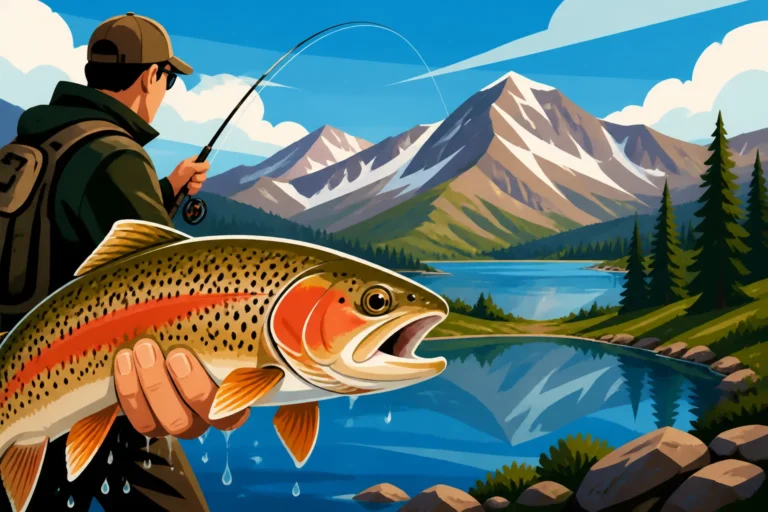
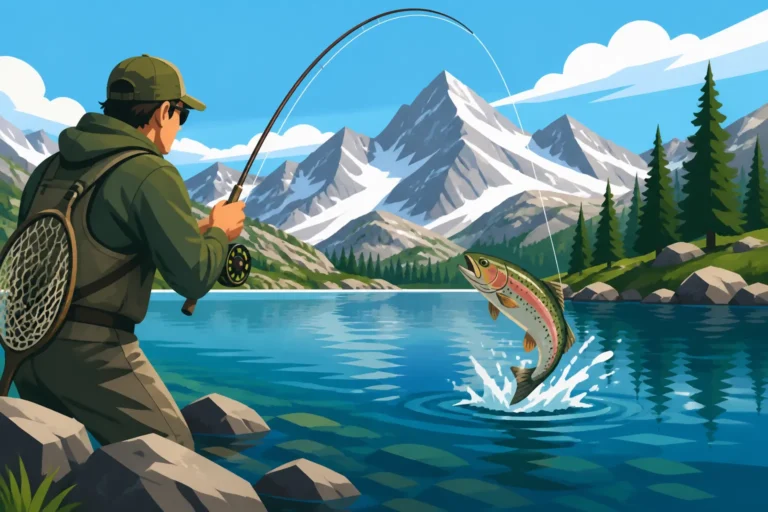
While brown trout might steal the spotlight, the State Bridge section of the Colorado River also hosts a healthy population of rainbow trout. These fish, both wild and sometimes stocked, provide a fantastic fight on light tackle, often leaping clear of the water when hooked. Rainbows tend to favor slightly faster, oxygenated water, making them common targets in riffles and runs. They are just as beautiful as their brown trout cousins, with their iridescent stripe running along their side.
Beyond trout, you might also encounter other species, especially during certain times of the year or in specific types of water. Mountain whitefish, a native species, are quite common here and can offer a fun diversion, especially on days when trout are finicky. While not as glamorous as trout, whitefish are a sign of a healthy river ecosystem and can put up a surprisingly good fight. Occasionally, other warm-water species might wander up from downstream sections, but for the most part, State Bridge is a trout angler's paradise. It's always a good idea to consult Colorado's Trout Species, A Field Guide, or the current CPW regulations, to correctly identify your catch and understand any specific rules that might apply.
Mastering the Techniques: How to Fish State Bridge Successfully
Fishing the Colorado River at State Bridge requires adaptability and a willingness to embrace various techniques. The river’s character changes depending on the season, water levels, and even the time of day, meaning what worked yesterday might not work today. This dynamic environment is part of what makes it such an engaging fishery, but it also demands a thoughtful approach to tackle and presentation.
Fly Fishing Strategies for State Bridge
For many, fly fishing is the quintessential way to experience the Colorado River at State Bridge. The river here offers incredible opportunities for nymphing, dry fly fishing, and streamer fishing, often all within a single day. Nymphing is perhaps the most consistently productive method, mimicking the abundant aquatic insect life that constitutes the bulk of a trout's diet. Indicator nymphing with a two-fly rig, using patterns like Copper Johns, Pheasant Tails, Prince Nymphs, or small stoneflies, can be incredibly effective in the deeper runs and pools. During spring runoff, heavier tungsten-beaded nymphs are often necessary to get down to where the fish are holding in the faster currents.
When conditions are right, especially during the hatches of caddis, blue-winged olives (BWO), or green drakes, dry fly fishing can be absolutely spectacular. There’s nothing quite like seeing a large trout rise to sip your carefully presented imitation. For those who love the visual aspect of the sport, watching a trout explode on a hopper pattern in late summer is a thrill. Understanding the insect cycles and "matching the hatch" can be crucial for success, and local fly shops are invaluable resources for up-to-the-minute hatch information. For deeper insights, you might want to read up on Dry Fly Fishing Colorado's Freestone Rivers, which applies perfectly to this section. Additionally, streamer fishing can be incredibly effective, particularly for targeting those larger, more aggressive brown trout. Retrieving baitfish imitations, like Woolly Buggers or larger articulated patterns, through deeper pockets or along cut banks, can elicit violent strikes from predatory fish.
Spin Fishing and Bait Considerations
While fly fishing often takes center stage, spin fishing can also be highly effective on the Colorado River at State Bridge, especially for those newer to the sport or who prefer a more direct approach. Light to medium-light spinning rods with sensitive tips are ideal for casting small spinners, spoons, or soft plastics. Popular lures include classic Rooster Tails, Mepps Aglias, or small Kastmasters. Work these lures through runs, pools, and eddy lines, varying your retrieve speed to mimic injured baitfish. Often, the key is to ensure your lure is getting down deep enough where the fish are holding, so adding a small split shot or using heavier lures might be necessary.
Bait fishing is generally permitted on this stretch of the Colorado River, adhering to statewide regulations. Popular baits include worms, salmon eggs, or powerbait. When using bait, it’s often best to use a simple rig, such as a slip sinker or a small split shot above a small hook, allowing the bait to drift naturally with the current. However, always be mindful of specific regulations, as some areas may have bait restrictions or require single, barbless hooks. It’s always best to check the current Colorado Fishing Regulations Every Angler Should Know, as these can change annually. Fishing with bait can be a very relaxed and enjoyable way to spend a day on the river, and often produces excellent results, especially for hungry trout.
Navigating the Seasons: Best Times to Visit State Bridge
The Colorado River at State Bridge is a year-round fishery, but its character changes dramatically with the seasons. Each period offers unique challenges and opportunities, influencing everything from water levels and clarity to insect activity and fish behavior. Understanding these seasonal shifts is crucial for planning a successful trip and knowing what to expect when you arrive.
Spring and Early Summer Challenges
Spring on the Colorado River around State Bridge can be a bit of a gamble. While early spring, typically March and April, can offer fantastic fishing before the heavy snowmelt begins, it’s often short-lived. This pre-runoff period sees fish becoming more active as water temperatures begin to rise, and hatches of blue-winged olives can be strong. However, once late May and early June arrive, the river typically enters its infamous "runoff" phase. This is when the snowpack from the high country melts rapidly, causing the river to swell, become muddy, and often unfishable for several weeks.
During runoff, the river becomes a powerful, churning force, making wading dangerous and visibility minimal. Frustration can certainly set in when you've planned a trip only to find the river a chocolate milk torrent. This is a time when many anglers turn to tailwaters, which are rivers flowing out of dams and therefore less affected by runoff, or postpone their trips until the river drops and clears. If you're determined to fish during runoff, your best bet is to target slower eddies, backwaters, or the mouths of clearer tributaries, but success can be limited. Knowing When Colorado's Spring Runoff Hits and How to Fish Around It is essential for managing expectations and planning alternatives.
Prime Fishing in Late Summer and Fall
As the snowmelt subsides and the river clears and drops to more manageable flows, typically by late June or early July, the State Bridge section truly comes alive. Late summer brings consistent water levels, abundant insect hatches, and active fish. This is prime time for dry fly fishing, with caddis, grasshoppers, and various mayflies providing consistent action. The long days mean plenty of time on the water, and the warm weather makes wading comfortable. Floating this section during late summer is also incredibly popular, offering access to stretches that are difficult to reach by foot.
Fall, however, is arguably the most celebrated season for fishing at State Bridge. As the leaves turn golden and amber, painting the canyon walls in breathtaking hues, the brown trout begin their pre-spawn feeding frenzy. This is when the biggest brown trout are most aggressive and vulnerable, making it the best time to target a trophy. Streamer fishing becomes incredibly effective, and larger nymphs can also entice strikes. The cooler temperatures also mean fewer recreational floaters, offering a more serene experience. To get a comprehensive overview, checking Colorado Fishing Seasons Month by Month, will give you a clearer picture of what to expect throughout the year in this incredible fishery.
Accessing the River: Public Entry Points and Practicalities
Getting onto the Colorado River at State Bridge can seem daunting for first-timers, given its rugged canyon setting. However, there are several well-known and maintained public access points that allow both wade anglers and those looking to float to enjoy this incredible fishery. Planning your access ahead of time is key to a smooth and enjoyable day on the water.
Public Access and Wading Opportunities
The primary public access for the State Bridge area is, naturally, right at the historic State Bridge itself. Here, you'll find parking and well-worn paths down to the river. Below the bridge, there’s a popular boat launch, which also serves as an entry point for wade anglers. Be prepared for a walk if you want to get away from the immediate crowds, as this is a popular spot, especially on weekends. Downstream from State Bridge, there are also various Bureau of Land Management (BLM) lands that offer additional public access. These spots typically require a bit more navigation and often a longer hike, but they can reward you with solitude and untouched water.
Wading this section of the Colorado River demands caution. The currents are strong, the riverbed can be rocky and slippery, and the water can be quite deep in places. Felt-soled wading boots with studs are highly recommended for grip, and a sturdy wading staff is an absolute must, even for experienced waders. Always scout your wading path carefully and never wade alone if possible. During higher flows, some sections may be unwadeable, limiting your options. Always respect private property boundaries, which are often clearly marked with signs or fencing.
Understanding Local Colorado Fishing Regulations
Navigating the rules and regulations for fishing the Colorado River at State Bridge is paramount. Colorado Parks and Wildlife (CPW) sets specific guidelines that can vary by species, location, and even time of year. Before you even cast a line, you need a valid Colorado fishing license, which you can typically purchase online through the CPW website, at authorized retailers like Walmart or sporting goods stores, or even via phone. Keep in mind that for residents and nonresidents, the costs and options for your Colorado Fishing License Guide for Residents and Nonresidents can differ significantly.
Beyond the general license, pay close attention to bag and possession limits for different fish species, any size restrictions (such as the 14-inch trout length rule on some waters), and specific gear restrictions like flies and lures only, or the prohibition of live bait in certain areas. While the State Bridge section is fairly liberal, it’s always wise to check the most current regulations brochure, which you can usually find online or pick up at any license vendor. Ignorance of the law is not an excuse, and game wardens do patrol this area regularly. Also, remember that a Habitat Stamp is often required in addition to your fishing license for anyone aged 18-64. Knowing Who Needs Colorado's Habitat Stamp, and understanding its purpose, is part of being a responsible angler in Colorado.
Beyond the Banks: Guides, Gear, and Local Amenities
While the fishing itself is the main draw, a successful and enjoyable trip to the Colorado River at State Bridge often depends on more than just your angling skills. Knowing about local resources, whether it’s a knowledgeable guide or a convenient place to grab a bite, can significantly enhance your experience.
Hiring a Local Colorado Fishing Guide
For those unfamiliar with the State Bridge area, or even seasoned anglers looking to maximize their time, hiring a local guide can be an invaluable investment. A professional guide brings not only expertise on the river's specific nuances—current hatches, best fishing spots, optimal techniques for the day—but also the necessary equipment and safety knowledge, especially for float trips. They can put you on fish faster, teach you specific methods, and help you navigate the river safely. Many guides operate out of nearby towns like Kremmling, Radium, or even Vail and Steamboat Springs, offering both walk-wade and float trips down the Colorado River.
If you’re considering a guided trip, it’s worth researching local outfitters well in advance, especially during peak season. Websites like FishingBooker can be an excellent resource for finding reputable guides in the State Bridge area, allowing you to compare prices, read reviews, and book directly. When looking into Hiring a Fishing Guide in Colorado, What to Expect, you'll often find that guides provide all the necessary flies, tackle, and sometimes even lunch, making it a truly turnkey experience. This is especially helpful if you’re traveling from out of state and don't want to bring all your gear.
| Service/Item | Typical Inclusion in Guided Trip | Angler Responsibility | Notes |
|---|---|---|---|
| Fishing License | No | Yes | Must be purchased before the trip. |
| Colorado Habitat Stamp | No | Yes | Required for ages 18-64. |
| Rods & Reels | Yes | Optional | Guides provide high-quality gear; bring your own if preferred. |
| Flies/Lures | Yes | No | Guides know what's working best and provide all necessary patterns. |
| Waders & Boots | Often (check with guide) | Optional | Some guides have loaners; best to bring your own for comfort/fit. |
| Lunch & Drinks | Often (full-day trips) | Optional | Check itinerary; bring extra snacks/water if needed. |
| Transportation | Yes (to/from river) | No | Guides arrange shuttle for float trips. |
| Gratuity | No | Yes | Standard practice, usually 15-20% of trip cost. |
Essential Gear and Local Resources
Beyond your fishing gear, a few essentials will make your State Bridge adventure more comfortable and safe. Layered clothing is crucial, as Colorado weather can change rapidly—even in summer, mornings can be chilly, and afternoon thunderstorms are common. Sunscreen, a wide-brimmed hat, and polarized sunglasses are absolute necessities for eye protection and spotting fish. A good waterproof backpack will keep your extra layers, snacks, and camera dry. For wade anglers, remember that sturdy wading boots and a wading staff are not optional—they're essential for safety in the strong currents.
While State Bridge itself is quite remote, the nearby towns of Kremmling and Dotsero (or even larger towns like Eagle or Wolcott) offer gas, groceries, and basic supplies. For specialized fishing gear, local fly shops in these areas are fantastic resources. They’ll have the most up-to-date information on river conditions, recent hatches, and the hot flies of the moment. Places like Cutthroat Anglers in Silverthorne or Vail Valley Anglers often have guides who know the State Bridge section intimately and can provide invaluable insights, even if you’re not booking a trip with them. Don't be shy about stopping in; their local knowledge is gold. You can also find broader context on various Colorado rivers in our article on Colorado River Fishing From Glenwood Canyon to Kremmling, which encompasses this renowned stretch.
Disclaimer
Please remember that fishing conditions, regulations, and access points can change. Always consult the official Colorado Parks and Wildlife (CPW) website or a current CPW fishing brochure for the most up-to-date information before planning your trip. Practice Leave No Trace principles to preserve the beauty and health of the Colorado River for future generations.