Fishing Colorado River in Glenwood Canyon
Ah, the Colorado River through Glenwood Canyon. It's a place that holds a special allure for anglers, but let's be honest, trying to figure out where to park, where to wade safely, and how to actually catch fish amidst the roar of I-70 can feel like a real puzzle. Many folks get intimidated by the sheer scale of the canyon or the fast-moving water, not to mention the crowds during peak season. This guide is here to untangle all that, giving you the insider scoop on how to approach this iconic stretch of river, find those elusive trout, and make your trip a truly memorable one.
Understanding the Glenwood Canyon Fishery
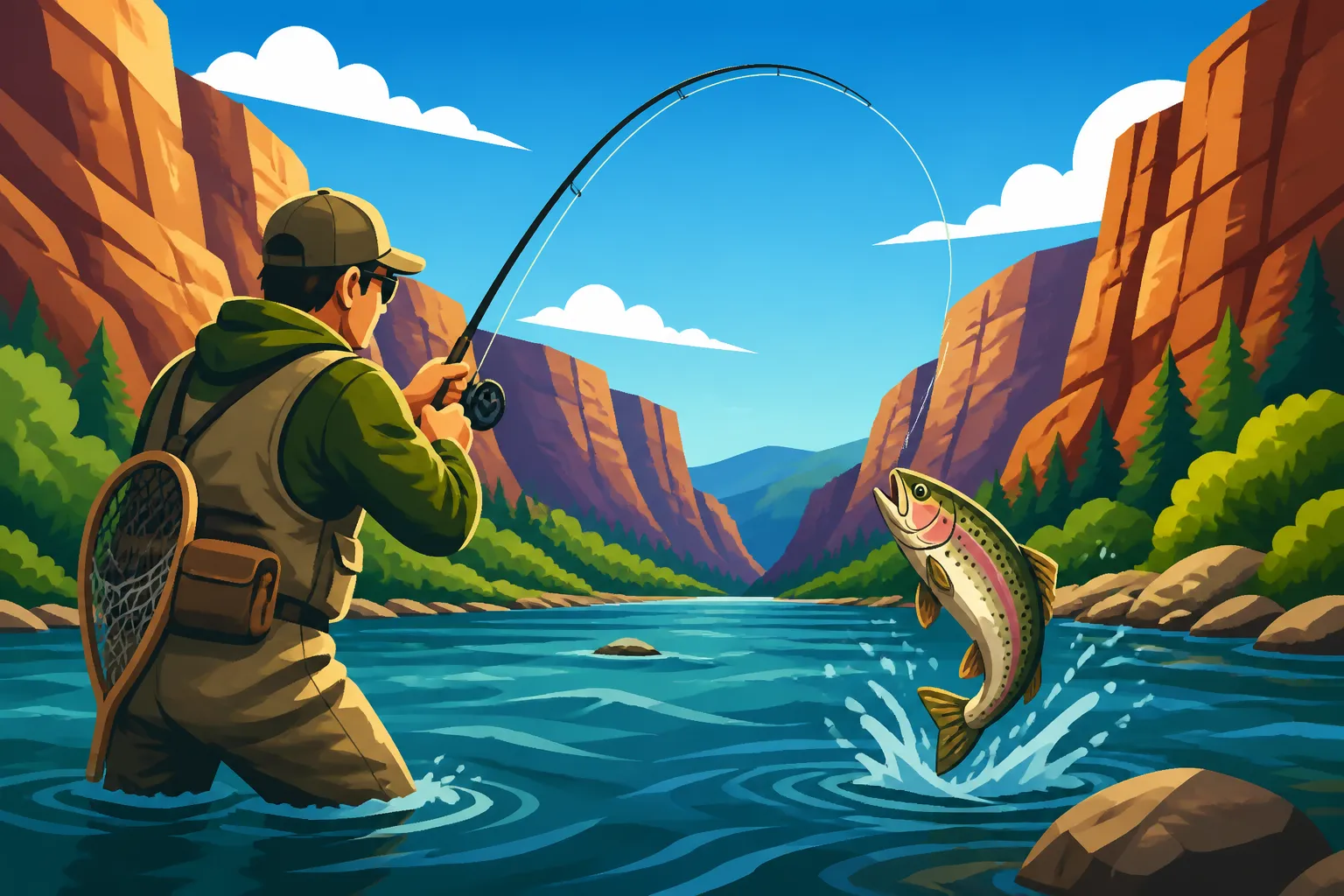
Glenwood Canyon isn't just a scenic drive; it's a dynamic and incredibly productive fishery. The Colorado River carves a dramatic path here, creating a diverse environment of deep pools, swift runs, and rocky eddies that are perfect holding water for trout. What makes this stretch particularly interesting is its accessibility, albeit with some trade-offs. The presence of Interstate 70, while convenient for reaching the water, also means a constant hum of traffic. But don't let that deter you; the fish here are wild and strong, offering a rewarding challenge to any angler.
The Ecosystem and Water Dynamics
The Colorado River in Glenwood Canyon is primarily a freestone river, meaning its flow and water levels are heavily influenced by snowmelt and rainfall. However, it's also regulated by upstream dams, which can moderate extreme fluctuations to some extent. The water here is generally cold, oxygen-rich, and full of aquatic insect life, which is why it supports such a robust population of trout. As the river flows through the canyon, it picks up nutrients, creating a fertile feeding ground. Understanding these water dynamics is crucial, especially when considering when and where to cast your line. High flows in late spring and early summer due to runoff can make wading difficult and fishing challenging, while lower, clearer flows in fall and winter can concentrate fish and offer excellent sight-fishing opportunities.
How Accessibility Impacts Your Fishing Experience
While the canyon's proximity to I-70 makes it incredibly easy to get to, this also means it can draw a crowd, especially on weekends and during prime seasons. Access points like Grizzly Creek, No Name, and Shoshone Landing are well-known and often busy. You might find yourself sharing the water with other anglers, kayakers, or rafters, particularly during the warmer months. This isn't necessarily a bad thing, as it shows how beloved this river is, but it's something to factor into your planning. If you prefer solitude, consider fishing during weekdays, early mornings, or later in the evening. Also, be mindful of parking; designated parking areas can fill up quickly, and roadside parking is often prohibited and unsafe due to the highway.
Prime Access Points and Wading Considerations
One of the biggest questions anglers have about Glenwood Canyon is simply, "How do I get to the river?" With I-70 snaking its way through, access might seem daunting, but there are several well-known spots that provide public entry. However, just because you can get to the bank doesn't mean wading is always safe or advisable. The Colorado River here can be powerful and deceptively deep, especially during certain times of the year.
Popular Fishing Access Areas
Several exits off I-70 lead directly to excellent fishing spots.
- Grizzly Creek (Exit 121): This is a highly popular spot and for good reason. It offers ample parking, restrooms, and relatively easy access to both banks of the river. The confluence of Grizzly Creek with the Colorado River creates diverse habitat, with deeper pools and riffles that hold plenty of fish. You'll find good wade-fishing opportunities here, but be prepared for company, as it's a favorite for both anglers and recreational users.
- No Name (Exit 119): Another excellent, well-known spot, No Name offers access to varied water, from faster runs to slower pools. Like Grizzly Creek, it has parking and amenities, making it convenient. The stretches above and below the bridge offer different challenges and rewards. Many anglers consider this a staple of the canyon.
- Shoshone (Exit 123): This area, particularly the stretch below the Shoshone Power Plant, is famous for its consistently warmer water temperatures due to the power plant's outflow. This can mean excellent winter fishing when other sections are slower. However, be aware that Shoshone is also a major launch point for whitewater rafting, so expect more boat traffic during summer months. The river here can be very powerful, and wading can be challenging, often requiring careful navigation.
Remember, the river runs parallel to the highway for much of the canyon. While the convenience is great, the noise can be a constant companion. Finding quieter spots might involve a bit more walking away from the immediate parking areas.
Wading Safety and River Flow
Wading in the Colorado River through Glenwood Canyon demands respect for the water's power. It’s not just a casual stroll. The bottom can be rocky, slick, and uneven, and drop-offs are common. Here are some critical safety considerations:
- Water Levels and Flow Rates: Always check current flow rates before you go. Colorado Parks and Wildlife (CPW) and USGS provide real-time streamflow data, which is invaluable. High flows, often occurring during spring runoff (typically late May through June), can make wading extremely dangerous, if not impossible. Even moderate flows can be strong enough to sweep you off your feet. As our article on wading the Colorado River in Glenwood Canyon warns, "Is the Colorado River in Glenwood Canyon Safe to Wade?" – the answer is entirely dependent on current conditions and your experience level.
- Wading Staff: A sturdy wading staff is an absolute must. It provides an extra point of contact, helps you feel for unstable footing or sudden drops, and can be a critical support if you lose your balance.
- Studded Boots: Felt soles are common, but for the slick, mossy rocks in this canyon, studded wading boots offer superior grip and significantly reduce your risk of slipping.
- Buddy System: Whenever possible, fish with a partner. If something goes wrong, having someone nearby can make all the difference.
- Know Your Limits: Never push beyond your comfort zone. If the water looks too fast or too deep, it probably is. There’s always another spot to fish, or another day. It's better to be safe on the bank than sorry in the current.
Understanding and respecting the power of this river is paramount. It’s a magnificent place to fish, but safety should always be your top priority.
Target Species and What They Eat
The Colorado River in Glenwood Canyon is a renowned trout fishery, primarily home to two of Colorado's most popular species: brown trout and rainbow trout. While you might occasionally encounter other species like whitefish, these two are the main draw for anglers. Understanding their habits and diet is key to a successful day on the water.
Brown Trout
Brown trout are the true kings of many Colorado rivers, and the Colorado River in Glenwood Canyon is no exception. These wily fish are known for their beautiful spotted patterns, aggressive takes, and their tendency to grow quite large in nutrient-rich waters like this stretch. As our guide on wild brown trout in Colorado highlights, "Brown Trout in Colorado, Where They're Wild," these fish thrive in self-sustaining populations in many freestone rivers, making them a wild and exciting catch.
Browns are opportunistic feeders, meaning they'll eat just about anything that looks edible. This includes a wide array of insects, small fish, crawfish, and even mice or voles that might fall into the river. They are often found holding in deeper pools, under cut banks, or near large rocks and submerged structure, where they can ambush prey and find refuge from strong currents. They can be particularly active during low light conditions, like early morning or late evening, and are notorious for their aggressive strikes on streamers and larger nymphs. During the fall, brown trout engage in their spawning run, becoming even more aggressive and territorial, though it's crucial to respect their spawning beds (redds) and avoid disturbing them.
Rainbow Trout
Rainbow trout are another staple of the Glenwood Canyon fishery. While some wild populations exist, many of the rainbows you'll encounter here are stocked by Colorado Parks and Wildlife, as discussed in our article, "Rainbow Trout in Colorado, Where They're Stocked." These fish are celebrated for their vibrant colors, acrobatic fights, and willingness to take a variety of flies and lures.
Rainbows tend to prefer faster-moving water than browns, often holding in the heads of riffles, current seams, and oxygenated runs where food is constantly drifting by. Their diet primarily consists of aquatic insects (nymphs, emergers, and dries), but they'll also readily take small baitfish or worms. They are often a bit less wary than large brown trout, making them a great target for both experienced and novice anglers. Because they are often stocked, they can also be a bit easier to catch, especially in areas that receive regular plant-outs. Their energy and fight on the line make them a favorite among many anglers visiting the canyon.
Aquatic Insects and Their Importance
The health of any river fishery is directly tied to its insect life, and Glenwood Canyon is no different. The Colorado River here boasts a diverse menu of aquatic insects that drive the trout's feeding behavior.
- Mayflies: Species like Blue-Winged Olives (BWOs), Pale Morning Duns (PMDs), and Green Drakes are abundant. BWOs are particularly important in spring and fall, offering consistent hatches.
- Caddisflies: These are often present year-round, with significant hatches in late spring and summer. Trout love caddis, whether they're emergers, adults, or larva.
- Stoneflies: Larger stonefly nymphs are a constant food source, especially for bigger trout. Golden Stones and Salmonflies are present, though the massive Salmonfly hatch seen on other rivers might be less intense here.
- Midges: These tiny insects are a year-round staple, particularly important during the colder months when other hatches are scarce. Trout will key in on small midge pupae and adult clusters.
Understanding the prevalent hatches and their seasons is crucial for fly anglers. Even spin anglers can benefit by choosing lures or baits that imitate these natural food sources. Staying informed about current conditions and recent hatches, often shared by local fly shops like those in Glenwood Springs, can significantly improve your chances of success.
Effective Fishing Techniques for Glenwood Canyon
Fishing the Colorado River in Glenwood Canyon requires a versatile approach, as conditions can change rapidly and the fish can be selective. Both fly fishing and spin fishing are highly effective here, but success often hinges on adapting your technique to the specific water you're fishing and the time of year.
Fly Fishing Strategies
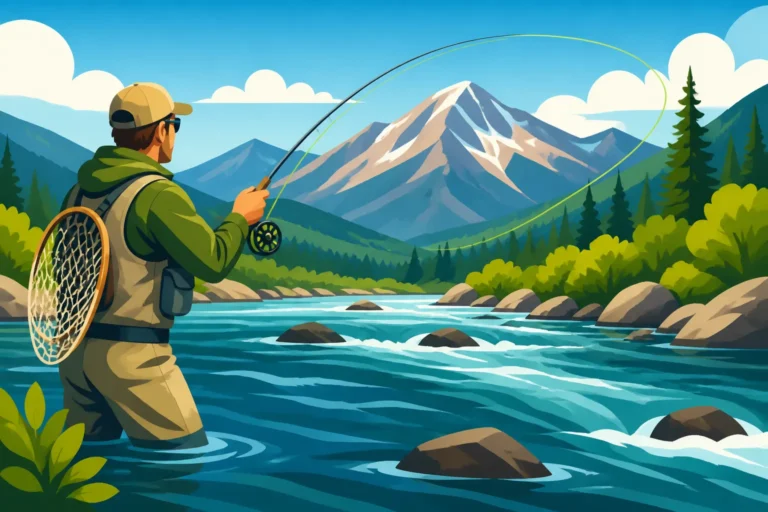
Fly fishing is arguably the most popular method in Glenwood Canyon, drawing anglers from all over. The river's varied structure and abundant insect life make it a fantastic fly fishery.
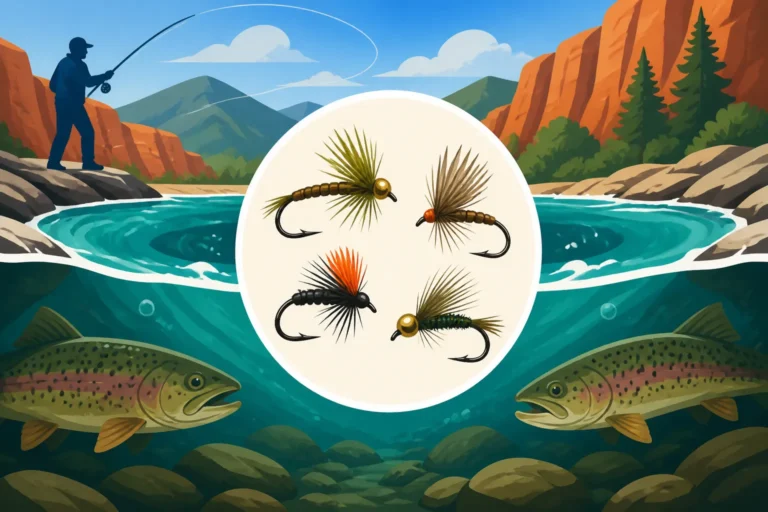
- Nymphing: This is hands-down the most consistent and productive method for trout in the Colorado River, especially in the canyon. Most trout feed sub-surface, so presenting nymphs effectively is key. Consider a two-nymph rig with an indicator, or even a Euro Nymphing setup for targeting deeper runs and pockets. Popular nymphs include Pat's Rubber Legs, Copper Johns, Pheasant Tails, Prince Nymphs, and various midge patterns. You'll often find success targeting current seams, deeper slots, and the slower water behind large rocks. As our article on tailwater nymphing suggests, "Nymphing Techniques for Colorado Tailwaters" can often be adapted for freestone rivers like the Colorado, focusing on getting your flies down to where the fish are holding.
- Dry Fly Fishing: While not as consistent as nymphing, dry fly fishing can be spectacular during specific hatches, particularly in late spring, summer, and early fall. Keep an eye out for rising fish during BWO, PMD, and various caddis hatches. Terrestrial patterns like grasshoppers and ants can also be very effective in late summer and early fall when trout are looking up for larger meals. The quiet pockets and slower eddies often present the best opportunities for dry fly action.
- Streamer Fishing: For targeting larger brown trout, especially during low light or after heavy rains, streamer fishing can be incredibly rewarding. Patterns like Woolly Buggers, Sculpzillas, and Articulated Streamers in olive, black, or brown can entice aggressive strikes. Fish streamers with a steady retrieve, imparting movement with strips and pauses, mimicking baitfish. This method is particularly effective around deeper structure, undercut banks, and during the fall brown trout spawn.
Spin Fishing Techniques
For those who prefer spin fishing, the Colorado River in Glenwood Canyon also offers excellent opportunities. A lighter setup is usually preferred, allowing for more delicate presentations and better feel for the subtle bites of trout.
- Lures: Small inline spinners (like Mepps Aglias or Panther Martins) in silver, gold, or black, and small spoons (such as Kastmasters or Little Cleos) are incredibly effective. Target pocket water, seams, and drop-offs. Vary your retrieve speed to find what the fish are keying into. Small jerkbaits or stickbaits that imitate baitfish can also work wonders, especially for larger trout.
- Bait Fishing: While fly fishing is popular, bait fishing is perfectly legal and effective in most parts of the Colorado River (always check specific regulations, as some areas might be artificial lures/flies only or fly-and-lure only). Worms, PowerBait, or even corn can attract trout, especially freshly stocked rainbows. Use a light leader and small hooks to present your bait naturally. Fishing bait under a bobber in slower pools or bottom-bouncing bait in deeper runs can be productive. Remember to use only legal bait types and be aware of potential bait restrictions, which can vary by river section.
- Jigs: Small marabou jigs or crappie jigs can be deadly for trout. Tip them with a small piece of bait or simply fish them unadorned. Cast them upstream and allow them to drift naturally with the current, imparting small twitches as they move. This method is excellent for imitating nymphs and small baitfish.
Regardless of your chosen technique, remember that trout in moving water often hold in specific locations to conserve energy while waiting for food. Look for current seams, eddies behind rocks, plunge pools, and undercut banks. Stealth and a natural presentation are always your allies.
Seasonal Fishing Conditions and Expectations
Fishing the Colorado River in Glenwood Canyon is a year-round affair, but each season brings its own unique set of challenges and opportunities. Understanding these seasonal shifts is crucial for planning your trip and choosing the most effective techniques. As our overarching guide to Colorado’s fishing seasons details, "Colorado Fishing Seasons Month by Month," the state's rivers can transform dramatically from one month to the next.
Spring Fishing (March-May)
Spring can be a bit of a mixed bag in Glenwood Canyon. Early spring (March-April) can offer some fantastic fishing, especially on warmer days. Trout are becoming more active after winter, and consistent midge hatches, along with early season Blue-Winged Olives (BWOs), can bring fish to the surface. Nymphing remains highly productive, with larger stonefly and caddis nymphs starting to become active.
However, as spring progresses into late May and early June, the dreaded spring runoff begins. This is when the melting snowpack from the mountains swells the river, causing water levels to rise dramatically, become swift, and often turn muddy. This period can make fishing extremely challenging and wading dangerous. As discussed in "When Colorado's Spring Runoff Hits and How to Fish Around It," during runoff, trout often move to slower, more protected areas along the banks, in eddies, or behind large obstructions. Larger, darker nymphs and streamers can be effective, as visibility is reduced. Safety is paramount; if the river looks too high and fast, it's best to wait for flows to recede.
Summer Fishing (June-August)
Once runoff subsides, typically by mid-to-late June, summer fishing in Glenwood Canyon can be absolutely spectacular. Water levels stabilize, clarity improves, and insect activity explodes. This is prime dry fly season, with consistent hatches of caddis, Pale Morning Duns (PMDs), and various stoneflies. Terrestrials like grasshoppers and ants become increasingly important from July through August.
Nymphing continues to be productive throughout the summer, often with smaller, more imitative patterns. Early mornings and late evenings are often the most productive times, as midday sun can push fish into deeper, shadier holding lies. The canyon can be quite busy with recreational users during the summer, so expect company, especially on weekends. Booking a guided trip through services like FishingBooker can help you find less crowded spots and ensure you're using the most effective techniques for current conditions.
Fall Fishing (September-November)
Fall is arguably the most beloved season for many Colorado anglers, and Glenwood Canyon truly shines. Water temperatures begin to cool, making trout incredibly active. The summer crowds thin out, and the aspen trees lining the canyon walls turn brilliant shades of gold, creating a breathtaking backdrop for your fishing adventure.
This is prime time for big brown trout, as they become aggressive in preparation for their spawning season (typically mid-October through November). Streamer fishing can be incredibly effective, enticing those larger, predatory browns. Nymphing with larger stoneflies and caddis remains a staple, and significant BWO hatches can occur on overcast days, offering fantastic dry fly opportunities. Fall also brings the potential for excellent midge hatches. While the fishing is generally phenomenal, remember to avoid walking on or disturbing any visible redds (spawning beds), which appear as lighter, cleaner gravel patches.
Winter Fishing (December-February)
Don't hang up your waders just because it's cold! Winter fishing in Glenwood Canyon can be surprisingly good, offering a peaceful, often solitary experience. The consistent flows from upstream dams (and the warm water discharge from Shoshone) mean the river rarely freezes over completely, unlike some higher-elevation freestones.
Winter fishing is primarily a nymphing game. Midges are the dominant food source, so tiny midge larva, pupa, and adult patterns are essential. Small mayfly nymphs (like BWOs) also remain important. Fish tend to congregate in deeper, slower pools and runs, conserving energy. Presentations need to be slow, deliberate, and perfectly weighted to get your flies down to the fish. Focus on the warmest parts of the day, usually from late morning to mid-afternoon. While fewer hatches occur, the fish can be very concentrated, offering consistent action if you find the right spot and present your flies correctly. Dressing in layers and wearing waterproof, insulated gear is crucial for staying comfortable in the cold.
Essential Gear and Local Regulations
Having the right gear and, more importantly, understanding the local regulations are fundamental to a successful and legal fishing trip in Glenwood Canyon. Colorado has specific rules designed to protect its fisheries, and ignorance is no excuse when a Colorado Parks and Wildlife (CPW) officer checks your license.
Recommended Gear for the Canyon
Beyond your basic rod, reel, and line, a few specialized items will greatly enhance your experience in Glenwood Canyon:
- Rod and Reel: For fly fishing, a 9-foot, 5 or 6-weight rod is a versatile choice, capable of handling larger fish and casting heavier nymph rigs or streamers. For spin fishing, a light to medium-light spinning rod (6-7 feet) with a sensitive tip is ideal, paired with a small spinning reel spooled with 4-6 lb test line.
- Waders and Boots: As mentioned, robust waders and wading boots with good ankle support are essential. Given the slick, rocky bottom, studded soles are highly recommended for safety. Our article, "Do You Need Studded Boots for Icy River Banks?", discusses the benefits of this grip-enhancing footwear, which applies to year-round safety in the canyon.
- Wading Staff: A collapsible wading staff is a non-negotiable safety item.
- Layered Clothing: Colorado weather is famously unpredictable. Dress in layers, using moisture-wicking materials against your skin, insulating layers (fleece, down), and a waterproof/windproof outer shell. Even in summer, evenings can be cool.
- Polarized Sunglasses: These are invaluable for spotting fish, reading water, and protecting your eyes from glare and errant hooks.
- Hat: For sun protection and warmth.
- Landing Net: A rubber or knotless mesh landing net is essential for safely handling and releasing fish, minimizing harm to their protective slime coat.
- Fly Selection (for fly anglers): Carry a diverse box including various sizes of midges (zebra midges, larva, pupa), BWOs (nymphs, emergers, dries), caddis (larva, pupa, dries), stonefly nymphs (Pat's Rubber Legs, 20-Inchers), Pheasant Tails, Copper Johns, Prince Nymphs, and a few streamers. Match the hatch, but always have your nymphing staples.
- Lure Selection (for spin anglers): A variety of small inline spinners, spoons, and maybe a few small jerkbaits will cover most situations. Consider different colors and sizes.
- Tools: Hemostats or forceps for hook removal, nippers for line, and a small first-aid kit.
Key Colorado Fishing Regulations
Before you even step into the water, you need a valid Colorado fishing license. Our Colorado fishing license guide is an excellent resource for understanding this requirement. Here are some key regulations to be aware of for the Colorado River in Glenwood Canyon:
- Fishing License: Every angler 16 years or older must possess a valid Colorado fishing license. Licenses are annual, or you can opt for shorter durations like a one-day or five-day license if you're only visiting for a few days. You can easily purchase them online through the CPW website or at licensed vendors.
- Habitat Stamp: Most anglers between the ages of 18 and 64 (inclusive) are required to purchase a Habitat Stamp in addition to their fishing license. This stamp supports wildlife habitat conservation across the state.
- General Regulations: The Colorado River in Glenwood Canyon falls under general statewide fishing regulations unless specifically designated otherwise. This means a daily bag and possession limit for trout is typically four fish. Always check the current Colorado fishing regulations as regulations can change.
- Special Regulations: While much of the Colorado River through Glenwood Canyon is under general regs, portions of the wider Colorado River, such as the upper river and below Kremmling, are designated as Gold Medal Waters. These stretches often have stricter rules, like catch-and-release only, artificial flies and lures only, or barbless hooks. While Glenwood Canyon itself doesn't have a universal Gold Medal designation across its entire length, always consult the current CPW regulations brochure for the specific stretch you plan to fish. Some local sections might have specific rules, so it's always best to be informed.
- Showing Your License: You must carry your license with you and be prepared to show it to a Colorado Parks and Wildlife officer upon request. Digital licenses on your phone are generally accepted.
It’s your responsibility as an angler to know and follow all regulations. These rules are in place to ensure sustainable fishing for everyone.
| Season | Best Techniques | Key Hatches/Bait | General Expectations |
|---|---|---|---|
| Spring | Nymphing (deep, heavy flies) | Midges, BWOs, Worms | Can be good early, but watch for heavy runoff (late May-early June). Challenging wading. |
| Summer | Nymphing, Dry Flies, Streamers | Caddis, PMDs, Hoppers, Spinners | Excellent fishing post-runoff. Crowds likely. Early/late day best. |
| Fall | Streamers, Nymphing, Dry Flies | BWOs, Midges, Streamer patterns | Arguably best season. Big brown trout active. Beautiful scenery. Less crowded. |
| Winter | Nymphing (small, weighted) | Midges, Small nymphs | Peaceful, consistent fishing. Fish in slower, deeper water. Dress warmly. |
Planning Your Trip and Staying Safe
A successful fishing trip to Glenwood Canyon involves more than just knowing where and how to fish; it also requires careful planning and a commitment to safety. From checking local conditions to considering a guided experience, being prepared can make all the difference.
Checking Conditions and Local Resources
Before you head out, always do your homework:
- Weather Forecast: Colorado mountain weather can change in an instant. Check the forecast for Glenwood Springs and the canyon specifically. Be prepared for sun, rain, wind, and sudden temperature drops.
- River Flows: As mentioned, streamflow data from the USGS or CPW is vital. Look for gauges near Glenwood Springs to understand current water levels and clarity. High flows mean tough fishing and dangerous wading.
- Local Fly Shops: These are goldmines of information. Shops like Glenwood Canyon Rafting & Fishing (who also offer guided trips) or Roaring Fork Anglers in Carbondale can provide real-time updates on hatches, effective flies, productive spots, and general river conditions. They'll know if the river is blown out or fishing well.
- Online Resources: Forums, fishing reports, and outfitters' websites often have current information. Websites like FishingBooker can even help you find local guides who are intimately familiar with the canyon's nuances.
Safety Beyond Wading
While wading safety is crucial, there are other considerations for a safe trip:
- Sun Protection: Even on cloudy days, the high altitude means intense UV exposure. Use sunscreen, wear a wide-brimmed hat, and polarized sunglasses.
- Hydration: Bring plenty of water, especially during warmer months or if you're hiking to access spots. Dehydration can happen quickly at altitude.
- Wildlife: Colorado is home to various wildlife, including bears and mountain lions. Be aware of your surroundings, make noise when hiking, and know what to do if you encounter a large animal. Carry bear spray if you're venturing into more remote areas.
- First Aid: Always carry a basic first-aid kit for minor cuts, scrapes, or other emergencies.
- Communication: Cell service can be spotty in the canyon. Inform someone of your plans and expected return time.
- Lightning: Afternoon thunderstorms are common in summer. If you hear thunder or see lightning, get off the river immediately and seek shelter. Avoid standing near tall trees or being the highest point in an open area.
Considering a Guided Trip
For those new to the area, or looking to maximize their time on the water, a guided fishing trip can be an invaluable investment. Local guides know the canyon like the back of their hand – they'll understand the nuances of the water, the current hatches, and the specific regulations. They can put you on fish, teach you effective techniques, and ensure your safety.
You can often find local outfitters through a simple web search or by visiting local fly shops. Websites like FishingBooker also list numerous guides in the Glenwood Springs area who specialize in fishing the Colorado River. Whether it's a walk-wade trip or a float trip (where guides use rafts or drift boats to navigate the river), a guided experience offers a unique advantage, especially in a dynamic and sometimes challenging fishery like Glenwood Canyon. They provide all the necessary gear, expertise, and local knowledge, allowing you to focus on the joy of fishing.
The Colorado River in Glenwood Canyon is a truly special place, offering incredible fishing amidst stunning scenery. With careful planning, respect for the environment, and an understanding of its unique characteristics, you're sure to have an unforgettable experience.
Disclaimer
Please note that fishing regulations and conditions can change. Always consult the official Colorado Parks and Wildlife (CPW) website or the latest fishing regulations brochure for the most current information before planning your trip. The advice provided here is for informational purposes only and does not constitute a substitute for official guidance.