Fishing the Colorado River at State Bridge for Access
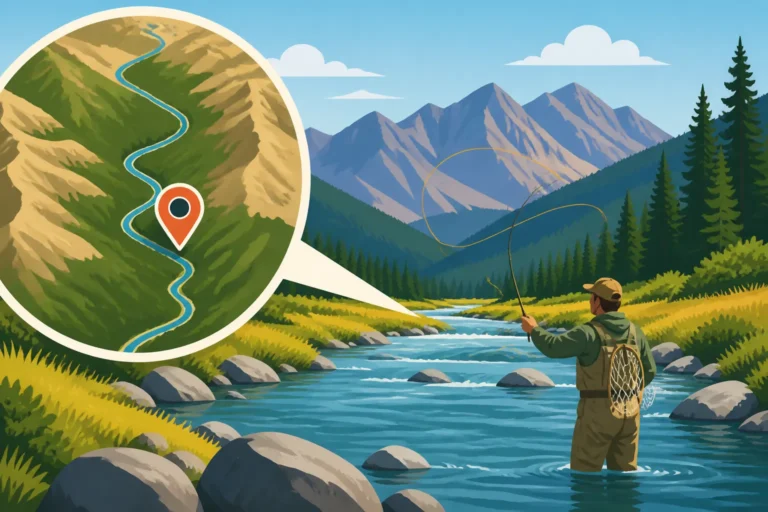
Finding accessible and productive water on the vast Colorado River can feel like a real treasure hunt, often complicated by private land, tricky terrain, or simply not knowing where to start. Many anglers spend precious time driving around, peering through fences, and consulting maps, only to end up frustrated. This guide is designed to cut through that confusion, focusing on the State Bridge area as a prime, public access point that unlocks fantastic fishing opportunities for both wade and float anglers, ensuring you spend less time searching and more time casting.
Why State Bridge is a Premier Access Point for the Colorado River
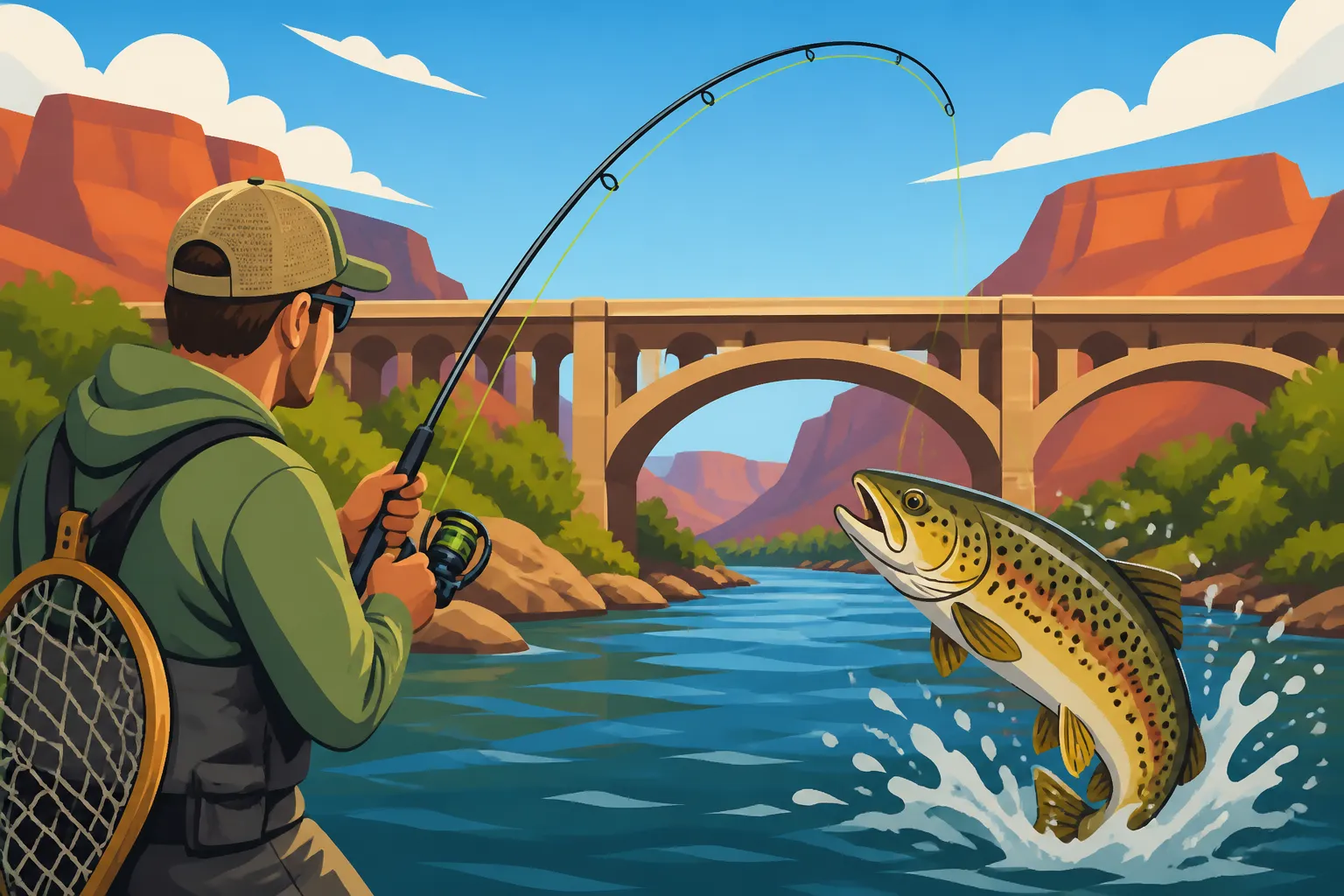
State Bridge isn't just a physical bridge; it's a landmark, a historic locale, and a pivotal gateway to some truly spectacular fishing on the Colorado River. Nestled in a more remote, rugged canyon between Kremmling and Dotsero, it offers a refreshing escape from the busier sections of the river. Its popularity stems from a combination of excellent public access, diverse fishing habitat, and a reputation for holding strong populations of trout.
One of the biggest advantages of State Bridge is the ample public land managed by the Bureau of Land Management (BLM) that surrounds the area. This means you’re not constantly worrying about trespassing or trying to decipher ambiguous property lines, a common frustration for anglers in other parts of Colorado. The public access makes it an ideal spot for anglers who prefer to wade fish, offering miles of riverbank to explore both upstream and downstream from the bridge itself. You can park your vehicle and set out on foot, discovering different runs, riffles, and pockets that hold trout.
Beyond wading, State Bridge is a well-known put-in and take-out for float trips. Many anglers utilize it as a starting point for a scenic and productive float downstream, or as a convenient midpoint for longer excursions originating further upstream near Kremmling. The Colorado River at this stretch flows through a beautiful canyon, providing not just excellent fishing but also breathtaking scenery that enhances the entire experience. Whether you’re launching a raft, a drift boat, or a kayak, the access points here are generally well-maintained and suitable for various watercraft. This makes it a hub for those looking to experience the river from a different perspective, covering more water and targeting fish in areas less accessible to bank anglers. If you're planning a float, remember to check with outfitters like Gore Canyon Whitewater Park for local conditions, especially during higher flows.
This section of the Colorado River is also often considered a transition zone. Upstream, towards Kremmling, you have a mix of Gold Medal Water and more open, ranching country. Downstream, the river picks up more volume and flows towards the famous Glenwood Canyon. State Bridge serves as a vital artery, connecting these different stretches and providing a unique blend of characteristics. The fish here benefit from diverse food sources and varied habitat, contributing to the healthy populations you'll find. For more on the wider river, check out our guide on Colorado River Fishing From Glenwood Canyon to Kremmling.
Understanding the Fishery and Species at State Bridge
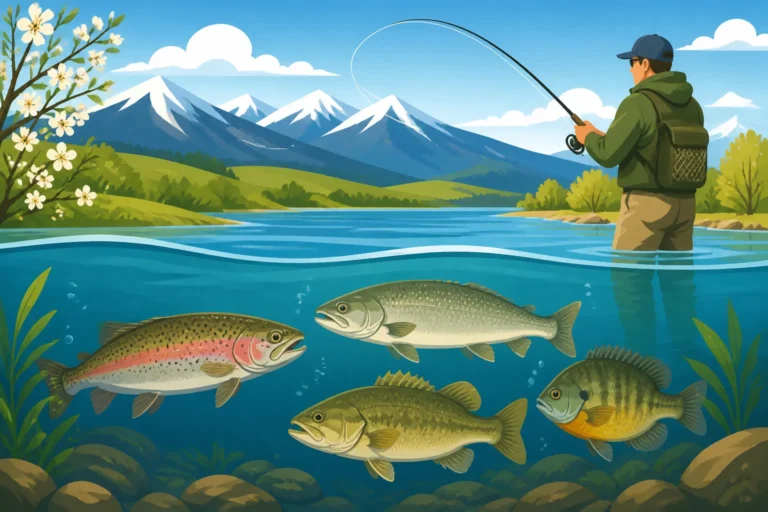
The Colorado River at State Bridge is primarily a cold-water fishery, teeming with trout. Anglers can expect to encounter a healthy mix of Brown Trout, Rainbow Trout, and often their hybrid offspring, Cutbows. Mountain Whitefish are also prevalent in this section, especially in deeper runs and pools, providing another interesting species to target.
Brown Trout are often the stars of this section, known for their aggressive strikes and strong fights. These wild fish thrive in the freestone environment of the Colorado River, holding in pocket water, under cut banks, and behind large boulders. They’re opportunistic feeders, and while they’ll readily take nymphs and dry flies, they’re particularly fond of streamers, especially larger patterns that mimic baitfish or sculpins. In the fall, during their spawning season, the brown trout become even more active, making it a prime time to target larger specimens. For a deeper dive into these elusive fish, read our post on Brown Trout in Colorado, Where They're Wild.
Rainbow Trout are also present, some wild and others a result of stocking programs. These beautiful fish often inhabit the faster, more oxygenated riffles and runs, eager to rise to dry flies during a hatch or aggressively take a well-presented nymph. Unlike browns, which tend to be more solitary, rainbows can often be found in groups, making it possible to hook into multiple fish once you locate a pod. The Colorado Parks and Wildlife (CPW) regularly stocks various waters across the state, and while the State Bridge area might see more natural reproduction, rainbows from nearby stocked sections can migrate into this area. Learn more about Rainbow Trout in Colorado, Where They're Stocked.
Mountain Whitefish are another common catch and are often mistaken for trout by less experienced anglers. They have a smaller, more downturned mouth and tend to hug the bottom, feeding on nymphs and other aquatic invertebrates. While not as prized as trout by some, they offer consistent action, especially when nymphing deep runs. They are excellent indicators of healthy river ecosystems.
The river's characteristics in the State Bridge area are typical of a freestone river, meaning it’s highly influenced by snowmelt and rainfall. You'll find a dynamic landscape of riffles, runs, deeper pools, and pocket water created by boulders and submerged structures. These diverse habitats provide holding lies for fish at various water levels and temperatures. During higher flows, fish will move into slower, more protected seams and eddies, while during lower flows, they might congregate in deeper pools. Understanding these characteristics is key to successful fishing here.
Access Points, Facilities, and Techniques at State Bridge
Accessing the Colorado River at State Bridge is relatively straightforward, which is part of its appeal. The main access point is located right near the historic State Bridge Lodge (or what's left of the old resort structures), which is situated off Colorado State Highway 131, a short drive from the I-70 corridor.
Specific Access Points:
- Wade Fishing: Directly around the bridge, both upstream and downstream, you'll find numerous spots to safely enter the water. The public lands on both sides of the river offer ample room to spread out. Look for gravel bars, slower current seams, and areas with submerged boulders. Anglers can often follow informal trails along the banks to find less pressured water. Parking is usually available in designated areas near the bridge.
- Float Trip Launch/Take-Out: There are established boat ramps suitable for rafts and drift boats. State Bridge is a popular launch for a day trip down to areas like Two Bridges or Burns, or as a take-out for a half-day float starting further upriver from places like Pumphouse Recreation Area. Always check current river conditions and gauge flows before attempting a float, as water levels can drastically change the river's character and safety.
Facilities:
While State Bridge is a somewhat remote area, there are basic amenities. You’ll typically find vault toilets and designated parking areas. As for lodging or food, the historic lodge itself no longer offers these services, so plan to be self-sufficient or look for accommodations in nearby towns like Kremmling, Radium, or Bond. Make sure to pack out everything you pack in, helping to preserve the pristine environment.
Fishing Techniques:
Fly Fishing:
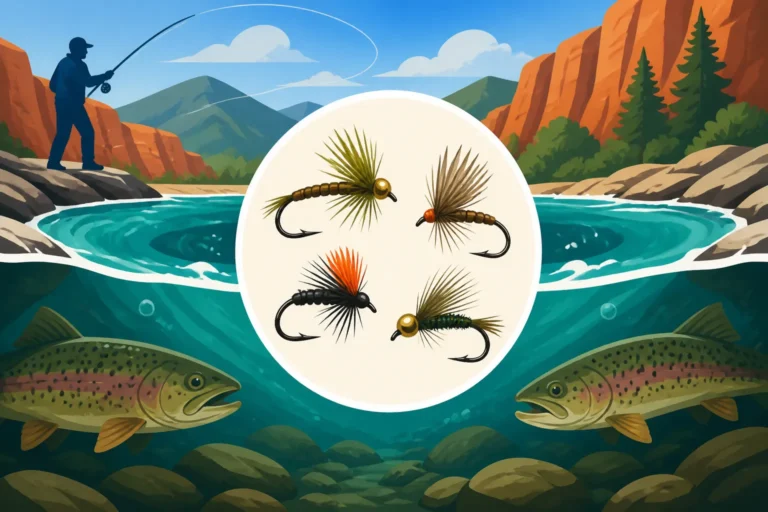
- Nymphing: This is often the most consistent method for catching trout on the Colorado River, especially at State Bridge. Trout here primarily feed sub-surface on aquatic insects. Popular patterns include stoneflies (Pat’s Rubber Legs, 20 Incher Stone), caddis larvae and pupae (Green Caddis Larva, Soft Hackle Caddis), mayfly nymphs (Pheasant Tail, Hare’s Ear), and midges (Zebra Midge, Black Beauty). Setting up a Nymph Rigs for Deep Tailwater Runs is crucial for getting your flies down to where the fish are holding in the deeper runs and pockets.
- Dry Fly Fishing: When hatches occur, dry fly fishing can be incredibly rewarding. Look for Caddis hatches in late spring and summer, Green Drakes and Pale Morning Duns (PMDs) in summer, and Blue-Winged Olives (BWOs) in spring and fall. Even when no specific hatch is apparent, attractor patterns like Royal Wulffs, Parachute Adams, or Chubby Chernobyls can entice aggressive browns and rainbows, especially during warmer months. Understanding the principles of Dry Fly Fishing Colorado's Freestone Rivers will greatly enhance your success.
- Streamer Fishing: For targeting larger brown trout, especially during lower light conditions or in the fall, streamer fishing is a deadly technique. Patterns like Woolly Buggers, Sculpzillas, or Sex Dungeons can provoke aggressive strikes from predatory browns. Vary your retrieve speed and depth until you find what triggers a bite. For tips on streamer selection, check out our guide on Best Flies for Colorado's Gold Medal Trout Water.
Spin Fishing:
- For those preferring spin tackle, the Colorado River at State Bridge offers excellent opportunities. Light to medium-light action rods are ideal.
- Lures: Small inline spinners (Mepps, Panther Martin), spoons (Kastmaster), or small crankbaits (Rapala, Rebel) can be very effective, especially when cast into deeper pools or along current seams. Target areas where current transitions into slower water.
- Bait Fishing: While many sections of the Colorado River are fly-and-lure-only, at State Bridge, you can use bait. Worms, PowerBait, or corn are common choices. Always check the specific regulations for the stretch you're fishing, as bait restrictions can vary. Fishing bait under a bobber or on the bottom with a small weight can be very effective, especially for recently stocked rainbows.
Navigating Regulations, Seasons, and Environmental Factors
Fishing at State Bridge requires adherence to Colorado Parks and Wildlife (CPW) regulations, which can sometimes be more complex than one might initially expect. It's not enough to simply have a license; understanding the specific rules for the section of river you're on is paramount to avoid fines and protect the fishery.
First and foremost, you absolutely need a valid Colorado fishing license. This applies to almost everyone over the age of 15. You can purchase these online through CPWShop.com, at most sporting goods stores, or even by phone. Familiarize yourself with the overall Colorado Fishing License Guide for Residents and Nonresidents to ensure you're covered. Don't risk fishing without one; the penalties for What Happens If You Fish in Colorado Without a License can be severe, including hefty fines and loss of fishing privileges.
Beyond the license, it’s critical to consult the most current Colorado fishing regulations brochure for the specific area around State Bridge. These brochures are available wherever licenses are sold and on the CPW website. Our article on Reading Colorado's Fishing Regulations Brochure can help you decipher the details. Pay close attention to:
- Bag and Possession Limits: These specify how many fish of each species you can keep per day and have in your possession. They can vary dramatically by water body and species.
- Length Limits: Some waters have minimum or maximum length limits for certain species to protect larger breeding fish.
- Bait Restrictions: While the State Bridge area of the Colorado River typically allows bait, some specific stretches, especially Gold Medal Waters, often have "flies and lures only" or "artificial flies and lures only" rules. Always double-check.
- Special Regulations: There might be specific regulations concerning the use of multiple rods (requiring a second-rod stamp), snagging, or species-specific rules for things like Kokanee salmon runs in other parts of the state.
Seasonal Challenges and Opportunities:
- Spring (March – May): This can be a challenging but rewarding time. Early spring might offer excellent nymphing before the dreaded runoff hits. As snowmelt begins in earnest, typically from late April into June, the river can become high, cold, and muddy due to When Colorado's Spring Runoff Hits and How to Fish Around It. During runoff, focus on slower eddies, backwaters, and seams, or target fish near the banks where the current is less intense. Large, dark nymphs and streamers are often effective as fish hug the bottom and rely on scent and vibration.
- Summer (June – August): Once runoff subsides and the water clears and drops, summer offers fantastic fishing. Dry fly fishing can be exceptional during morning and evening hatches of caddis, PMDs, and Green Drakes. Nymphing remains consistently productive. As the dog days of summer hit in August, water temperatures can rise. It’s best to fish early mornings or late evenings and avoid stressing trout in warm water.
- Fall (September – November): Many consider fall to be the prime fishing season on the Colorado River at State Bridge. Water temperatures cool, fish become very active, and the brown trout begin their pre-spawn feeding frenzy. Streamer fishing for large browns can be phenomenal. Blue-Winged Olive hatches provide excellent dry fly opportunities on cloudy days. The cooler temperatures also reduce angling pressure slightly compared to peak summer.
- Winter (December – February): Fishing becomes much slower in winter, but it's not impossible. The river generally remains open water at State Bridge, unlike many high-country lakes that freeze over for ice fishing. Focus on deep pools and slow runs, using small midge and baetis nymphs. Fish will be less active, so a slow, patient approach is key. Dress warmly and be prepared for icy banks. If you're exploring other waters during winter, check out our guide on How to Fish a Streamer at First Ice.
No matter the season, always check local conditions before heading out. Websites like the CPW streamflow data, local fly shop reports, or even dedicated platforms like FishingBooker often provide up-to-date information on water levels, clarity, and recent catches, which can be invaluable for planning your trip to State Bridge. These resources can give you a real-time snapshot of what to expect, helping you to adjust your approach and maximize your chances of success.
Here's a quick reference table for fishing at State Bridge:
| Season | Primary Techniques | Target Species | Key Considerations |
|---|---|---|---|
| Spring | Nymphing, Streamers (pre-runoff) | Brown Trout, Rainbow Trout | Runoff impacts, variable water levels |
| Summer | Dry Flies, Nymphing, Light Spin | Rainbow Trout, Brown Trout | Hatches, warmer water in late summer, early/late fishing |
| Fall | Streamers, Nymphing, Dry Flies (BWO) | Brown Trout (spawning), Rainbow Trout | Aggressive browns, cooler temps, stunning foliage |
| Winter | Nymphing (small patterns) | Brown Trout, Whitefish | Slow bites, deep water, cold weather, icy banks |
Disclaimer
The information provided in this guide is for general informational purposes only and is subject to change. Always consult the official Colorado Parks and Wildlife regulations and local authorities before fishing, as rules and conditions can vary and be updated frequently. Fishing inherently carries risks, and it is your responsibility to ensure your safety and adherence to all applicable laws.