Fishing the Arkansas River Through Salida
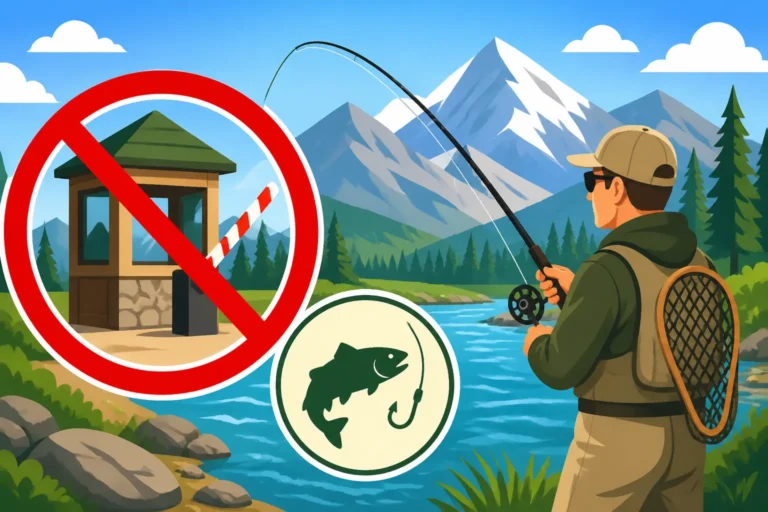
Trying to find a truly rewarding fishing experience in Colorado often feels like searching for a needle in a haystack, especially when you're looking for public access that's not overrun but still offers incredible angling opportunities. Many folks get frustrated sifting through generic advice, wondering where they can genuinely cast a line and have a great day. This comprehensive guide is here to cut through the noise, focusing specifically on how to successfully fish the majestic Arkansas River as it winds its way through the charming town of Salida.
Why the Arkansas River Through Salida is a Premier Fishing Destination
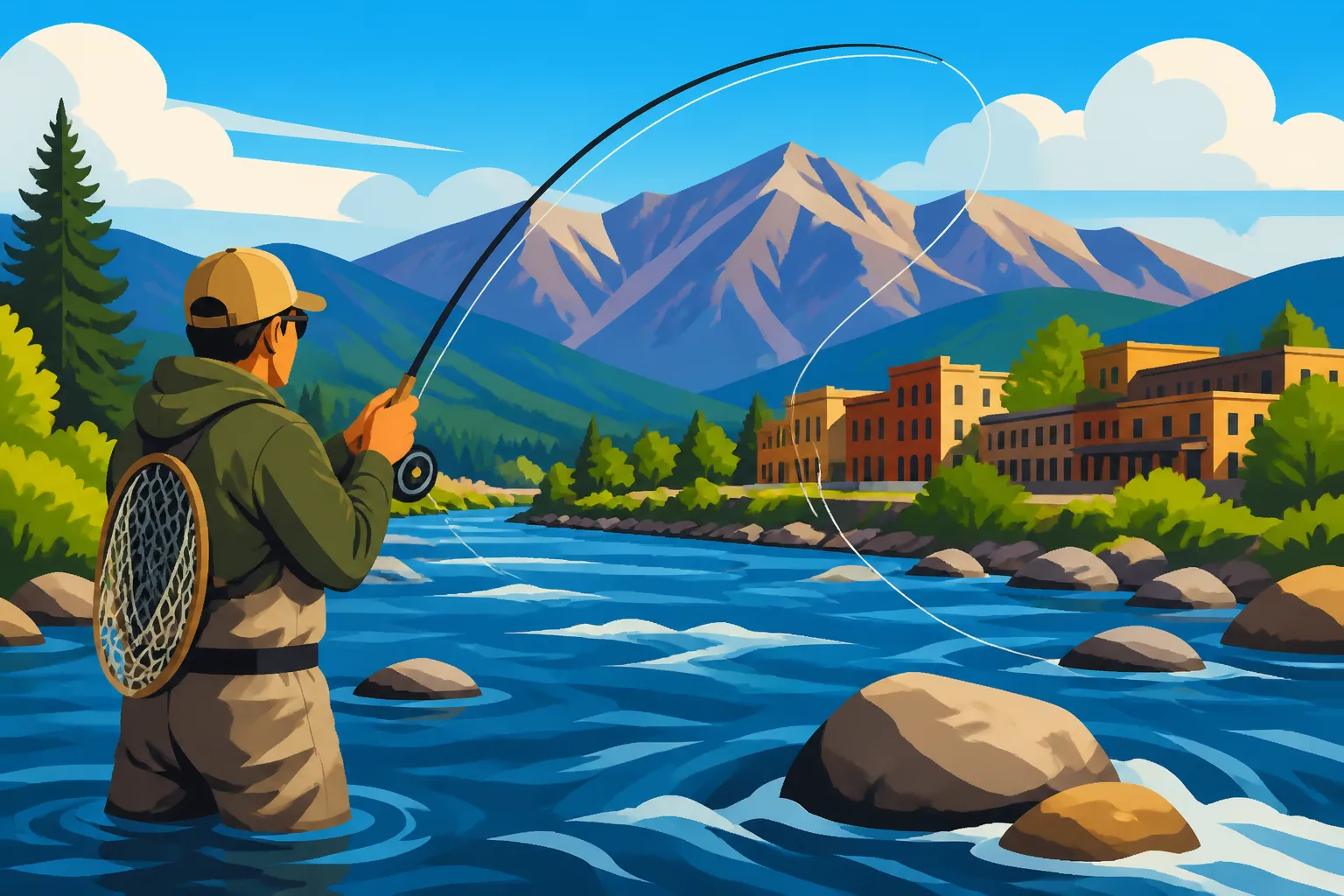
The Arkansas River, particularly the stretch near Salida, isn't just another pretty river; it's a vibrant, living ecosystem that consistently delivers some of the best trout fishing in Colorado. This section of the river is renowned for its diverse trout populations, stunning scenery, and relatively consistent flows, making it a favorite for both seasoned anglers and those just starting their fly-fishing journey. What often surprises people is just how accessible this world-class fishing can be, even within a bustling town like Salida.
A Gold Medal Water Experience
For many anglers, the phrase "Gold Medal Water" conjures images of pristine, remote rivers teeming with large, wild trout. The Arkansas River proudly holds this designation for significant stretches, including parts around Salida. This isn't just a fancy title; it's a testament to the exceptional quality of the fishing, indicating that the river consistently supports at least 60 pounds of trout per acre, with at least twelve 14-inch or larger trout per acre. When you're fishing here, you're not just hoping for a big fish; you're often expecting one.
This designation also comes with specific rules, which we'll delve into later, but it's crucial to understand that it signifies a commitment to maintaining a robust and healthy fishery. It means stricter regulations on things like bag and possession limits, and often, specific gear restrictions like flies and lures only, or even barbless hooks. Knowing that you're fishing in such a protected and productive environment definitely adds to the thrill, knowing that the efforts of Colorado Parks and Wildlife and local conservation groups are paying off in spades. If you're looking to dive deeper into these specifics, our guide on how to read Colorado's Gold Medal Water Regulations Explained can be really helpful.
Diverse Trout Populations and Healthy Ecosystem
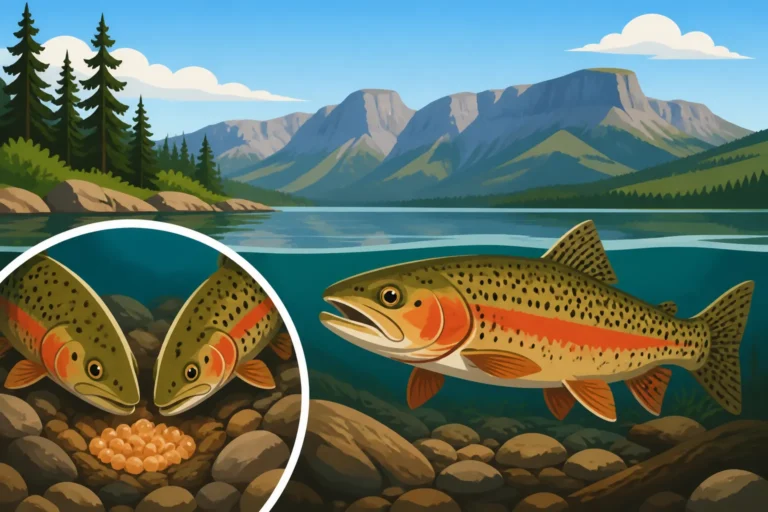
The Arkansas River near Salida is a true melting pot of trout species. While rainbow trout are regularly stocked by Colorado Parks and Wildlife, especially in easily accessible areas, the river is also home to robust populations of wild brown trout. These wild browns are typically more wary, offering a challenging but incredibly rewarding experience for anglers. You might also encounter a few cutthroat trout, though they are less common in the main stem compared to smaller, higher-elevation tributaries.
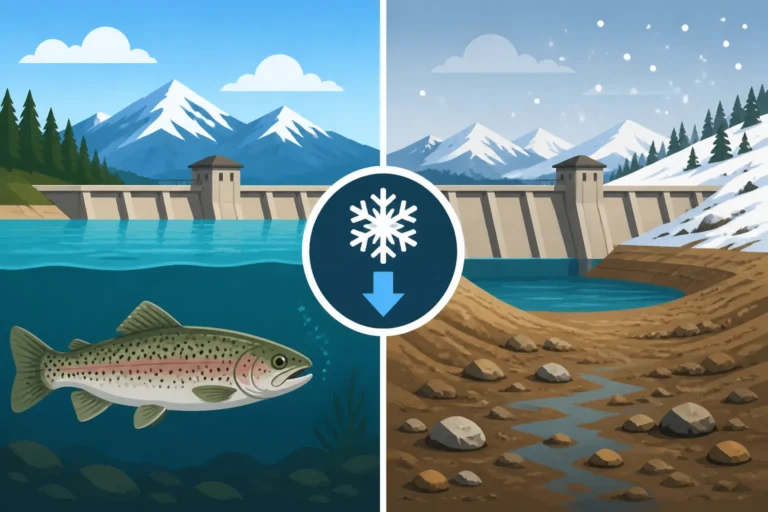
The health of this ecosystem is a huge part of its appeal. The river's consistent flows, fed by snowmelt from the surrounding Collegiate Peaks, provide excellent habitat. Insect life is abundant, supporting strong hatches of Caddis, Stoneflies, and Mayflies throughout the year, which in turn fuels the trout population. This natural food source is what allows the fish to grow to impressive sizes and why they are often so feisty when hooked. It's a testament to how well the river is managed and preserved, allowing nature to truly thrive.
Navigating Access Points and Prime Fishing Zones in Salida
One of the greatest advantages of fishing the Arkansas River through Salida is the sheer amount of public access. Unlike some other Gold Medal stretches that require long hikes or private land access, Salida offers numerous spots where you can literally park your car and be casting within minutes. However, knowing where to go and what to expect at each spot can make all the difference between a frustrating day and a fantastic one.
Popular Riverside Parks and Public Access Points
Within Salida itself, several well-maintained parks and public easements provide easy access to the river. These spots are often bustling with activity, especially on weekends, but the fishing can still be phenomenal if you know when and how to approach them.
- Riverside Park: Located right in the heart of downtown Salida, Riverside Park is probably the most iconic access point. It's a hub for rafters, kayakers, and families, but don't let the activity fool you. The river here holds plenty of fish, especially in the deeper runs and pockets created by the town's whitewater park features. It’s perfect for a quick morning or evening session, or even a lunch break cast. You'll often find anglers nymphing the seams or trying dry flies during a hatch.
- F Street Bridge and Nearby River Walks: Just downstream from Riverside Park, the F Street Bridge offers another excellent entry point. There are various paved and dirt paths that follow the river, providing miles of walk-wade opportunities. Look for slower eddies, undercut banks, and current seams where trout love to hold. These areas are great for those who prefer to explore a bit more without venturing too far from town amenities.
- Behind the FBO (Fixed Base Operator) at the Airport: A less obvious but often rewarding spot is the public land behind the Salida Airport (KALS). This area provides a more secluded feel compared to downtown, with good opportunities to wade or bank fish. It’s a great option if you’re looking to escape some of the crowds, especially during peak season. Access typically involves parking near the airport and walking towards the river.
Remember, even in public access areas, being mindful of other users is key. Kayakers and rafters have the right-of-way, and a friendly wave often goes a long way!
Beyond Town: Extended Stretches for Exploration
While Salida's in-town access is fantastic, the Arkansas River truly opens up on the stretches immediately upstream and downstream of town. These areas often offer a more classic "river fishing" experience with fewer urban distractions.
- Upstream Towards Browns Canyon: As you head upstream from Salida towards Buena Vista, you enter some truly spectacular water, including the lower stretches of Browns Canyon National Monument. Public access becomes a bit more spread out but is available at designated recreation sites and BLM land. This is prime water for both wade and float fishing. You'll find more riffles, runs, and deep pools here. Consider checking out areas like the Hecla Junction or the public land near Rincon. The scenery is absolutely breathtaking, making the fishing experience even more memorable. For a deeper dive into fishing in this general area, our guide on Fishing the Arkansas River Near Buena Vista might offer some useful context.
- Downstream Towards Howard and Cotopaxi: Heading downstream from Salida, the river character changes, becoming a bit more winding and often less crowded. There are several Bureau of Land Management (BLM) access points and campgrounds that offer excellent fishing. Look for pull-offs and signs indicating public access. This stretch can be particularly good for finding larger brown trout that prefer the quieter, more secluded waters. It's an ideal area for anglers who enjoy solitude and are willing to do a bit more exploring.
When venturing out of town, always consult a good map (like Colorado Parks and Wildlife's online Fishing Atlas) to confirm public vs. private land boundaries. Understanding How Colorado's Fishing Atlas Shows You important details can save you a lot of guesswork.
| Access Point | Location Type | Primary Access | Crowds (Peak Season) | Notes |
|---|---|---|---|---|
| Riverside Park | Downtown Salida | Walk-Wade | High | Easy access, good for quick sessions, whitewater features create holding water. |
| F Street Bridge / Riverwalks | Downtown Salida | Walk-Wade | Medium | Miles of accessible river, varied water types, good for exploring. |
| Salida Airport (FBO) | Just West of Town | Walk-Wade | Low-Medium | More secluded, less pressure, can involve a short walk. |
| Hecla Junction | Upstream (Browns Canyon) | Walk-Wade/Float | Medium-High | Scenic, excellent Gold Medal water, popular for rafters. |
| Downstream BLM Access | East of Salida | Walk-Wade | Low | Good for solitude, larger browns, requires more exploration. |
Best Times, Techniques, and Essential Gear for Arkansas River Trout
Fishing the Arkansas River through Salida can be fantastic year-round, but success often hinges on understanding seasonal changes, water conditions, and adapting your techniques accordingly. From the icy grip of winter to the roaring flows of spring runoff, each season presents unique opportunities and challenges.
Seasonal Strategies for Success
- Spring (March – May): Early spring can offer some incredible fishing as trout become more active after winter. Nymphing is often the most productive method, targeting deeper runs and slow eddies. As the weather warms, hatches of Blue-Winged Olives (BWO's) and early Caddis can bring fish to the surface, especially on cloudy days. However, be prepared for spring runoff, which typically peaks in late May or early June. During runoff, the river can become high and muddy, making fishing challenging. Focus on smaller tributaries or high-altitude lakes during this time, or target slower pockets along the main river. Knowing When Colorado's Spring Runoff Hits and How to Fish Around It is crucial for planning your spring trips.
- Summer (June – August): Once runoff subsides and the river clears and drops, summer is prime time for dry fly fishing. Caddis, PMDs (Pale Morning Duns), and terrestrial patterns like grasshoppers and ants become incredibly effective. Mornings and evenings are often best, as midday sun can push trout into deeper, shadier lies. Look for fish rising in slower pools and riffles. Spin anglers can do very well with small spinners and spoons during this period, especially in faster water.
- Fall (September – November): This is arguably one of the best times to fish the Arkansas near Salida, especially for larger brown trout. As water temperatures cool and brown trout begin their spawning rituals, they become more aggressive. Streamer fishing can be incredibly effective, mimicking baitfish. You'll also see excellent hatches of larger BWO's and Midges, offering dry fly opportunities. The autumn colors against the river create an unforgettable backdrop. Learn more about Brown Trout Spawning Season in Colorado to understand their behavior during this exciting time.
- Winter (December – February): Don't let the cold deter you! Winter fishing on the Arkansas can be surprisingly productive, especially on warmer, sunny days. The fish are concentrated in deeper, slower pools, and their metabolism slows, but they still need to eat. Midge patterns, small nymphs, and even tiny egg patterns are often the ticket. Low and clear water conditions mean stealth and delicate presentations are key. It's a great time for solitude on the river.
Go-To Techniques and Fly/Lure Choices
Regardless of the season, understanding the core techniques will boost your success on the Arkansas River.
- Nymphing: This is often the most consistent technique, especially during colder months or when fish aren't actively rising. Using an indicator to detect subtle takes, drift an assortment of weighted nymphs through runs and pools. Popular patterns include:
- Pheasant Tail Nymphs: A classic for a reason, mimicking many aquatic insects.
- Hare's Ear Nymphs: Another versatile pattern.
- Green Caddis Larvae/Pupae: Caddis are abundant here.
- Stonefly Nymphs: Pat's Rubber Legs or 20 Incher Stoneflies, especially in spring.
- Midges: Zebra Midges, larva, or pupa patterns in sizes 18-22 for winter.
For more detailed setup, consider reading up on Nymphing Techniques for Colorado Tailwaters, many of which apply to freestone rivers like the Arkansas.
- Dry Fly Fishing: The thrill of seeing a trout rise to your dry fly is unmatched. During hatches, "matching the hatch" with accurate imitations is key.
- Caddis: Elk Hair Caddis, X-Caddis in sizes 14-18.
- Mayflies: Parachute Adams (a general attractor), BWO patterns (18-22), PMD patterns (16-20).
- Terrestrials: Hoppers (Chubby Chernobyl, Stimulator), Ants, Beetles in summer and early fall.
Our guide on Dry Fly Fishing Colorado's Freestone Rivers offers more insight into this exciting method.
- Streamer Fishing: Targeting larger, aggressive brown trout, especially in fall or during off-color water. Strip large, flashy patterns through deeper pools and across current seams.
- Wooly Buggers: Black, olive, brown, white in sizes 4-10.
- Sculpzillas/Sex Dungeons: Larger, articulated patterns for trophy fish.
- Spin Fishing: Don't feel like you have to fly fish to enjoy the Arkansas. Spin anglers can be very successful with small lures.
- Inline Spinners: Mepps Aglia, Panther Martin in sizes 0-2, brass or silver blades.
- Small Spoons: Kastmasters or Crocodiles in 1/8 to 1/4 oz, silver or gold.
- Soft Plastics/Jigs: Small grub-style plastics on jig heads, especially effective for stocked rainbows.
Remember to always check local regulations regarding bait restrictions. Some Gold Medal sections require artificial flies and lures only, or even barbless hooks. Our guide on Colorado Bait Restrictions and Where They Apply provides important details.
When it comes to gear, a 9-foot, 5-weight fly rod is a versatile choice for the Arkansas. Spin fishers will do well with a light-action rod and 4-6 lb test line. Waders are essential for accessing many parts of the river, even in summer, as the water is cold. A good pair of polarized sunglasses will help you spot fish and navigate rocky bottoms.
If you're looking for an expert to guide you through these waters, especially if you're new to the area or new to a specific technique, considering a local guide is a fantastic idea. Platforms like FishingBooker can help you find and compare experienced guides in the Salida area who specialize in Arkansas River trout fishing. They can provide all the necessary gear and local knowledge to make your trip a success.
Essential Regulations and Responsible Angling Practices
Fishing the Arkansas River, especially in a popular area like Salida, comes with a responsibility to understand and abide by Colorado's fishing regulations. These rules are in place to protect the fishery and ensure it remains exceptional for future generations. Ignoring them not only risks hefty fines but also harms the resource we all cherish.
Understanding Colorado Fishing License Requirements
Before you even think about wetting a line, you need a valid Colorado fishing license. This is non-negotiable for anyone aged 16 and older. Licenses can be purchased online through the Colorado Parks and Wildlife (CPW) website, at numerous sporting goods stores like Walmart or local fly shops, or even over the phone. Make sure to understand the different types of licenses available, such as annual, one-day, or five-day options, to choose what best fits your trip. Our detailed guides like the Colorado Fishing License Guide for Residents and Nonresidents and Colorado Fishing License Costs Explained can help clarify your options.
In addition to your fishing license, most adult anglers (ages 18-64) will also need to purchase a Habitat Stamp. This stamp contributes significantly to wildlife conservation efforts across the state and is mandatory for most license holders. If you're wondering Do You Need a Habitat Stamp to Fish in Colorado?, the answer is usually yes, unless you fall into specific age categories. It's a small fee that makes a big difference.
Specific Regulations for the Arkansas River
While the general statewide regulations apply, certain stretches of the Arkansas River, particularly those designated as Gold Medal Waters, have special rules. It is absolutely critical to consult the current Colorado Parks and Wildlife fishing brochure or their online regulations before you fish. These rules can change annually, so relying on old information is a common mistake.
Key regulations to look out for on the Arkansas River through Salida and its Gold Medal sections often include:
- Artificial Flies and Lures Only: Many Gold Medal segments prohibit the use of bait (worms, powerbait, corn, etc.). This means only flies, spinners, and spoons without added bait are allowed.
- Barbless Hooks: To minimize harm to fish, barbless hooks are frequently mandated in Gold Medal waters. This makes catch-and-release much safer for the fish. If your hooks are barbed, simply crimp them down with a pair of pliers. Our guide on Barbless Hook Rules on Colorado Rivers explains this in detail.
- Catch-and-Release or Restricted Bag Limits: While some stretches may be entirely catch-and-release, others might have very specific bag and possession limits, such as one trout over 16 inches, or a certain number of brown trout. Always check the specifics for the exact stretch you plan to fish. You can look at our Colorado Bag and Possession Limits by Species for general information, but always cross-reference with the specific river regulations.
It's also important to be aware of the "14-inch Trout Length Rule" that applies in many Gold Medal waters, meaning fish under a certain size must be released, but again, always verify for the specific water you are fishing.
Practicing Responsible Angling and Local Etiquette
Beyond the rules, there's a certain etiquette that makes fishing enjoyable for everyone and helps preserve the resource.
- Leave No Trace: Pack out everything you pack in, and then some. This includes old fishing line, bait containers, and any other trash.
- Respect Private Property: Even with abundant public access, there are still private lands along the Arkansas. Always know where you are and avoid trespassing. If you're unsure, it's best to err on the side of caution.
- Wade Wisely: While wading is a fantastic way to access the river, be mindful of spawning beds (redds), especially in fall for brown trout. Avoid disturbing these areas. Also, be careful not to muddy the water for anglers downstream.
- Handle Fish with Care: If you are practicing catch-and-release, minimize the time fish are out of the water. Use wet hands to handle them, avoid squeezing, and revive them gently in the current until they swim away strongly. The survival rate of trout is directly linked to how carefully they are handled.
- Be Considerate of Other Anglers: The Arkansas can get busy. Give fellow anglers plenty of space. If you see someone fishing a run, don't crowd them. A friendly conversation can often lead to shared knowledge and a better experience for all.
- Consider a Guide: For those new to the area, or even new to certain techniques, hiring a local guide can be invaluable. Guides know the river, the regulations, and the best techniques. They are also passionate about teaching and conserving the fishery. You can easily search for reputable local guides and compare options through a service like FishingBooker, which lists many experienced professionals in the Salida region. They can often provide all the gear, flies, and insights you'll need, making your trip stress-free and productive.
By adhering to these regulations and practicing responsible angling, you're not just ensuring your own enjoyable trip, but you're actively contributing to the health and beauty of the Arkansas River for countless others who come after you.
Disclaimer
The information provided in this guide is for general informational purposes only and does not constitute legal or professional advice. Fishing regulations in Colorado can change frequently. Always consult the most current Colorado Parks and Wildlife regulations brochure or website before engaging in any fishing activities. Adherence to all local, state, and federal laws and regulations is the sole responsibility of the individual angler.