Best Season to Book a Guide on the Gunnison River
Figuring out the absolute best time to book a guided fishing trip on Colorado's legendary Gunnison River can feel like trying to hit a moving target. You've heard the stories, seen the photos of massive trout, and now you're itching to experience it yourself. But with the river's dynamic nature and Colorado's distinct seasons, many anglers struggle to pinpoint when to commit to a guide, worrying about hitting runoff, missing a key hatch, or battling crowds. This comprehensive guide is here to unravel the mysteries of the Gunnison's fishing seasons, helping you choose the perfect time to secure that expert guide and ensure an unforgettable experience on this world-class fishery.
Understanding the Gunnison River's Seasons for Guided Trips
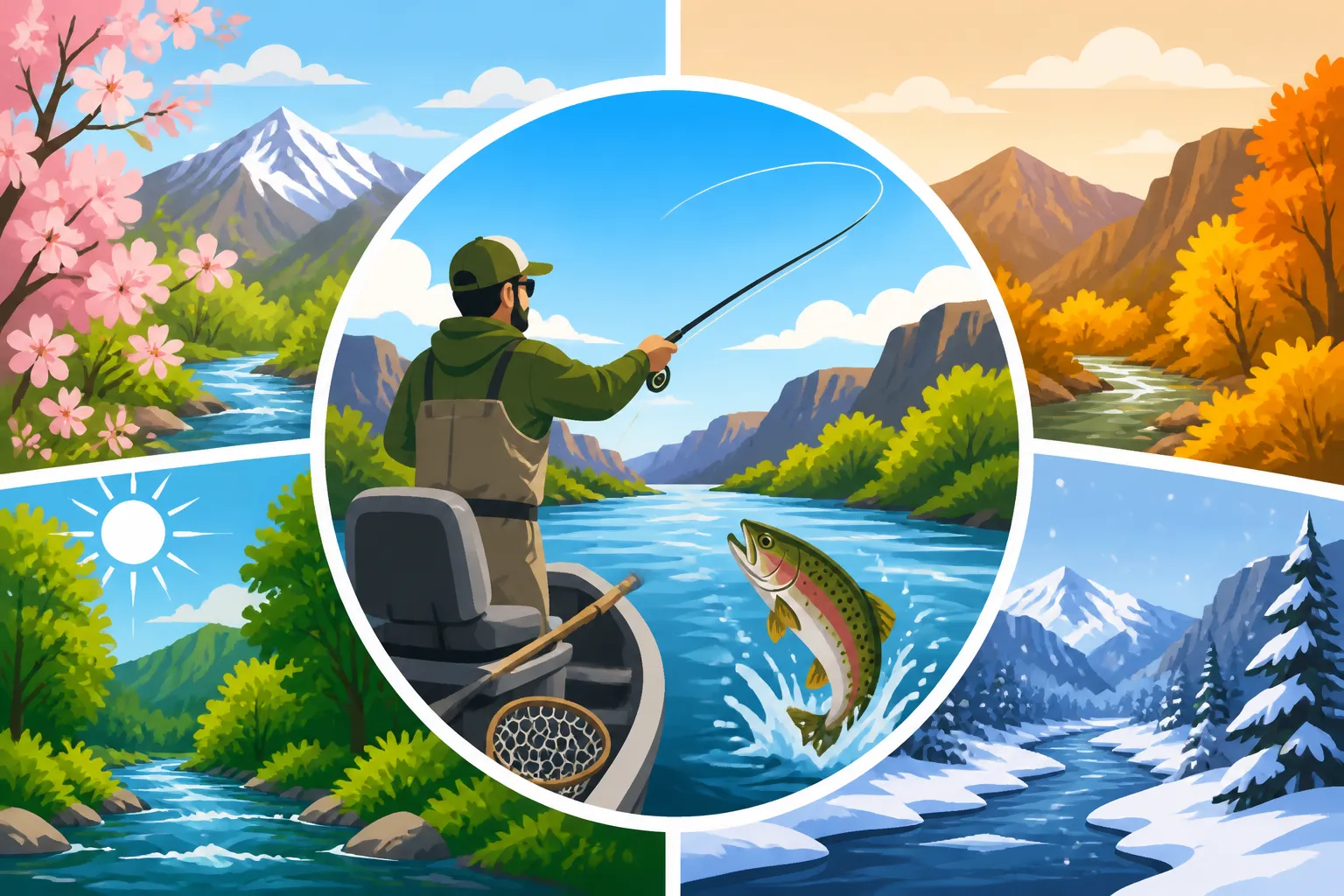
The Gunnison River, from its headwaters near Almont all the way down through the Black Canyon, is a truly remarkable fishery, but it's also a river that changes dramatically with the seasons. What's fantastic in May might be a completely different ballgame in August or November. Understanding these seasonal shifts is crucial for knowing when you'll have the best shot at your dream trip, and when to book a guide who knows how to navigate whatever conditions Mother Nature throws at you.
Spring: The Promise and the Peril of Runoff
Ah, spring in Colorado! It brings the promise of warmer weather, longer days, and eager trout. For the Gunnison, specifically the upper sections near Almont, spring can offer some absolutely incredible fishing opportunities before the full force of runoff arrives. This is often when the fish are hungry after a long winter, and hatches can start to pop, bringing trout to the surface for dry flies. You might find fantastic midge and BWO hatches in early to mid-spring, and the fish can be quite aggressive.
However, the major challenge of spring, especially on a large freestone river like the Gunnison, is predicting and navigating runoff. When Colorado's Spring Runoff Hits and How to Fish Around It is a common concern. As the high-country snowpack melts, the river swells, becomes turbid, and can be incredibly difficult to fish. For a guided trip, this means your guide will be doing a lot more than just showing you where to cast; they'll be using their deep knowledge to find pockets of fishable water, perhaps targeting slower seams or even shifting focus to nearby tailwaters if the main river is blown out. If your heart is set on spring, aim for late April or early May, but be prepared for potential high water. A good guide will have contingency plans and still find fish, but it won't be the classic "walk and wade" experience you might envision.
Summer: Peak Season and What That Means
Summer on the Gunnison River is, for many, the quintessential Colorado fishing experience. The days are long and warm, the hatches are often diverse, and the landscape is lush and vibrant. This is when you'll find everything from prolific caddis hatches to larger stoneflies, and trout are generally very active. The main stem of the Gunnison, especially the Gold Medal Water below Blue Mesa Reservoir, really comes alive. Fishing Colorado's Gunnison River and the Black Canyon offers some truly epic float trip opportunities during this time, allowing guides to cover vast stretches of water.
However, "peak season" also means more anglers. If you're planning a trip between mid-June and mid-August, you absolutely must book your guide well in advance. Guides' calendars fill up incredibly fast during this window, sometimes a year out, especially for prime weekend dates. While the fishing can be superb, you'll likely share the water with more fellow enthusiasts, both guided and unguided. Despite the crowds, a skilled guide will still work hard to put you on fish, often knowing lesser-known spots or timing their floats to avoid the heaviest traffic. The experience is often phenomenal, but the trade-off can be less solitude.
Fall: Trophy Browns and Cooler Temperatures
For many seasoned Colorado anglers, myself included, fall is the undisputed champion season for fishing the Gunnison River, particularly if you're chasing trophy brown trout. As the aspens turn brilliant gold and scarlet, the air cools, and the river begins to drop and clear from summer flows, the big browns start to get aggressive. They're bulking up for winter, and more importantly, they're preparing for their spawning run. Brown Trout Spawning Season in Colorado is a critical time for these impressive fish.
October and early November are prime for throwing streamers and larger nymphs, often targeting those elusive, larger fish that are more active. The crowds typically thin out after Labor Day, offering a more peaceful experience while still enjoying excellent fishing. Weather can be a bit more unpredictable, with crisp mornings giving way to pleasant afternoons, but you'll need to pack layers. A guided trip in the fall focuses heavily on strategic nymphing and streamer fishing, often in slower, deeper holes where those big browns tend to hold. If a true trophy brown is on your bucket list, fall is your season. Booking ahead is still smart, especially for those early October dates, as guides know just how magical this time of year can be.
Winter: Tailwater Tactics and Solitude
Winter on the Gunnison River, specifically the tailwater below Blue Mesa Dam, offers a unique and often incredibly rewarding experience for the hardy angler seeking solitude. While much of Colorado's freestone water might be frozen or too cold to fish effectively, the consistent water temperatures of the tailwater keep the trout active and feeding year-round. This is definitely a time for technical nymphing, often with tiny midge patterns, but it can yield some truly impressive fish. Winter Fishing on Colorado's Tailwaters means embracing the cold, but being rewarded with less competition and often very healthy, hard-fighting trout.
Guided trips in winter typically focus on walk-and-wade fishing in the Gold Medal stretches, meticulously working runs and seams. The scenery can be breathtakingly beautiful, with snow-dusted canyon walls and a quiet that's hard to find in other seasons. You'll need appropriate cold-weather gear, and your guide will be an expert at reading the subtle takes that characterize winter nymphing. While not for everyone, for those who appreciate the challenge and the tranquility, a winter guided trip on the Gunnison can be profoundly satisfying. Booking is usually easier than in summer, but still recommended, especially if you have specific dates in mind, as fewer guides specialize in winter trips.
| Season | Typical Conditions | Primary Fishing Methods | Crowd Levels | Booking Urgency |
|---|---|---|---|---|
| Spring (April-May) | Variable: Pre-runoff excellent, Post-runoff high/turbid | Nymphing, some dry flies, streamer fishing during runoff | Moderate to High | Medium to High |
| Summer (June-Aug) | High, consistent flows; warm water; diverse hatches | Dry flies, nymphing, streamers | Very High | Very High |
| Fall (Sept-Nov) | Dropping flows; cooling temps; clear water; peak brown spawn | Streamers, nymphing; some late dry flies | Low to Moderate | High |
| Winter (Dec-March) | Low, clear flows; cold water; consistent tailwater temps | Technical nymphing (midges) | Low | Medium |
Factors Influencing Your Booking Decision
Beyond just the seasonal changes, several personal preferences and practical considerations will heavily influence the "best" season for you to book a guided trip on the Gunnison. Thinking through these points before you start reaching out to outfitters will help you narrow down your ideal window.
What Kind of Fishing Experience Are You Chasing?
This is perhaps the most important question to ask yourself. Are you dreaming of big, aggressive brown trout ripping line off your reel? Then fall, with its streamer fishing opportunities and Brown Trout Spawning Season in Colorado, might be your ideal. If you're a dry fly purist who lives for seeing a trout rise to a perfectly presented imitation, then late spring or summer, when insect hatches are at their peak, is likely your sweet spot. Perhaps you're less concerned with species or technique and more about the experience – a peaceful float through a stunning canyon, away from the hustle and bustle. In that case, an early fall or even a winter walk-and-wade trip might be more appealing.
Consider also your skill level. If you're a beginner, a guide in the summer can often make the learning curve smoother, as conditions are generally more forgiving and fish are actively feeding. If you're an experienced angler looking for a technical challenge, then the low, clear waters of winter or the strategic fishing during runoff in spring could be exactly what you're looking for. Guides on the Gunnison are incredibly versatile and can tailor trips to your preferences, but knowing what kind of day you envision will help them suggest the optimal time of year.
Navigating Crowds and Availability
Let's be real: nobody likes feeling crowded on the river. The Gunnison, being a Gold Medal fishery, is deservedly popular. This means that certain times of the year are simply busier than others. As discussed, summer is peak season, and you'll encounter more anglers. If solitude is a high priority for you, then opting for a trip in the shoulder seasons (late spring, early fall) or even winter will significantly increase your chances of having long stretches of river to yourself.
The flip side of crowds is guide availability. Top guides and outfitters book up incredibly fast, especially for prime dates. If you're looking for a specific guide or have limited flexibility in your travel dates, booking as far in advance as possible is non-negotiable. How Far in Advance to Book a Colorado Fishing Guide often means months, or even a year, for peak summer or fall weekends. Waiting until the last minute dramatically reduces your options, potentially leaving you with less experienced guides or no availability at all. Platforms like FishingBooker can sometimes help you see available dates across multiple guides, but even there, popular slots go quickly.
Budgeting for Your Guided Gunnison Adventure
While a guided trip is an investment in an incredible experience, budgeting is a practical concern for most of us. Generally speaking, guide rates tend to be fairly consistent throughout the year, but what can change is the value you perceive. A summer trip, while potentially busier, offers abundant hatches and pleasant weather. A winter trip might be colder, but the solitude and unique challenge could be worth every penny.
It's important to understand What's Included in a Colorado Guided Fly Fishing Trip when you're looking at costs. Most guides include flies, leaders, and often lunch or snacks. Some may include waders, boots, and rods, which can be a huge help if you're flying in or new to the sport. While prices don't usually fluctuate by season, the demand does. This means that during less popular times like winter, you might find more flexibility in scheduling or a guide willing to customize a trip even more to your liking. Always get a clear understanding of the costs and what's covered upfront. Remember to factor in a tip for your guide as well; Tipping a Colorado Fishing Guide, What's Standard is an important part of showing your appreciation for their hard work.
Practical Advice for Booking Your Gunnison Guide
Now that you've considered the seasons and your personal preferences, it's time to get down to the nitty-gritty of securing your guided trip on the Gunnison. A little planning and clear communication will go a long way in ensuring a smooth and successful outing.
When to Book for Each Season
Timing your booking is almost as important as timing your trip itself. Here’s a general guideline for when to book based on the season you’re targeting:
- Summer (June-August): This is the busiest time, hands down. If you want a specific date, particularly a weekend or holiday, you should be booking 6 to 12 months in advance, or even more. Seriously, guides' calendars fill up fast. Even if you're flexible, booking 3-4 months out is a minimum.
- Fall (September-November): Especially for those coveted early fall dates with prime brown trout action and vibrant foliage, aim to book 4-6 months out. Later fall, into November, might have slightly more flexibility, allowing you to book 2-3 months ahead.
- Spring (April-May): Because of the uncertainty surrounding runoff, spring can be a bit more unpredictable. If you're aiming for early spring (April), booking 2-3 months out is usually sufficient. For May, especially if you're hoping to hit that pre-runoff sweet spot, 3-4 months out is a safer bet. Keep in mind that conditions can change rapidly, and your guide might suggest alternate plans closer to the date.
- Winter (December-March): This is generally the easiest time to find availability. Booking 1-2 months out is often fine, though if you want a specific holiday week or a popular guide, give yourself 3 months. The smaller number of guides who regularly operate in winter means their schedules, while less crowded overall, can still have specific popular dates.
Remember, the sooner you book, the more options you'll have for guides, dates, and even specific types of trips (e.g., full-day float vs. half-day wade).
Key Questions to Ask Your Guide
Once you've identified a few potential guides or outfitters, don't hesitate to ask questions. This is your trip, and a good guide will appreciate your thoroughness. Here are some essential questions:
- What are the typical conditions for the time of year I'm considering? (This shows you're doing your homework and helps manage expectations, especially regarding runoff or potential low water.)
- What species and techniques will we primarily be targeting? (Confirm if their approach aligns with your goals, e.g., dry fly, nymphing, streamers.)
- What's included in the trip price? (Flies, leader, tippet, lunch, drinks, gear rental? Make sure there are no surprises.)
- What should I bring or wear? (Beyond the obvious, they might have specific recommendations for layers, sun protection, or footwear.)
- What is your cancellation policy? (Crucial in case of unforeseen circumstances, yours or theirs.)
- Do you have contingency plans if the weather or river conditions are unfavorable? (A sign of a prepared, experienced guide who prioritizes your experience.)
- Are you licensed and insured? (Reputable guides and outfitters always are. You can check with Colorado Parks and Wildlife for details on Colorado Fishing Regulations Every Angler Should Know and guide requirements.)
Platforms like FishingBooker often allow you to send messages directly to guides, making these conversations easy before committing. Don't be shy about getting all your questions answered.
Exploring Booking Platforms and Local Outfitters
You have a few avenues when it comes to booking your Gunnison River guided trip.
- Directly with Local Fly Shops and Outfitters: Many local fly shops in towns like Gunnison and Almont operate their own guide services. They have an intimate, day-to-day knowledge of the river and its conditions. This is a fantastic way to support local businesses and often build a relationship with a guide for future trips. You can call them directly, or visit their websites. They'll know exactly what's biting, where the fish are, and which stretches are fishing best. For example, Guided Trips on the Gunnison River Near Almont would best be booked through outfitters in that specific area.
- Online Booking Platforms: Websites like FishingBooker consolidate many independent guides and outfitters into one searchable platform. This can be great for comparing availability, reading reviews, and getting a sense of different guide's specialties. It offers convenience, especially if you're trying to compare options across different regions or simply want a quick way to see who has openings. Just be sure to still do your due diligence and ask those key questions.
- Word-of-Mouth and Referrals: Sometimes the best guide comes from a recommendation from a friend or fellow angler. Ask around in online fishing forums, local fishing clubs, or even at your favorite fly shop back home. A personal referral can often lead you to an exceptional, hidden gem of a guide.
No matter how you book, securing your Colorado fishing license and any necessary stamps (like Colorado's Habitat Stamp, Explained or Colorado's Second-Rod Stamp and Who Needs One) before your trip is essential. Your guide will expect you to have these, and often, they can't be purchased on the river.
Ultimately, the "best" season to book a guide on the Gunnison River is the one that aligns most closely with your personal fishing goals and expectations. Whether you dream of summer dry fly action, fall's trophy browns, or winter's solitude, the Gunnison offers incredible opportunities year-round. With a little planning and the insights above, you'll be well on your way to a fantastic guided adventure.
Disclaimer
This article is for general informational purposes only and does not constitute professional advice. Laws, prices and regulations vary by location and change over time. Consult a qualified professional for guidance on your specific situation.