What to Bring on a Half-Day Colorado Fishing Trip
Planning a half-day fishing trip in Colorado can feel like a puzzle, especially when you're trying to figure out what absolutely needs to come with you and what can be left behind to keep things light. It's easy to get overwhelmed by all the gear options out there, or worse, to forget something crucial that derails your entire outing. This guide is here to cut through that clutter, focusing on the essentials and practical considerations so your short time on the water is productive and enjoyable, not frustrating.
The Absolute Non-Negotiables: Your Core Fishing Gear
When you're heading out for just a few hours, streamlining your setup is key. You don't need to bring your entire tackle box or every fly pattern you own. Focus on the core items that enable you to legally and effectively fish the waters you're targeting. Forgetting just one of these can mean a wasted trip.
Your Valid Colorado Fishing License and Habitat Stamp
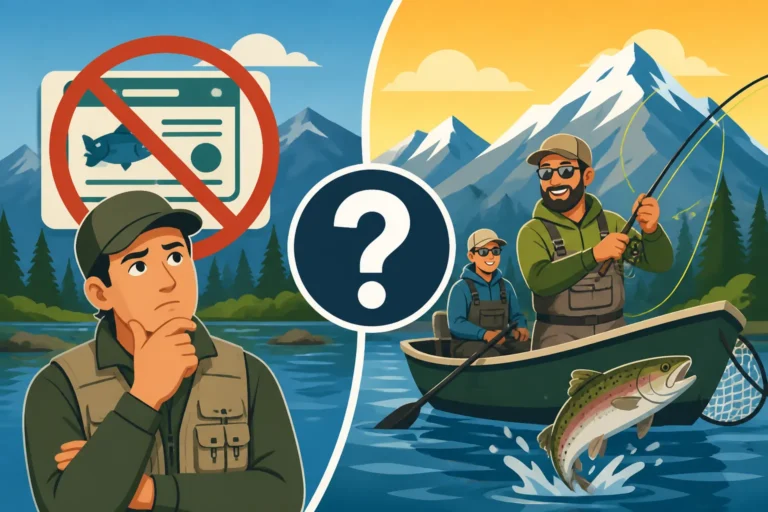
Seriously, this is number one. There's nothing worse than getting to your favorite river or lake, eager to cast a line, only to realize your license is expired or still sitting on your kitchen counter. Colorado Parks and Wildlife (CPW) wardens are out there, and they will check. You need a valid fishing license, and for most anglers over 18 and under 65, you'll also need a Colorado's Habitat Stamp, Explained. Even if you're only fishing for a few hours, these are mandatory.
Think about it: that brief moment of inconvenience verifying your license is nothing compared to the hassle and potential fines of fishing without one. Many anglers keep a digital copy on their phone, which is generally accepted, but having a physical copy in your wallet is always a solid backup. Always double-check the expiration date before you leave home. For a more complete overview, check out our guide on the Colorado Fishing License Guide for Residents and Nonresidents. If you're planning a trip with a guide, they'll often remind you, but it's ultimately your responsibility.
Rods, Reels, and Essential Terminal Tackle
For a half-day trip, you're probably not going to be switching between three different rod setups. Pick one that's versatile enough for the species and water you're fishing. For trout in Colorado, a 9-foot, 5-weight fly rod or a 6-foot-6 to 7-foot medium-light spinning rod usually covers most bases. Pack one primary reel with fresh line, and maybe a spare spool if you're prone to tangles or want to switch line types quickly.
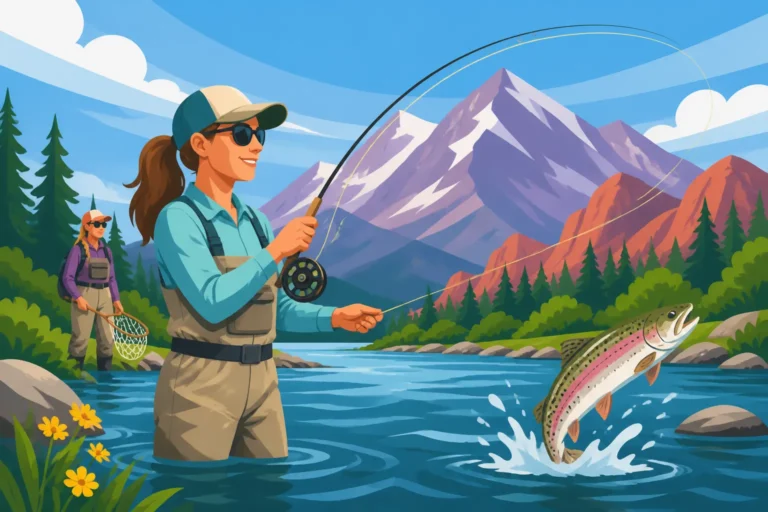
Terminal tackle is where you can really save space. Instead of a giant tackle box, grab a small fly box or a compact utility box with just the flies, lures, or bait you expect to use. This means researching your chosen spot ahead of time. Are you hitting a tailwater known for midge hatches, or a lake where spinners and spoons shine? Pack a handful of your confidence patterns or lures, along with essentials like extra leader and tippet, split shot, indicators, and maybe a pair of nippers and forceps. Don't forget a small, functional landing net, especially if you plan to practice How to Handle Trout for a Safe Release in catch-and-release waters. Colorado Fishing Regulations Every Angler Should Know can often dictate what types of tackle (like barbless hooks) you might need.
Waders and Wading Boots
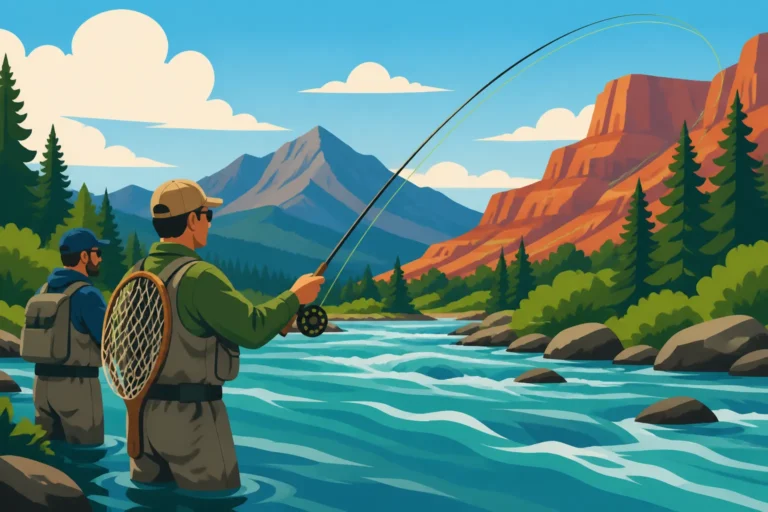
If you're planning to wade fish, which many of Colorado's rivers and streams absolutely demand, quality waders and sturdy wading boots are non-negotiable, even for a short trip. The water in Colorado's mountains is almost always frigid, even in the height of summer, thanks to snowmelt. Going without waders means a short, uncomfortable, and potentially unsafe experience. Imagine stepping into an icy stream in jeans—you'll be miserable, soaked, and likely heading back to the car within minutes.
Invest in breathable waders that fit well, allowing for layers underneath. Your wading boots should provide excellent ankle support and grip on slippery rocks. If you're fishing waters with sensitive aquatic habitats, consider felt-soled boots with care, or opt for rubber soles to prevent the spread of invasive species. If you're not sure which type to get, you can research Best Waders for Cold Tailwater Fishing. A good wading belt is also critical for safety, cinching your waders tight in case of a fall and preventing them from filling completely with water. Don't forget your socks! Warm, synthetic or wool socks are a lifesaver.
Keeping Comfortable and Safe in Colorado's Outdoors
Colorado's weather is notoriously fickle, especially in the mountains. A beautiful sunny morning can turn into a hailstorm or heavy rain in a matter of minutes. Being prepared for these rapid shifts is vital, even if you're only out for a few hours.
Layered Clothing for Mountain Weather
The old adage "dress in layers" is gospel in Colorado. A half-day trip doesn't exempt you from this wisdom. Start with a moisture-wicking base layer to draw sweat away from your skin. Add an insulating layer like a fleece or wool shirt, and top it off with a waterproof and windproof outer shell. Even if the forecast looks clear, a lightweight rain jacket and pants are easy to pack and can save your day.
Remember, comfort isn't just about warmth; it's about adaptability. As the sun rises, you might shed a layer. If clouds roll in or a breeze picks up, you'll be glad to put it back on. This strategy prevents you from being too hot while hiking in and keeps you warm and dry when the unexpected hits. Cotton is generally a no-go for fishing clothing, as it absorbs moisture and stays wet, chilling you to the bone. For more detailed advice, check out What to Wear on a Colorado Guided Fishing Trip.
Sun Protection is Non-Negotiable
At Colorado's high altitudes, the sun is incredibly intense, even on cloudy days. UV radiation is stronger, and spending even a few hours exposed to it can lead to severe sunburn and long-term skin damage. Don't let a short trip make you complacent.
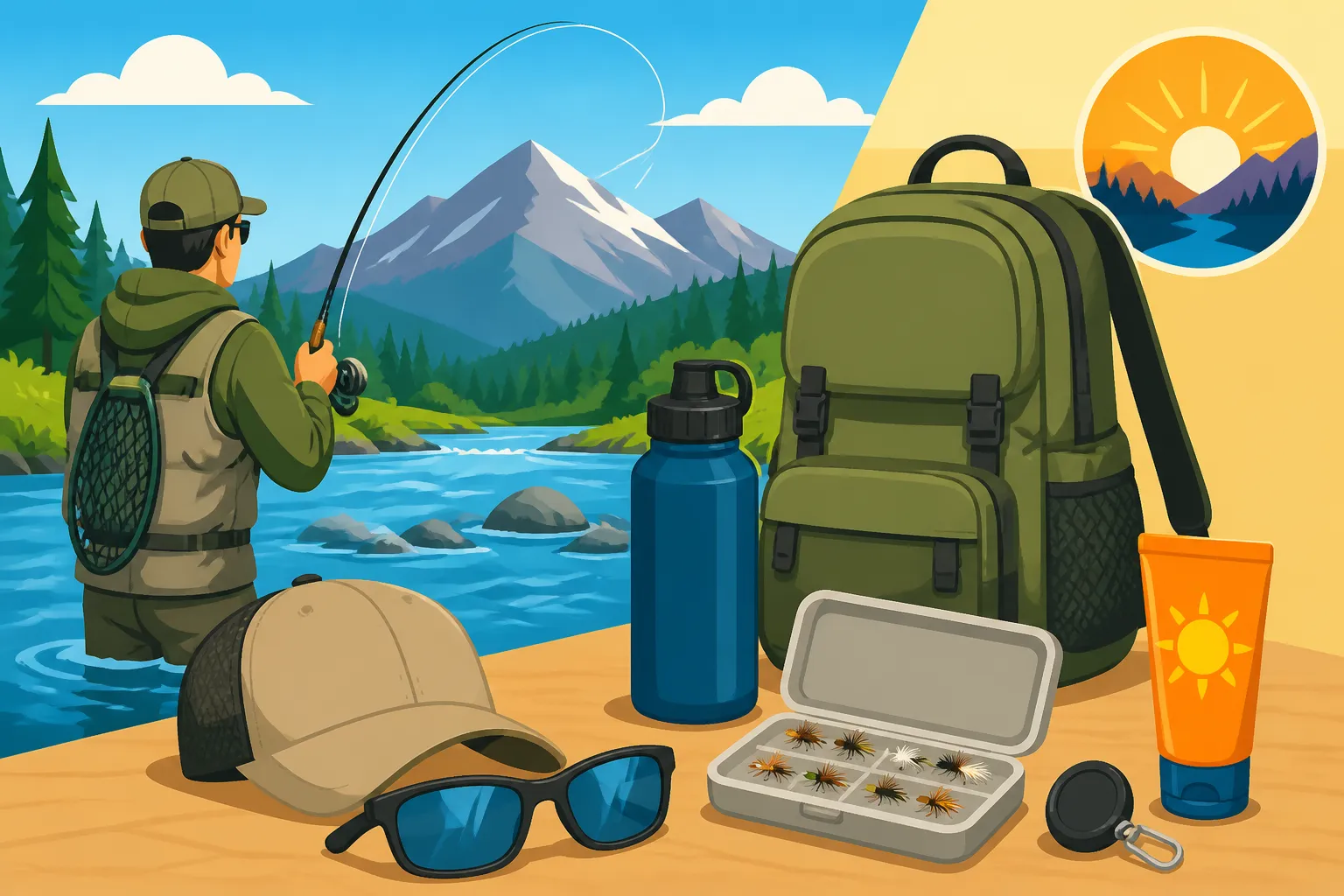
Pack a wide-brimmed hat or a baseball cap with a neck gaiter for full face and neck coverage. Polarized sunglasses are essential not just for eye protection, but also for cutting glare off the water, allowing you to spot fish or submerged structures. Apply broad-spectrum sunscreen liberally to any exposed skin, and reapply every couple of hours, especially if you're sweating or getting wet. SPF lip balm is also a smart addition. You might be surprised how quickly you can get burned, even on a cool, breezy day.
First Aid and Emergency Items
Even on a short trip, minor accidents can happen. A small, compact first-aid kit should be in your bag. It doesn't need to be extensive, but include essentials like band-aids, antiseptic wipes, pain relievers, blister treatment, and any personal medications you might need. A pair of tweezers can be a lifesaver for removing splinters or stray hooks.
Beyond first aid, consider a whistle for signaling if you get into trouble, especially if you're fishing alone or in a remote area. A fully charged phone is also a good idea, though cell service can be spotty in some of Colorado's canyons and wilderness areas. If you're going off-grid, a small, reliable headlamp or flashlight can be invaluable if your half-day trip extends unexpectedly into dusk or if you need to navigate tricky terrain. When you book a trip through a service like FishingBooker, they'll often highlight safety precautions, but your personal kit is always the first line of defense.
Sustenance, Memories, and Trail Etiquette
A few hours can feel like a long time when you're exerting yourself, whether it's hiking to a secluded spot or constantly casting. Keeping your energy up and respecting the environment are crucial, even on a quick outing.
Hydration and Snacks
It's easy to underestimate how much water you need, especially at altitude. Dehydration can creep up quickly, causing headaches, fatigue, and even impaired judgment. Carry a reusable water bottle or a hydration bladder, and make sure it's full. Even for a half-day, aim for at least 1-2 liters, and consider bringing an electrolyte-rich drink mix.
For snacks, think high-energy, easy-to-eat options that won't spoil quickly. Granola bars, nuts, dried fruit, jerky, or a sandwich in a durable container are perfect. These provide the fuel you need to stay focused and enjoy your time on the water. Don't rely on finding a convenience store nearby; many of Colorado's best fishing spots are far from any services. FishingBooker often reminds clients that while guides might provide some refreshments, personal hydration is vital.
Photography and Memories
Capturing the beauty of Colorado's landscapes and the thrill of a catch is part of the experience. If you enjoy photography, a waterproof phone case or a small, durable camera is a great addition. Just be mindful of keeping your gear dry and secure.
Remember, if you're taking pictures of your catch, prioritize the fish's health. Keep the fish in the water as much as possible, use wet hands when handling, and minimize the time it's out of its element. A quick photo, then a gentle release, ensures that trophy can be caught another day. Consider the lighting and background to make your photos truly memorable.
Trash and Leave No Trace Principles
Colorado's natural beauty is part of what makes fishing here so special, and it's up to all of us to preserve it. This means practicing "Leave No Trace" principles diligently, even on a short trip. Pack out everything you pack in, and then some. This includes all wrappers, discarded fishing line, and any other trash you might generate.
Bring a small, sealable trash bag specifically for this purpose. If you see any litter left by others, consider packing it out if it's safe and reasonable to do so. Our goal is to leave the environment cleaner than we found it. This simple act of stewardship ensures that these incredible fishing spots remain pristine for future generations of anglers. It's a small effort that makes a huge difference.
Packing Smart for Colorado's Diverse Conditions
Knowing what to bring is only half the battle; knowing how to pack it efficiently and effectively for a half-day trip is just as important. Colorado's varied terrain and unpredictable weather mean your packing strategy needs to be flexible.
Choosing the Right Pack or Bag
For a half-day trip, you're not going to need a massive backpacking pack. A small, comfortable daypack or a sling pack designed for fishing is usually ideal. Look for something lightweight, durable, and preferably water-resistant. A pack with multiple compartments can help you organize your gear, keeping essentials like your license and tippet easily accessible, while stashing snacks and extra layers.
Some anglers prefer vests or chest packs for fly fishing, as they keep everything right at your fingertips. Consider how much gear you genuinely need versus what you want to bring. A minimalist approach often pays off on shorter outings. If you're going with a guide, ask if they have space in their boat or vehicle for a small bag; often, they can help you consolidate. When researching trips, especially on sites like FishingBooker, you might find guides specify what kind of storage they offer.
Weather-Proofing Your Essentials
Even if your pack claims to be water-resistant, it's wise to take extra precautions. A sudden downpour or an accidental slip into the river can ruin electronics, soak your spare layers, or make your lunch inedible. Use dry bags or Ziploc-style bags to protect anything sensitive to water. Your phone, wallet, extra clothing, and any permits should be double-bagged or placed in a dedicated dry compartment.
This isn't just about protecting your gear; it's about your comfort and safety. Being able to put on a dry pair of socks after an unexpected splash or having a functional phone for emergencies can make all the difference. Think about the worst-case scenario and pack to mitigate its impact.
Being Prepared for the Unexpected
Even on a short, planned outing, things can go awry. A twisted ankle, a sudden change in weather, or getting disoriented on a new trail can turn a pleasant half-day into a challenging situation. A small, dedicated "emergency pouch" within your main pack is a good idea.
This pouch could contain:
- A headlamp (even if you plan to be back before dark)
- A small multi-tool
- Fire-starting material (waterproof matches or a lighter)
- A small length of cordage or paracord
- A space blanket or emergency bivvy
- A basic map of the area (if cell service is unreliable) and a compass.
This isn't about paranoia, but sensible preparedness. It's the same reason we carry a spare tire in our car, even if we hope never to use it. Knowing you have these items can provide peace of mind and significantly improve your odds if an unforeseen circumstance extends your time in the wilderness. For instance, if you're booking a guide through FishingBooker, they're experts at navigating these conditions, but personal readiness is always a smart move.
| Category | Essential Items | Optional/Convenience Items |
|---|---|---|
| Legal & Core Gear | Valid CO Fishing License & Habitat Stamp | Colorado's Second-Rod Stamp and Who Needs One (if using two rods) |
| Rod, Reel, and Appropriate Line | Extra spool of line | |
| Small selection of flies/lures/bait | Smaller, specialized fly boxes for specific hatches | |
| Leader, Tippet, Split Shot, Indicators | Nippers, Hemostats/Forceps, Line Straightener | |
| Waders & Wading Boots | Wading Staff | |
| Landing Net | ||
| Personal Comfort | Layered Clothing (base, mid, outer/rain shell) | Hat with brim, Neck Gaiter |
| Polarized Sunglasses | Fishing gloves | |
| Sunscreen & Lip Balm | Insect repellent | |
| Safety & Hydration | Water Bottle (1-2 liters minimum) | Electrolyte drink mixes |
| High-energy snacks | Small, insulated container for a sandwich | |
| Small First-Aid Kit | Whistle, Hand Warmers | |
| Fully Charged Phone (in waterproof case) | Headlamp/Flashlight | |
| Miscellaneous | Small trash bag | Compact camera/GoPro |
| Dry bag(s) or Ziploc bags for essentials | Multi-tool | |
| Your positive attitude and readiness for adventure! |
Disclaimer
This article is for general informational purposes only and does not constitute professional advice. Laws, prices and regulations vary by location and change over time. Consult a qualified professional for guidance on your specific situation.