Best Guide Service for a First-Time Fly Fisher in Colorado
Stepping into the world of fly fishing in Colorado for the very first time can feel like trying to solve a puzzle with a thousand pieces. The rivers are breathtaking, the fish are legendary, but knowing where to start, what gear to use, and how to even cast a line can be incredibly daunting. This guide is here to cut through that overwhelm, helping you understand exactly what to look for in a guide service to ensure your first Colorado fly fishing experience is not just successful, but genuinely enjoyable and educational.
Why a Guided Trip is a Game-Changer for First-Time Fly Fishers
Let's be honest, standing on the bank of a rushing Colorado river with a fly rod in your hand for the first time, watching experienced anglers effortlessly cast perfect loops, can make you feel like you've brought a knife to a gunfight. Many aspiring fly fishers get discouraged before they even begin because the learning curve seems so steep. That's where a fantastic guide comes in – they're not just there to put you on fish, but to bridge that knowledge gap, making the sport accessible and fun from day one.
Navigating the Colorado Landscape and Regulations
Colorado's fishing landscape is incredibly diverse, from vast reservoirs to intimate high-country streams, freestone rivers to pristine tailwaters. Each type of water presents its own challenges and opportunities, and honestly, trying to figure it all out from a map or a few online articles as a beginner is a recipe for frustration. A guide will choose a location suited to your skill level and the current conditions, ensuring you're not battling overly complex water on your first outing. They're also intimately familiar with the nuanced Colorado Fishing Regulations Every Angler Should Know and species-specific rules, which can be a real headache for newcomers. They know the bait restrictions, the barbless hook rules, and the Colorado Daily Bag Limits by Species, so you can focus on fishing without worrying about accidentally breaking a rule.
Imagine this: you've spent hours driving to a remote river, only to find the water is too high and muddy from spring runoff, or completely devoid of fish due to low summer flows. A good guide already knows this and has a backup plan, taking you to a more productive spot. This saves you precious time, gas, and the crushing disappointment of a wasted trip.
Accelerated Learning and Skill Development
Think of a guided trip as a condensed, hands-on masterclass. Instead of flailing around for hours trying to figure out casting mechanics, a good guide will provide immediate, personalized feedback. They'll show you how to properly hold the rod, explain the physics of the cast, and correct your common beginner mistakes on the spot. This isn't just about catching fish; it's about building a solid foundation of skills that will serve you for years to come.
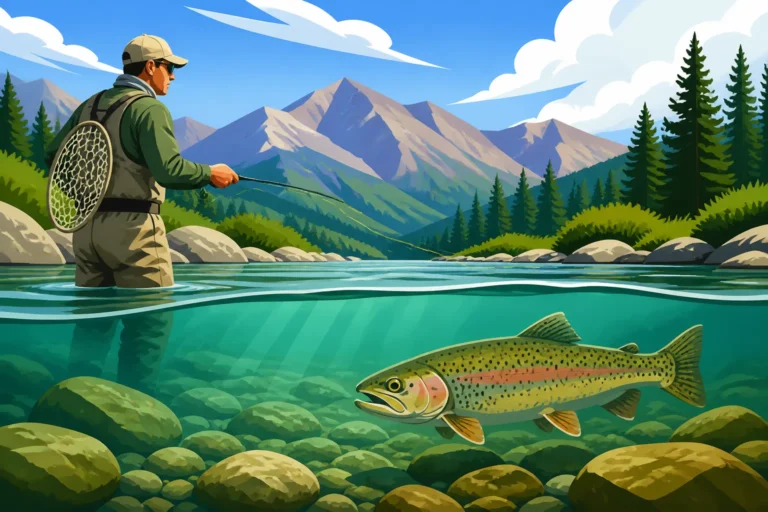
Beyond casting, they'll teach you about reading the water – identifying where fish are likely to hold, understanding current seams, and spotting the subtle signs of a feeding trout. They'll explain basic entomology, helping you understand what flies to choose based on insect hatches or the time of year. For a complete novice, this kind of direct instruction is invaluable. You'll learn more in a single guided day than you might in weeks or months of trial and error on your own. It's often the quickest way to get past the initial struggles and start enjoying the rhythm of fly fishing.
Essential Qualities of a Beginner-Friendly Fishing Guide
When you're searching for your very first fly fishing guide, it's easy to get caught up in who catches the most fish or has the flashiest boat. But for a true beginner, the best guide isn't necessarily the one with the biggest fish stories. It's the one who prioritizes teaching, patience, and creating a welcoming environment.
Patience and a Positive Teaching Style
This is, hands down, the most crucial quality for a first-time fly fisher's guide. You're going to make mistakes – lots of them. You'll tangle your line, snap off flies, and miss fish. A patient guide understands this is part of the learning process. They won't get frustrated; instead, they'll calmly explain what went wrong and how to improve. They'll break down complex techniques into manageable steps and celebrate every small victory, like a smooth cast or a properly mended line.
Look for guides who are known for their teaching prowess, not just their angling skills. Read reviews specifically mentioning their ability to work with novices or children. A guide with a positive and encouraging demeanor can turn potential frustration into genuine enjoyment, fostering a love for the sport that lasts a lifetime. They should make you feel at ease, answer all your "silly" questions, and provide constructive feedback without making you feel inadequate.
Strong Communication and Local Knowledge
A great guide for beginners is an excellent communicator. They don't just tell you what to do; they explain why. Why are we using this particular fly? Why are we casting to that seam? Why are we wading carefully here? This contextual understanding helps solidify your learning and allows you to apply concepts later on your own. Effective communication extends to clear instructions on casting, line management, and fish handling, ensuring safety and ethical practices.
Furthermore, deep local knowledge is paramount. Colorado is vast, and conditions can change dramatically from one river to the next, or even within miles on the same river. A knowledgeable guide understands the specific nuances of the waters they fish – the prime holding lies, the prevalent hatches, the seasonal changes, and how to fish around Colorado's Spring Runoff Hits and How to Fish Around It. This allows them to quickly adapt to conditions and put you in the best possible position to succeed, even if "success" for a first-timer is just getting a few solid casts in. They'll know if the Colorado River Fishing From Glenwood Canyon to Kremmling is fishing better than Fishing the South Platte Near Deckers on any given day.
Safety-Conscious and Well-Equipped
Safety should always be a top priority, especially for beginners who might be less familiar with river hazards. A responsible guide will provide a thorough safety briefing, discuss wading techniques, and ensure you're aware of potential dangers like swift currents or slippery rocks. They should also carry a first-aid kit and have a plan for emergencies.
When it comes to gear, a beginner-friendly guide should provide all the necessary equipment – quality rods, reels, waders, boots, and a selection of appropriate flies. This saves you the upfront cost of purchasing gear before you even know if you love the sport, and ensures you're using equipment that's suitable for the conditions and your skill level. Make sure to ask What's Included in a Colorado Guided Fly Fishing Trip when you book. They should be transparent about this, so you're not caught off guard.
What to Expect from Your First Guided Fly Fishing Trip
Embarking on your first guided fly fishing trip in Colorado is an exciting prospect, but knowing what to expect can help ease any nerves and ensure you make the most of the experience. It's more than just a fishing trip; it's a learning adventure.
The Day's Flow and Learning Opportunities
Your guided day will typically start with a brief chat, often over coffee or breakfast, where your guide will assess your prior experience (or lack thereof), discuss your goals for the day, and outline the plan. This is your chance to explicitly state that you're a first-timer and eager to learn the basics. They'll then likely take you to a calm section of water to go over casting fundamentals. This is where you'll practice the basic roll cast and overhead cast, focusing on rhythm and accuracy. Don't worry about perfection; the goal is simply to get comfortable with the motion.
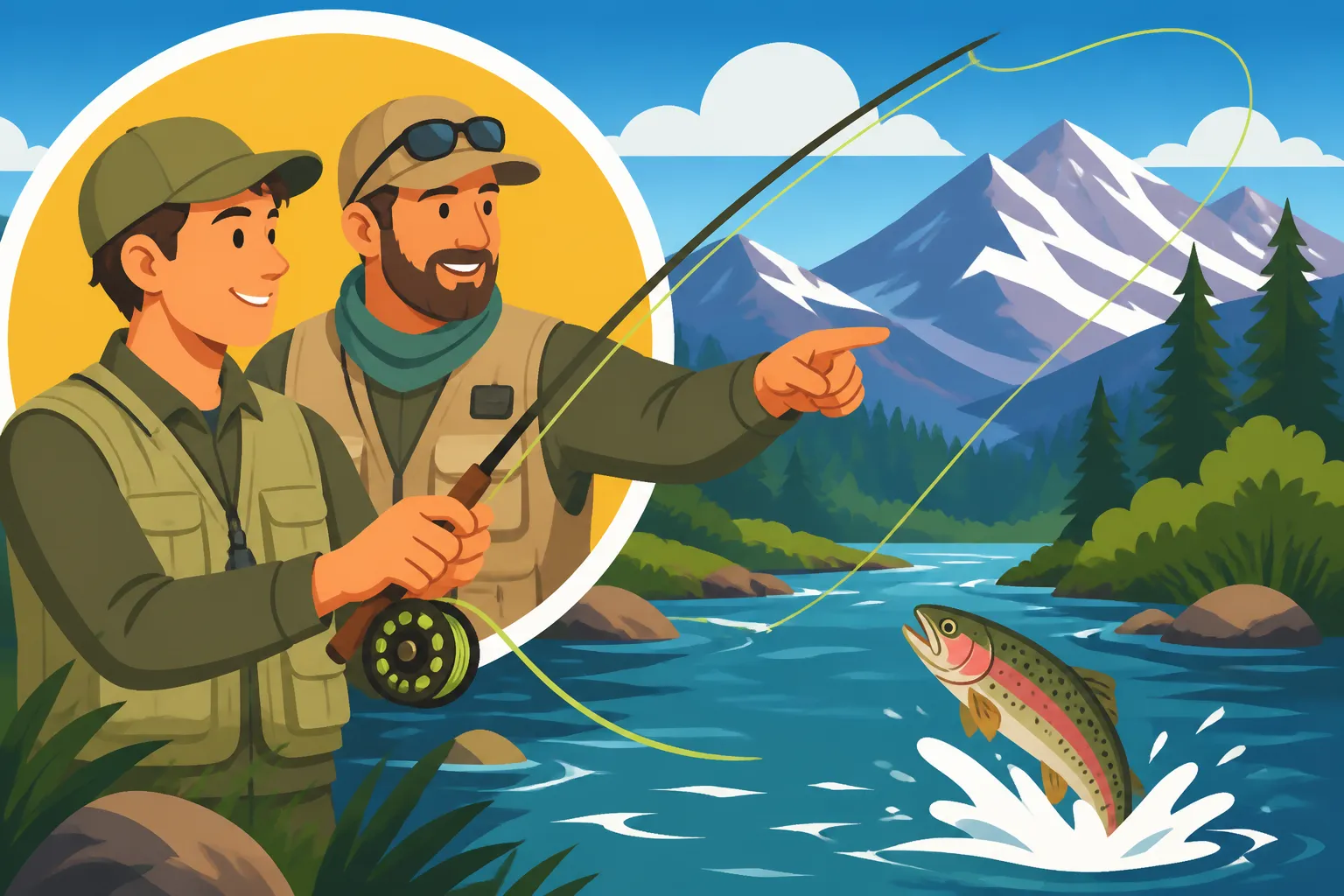
Once you've got the hang of the basics, your guide will move you to a spot where you have a good chance of hooking into some fish. This is where the real-world application of your new skills comes in. They'll help you select flies, explain how to "read" the water to find prime fish lies, and demonstrate how to present your fly effectively. They'll be right there with you, offering tips, untangling lines, and celebrating every successful cast or fish hooked. A guided trip for beginners should feel like a patient, supportive classroom on the water.
| Aspect | What to Expect from a Great Beginner's Guide | What to Avoid / Red Flags |
|---|---|---|
| Teaching Style | Patient, encouraging, breaks down concepts, celebrates small wins. | Impatient, easily frustrated, speaks in jargon, dismisses questions. |
| Gear Provided | High-quality, properly sized rods, reels, waders, boots, and a good selection of flies. | Outdated or ill-fitting gear, limited fly selection, expectation to bring your own. |
| Pace of Day | Structured learning, plenty of practice, breaks, tailored to your energy levels. | Rushed, relentless focus on catching, little time for instruction. |
| Communication | Clear instructions, explanations of "why," open to questions, safety briefings. | Vague directions, lack of explanation, ignores safety concerns. |
| Fish Focus | Emphasis on learning skills and understanding the environment, with catching as a bonus. | Solely focused on high fish counts, pressuring you to perform. |
| Local Knowledge | Deep understanding of local waters, current conditions, specific hatches, and regulations. | Generic advice, unfamiliarity with local spots, guesses on conditions. |
| Problem Solving | Calmly helps with tangles, snapped lines, offers solutions to casting issues. | Gets annoyed by tangles, blames you for mistakes. |
| Attitude | Friendly, approachable, passionate about teaching and the outdoors. | Arrogant, condescending, more interested in their own fishing. |
Asking Questions and Managing Expectations
Don't be shy! This is your learning experience, and your guide is there to help. Ask questions about anything and everything – why a fish bit there, how to prevent tangles, what kind of knot they just tied. A good guide loves an engaged student. Remember, you're not expected to be an expert by the end of the day. The goal is to learn the basics, gain confidence, and hopefully, catch a fish or two. Focus on the process, the beautiful scenery, and the joy of being outdoors. The fish will come.
It's also important to understand the Tipping a Colorado Fishing Guide, What's Standard. Guides work incredibly hard, and tipping is customary. Think of it as a way to thank them for their expertise, patience, and effort in making your day special. A typical tip ranges, but often reflects the quality of instruction and overall experience.
Finding and Booking the Right Beginner-Friendly Guide Service
Now that you know what to look for, how do you actually find that perfect guide? It might seem overwhelming with all the options out there, but a systematic approach will lead you to a fantastic first experience.
Researching Outfitters and Independent Guides
Start your search by looking for established fly shops and guide services in popular Colorado fishing towns. Places like Vail, Aspen, Silverthorne, Salida, Gunnison, or Durango are hubs for quality guiding operations. These outfitters often employ multiple guides, increasing your chances of finding someone who specializes in beginner instruction. Many of them offer dedicated "beginner" or "learn to fly fish" packages that are tailored to novices.
Don't hesitate to call these fly shops and speak to someone directly. Explain that you're a first-timer and want to learn the fundamentals. Ask about their guides' experience with beginners, their teaching philosophy, and what a typical first-timer's day looks like. They can usually recommend a specific guide on their staff who excels with new anglers. You can also explore options for Guided Walk-Wade Trips on Colorado Rivers which are often a great entry point for beginners, rather than immediately jumping into Guided Float Trips on Colorado Rivers.
Leveraging Online Platforms and Reviews
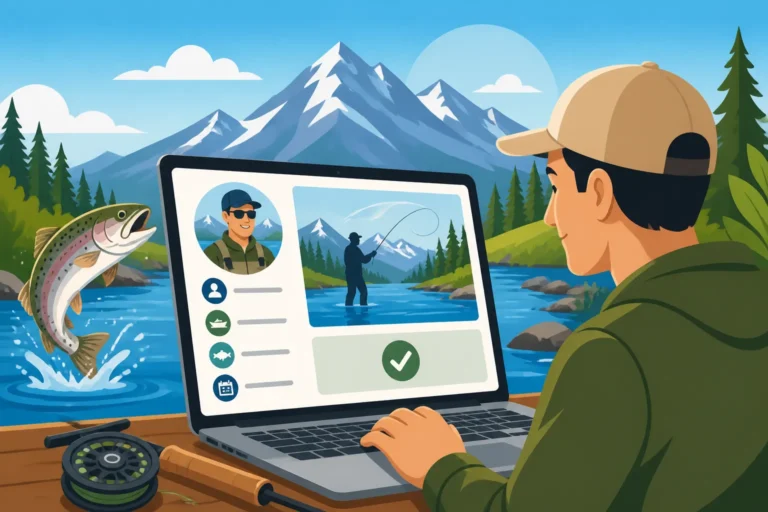
Online platforms are a fantastic resource for researching and booking guide services. Websites like FishingBooker allow you to search for guides in specific Colorado locations, filter by target species (like trout, which is perfect for beginners), and, most importantly, read reviews from past clients. Pay close attention to reviews that mention a guide's patience, teaching ability, and suitability for beginners or families. FishingBooker also often lists what's included in the trip, so you can easily check if gear, flies, and lunch are part of the package. This can save you a lot of back-and-forth communication.
When browsing, don't just look at the star rating; delve into the actual comments. A guide with a few glowing reviews specifically mentioning their expertise with first-timers is often a better bet than a guide with many reviews that only praise their ability to catch trophy fish, which isn't your primary goal as a beginner. Use these platforms to compile a shortlist of potential guides, then follow up with them directly if you have specific questions about Learning to Fly Fish With a Colorado Guide.
Questions to Ask Before You Book
Once you've narrowed down your choices, don't be afraid to reach out and ask some specific questions. This conversation will give you a good feel for their personality and whether they're a good fit.
Here are some key questions for a first-time fly fisher to ask:
- "What is your experience teaching absolute beginners?"
- "What does a typical day look like for a first-time fly fisher?"
- "What rivers or sections of river do you typically take beginners to, and why?"
- "What gear do you provide, and what should I bring?"
- "Do you focus on teaching casting and basic river etiquette, or is it mostly about catching fish?"
- "What's your philosophy on catch-and-release, especially for new anglers?"
- "What is your cancellation policy in case of bad weather or unforeseen circumstances?"
- "Do you have a Guided Trips for Kids in Colorado program, even if it's just for adults who want that same beginner-friendly approach?"
Asking these questions upfront will not only help you choose the best guide but also set clear expectations for your trip, ensuring a positive and memorable first fly fishing adventure in Colorado. You want to make sure the guide understands your desire to learn the fundamentals, not just land the biggest fish. With the right guide, your first time on a Colorado river with a fly rod will be the start of a lifelong passion.
Disclaimer
This article is for general informational purposes only and does not constitute professional advice. Laws, prices and regulations vary by location and change over time. Consult a qualified professional for guidance on your specific situation.