Women-Only Fly Fishing Schools in Colorado
Venturing into the world of fly fishing can feel incredibly daunting, especially for women who might encounter environments that feel a bit exclusionary or intimidating. It's a passion often portrayed as very male-dominated, which can make a beginner feel like they're starting at a disadvantage or won't find a supportive community. This comprehensive guide is here to shed light on the fantastic opportunities available through women-only fly fishing schools in Colorado, offering a supportive path to learn, connect, and thrive in this beautiful sport.
The Unique Appeal of Women-Only Fly Fishing Schools in Colorado
Let's be honest, walking into a fly shop or signing up for a general clinic can sometimes feel like you're stepping into a space where everyone else already knows the secret handshake. For many women, this experience can be off-putting, leading to hesitation in pursuing a hobby they're genuinely curious about. Women-only fly fishing schools in Colorado address this head-on, creating an environment specifically designed to empower and educate.
Creating a Supportive and Empowering Environment
One of the biggest advantages of a women-only program is the immediate sense of camaraderie and psychological safety it fosters. Imagine a setting where you don't feel self-conscious about your casting efforts, where asking a seemingly "silly" question about knot tying or fish anatomy is met with encouragement rather than a knowing glance. This is precisely what these schools aim to cultivate.
In traditional co-ed classes, some women might find themselves inadvertently taking a backseat, feeling rushed, or struggling to get equal attention from instructors who might unconsciously gravitate towards more vocal participants. A women-only setting levels that playing field. Instructors are often acutely aware of these dynamics and are specifically trained to provide patient, hands-on guidance that builds confidence from the ground up. It’s about creating a space where the focus is entirely on your learning, your pace, and your comfort. This leads to a much more relaxed atmosphere where women feel free to experiment, make mistakes, and truly internalize the skills without the pressure of external expectations.
Tailored Instruction and Community Building
Beyond the comfort factor, women-only schools frequently offer instruction that's tailored to the unique learning styles and perspectives often found among women. Teaching methods might lean more towards collaborative problem-solving, detailed explanations, and a focus on the "why" behind techniques, rather than just the "how." This can make complex concepts like reading water or entomology feel much more approachable.
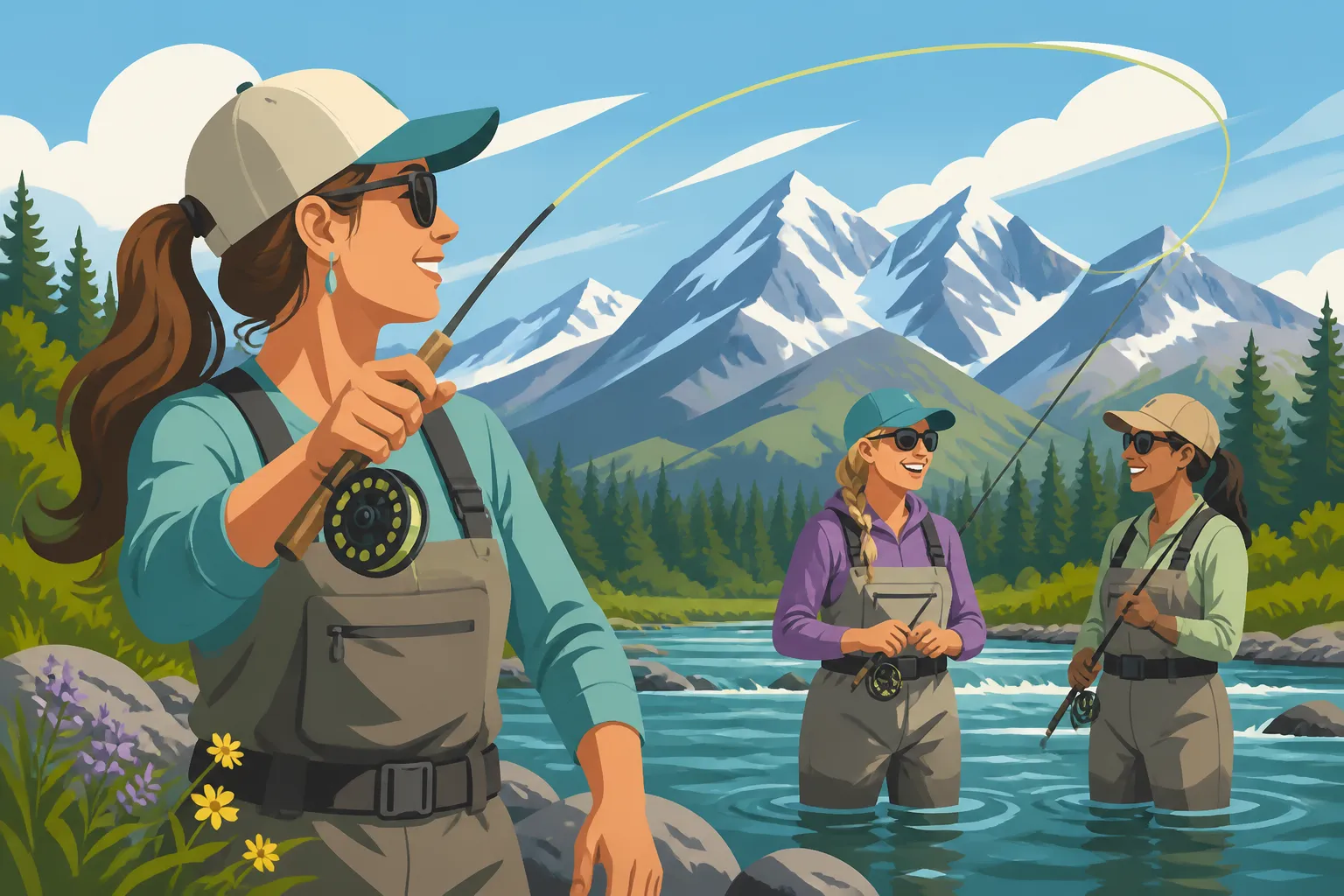
But it’s not just about the technical skills; it's about building a lasting community. These schools become incubators for friendships that extend far beyond the riverbanks. You'll find yourself connecting with other women who share your newfound passion, leading to future fishing trips, shared gear advice, and a network of supportive individuals. This sense of belonging is invaluable, transforming what could be a solitary pursuit into a rich, shared experience. Whether it's finding someone to explore a new section of the Arkansas River Near Salida with, or just having someone to chat with about the latest hatch, these connections enrich the entire experience.
What to Expect from a Women-Only Fly Fishing Program
So, you're intrigued. What does a typical women-only fly fishing school actually look like? While programs vary, they generally follow a structure designed to take you from novice to a confident angler, combining classroom learning with plenty of practical, on-the-water experience.
Core Curriculum and Skill Development
Most women-only schools start with the absolute fundamentals, assuming you know little to nothing, which is incredibly reassuring for beginners. You can expect to dive into:
- Gear Basics: Understanding the different parts of a fly rod and reel, how to set them up, and why certain lines are used for specific situations. You'll learn about waders and wading boots, and essential accessories like nippers and hemostats.
- Knot Tying: This is often where patience is tested, but in a supportive environment, it becomes a fun challenge. You'll master essential knots like the Clinch knot for flies and the Surgeon's knot for leaders.
- Entomology: Learning about the aquatic insects that trout eat is crucial. You'll gain a basic understanding of common Colorado hatches—mayflies, caddis, stoneflies—and how to "match the hatch" with your fly selection. Some programs will delve into Best Flies for Colorado's Gold Medal Trout Water.
- Casting Mechanics: This is where theory meets practice. You'll start on grass, learning the rhythm and technique of a proper fly cast, before moving to the water. Expect personalized feedback and plenty of drills to get comfortable.
- Reading Water: Understanding where trout hold in a river or lake is vital. Instructors will teach you how to identify riffles, runs, pools, and eddies, and explain why fish prefer certain lies.
- Safe Wading & Fish Handling: Learning how to safely navigate river currents and properly handle fish for a healthy release is emphasized. Topics like Catch-and-Release Rules on Colorado's Cutthroat Waters are often covered to ensure ethical angling practices.
The beauty of these programs is the hands-on approach. You won't just be lectured; you'll be doing. From tying knots to casting under the watchful eye of an experienced instructor, every step is designed for active learning. Many programs integrate specific techniques like Nymphing Techniques for Colorado Tailwaters or dry fly presentation into their curriculum once basic casting is mastered.
Typical Program Structure and Logistics
Women-only fly fishing schools come in various formats, catering to different schedules and learning preferences:
- Duration: You might find single-day introductory clinics perfect for a quick taste of the sport, or more immersive multi-day retreats that offer a deeper dive. Multi-day programs often include accommodation and meals, creating an even more cohesive group experience.
- Locations: Colorado is rich with incredible fishing waters, and these schools often take advantage of them. You might find programs based near renowned rivers like the South Platte, the Arkansas, or the Fryingpan. Some even venture into high-country lakes or offer excursions to places like Fishing Rocky Mountain National Park.
- Inclusions: Most reputable schools provide all necessary fishing gear—rods, reels, lines, waders, and flies—so you don't have to invest before you know if it's for you. Lunch, snacks, and sometimes even transportation to the fishing location are often included. Always double-check what's covered when you sign up.
- Group Size: To ensure personalized instruction, group sizes are typically small, often ranging from 4 to 8 students per instructor. This low student-to-instructor ratio is key for effective learning and individual attention.
These programs aren't just about learning to fish; they're often structured to be mini-vacations or retreats, offering a holistic experience that blends learning with relaxation and connection in beautiful Colorado settings.
Finding and Choosing Your Ideal Colorado School
With the growing interest in women-specific programs, finding the right fit for you might seem overwhelming at first. But by focusing on a few key areas, you can narrow down your options and select the perfect experience.
Key Considerations When Researching Programs
Before you commit, it's worth pondering what you want to get out of the experience. Here are some factors to consider:
- Location, Location, Location: Do you want to stay close to the Denver Metro area, perhaps exploring spots like Fishing Chatfield Reservoir or some of the urban ponds? Or are you dreaming of a mountain escape to fish legendary waters like The Dream Stream Between Spinney and Eleven Mile or the vastness of Blue Mesa Reservoir for Kokanee Salmon? Your desired scenery and travel time will play a big role.
- Instructor Experience and Philosophy: Look for programs with instructors who are not only skilled anglers but also experienced and empathetic teachers. A great instructor for a women-only school understands the nuances of creating a supportive learning atmosphere and can adapt their style to diverse needs. Don't be shy about asking about their teaching background and philosophy.
- Program Focus: Some schools are purely instructional, focused on getting you casting and catching. Others might integrate wellness components like yoga, mindful outdoor practices, or gourmet meals. Decide what kind of overall experience you're looking for.
- Reviews and Testimonials: Seek out feedback from previous participants. What do other women say about the instruction, the atmosphere, and the overall value? A program with glowing reviews from past attendees is a strong indicator of quality.
- Cost vs. Value: Understand what's included in the price. Is gear provided? Are meals covered? Is a Colorado Fishing License Guide for Residents and Nonresidents included, or do you need to purchase it separately? While specific prices vary, you can generally get an idea of the landscape by researching Colorado Fly Fishing Guide Costs Explained for comparable services. Remember, the cheapest option isn't always the best value if it doesn't meet your learning needs or comfort level.
How to Book Your Spot and What to Ask
Once you've identified a few potential programs, it's time to reach out. Many local fly shops in Colorado offer or host these women-specific clinics. Additionally, online platforms are great resources. You might find some excellent options by searching on booking sites like FishingBooker, which lists a variety of guides and outfitters, some of whom specifically advertise women-only trips or can arrange them upon request. Even if a specific "school" isn't listed, many guides are happy to tailor a Guided Trips for Beginners in Colorado experience for an all-women group.
Here are some questions you should definitely ask before booking:
- "What is the maximum group size, and what's the instructor-to-student ratio?"
- "Is all necessary gear (rods, reels, waders, flies) provided, or do I need to bring anything specific?"
- "What kind of water will we be fishing (e.g., river, lake, private access), and what are the physical demands?"
- "What specific topics will be covered in the curriculum?"
- "What is your cancellation policy?"
- "Do I need to purchase a fishing license and Habitat Stamp separately, or is that handled?"
- "Are there any specific safety protocols in place, especially regarding wading or wildlife?"
Booking in advance is always a good idea, particularly for popular spring and fall seasons, as these programs tend to fill up quickly. If you're looking to bring along a younger family member in the future, it might be worth asking if the outfitter also offers Guided Trips for Kids in Colorado to see if they cater to all ages.
Continuing Your Fly Fishing Journey After School
Completing a women-only fly fishing school is just the beginning of what promises to be a lifelong adventure. The skills and confidence you gain will open up a world of possibilities on Colorado's diverse waters.
Practicing Your New Skills and Local Resources
The most crucial step after your school experience is to keep practicing! Don't let those newly acquired casting muscles and knot-tying dexterity fade away.
- Local Ponds and Easy Access Rivers: Start by visiting easily accessible local ponds or calmer sections of rivers. This allows you to practice casting, mending, and even landing fish without the pressure of strong currents or crowded areas. Many urban ponds in Colorado are regularly stocked and offer a great learning environment.
- Join a Club: Look for local fly fishing clubs or, even better, women's fly fishing groups in Colorado. These communities are incredibly welcoming and often organize informal meetups, casting clinics, or group outings. They're a fantastic way to meet fishing buddies, learn about local hot spots, and get ongoing support.
- Study Up: Revisit your notes from the school, watch instructional videos, and read more about Colorado's specific fish species and regulations. Understanding Colorado's Trout Species, A Field Guide will deepen your appreciation and success.
Remember, consistent practice is what transforms lessons into instinct. Every cast, every knot, and every fish handled refines your skills and deepens your enjoyment.
Planning Future Adventures and Guided Trips
With your foundational skills firmly in place, you're ready to expand your horizons. The school may have been an introduction, but now you can begin tailoring your fishing experiences.
- Independent Exploration: Start planning your own trips to new rivers and lakes. Colorado's Fishing Atlas and weekly stocking reports are invaluable resources for finding new waters and understanding what to expect. Just be sure to always have your valid Colorado Fishing License Guide for Residents and Nonresidents and Colorado's Habitat Stamp, Explained in your possession.
- Specialized Guided Trips: If you want to tackle a particularly challenging river, learn an advanced technique, or target a specific species, consider booking another guided trip. This is another excellent time to leverage resources like FishingBooker. You can search for guides specializing in specific techniques, like Trolling Techniques for Colorado Reservoirs if you want to target larger fish like Lake Trout Fishing in Colorado, or guides who focus on Kokanee Salmon Fishing in Colorado during their famous spawning runs. A follow-up guided trip can help you refine your skills even further, provide insights into advanced strategies, or introduce you to waters you might not feel comfortable exploring alone yet.
- Multi-Day Expeditions: Some outfitters offer multi-day, women-only expeditions to remote wilderness areas, combining fishing with camping and a deeper immersion in nature. These trips can be truly transformative.
The initial investment in a women-only fly fishing school is not just for a few days of learning; it's an investment in a lifetime of outdoor adventure, personal growth, and connection with a supportive community. The rivers of Colorado are waiting for you, and now you have the skills and confidence to explore them.
| Program Type | Typical Focus | Key Benefits | Considerations |
|---|---|---|---|
| Introductory Clinics | Basic casting, knot tying, gear overview | Low commitment, great for testing interest | Limited depth, might not include on-water fishing |
| Weekend Schools | Comprehensive basics, on-water instruction | Builds solid foundation, immediate practice | Requires a full weekend, typically includes meals |
| Multi-Day Retreats | Deep dive into techniques, specialized topics | Immersive, community building, advanced skills | Higher cost, longer time commitment, often includes lodging |
| Custom Guided Trips | Tailored to group's specific skill level/goals | Highly personalized, flexible scheduling | May require assembling your own women's group |
Disclaimer
This article is for general informational purposes only and does not constitute professional advice. Laws, prices and regulations vary by location and change over time. Consult a qualified professional for guidance on your specific situation.