Guided Trips on the Roaring Fork Near Aspen
The majestic Roaring Fork River, winding its way through the stunning landscape of the Colorado Rockies near Aspen, is an absolute dream for anglers, but navigating its diverse waters, especially for the first-timer or visitor, can feel overwhelming. This guide is here to demystify the process of booking and experiencing a guided fishing trip on the Roaring Fork, helping you unlock its incredible potential and ensure a memorable day on the water.
Discovering the Magic of the Roaring Fork River for Anglers
The Roaring Fork River, from its headwaters high in the Elk Mountains all the way to its confluence with the Colorado River in Glenwood Springs, is truly a gem in the crown of Colorado fishing. It’s a river that offers something for every angler, from challenging technical stretches to productive, easily accessible waters. But what truly sets it apart, especially when considering a guided trip, is its sheer quality and diversity.
Why the Roaring Fork is a Premier Colorado Destination
When people talk about world-class fly fishing, the Roaring Fork often comes up in the conversation, and for good reason. It boasts prolific insect hatches that keep trout actively feeding, creating fantastic dry fly opportunities that are hard to beat. Beyond the bugs, the river's varied structure – deep pools, swift runs, riffles, and undercut banks – provides ideal habitat for a healthy population of wild trout. You’ll find stretches flowing through bustling towns like Aspen and Basalt, yet within minutes, you can be immersed in serene, wilder sections that feel a world away. This unique blend of accessibility and pristine natural beauty makes it an irresistible draw for anglers from all over. It’s not just about catching fish; it’s about the entire experience of being on a river so vibrant and alive, surrounded by towering peaks and lush valleys.
Understanding its Gold Medal Water Status
A significant portion of the Roaring Fork River holds the coveted "Gold Medal Water" designation from Colorado Parks and Wildlife. This isn't just a fancy title; it signifies a very specific standard of excellence. Colorado Gold Medal Water Regulations Explained are designed to protect and promote these special sections. To earn this status, a river or lake must consistently support a population of at least 60 pounds of trout per acre, with at least 12 large trout (14 inches or longer) per acre. For the Roaring Fork, this means you're fishing in waters specifically managed to produce large, healthy fish, providing incredible opportunities for trophy-sized catches. It speaks volumes about the health of the ecosystem and the quality of the fishing you can expect. A guided trip on these waters ensures you're putting yourself in the best possible position to connect with these impressive fish, with the added benefit of local expertise.
The Diverse Fish Species You'll Encounter
While the Roaring Fork is primarily famous for its trout fishing, it’s home to a vibrant mix of species. The stars of the show are undoubtedly the brown trout and rainbow trout. You'll find healthy populations of both, with some impressive specimens lurking in the deeper pools and runs. The brown trout, known for their aggressive strikes and beautiful coloration, are often wild and wary, offering a thrilling challenge. Brown Trout in Colorado, Where They're Wild are a true prize. Rainbow trout are frequently stocked in some sections, but wild populations also thrive, particularly in the Gold Medal stretches. Rainbow Trout in Colorado, Where They're Stocked ensure healthy numbers for anglers. You might also encounter brook trout in the higher, colder tributaries, and even mountain whitefish in the main stem, especially in the cooler months. A good guide will know exactly which species are active where, and what techniques and flies will give you the best chance of success on any given day.
Different Styles of Guided Trips on the Roaring Fork
The beauty of fishing the Roaring Fork with a guide is the variety of experiences available. Whether you prefer to wade through the currents or float leisurely downstream, there’s a guided trip designed to match your style and skill level. Understanding these options will help you pick the perfect adventure.
The Intimacy of Walk-Wade Guiding
Walk-wade trips are fantastic for anglers who love the tactile experience of being in the river, feeling the current, and carefully stalking fish. On a walk-wade trip, your guide will take you to prime sections of the river, often focusing on stretches that are less accessible by boat or offer specific technical challenges. This allows for a more focused approach to reading water, identifying holding lies, and presenting flies or lures with precision. It's an intimate way to connect with the river, offering a chance to truly learn the nuances of a specific stretch. A skilled guide will teach you how to approach a particular run, cast efficiently in tight quarters, and spot subtle takes. These trips are ideal for refining your technique, learning about entomology specific to the Roaring Fork, and enjoying a more tranquil, focused day away from the currents of a boat.
Experiencing the River by Drift Boat or Raft
For those who want to cover more water, reach secluded spots, or simply enjoy a relaxing float, a drift boat or raft trip is an excellent choice. On these trips, your guide will expertly maneuver a specialized boat down the river, allowing you to cast to prime pockets, seams, and banks from a stable platform. This is especially advantageous during certain times of the year, like spring runoff when river levels are high, or when you want to access stretches of the river that are difficult to reach on foot. You can often fish two anglers comfortably from a drift boat, making it a great option for pairs or small groups. Many outfitters near Aspen, like those in Basalt or Carbondale, offer fantastic float trips on the middle and lower sections of the Roaring Fork. It's an incredibly efficient way to fish, offering a constant change of scenery and the chance to encounter a wider range of fish-holding structures. Guided Float Trips on Colorado Rivers can be truly exhilarating.
Exploring Exclusive Private Water Opportunities
While the Roaring Fork boasts abundant public access, some outfitters also offer guided trips on private water leases. These exclusive stretches can provide a unique experience, often with less angling pressure and potentially more numerous or larger fish. Imagine fishing a pristine meadow section with no other anglers in sight, or targeting rising trout in a quiet, undisturbed bend of the river. These private water options often come at a premium, but they can be incredibly rewarding, offering a sense of solitude and a higher chance of a productive day, especially on busy weekends. Your guide will have intimate knowledge of these specific sections, including the best times to fish them and the most effective presentations for the resident trout. It's a great option if you're looking for a truly unique and uncrowded experience that feels tailor-made.
What a Roaring Fork Guided Trip Offers You
Deciding to hire a fishing guide on the Roaring Fork isn't just about catching fish, though that's certainly a big part of it! It's an investment in an experience that offers invaluable knowledge, convenience, and a significant boost to your skills and enjoyment.
Expert Local Knowledge and River Interpretation
One of the biggest advantages of a guided trip is tapping into your guide's encyclopedic knowledge of the river. These are folks who spend countless days on the Roaring Fork, intimately familiar with its every bend, riffle, and pool. They know where the fish are holding based on water levels, temperature, time of year, and even recent weather patterns. They understand the intricacies of Colorado Fishing Seasons Month by Month on this particular river, knowing when the spring runoff hits or which hatches are most prevalent in specific sections. This isn't just general advice; it's hyper-local, real-time intelligence that you simply can't get from a map or a forum. They'll show you how to read the water, identify fish-holding lies, and understand why trout choose certain spots. This interpretive element transforms a simple fishing trip into a masterclass in river ecology and angling strategy.
Essential Gear and Fly Selection Provided
Don't have a full quiver of fly rods, waders, and the right fly patterns? No problem! Almost all guided trips on the Roaring Fork include all the necessary gear. This typically means high-quality rods and reels, waders and boots (which can be a huge relief if you don't want to travel with yours), and, critically, a vast selection of flies perfectly matched to the current conditions and hatches. Best Flies for Colorado's Gold Medal Trout Water can change daily, and your guide will have them all. They'll rig your leader, choose the appropriate split shot, and tie on the exact fly needed to entice a bite. This takes all the guesswork out of gear selection, allowing you to focus entirely on the fishing. For beginners, it eliminates the need for a significant initial investment, and for experienced anglers, it's a convenient way to ensure you're always fishing with the optimal setup.
Learning and Improving Your Angling Skills
Whether you're a complete novice or a seasoned veteran, a guided trip is a fantastic opportunity for skill development. For beginners, a guide offers patient instruction on casting techniques, mending line, setting the hook, and safely handling fish for release. They can simplify complex concepts and provide hands-on coaching that accelerates your learning curve far beyond what you could achieve on your own. Experienced anglers can benefit too, by learning advanced techniques like Euro nymphing, specific streamer retrieves for the Roaring Fork's big browns, or how to identify and effectively fish during obscure hatches. A guide can help you break bad habits, refine your presentation, and gain a deeper understanding of the trout's behavior in this particular environment. It’s personalized instruction that genuinely helps you become a more effective angler.
Selecting the Perfect Guide or Outfitter for Your Adventure
Choosing the right guide is just as important as choosing the right river. A great guide can make your day, while a poor fit can detract from the experience. Taking the time to research and ask the right questions will ensure you find a guide who aligns with your fishing goals and personality.
Key Questions to Ask Before Booking
When you're calling around or looking up outfitters, don't be shy about asking questions. Here are a few to get you started:
- What is included in the trip price? (e.g., lunch, drinks, flies, leader, tippet, waders, boots, transportation from the shop).
- What is your guide's experience level on the Roaring Fork? You want someone who knows this specific river inside and out.
- What type of trip do you recommend for my skill level and what I hope to catch? A good guide will help tailor the trip to you.
- What's the typical guide-to-client ratio? For personalized attention, a 1:1 or 1:2 ratio is ideal.
- What's your cancellation policy? Weather, illness, or unexpected changes can happen. Cancellation Policies for Colorado Guided Trips vary, so know what to expect.
- Do I need a fishing license and Habitat Stamp beforehand? The answer is almost always yes! Your guide cannot provide these. Colorado Fishing License Guide for Residents and Nonresidents is a great resource.
Asking these questions upfront will help manage expectations and ensure there are no surprises on the day of your trip.
The Value of Orvis-Endorsed Outfitters
When you see an outfitter proudly displaying the "Orvis-Endorsed" designation, it tells you a lot. What an Orvis-Endorsed Outfitter Designation Means is that they meet rigorous standards for guide expertise, customer service, and overall quality of the experience. Orvis, a long-standing and respected name in fly fishing, carefully vets these operations. An Orvis-endorsed outfitter often means you're getting guides who are not only highly skilled anglers but also exceptional teachers and communicators. They are committed to providing a top-tier experience, from the equipment they provide to their knowledge of conservation and ethical angling practices. While not the only indicator of a good outfitter, it's certainly a strong signal of quality and professionalism that can give you peace of mind.
Reputable Local Outfitters and Booking Platforms
The Roaring Fork Valley has several excellent local fly shops and guide services that are deeply connected to the community and the river itself. These local experts, often operating out of places like Aspen, Basalt, or Carbondale, live and breathe the Roaring Fork. They typically have daily updates on river conditions, hatches, and the best fishing strategies. Don't overlook booking platforms like FishingBooker, which can connect you with a variety of local guides and allow you to compare options, read reviews, and book online. Using such platforms can be incredibly convenient, especially if you're planning from out of state or looking for specific dates. Just be sure to read the reviews carefully and don't hesitate to reach out to the guide directly through the platform with any questions you might have. Whether you go direct to a local shop or use a booking service, the goal is always to find a guide who can provide that personalized, enriching experience.
Preparing for Your Roaring Fork Guided Expedition
A little preparation goes a long way toward ensuring a comfortable and successful day on the Roaring Fork. Knowing what to expect and what to bring will allow you to relax and fully immerse yourself in the experience.
Best Seasons and Times to Fish with a Guide
The Roaring Fork is a year-round fishery, but different seasons offer distinct advantages.
- Spring (April-May): Before the peak of runoff, spring can offer fantastic fishing, especially on the lower river and its tailwater sections. Later spring brings the famous Mother's Day Caddis hatch.
- Summer (June-August): Post-runoff (typically mid-June) sees the river drop and clear, ushering in prime dry fly season. Big hatches like Green Drakes, Pale Morning Duns, and terrestrials make for exciting fishing. This is often the busiest season.
- Fall (September-November): Many consider fall to be the absolute best time, with cooler temperatures, fewer crowds, and aggressive brown trout feeding before their spawn. Streamer fishing can be incredible. Fall Fishing in Colorado, What Changes can lead to some truly memorable catches.
- Winter (December-March): While cold, the Roaring Fork tailwaters remain productive, offering consistent nymphing for hungry trout. Midges are the dominant insect. Winter Fishing on Colorado's Tailwaters can be a serene experience.
Your guide will always advise on the optimal timing based on current conditions and your target species, but knowing these general patterns can help you plan your trip.
What to Pack and Wear for Comfort
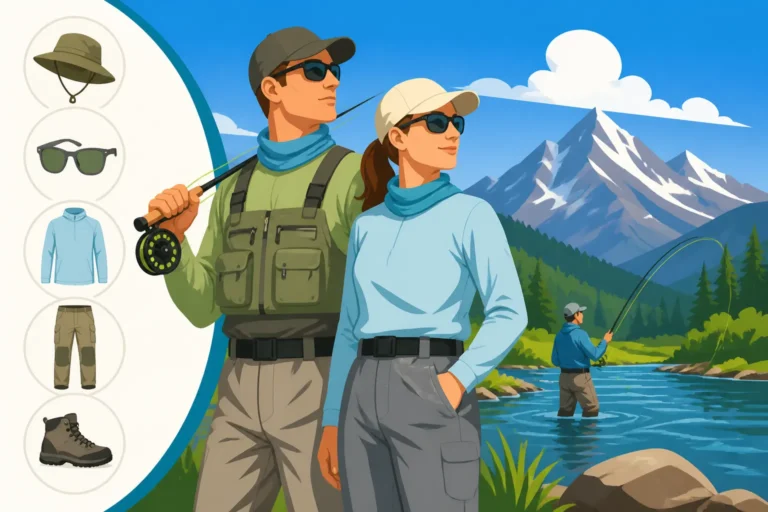
Even on a guided trip where gear is provided, knowing what personal items to bring is crucial. Layering is key in Colorado's mountains, as weather can change rapidly.
- Base Layers: Moisture-wicking material is best, even in summer.
- Mid-Layers: Fleece or wool for insulation.
- Outer Layer: A waterproof and windproof jacket is essential year-round, even on sunny days, for unexpected rain or afternoon breezes.
- Hat & Sunglasses: Protect yourself from the sun and improve visibility into the water. Polarized sunglasses are a game-changer for spotting fish.
- Socks: Wool or synthetic socks are better than cotton for comfort inside waders.
- Sunscreen & Lip Balm: High-altitude sun is intense.
- Camera: Capture those beautiful fish and scenery!
- Snacks & Water: While guides often provide lunch and drinks, having extra is always a good idea.
What to Wear on a Colorado Guided Fishing Trip is really about being prepared for anything the mountains throw at you.
Understanding Licensing and Regulations
This is absolutely non-negotiable: you must have a valid Colorado fishing license and a Habitat Stamp before you step foot in the river. Your guide cannot provide these, and fishing without them can result in hefty fines. You can easily purchase these online through the Colorado Parks and Wildlife website (CPW), at a local sporting goods store, or a licensed vendor. How to Buy a Colorado Fishing License online is very straightforward. Be sure to understand the specific regulations for the Roaring Fork, especially any special conditions for its Gold Medal stretches, which might include specific bag limits, catch-and-release rules, or gear restrictions. Your guide will always reinforce these rules on the water, but it's your responsibility to be compliant from the start.
Investment and Etiquette: Costs and Tipping Your Guide
Guided fishing trips are an investment, but one that often pays dividends in experience, knowledge, and memories. Understanding the costs involved and proper etiquette, particularly regarding tipping, ensures a smooth and respectful interaction.
What Influences the Price of a Guided Trip
The cost of a guided trip on the Roaring Fork, like any other premium service, can vary based on several factors.
- Trip Duration: Half-day trips are generally shorter and less expensive than full-day excursions. What a Full-Day Colorado Guided Fishing Trip Costs will usually be a significant investment, but it provides ample time on the water.
- Type of Trip: Float trips might be slightly more expensive due to boat maintenance and logistics compared to walk-wade trips. Private water access often adds a premium.
- Inclusions: Does the price cover lunch, drinks, all gear (waders, boots, flies), and transportation? Make sure you know exactly what’s included so there are no surprises.
- Number of Anglers: Most prices are based on one or two anglers. Adding more can sometimes incur additional fees or require an additional guide.
- Seasonality: Peak season dates might see slightly higher demand or pricing.
It's always best to get a clear breakdown of costs from your chosen outfitter. Remember, you're paying for their expertise, their equipment, their time, and their ability to put you on fish and teach you how to catch them.
The Importance of Tipping Your Guide
Tipping your guide is standard practice and an important part of the overall cost. Just like in the service industry, guides rely on tips as a significant portion of their income. A typical gratuity for a good day on the water is generally 15-20% of the trip's base price. This goes directly to your guide as a thank you for their hard work, patience, knowledge, and the effort they put into making your day successful and enjoyable. Even if the fishing is slow (which can happen, it's fishing after all!), a guide's effort, positive attitude, and teaching should be recognized. Tipping a Colorado Fishing Guide, What's Standard often surprises newcomers, but it's an essential part of the outdoor guiding culture. If you had a truly exceptional experience, feel free to tip more!
Cancellation Policies and Rescheduling
Life happens, and sometimes plans change. Understanding the cancellation policy of your outfitter is crucial. Most outfitters have strict policies, especially during peak season, because guides often book up weeks or months in advance, and a late cancellation means lost income for them. You might be required to put down a non-refundable deposit, or face a cancellation fee if you cancel within a certain window (e.g., 7-14 days). However, many outfitters are understanding about situations beyond your control, such as severe weather that makes fishing unsafe or unproductive. In such cases, they might offer to reschedule your trip or provide a credit. Always communicate any issues as soon as possible, and remember to be clear on their policy when booking.
| Trip Type | Pros | Cons | Ideal For |
|---|---|---|---|
| Walk-Wade | Intimate, detailed instruction, focused water | Covers less water, more physical effort | Beginners, skill development, focused fish stalking |
| Float Trip | Covers more water, less physical effort, stable | Less intimate, less detailed river-bottom view | Covering ground, reaching secluded spots, relaxing float |
| Private Water | Less pressure, potentially more fish, solitude | Higher cost, limited availability | Exclusive experience, seeking trophy fish |
Disclaimer
This article is for general informational purposes only and does not constitute professional advice. Laws, prices and regulations vary by location and change over time. Consult a qualified professional for guidance on your specific situation.