Guided Trips on the Fryingpan River Near Basalt
The Fryingpan River, often affectionately called "the Pan" by local anglers, presents a unique and sometimes intimidating challenge for even seasoned fishermen. Its crystal-clear waters and selective trout can make a day on the river feel more like a puzzle than a relaxing outing. If you're planning a trip to this renowned Gold Medal fishery near Basalt and want to unlock its secrets, a guided trip can be the absolute best way to navigate its complexities, offering invaluable insights and significantly increasing your chances of a successful and memorable day.
Why the Fryingpan River is a Premier Guided Fishing Destination
The Fryingpan River, flowing out of Ruedi Reservoir, isn't just another pretty stream in Colorado. It's a truly special place, celebrated nationwide for its prolific insect life and the abundance of large, healthy trout it produces. It's the kind of river that can humble you one minute and reward you with the fish of a lifetime the next.
The Fryingpan's Gold Medal Status and Unique Ecosystem
What exactly makes the Fryingpan so legendary? It all starts with its designation as a Gold Medal Water by Colorado Parks and Wildlife. This isn't just a fancy title; it signifies a stretch of river that consistently supports a high density of large trout, specifically at least 60 pounds of trout per acre and at least 12 trout larger than 14 inches per acre. The Fryingpan easily exceeds these benchmarks, making it a dream destination for anglers seeking quality over quantity. The abundance of prime habitat and a thriving food base are key factors.
The Fryingpan's unique ecosystem, particularly the section below Ruedi Reservoir, is what truly sets it apart. This is a tailwater fishery, meaning its water flow and temperature are largely regulated by the dam upstream. The reservoir acts as a massive biological filter, delivering cold, nutrient-rich water that remains relatively stable year-round. This consistent environment allows aquatic insects to flourish, creating incredibly rich hatches that are the envy of many other rivers. This reliable food source is precisely Why the Fryingpan Below Ruedi Grows Giant Rainbows and sustains such a robust trout population.
Consistent Hatches and Year-Round Fishing Opportunities
One of the most appealing aspects of the Fryingpan, especially for fly anglers, is its reputation for consistent and diverse insect hatches. From microscopic midges in the dead of winter to prolific Blue-Winged Olives, Caddis, and even the occasional Green Drake in warmer months, there's almost always something hatching or about to hatch. This means that, unlike some freestone rivers that become unfishable during certain seasons, the Fryingpan offers rewarding opportunities for guided trips virtually any time of year.
Even during the challenging winter months, when many other rivers are frozen or experiencing sluggish fishing, the Fryingpan's stable tailwater conditions allow for excellent midge and BWO hatches. A guided trip during these times can be particularly rewarding, as a knowledgeable guide can help you spot the subtle rises and present the tiny flies effectively, often leading to truly memorable days on the water. This consistent insect activity is why anglers from all over the world flock to this specific river year after year.
What to Expect on a Guided Fryingpan River Trip
You've decided to book a guide for the Fryingpan – excellent choice! Now you might be wondering what a typical day looks like. Guided trips aren't just about catching fish; they're about learning, exploring, and truly experiencing the river with an expert by your side.
Types of Guided Trips Available Walk-Wade vs. Float
On the Fryingpan, you'll generally find two primary types of guided trips: walk-wade trips and float trips. Each offers a different experience and access to various parts of the river.
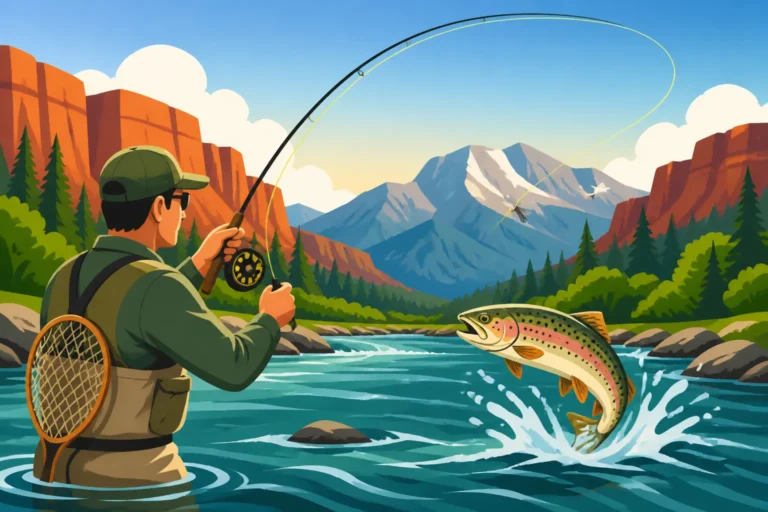
A walk-wade trip is often the most common way to experience the Fryingpan. On these trips, your guide will drive you to specific access points, and you'll spend the day walking the banks and wading into the river. This allows for a more intimate experience, focusing on smaller sections of water, dissecting individual runs and pools, and often involves less moving around. It's an excellent option for anglers who want to spend time perfecting their casting, nymphing, or dry fly techniques in a focused environment. Guides are fantastic at teaching you how to read the water, identify feeding lanes, and present flies precisely. These are often categorized as Guided Walk-Wade Trips on Colorado Rivers.
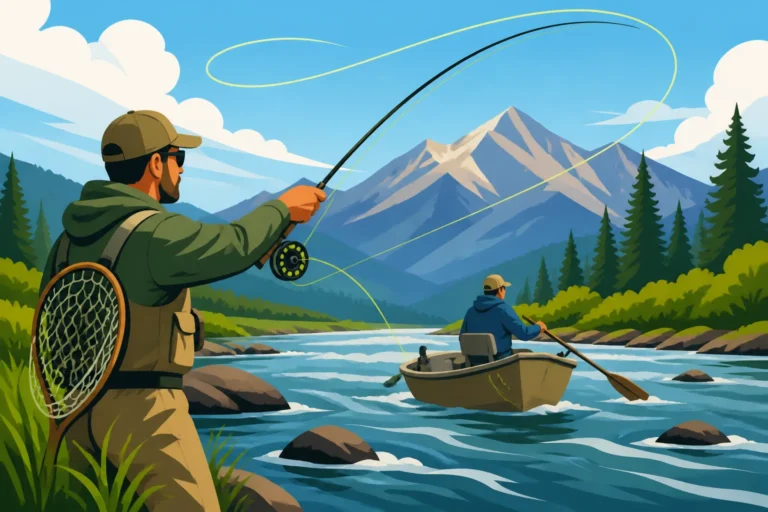
Float trips, while less common on the narrower upper Fryingpan, are certainly an option, especially on the lower, wider sections of the river. Here, you'll be fishing from a drift boat or raft, allowing you to cover significantly more water and access areas that are difficult or impossible to reach by wading. Float trips can be fantastic for those who want to see more of the river, prefer fishing from a boat, or have mobility limitations. The guide will expertly row the boat, positioning you for optimal casts into prime holding water. While you're always on the move, a good guide will still pull over and allow for wading in particularly promising spots. These are often referred to as Guided Float Trips on Colorado Rivers. The choice between a walk-wade and a float trip often depends on your personal preference, physical capabilities, and what section of the river you wish to explore.
Typical Itinerary and Inclusions
While every outfitter and guide has their own style, a typical full-day guided trip on the Fryingpan usually runs about 8 hours. Half-day trips are also available, often running 4-5 hours. Your day will generally start by meeting your guide at a predetermined spot, usually a fly shop in Basalt or a convenient access point along the river. After a quick chat about your goals and experience level, you'll head to the river.
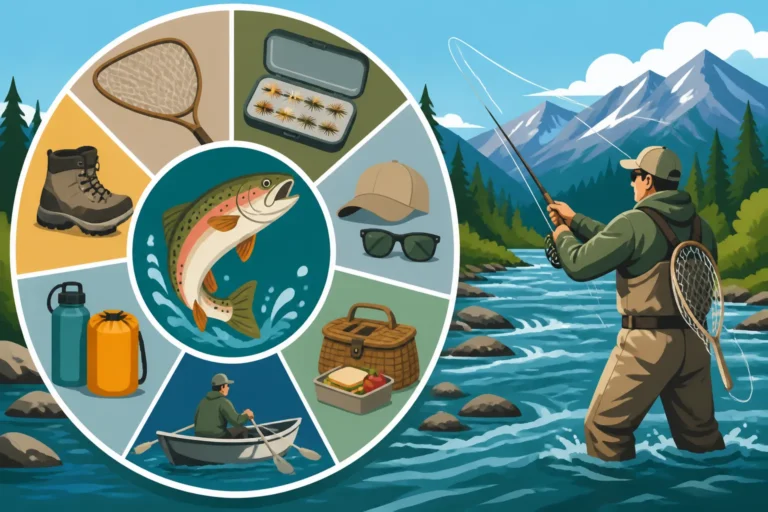
Most guided trips include all the necessary fishing gear, such as high-quality rods, reels, waders, and boots. They'll also supply all the flies and terminal tackle (leaders, tippet, indicators, split shot) needed for the day. Lunch, snacks, and drinks are often provided on full-day trips, while half-day trips might include snacks and beverages. Beyond the gear, the true value lies in the guide's expertise: their knowledge of current hatches, water conditions, fish behavior, and specific techniques for the Fryingpan. They'll patiently offer instruction, untangle frustrating knots, spot fish you'd never see, and make sure you're always fishing in the right spots with the right setup.
Gear, Flies, and Licensing: What You Need and What's Provided
One of the biggest perks of a guided trip is not having to worry about most of the gear. As mentioned, most guides provide everything from the rod to the flies. However, there are a few essentials you'll still be responsible for.
First and foremost, you need a valid Colorado fishing license. This is non-negotiable and something your guide cannot provide for you. You can purchase a license online through the Colorado Parks and Wildlife (CPW) website, over the phone, or at most sporting goods stores and fly shops. Make sure you also understand the requirements for Colorado's Habitat Stamp, Explained, as this is generally required alongside your fishing license for anyone aged 18-64. Before your trip, take a moment to review the Colorado Fishing Regulations Every Angler Should Know, as there might be specific rules for certain sections of the Fryingpan, especially related to special management areas or specific species limits.
Secondly, don't forget personal items like sunglasses (polarized are a must for spotting fish), a hat for sun protection, sunscreen, and layers of clothing. Colorado weather, especially in the mountains, can change rapidly, so being prepared for anything from a warm sunny day to a sudden rain shower is crucial. Your guide will provide the specialized fishing equipment, but comfort items are on you! If you have your own favorite rod or waders, feel free to bring them along, but let your guide know beforehand.
| Item | Typically Provided by Guide | Angler's Responsibility | Notes |
|---|---|---|---|
| Fishing Rod/Reel | Yes | Optional | High-quality gear usually provided. Bring your own if you prefer. |
| Waders/Boots | Yes | Optional | Ensure correct size is communicated to outfitter. |
| Flies/Tackle | Yes | Optional | Guides have the best, most current patterns for the Fryingpan. |
| Leaders/Tippet | Yes | No | Integrated into the guide service. |
| Lunch/Snacks | Often (Full-day) | Always bring extras | Confirm with outfitter. Bring your favorite snacks and water bottle. |
| Drinks | Often | Always bring extras | Confirm with outfitter. Hydration is key at altitude. |
| Sunscreen | No | Yes | Essential for Colorado's intense sun. |
| Hat | No | Yes | Wide-brimmed hat is recommended. |
| Sunglasses | No | Yes | Polarized sunglasses are CRITICAL for spotting fish and eye protection. |
| Fishing License | No | Yes | MUST be purchased before your trip. |
| Habitat Stamp | No | Yes | Required for most adults aged 18-64. |
| Rain Jacket | No | Yes | Weather can change quickly in the mountains. |
| Camera | No | Yes | For capturing those memorable moments! |
Choosing the Right Guide and Outfitter Near Basalt
Selecting the right guide is just as important as choosing the right river. A great guide can turn a challenging day into an incredibly rewarding experience, while a less-than-ideal match can detract from your enjoyment. Near Basalt, you'll find a variety of excellent outfitters and independent guides specializing in the Fryingpan.
Qualities of a Great Fryingpan Guide
What makes a guide truly stand out on a technical river like the Fryingpan? It goes beyond simply knowing how to catch fish. A truly great Fryingpan guide possesses a blend of skills and personal attributes. First, they have deep, intimate knowledge of the river itself – every bend, every rock, every subtle current seam. They understand the nuances of the Fryingpan's hatches and know precisely Best Flies for the Fryingpan River's Toilet Bowl and other key spots, adapting their fly selection as conditions change throughout the day.
Secondly, patience and teaching ability are paramount. Many people book guides to learn, and a good guide is an excellent instructor, breaking down complex techniques like nymphing or dry fly presentation into manageable steps. They offer constructive feedback without being critical and celebrate every success, no matter how small. Finally, a great guide is personable, enthusiastic, and genuinely passionate about sharing their love for the river. They are a true ambassador for the sport and the Fryingpan, making the day enjoyable regardless of the fish count.
Local Outfitters and Booking Options
Basalt and the surrounding Roaring Fork Valley are home to several reputable fly shops and guide services that operate on the Fryingpan. These outfitters employ experienced guides who know the river inside and out. Popular options often include shops located right in Basalt, or those a short drive away in Carbondale or Aspen. When booking, it's always a good idea to check reviews and potentially call a few places to get a feel for their approach.
Beyond direct bookings, online platforms like FishingBooker can be a convenient way to browse guides, compare prices, and read client reviews for trips on the Fryingpan. Whether you book directly or through a platform, always confirm what's included in the price, cancellation policies, and any specific requests you might have. For example, if you're a complete beginner, make sure to mention that so the outfitter can pair you with a guide who specializes in teaching.
Considering Experience Levels and Group Sizes
When booking your guided trip, think about your own fishing experience and the size of your group. Guides are adept at working with all skill levels, from absolute beginners who've never held a rod to advanced anglers looking to refine their techniques on challenging waters. If you're new to fly fishing, communicate that upfront. Your guide will tailor the day to teach you the basics, focusing on casting, knot tying, and fish fighting techniques. For experienced anglers, the guide can push you to explore more technical aspects or hunt for trophy fish.
Most guided trips are designed for 1-2 anglers per guide. This ensures personalized attention and makes wading or moving around the river much more efficient. If you have a larger group or a family, outfitters can often arrange multiple guides to accommodate everyone. Remember, the goal is a quality experience, and too many anglers with one guide can dilute the instruction and river time for everyone involved. Be upfront about your group size and needs when you first inquire about booking.
Best Seasons and Conditions for Fryingpan Guided Trips
The Fryingpan River is unique in that it offers fantastic fishing opportunities year-round, thanks to the stabilizing influence of Ruedi Reservoir. However, each season brings its own distinct challenges and rewards, and understanding these can help you plan your ideal guided trip.
Spring and Summer: Hatches Galore
Spring (April-May) on the Fryingpan can be a bit of a transition period. While other freestone rivers in Colorado are experiencing intense spring runoff, making them high and muddy, the Fryingpan's tailwater flow is usually stable. This means it often fishes exceptionally well, offering a reprieve from the "mud-off" elsewhere. Blue-Winged Olive (BWO) hatches can be prolific, especially on overcast days, leading to incredible dry fly fishing. Nymphing is consistently strong, and as waters warm, caddis hatches start to emerge, adding another layer of excitement.
Summer (June-August) is arguably the most popular time on the Fryingpan. This is when the river truly comes alive with diverse insect activity. Caddis hatches are strong, pale morning duns (PMDs) make an appearance, and towards late summer, even some larger terrestrial patterns like hoppers can be effective. The longer daylight hours mean more time on the water, and the generally pleasant weather makes for comfortable fishing. While the crowds can be heavier during peak summer, a good guide knows how to navigate busier sections or find less-pressured water, ensuring you still get a fantastic experience Fishing the Fryingpan River Below Ruedi Reservoir.
Fall: Trophy Browns and Cooler Temperatures
Ah, fall on the Fryingpan (September-November)! For many avid anglers, this is a magical time. The summer crowds begin to thin, the aspen trees turn to brilliant gold, and the brown trout start to get aggressive as they prepare for their spawning run. While the Fryingpan is most famous for its rainbow trout, the river also holds impressive brown trout, and fall is the prime season to target them. Streamer fishing can be incredibly effective during this time, tempting those larger, predatory browns out from their hiding spots.
The cooler temperatures often mean comfortable wading and less pressure on the fish. While BWO hatches can still occur, particularly in early fall, the focus often shifts to larger nymphs and streamers. A guided trip in the fall offers a chance at truly trophy-sized fish and the serene beauty of the Colorado autumn. It's a fantastic time to chase those elusive, chunky browns that have been fattening up all summer.
Winter: The Tailwater's Consistent Bounty
Don't let the thought of winter deter you from a Fryingpan guided trip! This tailwater fishery truly shines when other rivers are locked up with ice. Winter (December-March) on the Fryingpan is defined by consistent flows and reliable midge and BWO hatches. While the flies are often tiny, and the takes can be subtle, the rewards can be huge. The fish often concentrate in deeper, slower pools, and with fewer anglers on the water, you can have stretches of this world-class river almost to yourself.
A guided winter trip is perfect for honing your nymphing skills with delicate presentations and learning how to read the subtle movements of trout feeding in slow currents. Your guide will ensure you're bundled up appropriately and equipped with the right tiny patterns. It's a peaceful and highly focused fishing experience, often resulting in some surprisingly good fish on small flies. Just be prepared for colder temperatures and potentially icy banks.
Maximizing Your Guided Fryingpan Experience
Booking a guided trip is an investment in an experience, and there are ways to ensure you get the most out of it. From preparation to on-river etiquette, a little thought can go a long way.
Preparation and Communication with Your Guide
Before your trip, take some time to communicate with your guide or the outfitter. Discuss your experience level, what you hope to achieve (e.g., learn new techniques, catch a trophy, simply enjoy a day on the water), and any physical limitations you might have. If you have specific questions about Colorado Fishing License Costs Explained or what kind of weather to expect, don't hesitate to ask. This open communication allows your guide to tailor the day specifically to you.
On the morning of your trip, listen carefully to your guide's instructions. They are the experts on this river, on this day. Trust their advice on fly selection, casting instruction, and where to place your casts. Be an active participant – ask questions, observe, and try new techniques they suggest. Remember, the guide's primary goal is to make your day enjoyable and successful, so a collaborative attitude is always appreciated.
Etiquette on the River and Tipping Your Guide
Good river etiquette is always important, and even more so on popular waters like the Fryingpan. If you encounter other anglers, give them plenty of space. Avoid wading directly upstream or downstream of someone without permission, and never cast over another angler's line. Your guide will help navigate these situations, but being mindful yourself goes a long way.
Regarding compensation, it's customary to tip your fishing guide at the end of the day. A standard tip for a full-day trip on a river like the Fryingpan is generally around 15-20% of the trip's cost, assuming you had a good experience and the guide worked hard. If they went above and beyond, consider tipping a bit more. A half-day trip would follow a similar percentage. This tip acknowledges their hard work, expertise, and commitment to your day. For more details, you can read up on Tipping a Colorado Fishing Guide, What's Standard.
Photography and Preserving Memories
While the focus of a guided trip is often the fishing itself, don't forget to capture some memories! The Fryingpan River flows through some truly stunning Colorado scenery, and a picture with a beautiful trout against that backdrop is something you'll cherish. Most guides are happy to take photos of you with your fish, just be sure to communicate that you'd like some pictures.
Remember, proper fish handling for catch-and-release photography is crucial to ensure the fish's survival. Keep the fish in the water as much as possible, use wet hands when handling, and try to keep its time out of the water to a minimum. A quick, respectful photo is far better than a prolonged struggle for a "perfect" shot. Your guide will demonstrate the best way to safely handle the fish for a quick picture before releasing it back to the river.
Disclaimer
This article is for general informational purposes only and does not constitute professional advice. Laws, prices and regulations vary by location and change over time. Consult a qualified professional for guidance on your specific situation.