Guided Trips for Smallmouth Bass in Colorado
So, you're dreaming of battling a feisty smallmouth bass in the breathtaking backdrop of Colorado, but you're probably feeling a bit overwhelmed trying to figure out where to even begin. While our state is famously known for its trout fisheries, the truth is, smallmouth bass offer an incredibly exciting, hard-fighting challenge, and finding them in the right spots can be a real puzzle. This guide is here to help you understand why a professional guide is your best bet for a successful smallmouth bass trip in Colorado and what to expect when you embark on this unique angling adventure.
Why a Guided Trip for Smallmouth Bass in Colorado?
Colorado isn't exactly famous for its smallmouth bass, which is precisely why chasing them here can be such a rewarding and often challenging endeavor. Unlike trout, which are abundant in almost every cold river and high-country lake, smallmouth have specific habitat requirements, and knowing where to find them is half the battle. This is where a guided trip truly shines, offering an invaluable advantage over going it alone, especially if you're new to the state or new to bass fishing in mountain environments.
Navigating Unique Colorado Waters
Colorado's diverse aquatic environments, from large reservoirs to smaller, lesser-known ponds and river stretches, can be daunting. You might drive past what looks like perfect smallmouth water, only to find out it's a coldwater fishery teeming with trout, or conversely, overlook a hidden gem because it doesn't fit the classic "bass pond" stereotype. Guides spend countless hours on the water, mapping out structure, understanding seasonal patterns, and identifying the specific features that hold smallmouth. They know the subtle nuances that make one rocky point productive and another barren.
Think about the sheer scale of some of our reservoirs, like Pueblo Reservoir or John Martin Reservoir on the Eastern Plains, or even some of the deeper, clearer mountain impoundments. If you're dropping your boat in for the first time, you could spend days just idling around, trying to locate suitable habitat. A guide, however, can take you directly to those submerged rock piles, natural springs, or old creek channels where smallmouth are known to congregate. They've likely tracked fish movements through various water temperatures and forage conditions, giving you a massive head start.
Furthermore, many prime smallmouth spots in Colorado might require specific access points or knowledge of public vs. private land. Navigating these complexities can be a headache for the uninitiated. A good guide not only has permission or knowledge of public access, but they also understand the flow patterns of rivers or the thermal layering of lakes that dictate where smallmouth will be holding. They can help you avoid trespassing issues and make the most of your limited fishing time.
Unlocking Smallmouth Behavior
Smallmouth bass are notorious for their finicky behavior and aggressive, yet sometimes elusive, strikes. They're often ambush predators, relating tightly to structure, but their feeding habits can change drastically with weather, water temperature, and time of day. What worked yesterday might not work today, and adapting quickly is key. A guided trip provides direct access to someone who lives and breathes this kind of problem-solving.
Your guide won't just tell you where to cast; they'll help you understand why you're casting there and how to present your lure. They can teach you the subtle differences between a jig presentation for a sluggish smallmouth tucked in deep rock and a rapid retrieve for an aggressive schooling fish near the surface. They've observed how these fish react to different baits, colors, and retrieval speeds under various conditions, saving you the frustrating trial-and-error that can define a solo trip.
This isn't just about catching fish; it's about learning the art and science of smallmouth bass fishing specific to Colorado's unique conditions. You'll gain insights into their seasonal migrations, spawning habits, and preferred forage, knowledge that empowers you to become a better angler long after your guided trip concludes. You'll be able to identify patterns and make informed decisions on future outings, truly understanding the "why" behind successful smallmouth angling. To delve deeper into the species, you might find Smallmouth Bass in Colorado a helpful read.
Accessing Prime Smallmouth Habitat
Some of the most productive smallmouth fisheries in Colorado can be challenging to reach or require specialized equipment. While many anglers focus on the more popular species, the smaller population of smallmouth bass means that key habitats might be overlooked or less pressured if you know where to find them. A guide has invested in the boats, electronics, and local knowledge to get you to these spots.
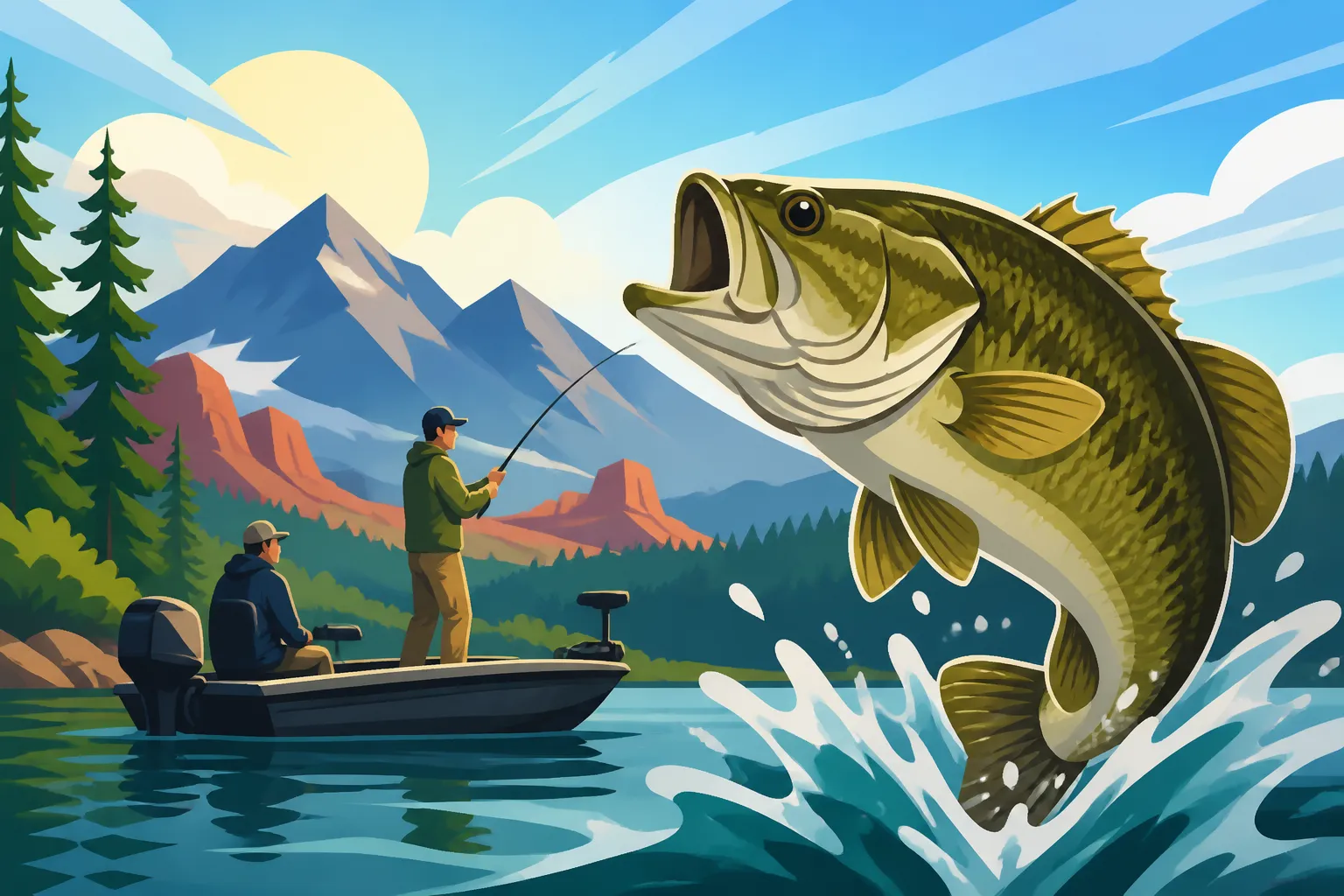
Imagine trying to navigate a new lake in your own boat, unsure of hidden hazards or where the best deep-water structure lies. A guide will have a fully equipped vessel, from high-definition sonar for locating fish and structure to safety gear and multiple rod setups. This allows you to focus purely on fishing, rather than worrying about navigation or gear limitations. They can get you into tight coves, over expansive rock flats, or to specific submerged timber that you might never find on your own.
This access extends beyond just physical location; it includes access to a guide's accumulated wisdom. They know which specific banks warm up first in the spring, triggering a feeding frenzy, or which deep ledges hold schools of bass during the dog days of summer. This localized, intimate knowledge is the ultimate shortcut to finding and catching quality smallmouth, transforming a potentially frustrating search into a productive and enjoyable day on the water.
What to Expect from a Smallmouth Bass Guided Trip
Going on a guided trip, especially for a less common target like smallmouth bass in Colorado, means having certain expectations. It's not just about showing up with a cooler and hoping for the best; it's an educational experience tailored to put you on fish. Understanding what your guide will provide and what your role is can make all the difference for a fantastic day.
Gear and Techniques
When you book a smallmouth bass guided trip in Colorado, you can almost always expect that all the necessary gear will be provided. This typically includes high-quality rods and reels, whether you prefer spinning or baitcasting setups, specifically chosen for the kind of smallmouth fishing you'll be doing. Your guide will have a vast array of lures, baits, and tackle, often including specific colors and patterns that have proven effective on their home waters. This means you don't need to invest in a whole new tackle box full of bass-specific lures if you're primarily a trout angler, or worry about bringing the wrong thing.
Beyond just the equipment, your guide will instruct you on the most effective techniques. Smallmouth fishing often involves specific presentations like jigging, drop-shotting, crankbait retrieval, or even topwater action, depending on the conditions. Your guide will demonstrate these techniques, correct your casting, and help you understand how to "feel" the bite, which can sometimes be incredibly subtle. It's a hands-on learning experience that can dramatically improve your skills. For those who typically fly fish for trout, this might be your first foray into Guided Spin Fishing Trips in Colorado, and your guide will make sure you're comfortable with the methods.
The beauty of a guided trip is that the guide has already done the homework. They know what lures are producing, what depths the fish are holding, and what areas are most active. They'll have multiple rods rigged with different presentations ready to go, allowing you to quickly adapt to changing conditions or experiment with different tactics without wasting precious fishing time re-tying. This focus on efficiency and proven methods maximizes your chances of hooking into those hard-fighting bronze beauties.
Trip Duration and Locations
Smallmouth bass guided trips in Colorado typically range from half-day (around 4 hours) to full-day (6-8 hours) excursions. The duration you choose often depends on your budget, endurance, and how much you want to immerse yourself in the experience. A half-day trip is great for getting a taste of smallmouth fishing or for families with younger anglers, while a full-day trip allows for more exploration, deeper technique instruction, and the chance to fish multiple locations as conditions change.
The specific locations will, of course, depend on where you book your trip, but popular smallmouth waters in Colorado often include larger reservoirs. For example, some excellent bass fishing opportunities can be found at Chatfield Reservoir near Denver, Pueblo Reservoir further south, or even some of the lakes on the Western Slope. Your guide will choose the location based on recent fishing reports, seasonal patterns, and your preferences, aiming to put you on the most productive water available. If you're interested in where to target these fish, check out Best Waters for Smallmouth Bass in Colorado.
It's important to communicate your expectations with the guide beforehand. Are you hoping for numbers of fish, or are you chasing a trophy-sized smallmouth? Are you comfortable with a boat trip, or do you prefer to fish from shore if that's an option? While most smallmouth guiding happens from a boat for better access to structure, some guides might offer wade fishing opportunities in specific river sections where smallmouth reside. Discussing these details upfront ensures that your trip is tailored to your desires and that both you and your guide are on the same page for a successful outing.
The Role of Your Guide
Your guide is far more than just a boat driver; they are your personal instructor, fishing strategist, and local expert rolled into one. Their primary role is to ensure your safety, maximize your chances of catching fish, and provide an enjoyable, educational experience. They will teach you casting techniques, proper lure presentation, and how to identify fish-holding structure on sonar. They'll also handle all the logistics, from launching the boat to navigating the water and ensuring you're following all local regulations, including Colorado fishing license requirements. If you're wondering about licenses, Colorado Fishing License Guide for Residents and Nonresidents is a great resource.
A good guide will constantly be reading the water, adjusting tactics, and changing locations to stay on active fish. They'll explain why certain techniques are working (or not working) and offer tips to refine your approach. They'll also be an invaluable source of local knowledge, sharing insights about the area's history, wildlife, and conservation efforts. Think of them as your professor for the day, deeply knowledgeable and eager to share their expertise.
Communication is key to a successful guide-client relationship. Don't be afraid to ask questions, voice concerns, or let your guide know if you need a break. Remember that while they are experts, fishing can be unpredictable. There are no guarantees when it comes to catching fish, but a guide significantly increases your odds and enhances the overall experience by providing expertise and a seamless day on the water. Remember that your guide works hard to make your trip a success, and generally, a standard tip is expected for their efforts; Tipping a Colorado Fishing Guide, What's Standard provides more detail on this.
Finding and Booking Your Smallmouth Bass Guide
Finding the right smallmouth bass guide in Colorado can feel like a treasure hunt itself, given that trout guides tend to dominate the scene. But with a bit of focused effort, you can absolutely connect with an experienced professional who specializes in these exciting fish. The key is knowing where to look and what questions to ask to ensure you're getting the best match for your fishing goals.
Researching Local Outfitters
Start your search by looking for outfitters or independent guides who explicitly mention smallmouth bass or warmwater species in their offerings. While many guides focus on trout, some passionate individuals or specialized operations do cater to bass anglers, particularly in areas with good smallmouth populations. Local tackle shops or sporting goods stores in towns near prominent bass reservoirs (like Pueblo, Brighton, or even some areas on the Western Slope) are often excellent starting points. They can usually provide recommendations for local guides who know the water intimately.
Online resources are also incredibly valuable. Websites dedicated to booking fishing trips can connect you with guides in Colorado who specialize in various species. For instance, platforms like FishingBooker allow you to filter by location and target species, making it easier to find guides who list smallmouth bass as a primary focus. You can often see reviews from previous clients, read about the guide's experience, and get a feel for their guiding style. This transparency helps you make an informed decision and ensure you're picking someone truly qualified for your smallmouth adventure.
Don't be afraid to reach out to a few different guides. Compare their experience, what they offer (e.g., all gear included, types of boats, specific target waters), and their general approach. You want someone enthusiastic about smallmouth and knowledgeable about the specific Colorado waters you plan to fish. Checking their online presence for recent catch photos or fishing reports can also give you an idea of their recent success and expertise.
Essential Questions to Ask
Once you've identified a few potential guides, it's time to have a conversation. Asking the right questions upfront will clarify expectations and ensure a smooth trip. Here’s a table of crucial questions to consider:
| Category | Key Questions to Ask | Why It Matters |
|---|---|---|
| Experience | "How long have you been guiding for smallmouth bass in Colorado?" | Indicates depth of local knowledge and expertise with the species. |
| "Which specific waters do you typically fish for smallmouth?" | Confirms their familiarity with the most productive areas. | |
| Trip Details | "What's included in the trip (gear, bait, lunch, drinks)?" | Avoids surprises and helps you plan What to Bring on a Half-Day Colorado Fishing Trip. |
| "Do I need a fishing license, and where can I get one?" | Crucial for legal fishing; guides usually confirm this. See Do You Need Your Own License for a Guided Trip in Colorado?. | |
| "What kind of boat will we be using?" | Important for comfort, safety, and suitability for the water. | |
| Flexibility | "What happens in case of bad weather or unforeseen circumstances?" | Understand Cancellation Policies for Colorado Guided Trips and rescheduling options. |
| "Can you accommodate specific requests (e.g., fly fishing for bass, targeting big fish)?" | Ensures the trip aligns with your personal goals. | |
| Preparation | "What should I What to Wear on a Colorado Guided Fishing Trip?" | Helps you pack appropriately for Colorado's variable weather. |
| "Are there any specific regulations I should be aware of for smallmouth bass?" | Ensures you're compliant with bag and possession limits. |
Don't rush these conversations. A good guide will appreciate your thoroughness and be happy to answer all your questions. This initial dialogue is your chance to gauge their personality and ensure you feel comfortable and confident in their abilities. More general tips can be found in Questions to Ask Before Booking a Colorado Fishing Guide.
Booking Logistics and Preparation
Once you've chosen your guide, the next step is booking and preparing for your trip. Most guides will require a deposit to secure your date, with the balance due on the day of the trip. Confirm payment methods and any specific instructions they might have. Many guides offer convenient online booking options, sometimes through platforms like FishingBooker, which streamline the process and provide secure payment gateways. This makes Booking a Colorado Fishing Guide Online incredibly easy and efficient.
Before your trip, make sure you have your valid Colorado fishing license. If you're a nonresident, or if you plan to fish for multiple days, consider the different license options available, such as annual or multi-day licenses, as explained in Colorado Fishing License Costs Explained. Your guide can advise you on what’s best for your trip duration.
Finally, pack appropriately for Colorado's mountain weather, which can change quickly. Layers are always a good idea, along with sunscreen, a hat, polarized sunglasses (essential for spotting fish and protecting your eyes), and any personal medications. Bring snacks and drinks, even if some are provided, to stay energized. By taking these preparatory steps, you'll be ready to fully enjoy the thrill of catching smallmouth bass against Colorado's stunning backdrop, making memories that will last a lifetime.
Disclaimer
This article is for general informational purposes only and does not constitute professional advice. Laws, prices and regulations vary by location and change over time. Consult a qualified professional for guidance on your specific situation.