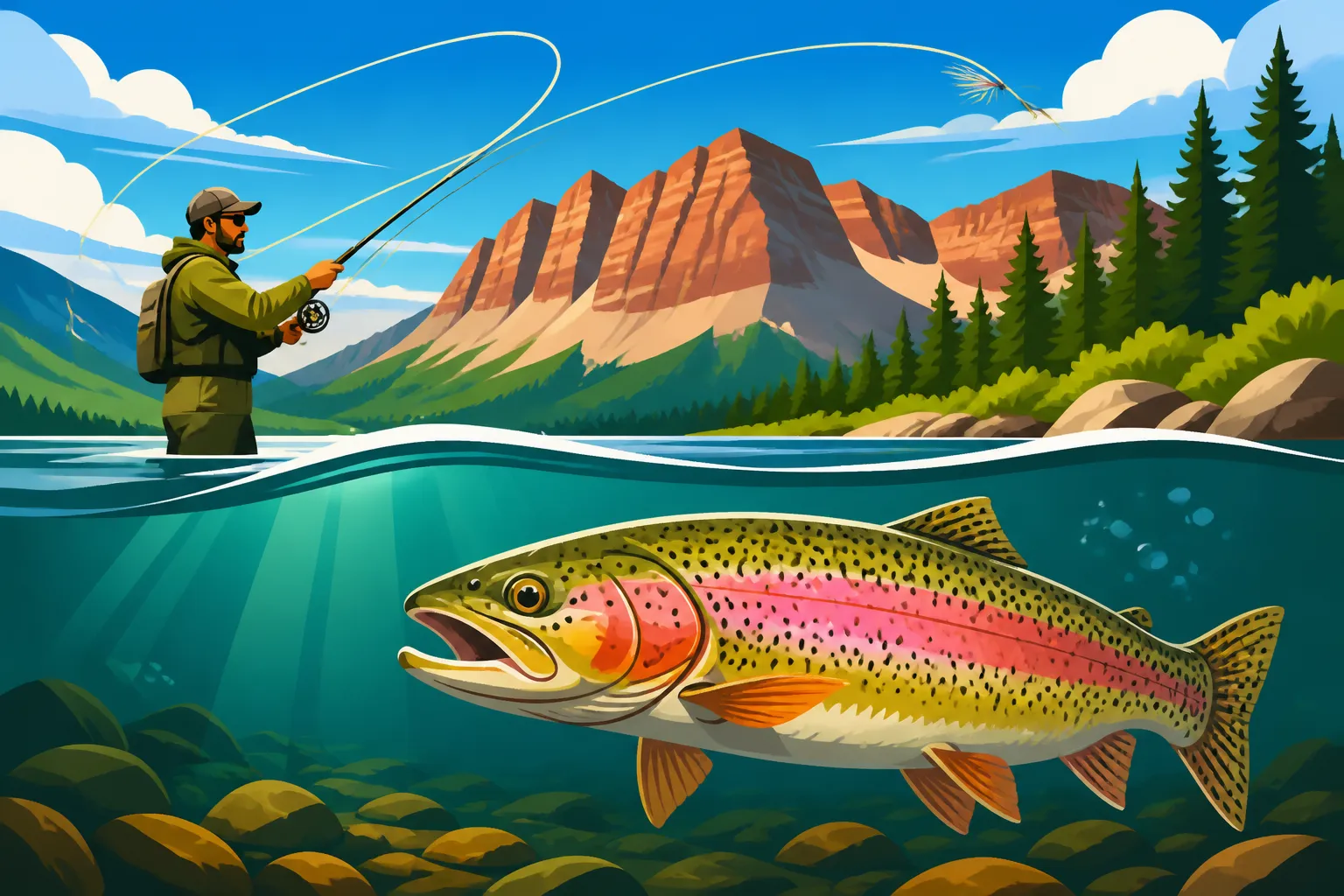
Why the Fryingpan Below Ruedi Grows Giant Rainbows
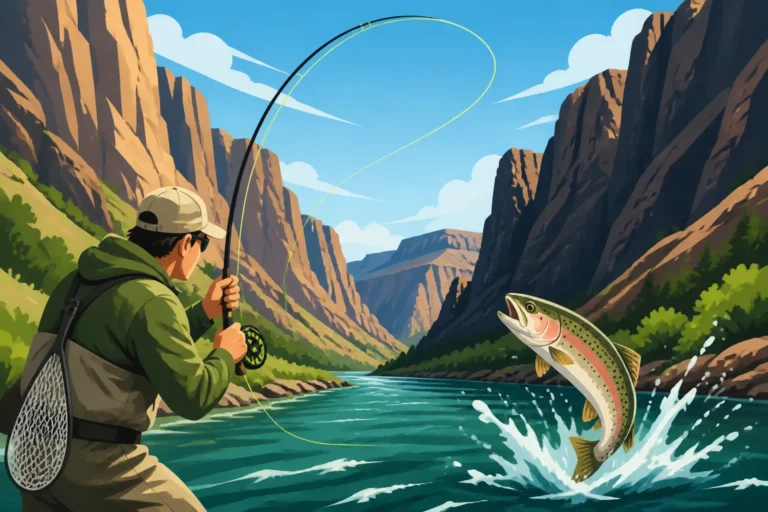
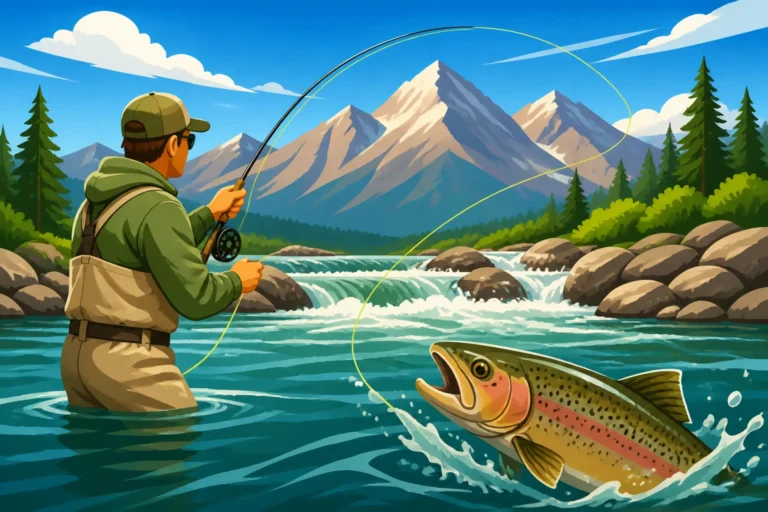
The Fryingpan River, nestled in the heart of Colorado, holds a legendary status among anglers, particularly for the sheer size and beauty of its rainbow trout. If you've ever heard whispers of "the Pan" and its giant fish, you know the allure. It's a place where 20-inch rainbows aren't just a dream, they're a regular occurrence, leaving many to wonder what magic makes these waters so special. This guide will dive deep into the unique conditions and careful management that allow the Fryingpan to cultivate such magnificent fish, offering insights into why this river truly stands apart.
The Unique Ecosystem of the Fryingpan Tailwater
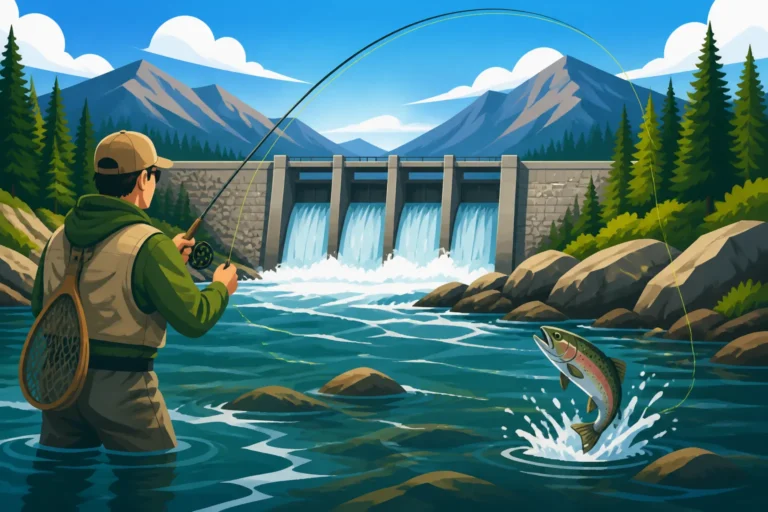
The Fryingpan River's ability to grow giant rainbow trout isn't by accident; it's the direct result of a perfect storm of environmental factors, most notably its designation as a tailwater fishery below the Ruedi Reservoir. This creates an incredibly stable and nutrient-rich environment that acts as a super-highway for trout growth. It’s not just a river; it's a meticulously managed aquatic greenhouse.
Constant Cold Water from Ruedi Reservoir
The most significant factor contributing to the Fryingpan's bounty is the consistent flow of cold, oxygen-rich water released from the bottom of Ruedi Reservoir. Unlike many freestone rivers that experience drastic temperature fluctuations throughout the seasons, the Fryingpan's waters maintain a remarkably stable temperature range year-round. This stability is crucial for trout, particularly rainbows, which thrive in colder temperatures and can become stressed or lethargic in warmer conditions.
Imagine a typical Colorado mountain river in the summer. Daytime temperatures can soar, warming the water to levels that are less than ideal for trout, forcing them to seek out colder pockets or become less active. In contrast, the Fryingpan benefits from the deep, stratified layers of Ruedi Reservoir, ensuring that even on the hottest July days, the water entering the river remains cool and invigorating. This constant coolness means the trout are active and feeding for longer periods, without the energy-sapping stress of temperature extremes. This consistency is a cornerstone of their rapid growth.
Abundant Food Sources and Nutrient-Rich Waters
Beyond the stable temperatures, the Fryingpan is an absolute buffet for trout, teeming with an incredible density and diversity of aquatic invertebrates. The fertile waters flowing out of Ruedi Reservoir carry a continuous supply of nutrients, fueling an explosion of insect life. Midges, blue-wing olives (BWO), caddisflies, and scuds are present in staggering numbers throughout the year.
The sheer volume of these insects means the trout rarely have to expend significant energy searching for food. They can simply hold in prime feeding lanes, allowing the conveyor belt of sustenance to come to them. Scuds, in particular, are small, shrimp-like crustaceans that are incredibly abundant in the Fryingpan. They are packed with protein and fat, acting like a daily vitamin supplement for the trout, allowing them to pack on weight at an accelerated rate. When you combine this year-round abundance with the stable water temperatures that keep fish actively feeding, it's easy to see why these rainbows grow so large. It's like a perpetual, all-you-can-eat feast in an ideal climate.
Limited Spawning Opportunities and Hatchery Supplementation
Another key element in the Fryingpan's trophy trout equation is the unique reproductive situation. The tailwater section below Ruedi Dam offers very limited natural spawning habitat for rainbow trout. While some brown trout do manage to spawn, the conditions aren't ideal for large-scale rainbow reproduction. This might sound counterintuitive for a healthy fishery, but it actually contributes to the growth of bigger fish.
To maintain a robust population, Colorado Parks and Wildlife (CPW) actively stocks the Fryingpan with rainbow trout, many of which are "triploid" fish. Triploid trout are sterile, meaning they don't expend energy on spawning or reproductive activities. Instead, all their energy is directed towards growth. Think of it like a bodybuilder who puts all their calories and effort into muscle mass rather than other biological functions. These sterile fish, combined with the abundant food and stable environment, have one main objective: get big. This strategic stocking ensures a consistent supply of large, healthy rainbows that contribute to the river's trophy reputation. It's a calculated decision by CPW to optimize the fishery for quality over sheer quantity of naturally reproducing fish.
Factors Contributing to Trophy Trout Growth
While the Fryingpan's unique ecosystem lays the groundwork, it's the human element and conservation efforts that truly seal its status as a trophy fishery. Angler behavior, protective regulations, and a strong catch-and-release ethic amplify the river's natural advantages, allowing these fish to mature into giants.
Low Angling Pressure in Key Sections
Despite its reputation, certain sections of the Fryingpan experience surprisingly low angling pressure, especially when compared to some other well-known Gold Medal Waters in Colorado. The river offers a mix of easily accessible spots and more remote stretches that require a bit more effort to reach. Areas directly below the dam, often referred to as "the toilet bowl" due to the churning water, can see higher concentrations of anglers, but even here, the fish are often so focused on feeding that they can be less spooky.
Further downstream, many prime sections require walk-in access or floating, which naturally filters out a significant portion of casual anglers. Those willing to hike a bit or commit to a float trip often find themselves rewarded with less pressured fish that are more willing to eat. This reduced pressure allows trout to live longer, grow larger, and become less wary of human presence, a critical factor in developing truly trophy-sized fish. Learning to navigate the river's access points and understanding the flow of fishing pressure can significantly increase your chances of finding those untouched giants.
Catch-and-Release Ethos and Special Regulations
The Fryingpan River, particularly its lower reaches from the Ruedi Dam downstream to the Roaring Fork River, is designated as Gold Medal Water. This designation isn't just a fancy title; it comes with strict regulations designed specifically to foster large trout. Anglers visiting this incredible fishery quickly learn the importance of adhering to these rules, which are instrumental in protecting the trophy potential of the fish. You can find detailed information about these protective measures in the Colorado Gold Medal Water Regulations Explained guide.
One of the most impactful rules is the 14-inch minimum length limit for trout, with a bag limit of two fish per day (and often specific species restrictions). However, many anglers on the Fryingpan practice voluntary catch-and-release for all trout, regardless of size. This powerful conservation ethic means that a high percentage of the large fish caught are returned to the water unharmed, allowing them to continue growing and potentially be caught again by another angler. This continuous cycle of release is paramount to the river's ability to produce consistently large rainbows. To further protect these fish, barbless hooks are mandated on many sections of Colorado's Gold Medal waters, including the Fryingpan, significantly reducing harm during the release process. This particular rule is covered in depth in the Barbless Hook Rules on Colorado Rivers guide. Understanding and following these regulations is not just about avoiding fines; it's about respecting the resource that makes the Fryingpan so special.
Natural Selection and Genetic Potential
While stocking plays a role, there's also an element of natural selection at play in the Fryingpan. The fish that survive the gauntlet of predators (both avian and terrestrial) and angling pressure, adapting to the river's currents and hatches, are often those with superior genetics for growth and survival. These stronger, smarter fish continue to grow, passing on their robust traits to any naturally reproducing offspring (though limited for rainbows).
Over time, this process contributes to a population of fish that are simply built to be bigger and tougher. When you combine this inherent genetic potential with the ideal environment and protective regulations, you have a recipe for truly extraordinary trout. Even the stocked triploid rainbows, while sterile, are often selected from strains known for their fast growth rates, further enhancing the trophy potential of the fishery.
Fishing Strategies for Targeting Fryingpan Giants
Catching one of the Fryingpan's legendary rainbow trout requires a thoughtful approach, finesse, and an understanding of their feeding behaviors. These fish are often highly selective, given the abundance of natural food. It's not just about what you throw, but how you present it. Many anglers find their first visit to the Fryingpan humbling, as these wary giants can be incredibly particular. For those looking to hire local expertise, fishing guides on the Fryingpan River offer invaluable insights into these nuanced strategies. You can often find reputable guides through platforms like FishingBooker, who specialize in these waters.
Mastering the Midge and Baetis Hatches
The Fryingpan is famous for its prolific midge and blue-wing olive (Baetis) hatches, which occur year-round, even in the depths of winter. These tiny insects are the staple diet for Fryingpan trout, and mastering them is essential for consistent success. This often means fishing incredibly small flies, sometimes down to size 22-26, on extremely light tippets (5x, 6x, or even 7x fluorocarbon).
Presentation is everything. A drag-free drift is critical, as these trout have ample time to inspect your offering in the clear, slow-moving water. Anglers often fish multiple small flies, mimicking different stages of the insect's life cycle – emergers, nymphs, and adults. A common setup might include a tiny midge pupa nymph trailing an even smaller midge larva pattern. During a strong BWO hatch, which can be particularly intense on cloudy days, switching to a tiny dry fly can be incredibly rewarding, especially in the slower, glassy sections where trout will rise delicately. For a deeper dive into specific fly patterns, check out our guide on Best Flies for Colorado's Gold Medal Trout Water.
Nymphing Deep Runs and Eddies
While dry fly fishing is exhilarating, nymphing is often the most productive method on the Fryingpan, especially for those larger, bottom-oriented fish. The key is to get your flies down to the depth where the trout are holding and feeding. This usually means fishing weighted nymph rigs in the deeper runs, current seams, and eddies.
Setting up a proper nymph rig involves using enough split shot to quickly sink your flies, but not so much that it impedes a natural drift. An indicator is essential for detecting the subtle takes of these often-finicky fish. Common nymph patterns include various midge larva and pupa imitations, pheasant tails, RS2s, and tiny scud patterns. The deeper, slower water in some sections of the Fryingpan can be incredibly productive, as trout have plenty of time to inspect and consume drifting food without expending much energy. Pay close attention to how much weight you're using; too little and your flies won't get to the fish, too much and your drift will be unnatural. For more detailed instructions, our guide on Nymphing Techniques for Colorado Tailwaters offers valuable tips.
Streamer Fishing for Aggressive Trout
While the Fryingpan is predominantly a small fly nymph and dry fly fishery, streamer fishing can be incredibly effective for targeting the largest, most aggressive rainbow and brown trout, especially during specific conditions. This technique is often most productive during periods of lower light, such as early mornings, late evenings, or on overcast days, or after a bump in water flow.
Streamers imitate baitfish, sculpins, or even larger insects, appealing to the predatory instincts of bigger trout. Patterns like Woolly Buggers, Sculpzillas, and articulated streamers in olive, black, or white can entice a reactive strike from a fish that might otherwise ignore smaller offerings. The retrieve is key – a jerky, erratic motion can often trigger a chase. Fishing streamers in the deeper pools, along undercut banks, or near structure where large trout ambush prey can lead to exhilarating takes. This method requires a bit more active fishing than nymphing, but the reward of hooking into a truly massive Fryingpan rainbow on a streamer is an unforgettable experience.
Preserving the Fryingpan's Legacy
The incredible fishing experience offered by the Fryingpan River is a direct result of ongoing conservation efforts and the collective commitment of anglers to responsible practices. It's a privilege to fish these waters, and with that privilege comes the responsibility to ensure they remain vibrant for generations to come. Every angler plays a role in preserving this legacy, whether through adherence to regulations or advocating for habitat protection.
Practicing Responsible Angling
Responsible angling goes beyond simply following the rules; it's about adopting a mindset of stewardship. When you hook into one of those Fryingpan giants, the excitement can be overwhelming, but it's crucial to prioritize the fish's well-being, especially if you plan to release it. Always handle fish gently, using wet hands to avoid removing their protective slime coat. Keep them in the water as much as possible, especially during warmer months, and minimize the time they are exposed to air.
Using single, barbless hooks is not just a regulation on Gold Medal Waters, it's a best practice everywhere. It makes hook removal quick and easy, greatly reducing stress and injury to the fish. When landing a fish, use a rubberized net if possible, as it's less abrasive to their scales and fins than traditional nylon nets. If a fish seems overly exhausted after a fight, take extra time to revive it in the current, holding it upright until it can swim away strongly on its own. These small actions collectively make a huge difference in the survival rates of released fish, ensuring that the next angler, or even you, can enjoy catching that same fish again when it's even larger.
Understanding and Respecting Regulations
Colorado Parks and Wildlife meticulously develops regulations to protect and enhance fisheries like the Fryingpan. These rules, detailed in resources like the Colorado Fishing Regulations Every Angler Should Know, aren't arbitrary; they're based on scientific data and years of observation. Taking the time to read and understand the current regulations before you hit the water is non-negotiable. The specific nuances of Colorado's 14-inch trout length rule, for example, are designed to allow fish to reach a mature size before they can be harvested, thereby maximizing their contribution to the gene pool and overall fishery health.
This includes knowing bag limits, bait restrictions (many parts of the Fryingpan are fly and lure only), and specific length limits. Ignorance of the law is never an excuse, and violating regulations can lead to significant penalties, including fines and loss of fishing privileges. More importantly, it directly harms the resource we all cherish. The Fryingpan's success story is built on collective adherence to these rules. By respecting them, we ensure that the next generation of anglers can also experience the thrill of connecting with one of the Fryingpan's truly giant rainbows. For comprehensive details, be sure to consult the official Colorado Parks and Wildlife regulations brochure or their website, as explained in our guide on Reading Colorado's Fishing Regulations Brochure. If you're planning a trip and need to line up permits or gear, using a service like FishingBooker can help you coordinate your plans effectively.
Fryingpan Gold Medal Water Regulations Summary
To help clarify the specific rules governing this incredible stretch of river, here's a quick summary of the key regulations for the Gold Medal Water section of the Fryingpan River, from Ruedi Dam to its confluence with the Roaring Fork River. Always check the current year's Colorado Parks and Wildlife regulations brochure for the most up-to-date and complete information, as rules can occasionally change.
| Regulation Category | Specific Rule on Fryingpan (Gold Medal Section) | Impact on Fishery |
|---|---|---|
| Fishing Method | Artificial flies and lures only | Protects fish from bait-related injuries; promotes skill-based angling. |
| Hooks | All flies and lures must have single, barbless hooks | Minimizes harm to fish during catch and release, improving survival. |
| Bag & Possession Limit | Two (2) trout 14 inches or longer | Allows smaller fish to grow to trophy size; limits harvest of large fish. |
| Species Restrictions | Applies to all trout species (rainbow, brown, cutthroat) | Ensures comprehensive protection for the entire trout population. |
| Season | Open year-round | Provides continuous fishing opportunity; requires consistent adherence to rules. |
Remember, these regulations are designed to sustain the quality of the Fryingpan fishery. Adhering to them is crucial for its long-term health and the continued opportunity to catch those legendary giant rainbows. When seeking expert advice or planning your adventure, checking a resource like FishingBooker can help you find experienced guides who are well-versed in these rules.
Disclaimer
The information provided in this guide is for general informational purposes only and is subject to change. Fishing regulations, conditions, and access points can vary. Always consult the official Colorado Parks and Wildlife website or their current regulations brochure before planning any fishing trip to ensure you have the most accurate and up-to-date information. Your safety and compliance with all applicable laws are your responsibility.