Fishing the Roaring Fork Through Downtown Aspen
There’s nothing quite like the dream of casting a line into a pristine mountain river, especially one flowing right through a world-famous town like Aspen. But when you finally get there, you might be surprised by the unique challenges and incredible rewards of fishing the Roaring Fork through downtown. This guide will help you navigate the urban stretches of this fantastic river, offering practical advice, local insights, and a clear understanding of what to expect to make your trip a success.
Understanding the Roaring Fork Through Aspen
The Roaring Fork River, as it meanders through the heart of Aspen, offers a unique blend of accessibility and excellent fishing opportunities. It's not your typical remote wilderness experience, but that's part of its charm. You're fishing in the shadow of majestic mountains, with world-class dining and amenities just a stone's throw away.
The Unique Urban Fishery
Imagine a river so healthy it sustains a thriving trout population, even as it flows past bustling streets, art galleries, and pedestrian bridges. That's the Roaring Fork in Aspen. This urban stretch presents a fascinating paradox: while it's highly accessible and often surrounded by human activity, the river itself maintains a remarkable quality. The water, primarily fed by snowmelt and tributaries like Maroon Creek and Snowmass Creek, remains cool and oxygenated, providing an ideal habitat for trout.
However, this urban setting also means the fish are well-educated. They see a lot of anglers, and they learn quickly. You'll need to approach with stealth, use lighter tippets, and present your flies naturally. The riverbed here often consists of a mix of gravel, cobble, and larger rocks, creating diverse riffles, runs, and pools that hold fish. It’s an intimate setting, with tree-lined banks and sections where the river narrows, creating prime pockets for trout to hide.
Trout Species You'll Encounter
The Roaring Fork is renowned for its healthy populations of wild trout, primarily brown trout and rainbow trout. You might also encounter the occasional brook trout, especially closer to tributary confluences or in the higher reaches upstream of town.
Brown trout are the dominant species in many sections of the Roaring Fork, known for their wary nature and impressive fighting ability. They thrive in the river's varied structure and can grow to considerable sizes, making them a prized catch. Rainbow trout are also plentiful, often stocked by Colorado Parks and Wildlife (CPW) in some sections to supplement wild populations, though many wild rainbows also reproduce naturally here. These fish are known for their acrobatic fights and willingness to take a well-presented fly. While not as common in the immediate downtown area, if you venture slightly upstream into less developed sections, you might find brook trout, which are smaller but incredibly vibrant and aggressive. Understanding Colorado's Trout Species, A Field Guide can help you identify your catch and appreciate the biodiversity of this river.
Water Characteristics and Challenges
The Roaring Fork through Aspen is a freestone river, meaning its flow is largely dictated by natural snowmelt and rainfall. This makes its characteristics change throughout the year. During spring runoff, typically in May and early June, the river can become high and muddy, making fishing challenging. However, once runoff subsides, usually by mid-June, the water clears and settles into a beautiful, fishable flow.
The water here is often crystal clear, which is both a blessing and a curse. It allows for exciting sight-fishing opportunities on sunny days, but it also means the trout can easily spot you or a poorly presented fly. Anglers must pay close attention to their approach, staying low and using natural cover to avoid spooking fish. The river's depth varies from shallow riffles to deep pools and undercut banks, offering diverse holding lies for trout. This variability requires anglers to be adaptable, switching between different techniques and flies to match the conditions. You'll often find yourself fishing tight quarters, requiring accurate casts to place your fly precisely where the fish are holding.
Accessing the River in Downtown Aspen
One of the biggest advantages of fishing the Roaring Fork in Aspen is its remarkable accessibility. You don't need a four-wheel drive or a long hike to reach prime water. The river flows directly through town, with numerous public access points.
Public Access Points and Parking
Downtown Aspen is surprisingly angler-friendly when it comes to river access. Many public parks and green spaces border the Roaring Fork, providing excellent entry points. Rio Grande Park, located just northeast of downtown, is a fantastic spot with ample parking and easy trails leading down to the river. It offers a mix of runs, riffles, and deeper pools. Herron Park, further upstream but still within walking distance of the core downtown area, also provides good access and a more secluded feel despite its urban location.
You can also find access near various pedestrian bridges throughout town, though it's crucial to check local signage as some bridges might have specific rules regarding fishing from the bridge. Street parking can be competitive in Aspen, especially during peak tourist season. Consider using public parking garages or designated river access parking lots where available. Always double-check parking regulations and fees to avoid a frustrating ticket. Utilizing maps and apps that show public land boundaries, like those often recommended on Reading Colorado's Fishing Atlas to Plan a Trip, can be invaluable.
Navigating the Waterside Trails
Once you're at the river's edge, a network of paved and unpaved trails follows the Roaring Fork through town. These trails make it incredibly easy to move along the river, exploring different stretches of water without having to bushwhack. The Rio Grande Trail, a multi-use path, parallels much of the river and offers excellent walking and biking options, allowing you to cover significant ground.
While these trails are convenient, remember that you'll be sharing them with joggers, cyclists, and dog walkers. Always be courteous and mindful of others enjoying the outdoors. When moving between fishing spots, be discreet to avoid alerting any fish that might be holding near the bank. Stealth is key in these pressured waters, so avoid heavy footsteps or casting shadows over the water as you approach a promising run. Often, the best strategy is to observe the water from a distance before making your approach.
Wade Fishing vs. Bank Fishing Opportunities
The Roaring Fork through Aspen offers both wade fishing and bank fishing opportunities, each with its own advantages.
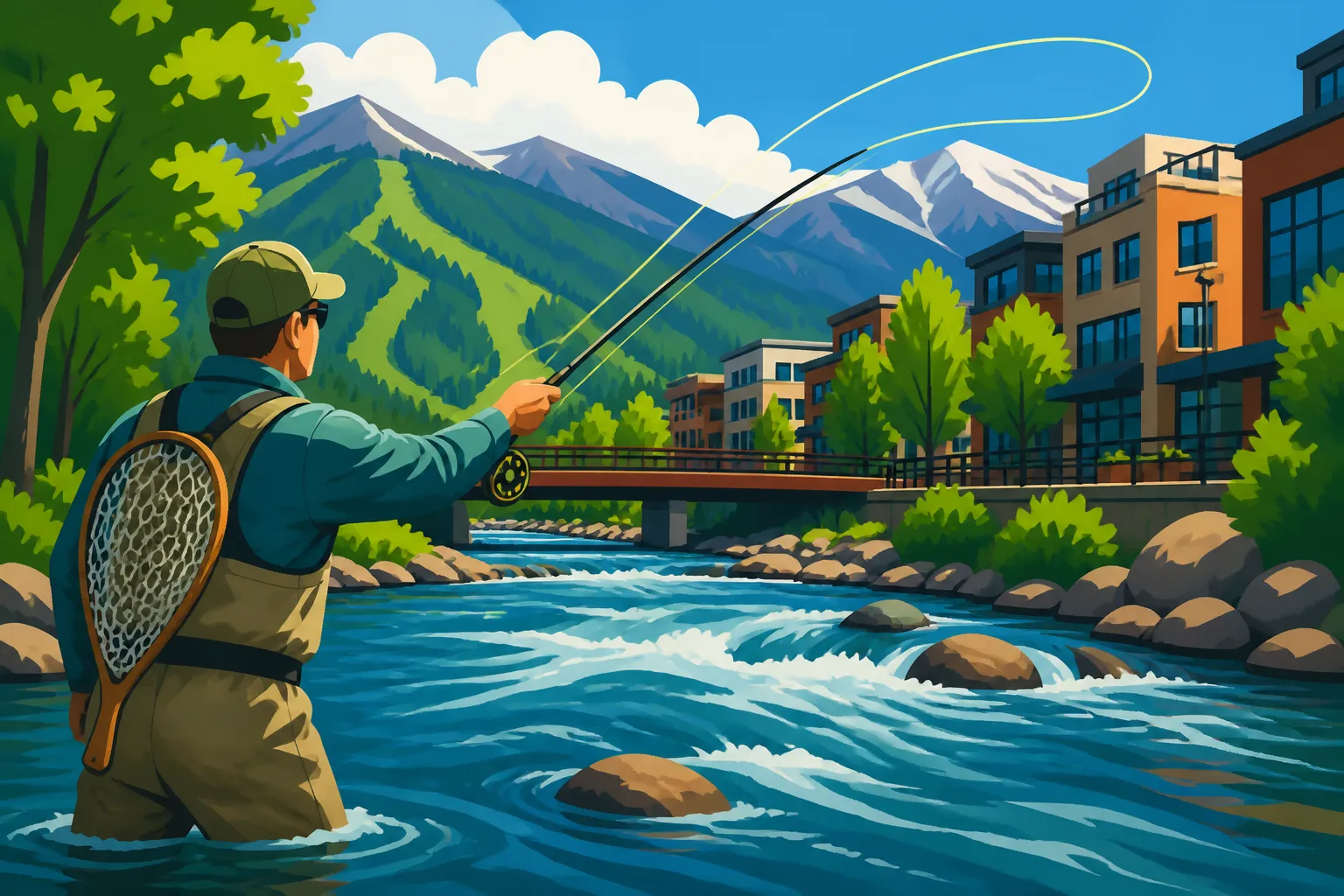
Wade Fishing: For many fly anglers, wading into the river is the preferred method, allowing for better casting angles and access to mid-river lies. The Roaring Fork generally has a manageable current, and its gravelly bottom provides relatively stable footing. However, always exercise caution. Water levels can fluctuate, and certain sections might have deeper holes or slick rocks. A sturdy wading staff is highly recommended. It's also important to be aware of your surroundings; respect private property boundaries and be mindful of other anglers. Always check local regulations, as some urban sections or designated restoration areas might have restrictions on wading. If you're new to wading in Colorado, consider learning How to Stay Safe Wading Fast Colorado Currents before you go.
Bank Fishing: If wading isn't your preference or isn't allowed in a specific area, excellent bank fishing is still available. Many sections of the Roaring Fork in town have clear banks and open casting lanes, especially in the parks. Spin fishermen will find plenty of room to cast lures or bait (where permitted by Colorado Fishing Regulations Every Angler Should Know), and fly anglers can use roll casts or shorter backcasts in tighter spots. Bank fishing can be particularly effective during hatches when fish are rising close to the edges, or when targeting deeper pools from above. Look for overhanging vegetation, submerged rocks, and undercut banks – these are prime holding spots accessible from the bank.
Best Techniques and Flies for Aspen's Roaring Fork
Fishing the Roaring Fork through Aspen requires a versatile approach. The clear, pressured water and varied river structure mean you'll likely need to adapt your techniques and fly choices throughout the day.
Nymphing Strategies for Deeper Runs
Nymphing is arguably the most consistent technique for catching trout on the Roaring Fork, especially in the deeper runs and pools. Trout spend the vast majority of their time feeding subsurface on aquatic insect larvae and pupae. Given the clarity of the water, a stealthy approach with a well-weighted nymph rig is crucial.
I usually recommend a two-nymph rig, often with a heavier lead fly to get down quickly, followed by a smaller, more imitative trailing nymph. Popular patterns include the venerable Pheasant Tail Nymph, Hare's Ear Nymph, Prince Nymph, and various stonefly imitations like Pat's Rubber Legs. During colder months or when midges are prevalent, tiny zebra midges or larva patterns in sizes 18-24 can be incredibly effective. Pay close attention to your indicator for subtle takes, as the fish in these educated waters can be very gentle. Learning different Nymphing Techniques for Colorado Tailwaters can significantly improve your success rate on the Roaring Fork. Focus on mending your line to achieve a drag-free drift, allowing your flies to tumble naturally downstream with the current, just like real insects.
Dry Fly Opportunities and Matching the Hatch
When the conditions are right, dry fly fishing on the Roaring Fork is nothing short of spectacular. This river experiences robust hatches throughout the year, offering incredible topwater action. From spring through fall, anglers can witness incredible insect emergences that bring even the wariest trout to the surface.
Blue-winged Olives (BWOs) are prominent in cooler weather, especially in spring and fall. Caddis hatches are prolific in late spring and summer evenings, often creating a frenzy of rising fish. Later in the summer, terrestrial patterns like grasshoppers, ants, and beetles can be incredibly effective when fished along grassy banks or near overhanging vegetation. During warmer summer months, try smaller parachute Adams or PMDs (Pale Morning Dun) in sizes 16-20. The key to successful dry fly fishing here is often "matching the hatch" – identifying the size, shape, and color of the natural insects on the water and selecting a fly that imitates them closely. Presentation is paramount; a delicate, drag-free drift is necessary to fool these discerning trout. For more insights, check out Dry Fly Fishing Colorado's Freestone Rivers.
Streamer Fishing for Bigger Trout
If you're looking to target the Roaring Fork's larger, predatory brown trout, streamer fishing can be an incredibly exciting and effective method. While it might not produce the same numbers as nymphing, the fish that do strike a streamer are often aggressive and of substantial size.
Streamers imitate baitfish, sculpins, or other larger prey that big trout feed on. Popular patterns include Woolly Buggers (in olive, black, or brown), Sculpzillas, and various articulated streamers. Fishing streamers often involves casting across and slightly upstream, then stripping the fly back in erratic motions, mimicking a wounded baitfish. Focus your efforts on deeper pools, undercut banks, and around large rocks or submerged logs where big browns tend to ambush prey. The fall can be a particularly productive time for streamer fishing, as brown trout become more aggressive in preparation for spawning. If you're keen to learn more about this exciting technique, a deeper dive into Streamer Fishing for Colorado Brown Trout would be beneficial.
| Season | Primary Techniques | Recommended Flies | Notes |
|---|---|---|---|
| Spring | Nymphing, Dry Fly | Midges, BWO Nymphs/Dries, Stonefly Nymphs | Pre-runoff can be excellent; expect runoff in May/early June. |
| Summer | Dry Fly, Nymphing | Caddis (dries/emergers), PMDs, Terrestrials | Post-runoff offers clear water, good hatches. Afternoon thunderstorms. |
| Fall | Streamer, Nymphing, Dry Fly | Large Streamers, BWO Nymphs/Dries, Egg Patterns | Trophy brown trout hunting, cooler temps, stunning foliage. |
| Winter | Nymphing | Midges (larva/pupae/adult), Baetis Nymphs | Consistent nymphing action; requires patience and small flies. |
Seasonal Considerations for Fishing the Roaring Fork
The Roaring Fork River offers year-round fishing, but the experience changes dramatically with each season. Understanding these shifts is key to planning a successful trip.
Spring Fishing Before Runoff
Early spring, typically from March into April, can be a fantastic time to fish the Roaring Fork before the snowmelt-driven runoff begins in earnest. The water is often clear and fishable, and trout are actively feeding as water temperatures slowly begin to rise. Hatches of Blue-winged Olives (BWOs) can be prolific on overcast days, offering exciting dry fly opportunities, especially in the afternoon. Midges are also a staple, providing consistent nymphing and occasional dry fly action on calmer days.
However, anglers must be prepared for variable weather conditions, from sunny days to unexpected snow showers. This is a time of transition, so flexibility in your fly selection is crucial. As April progresses into May, watch for signs of increasing water flows and turbidity, which signal the onset of runoff. Once the river really starts to rise and become muddy, it's often best to seek out tailwaters or high-country lakes that aren't affected by runoff.
Summer's Peak and Dry Fly Action
Once the spring runoff has cleared, usually by mid-June, the Roaring Fork enters its prime summer fishing season. Water levels stabilize, and clarity returns, making for ideal conditions. This is the season for prolific insect hatches, with caddis, Pale Morning Duns (PMDs), and various stoneflies bringing trout to the surface. Evenings, in particular, can be magical with consistent dry fly action.
Later in the summer, as water temperatures warm and flows stabilize even further, terrestrial insects like grasshoppers, ants, and beetles become a significant food source. Fishing hopper-dropper rigs along grassy banks or beneath trees can be incredibly productive. Summer also brings more anglers, so be prepared for potentially crowded conditions, especially on weekends. Early mornings and late evenings often offer the best fishing and fewer people. For a complete picture of what to expect, consider reviewing Colorado Fishing Seasons Month by Month.
Fall's Trophy Brown Trout and Spawning Runs
Fall on the Roaring Fork is a highly anticipated time for many anglers, especially those targeting large brown trout. As water temperatures drop and days shorten, brown trout become increasingly aggressive in preparation for their spawning season. This is prime time for streamer fishing, as browns will readily chase larger baitfish imitations.
Additionally, consistent hatches of Blue-winged Olives (BWOs) continue through the fall, providing excellent dry fly fishing on calm, overcast days. Egg patterns can also be effective when fished around spawning redds (though it's crucial to avoid disturbing spawning fish). The cooler temperatures and vibrant fall foliage make for a truly picturesque fishing experience. This is one of the best times to experience Fall Fishing in Colorado, What Changes as the angling dynamics shift significantly.
Winter Nymphing and Midge Hatches
Don't let the snow deter you; winter fishing on the Roaring Fork can be incredibly rewarding for those willing to brave the cold. While surface activity is minimal, trout are still actively feeding on subsurface insects, primarily tiny midges and small nymph patterns.
Nymphing with small midge larvae, pupae, and emergers (sizes 18-24) is the most consistent technique. Look for slower, deeper pools and runs where trout conserve energy. The key is to fish slowly, use light tippets, and pay close attention to subtle takes. Overcast days with mild temperatures are often the most productive. Winter fishing offers a serene experience, with fewer crowds and the chance to hook some surprisingly strong fish in the quiet beauty of a snow-covered landscape. While you may not think of hiring a guide for winter, even in the offseason, you can find knowledgeable local experts through platforms like FishingBooker who can put you on fish.
Regulations and Etiquette on the Roaring Fork
Adhering to regulations and practicing good etiquette is paramount when fishing any river, and it's especially important on a popular, accessible stretch like the Roaring Fork through downtown Aspen.
Understanding Colorado's General Regulations
Before you even step foot in the water, ensure you have a valid Colorado fishing license. Every angler aged 16 and over needs one, and it's a simple process to purchase one online through the Colorado Parks and Wildlife (CPW) website or at licensed vendors. You might also need a Habitat Stamp, which typically accompanies your license purchase. You can find all the details you need in the Colorado Fishing License Guide for Residents and Nonresidents.
Beyond the license, familiarize yourself with Colorado's general fishing regulations regarding bag and possession limits, legal methods of take, and any bait restrictions. These are outlined in the annual CPW Fishing Brochure, which is available online and at license vendors. While many sections of the Roaring Fork are managed under general regulations, specific "Gold Medal Water" sections or other designated areas on the river (often downstream from Aspen) can have special rules like fly-and-lure only restrictions, catch-and-release mandates, or specific length limits. Always consult the official CPW regulations for the specific section of the river you plan to fish.
Specific Roaring Fork Rules
While the downtown Aspen stretch of the Roaring Fork isn't specifically designated as Gold Medal Water (that typically begins further downstream, notably below the Fryingpan River confluence near Basalt), it’s vital to be aware of any local, posted regulations. These might include restrictions on wading in certain areas to protect spawning redds or sensitive habitats, or prohibitions on fishing from certain bridges.
It's always a good practice to look for signs posted along the riverbanks, especially at popular access points or in city parks. Some areas within Aspen might also have specific rules regarding public land use that affect anglers, such as quiet hours or rules about litter. For example, some stretches may be designated "catch-and-release" only or "fly and lure" only, even if the general statewide regulation allows bait. Always err on the side of caution and adhere to any posted signs. Remember, ignorance of the rules is no excuse, and wardens patrol these popular areas.
Respecting Private Property and Fellow Anglers
Fishing in an urban setting means you'll be close to homes, businesses, and other recreational users. Respect for private property is absolutely critical. While the river itself is public, the banks often are not. Always be aware of where you are relative to private land boundaries. Look for "No Trespassing" signs and avoid accessing the river through private yards or property. Stick to designated public access points and trails.
Furthermore, with multiple anglers sharing the water, practicing good fishing etiquette is essential. Give fellow anglers ample space – a general rule of thumb is to give at least 50-100 feet of space, or more if the river is narrow. Don't crowd someone's fishing spot, and avoid wading directly upstream or downstream of another angler if it will disturb the water they are fishing. If you encounter a crowded area, it's often best to move on to a less pressured spot. Many anglers on the Roaring Fork, especially fly fishermen, practice catch-and-release to preserve the healthy fish populations. If you choose to keep fish within legal limits, handle them ethically and humanely. A quality guide service, which you can easily find on FishingBooker, will also instill and practice these ethics. Also, don't forget that if you hire a guide for your trip, it's customary to understand Tipping a Colorado Fishing Guide, What's Standard.
Pack out everything you pack in, and perhaps even pick up any litter you find along the way. Leave no trace, so future generations can enjoy the incredible fishing opportunities the Roaring Fork in Aspen offers. The health of the river and the quality of the fishing experience depend on everyone doing their part.
Disclaimer
Please note that fishing regulations, conditions, and access points can change. Always consult the most current Colorado Parks and Wildlife regulations and local signage before fishing. This guide provides general information and recommendations and should not be considered a substitute for official sources.