What Insurance Colorado Outfitters Are Required to Carry
When you're planning a guided fishing trip in Colorado, you're not just investing in a day on the water; you're investing in an experience, often with a significant financial and personal stake. It's a big question that often crosses people's minds: what if something goes wrong? What kind of safety net is in place? This comprehensive guide will walk you through the types of insurance Colorado fishing outfitters are typically required to carry, helping you understand the protections in place and what you should look for when booking your adventure.
Why Insurance Matters for Your Guided Fishing Trip
The wild, beautiful rivers and serene high-country lakes of Colorado offer incredible fishing, but the outdoor environment always carries inherent risks. From slick riverbanks to unexpected weather changes, or even just an accidental hook in a finger, things can happen. Understanding that your outfitter carries the proper insurance isn't just about covering "what ifs" – it's about peace of mind and knowing you're in the hands of a responsible professional.
Protecting Yourself and Your Investment
Imagine you're enjoying a fantastic float trip on the Colorado River, the fish are biting, and then suddenly, there's a mishap. Maybe the boat hits a submerged rock, someone takes an unexpected spill, or a piece of valuable gear gets damaged. Without adequate insurance, you could be facing significant medical bills, lost property, or a ruined trip with no recourse. Commercial general liability insurance, for instance, is designed to cover bodily injury and property damage that might occur during your trip. It's not a luxury; it's a fundamental part of a legitimate business operation, safeguarding both the outfitter and, by extension, their clients from unforeseen circumstances. It allows you to focus on the tug of a trout on your line, rather than worrying about potential liabilities.
Ensuring Professionalism and Accountability
Any reputable Colorado fishing outfitter knows that carrying appropriate insurance is non-negotiable. It's a hallmark of a professional operation that takes its responsibilities seriously. Just like a good guide knows the best spots to find Brown Trout in Colorado, Where They're Wild or how to manage Colorado's Spring Runoff Hits and How to Fish Around It, they also understand the regulatory landscape that governs their business. When an outfitter invests in comprehensive insurance, it signals their commitment to client safety, legal compliance, and a long-term business model. It's a tangible sign that they are accountable for the services they provide and prepared for the unexpected, which is especially important for more adventurous excursions like Guided Overnight Float Trips Through the Gunnison Gorge.
Understanding Colorado's Outfitter and Guide Licensing
In Colorado, the activities of outdoor recreation providers, including fishing guides and outfitters, are overseen to ensure a minimum standard of safety and professionalism. This regulatory framework often includes specific insurance requirements, which help protect consumers and maintain the integrity of the state's outdoor recreation industry.
The Role of Colorado Parks and Wildlife (CPW)
Colorado Parks and Wildlife (CPW) plays a significant role in overseeing many aspects of outdoor recreation, including the licensing of outfitters. While CPW primarily focuses on wildlife management, habitat protection, and enforcing fishing and hunting regulations, they also set guidelines for commercial operators. For instance, they issue licenses for outfitters who conduct trips on state lands or waters. These outfitter licenses often come with stipulations regarding safety protocols, guide qualifications, and, yes, insurance coverage. Their aim is to ensure that when you embark on a guided trip, whether it's for Kokanee Salmon Fishing in Colorado or a multi-day fly fishing expedition, you are dealing with a legitimate and responsible entity. You can find more information about these requirements when looking into Hiring a Fishing Guide in Colorado, What to Expect.
What Constitutes an "Outfitter" or "Guide" in Colorado
It's important to understand the distinction and definitions. Generally, an "outfitter" is an individual or business that provides equipment, services, or both, for outdoor recreation activities, often for compensation. A "guide" typically works under an outfitter or as an independent contractor, directly leading clients on trips. In Colorado, if you're charging people to take them fishing, you're usually required to be licensed as an outfitter or work for one. This licensing triggers various requirements, including the need for adequate insurance.
For example, a person who casually takes a friend out fishing and splits gas money might not fall under these definitions, but someone who advertises trips, provides gear, and charges a fee absolutely would. This distinction is crucial because only licensed outfitters and their guides are bound by these insurance requirements. When you're searching for a guide, platforms like FishingBooker often make it easy to see if an operator is licensed, and usually, that implies they meet the state's insurance standards. You'll want to check Choosing a Colorado Fishing Guide, What to Look For to make sure you're picking a reputable operation.
The Specific Insurance Requirements
While specific policy amounts and exact legal language can vary and are subject to change, Colorado outfitters are generally required to carry certain types of insurance to cover potential risks associated with their operations. These requirements are in place to safeguard clients, guides, and the public from financial burdens arising from accidents or unforeseen incidents during guided trips.
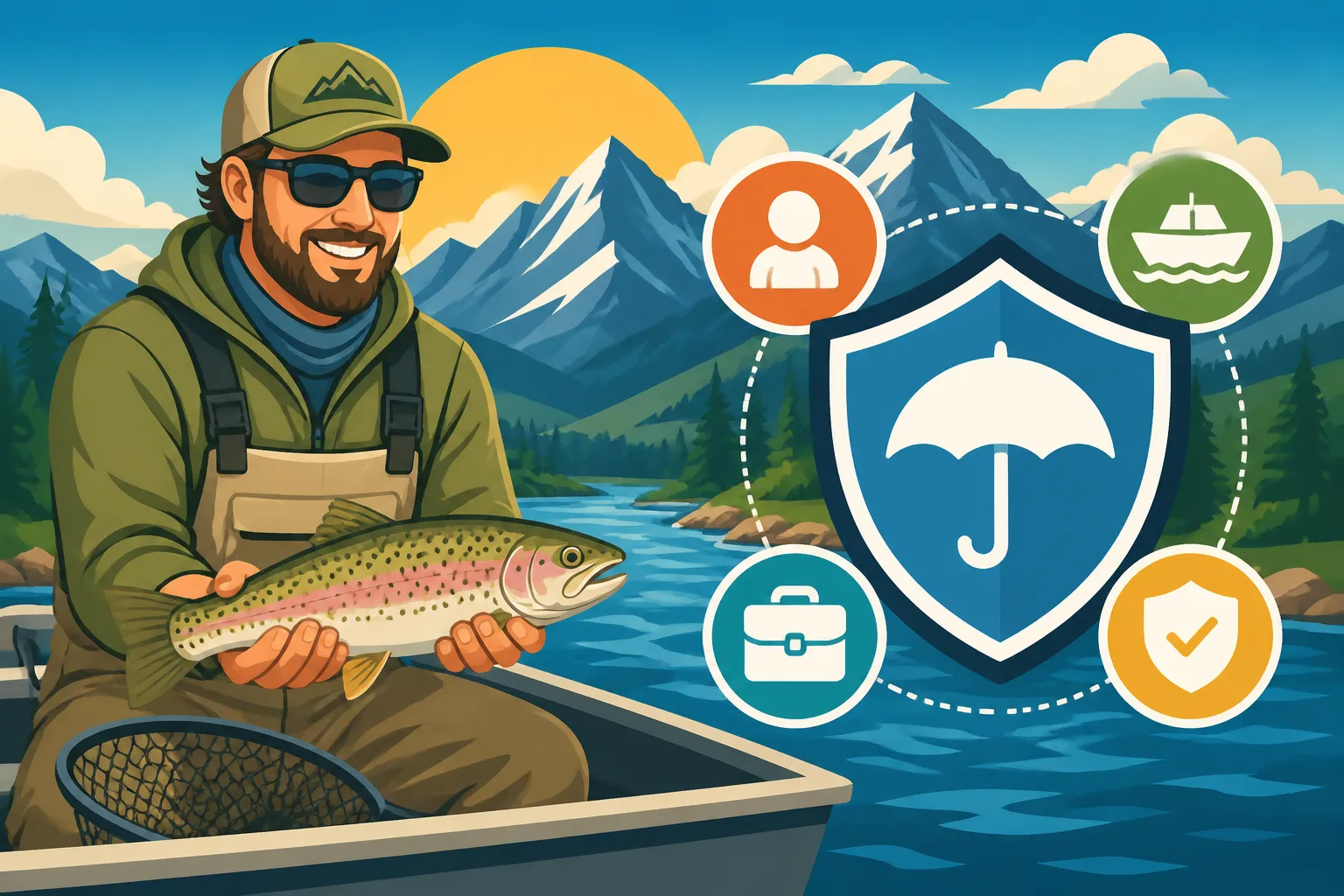
Commercial General Liability (CGL) Insurance
Commercial General Liability (CGL) insurance is arguably the most critical type of coverage an outfitter must carry. This policy is designed to protect the business from claims of bodily injury or property damage that occur on the outfitter's premises or as a result of their operations. For a fishing guide service, this means if a client slips on a wet boat ramp and breaks an arm, or if a piece of client equipment (like an expensive fly rod) is accidentally damaged during a float trip, the CGL policy can help cover the associated costs.
Outfitters typically carry significant CGL coverage, often with limits well into the millions of dollars. This ensures that even in severe incidents, there are substantial funds available to address claims. It covers things like medical expenses, legal defense costs, and settlement payments if the outfitter is found liable. Without this, an outfitter (and potentially their clients) could face devastating financial consequences. When you're considering Guided Fly Fishing on Colorado's Gunnison River or any other trip, it's wise to ensure your chosen outfitter explicitly states they carry this essential coverage.
Workers' Compensation (If Applicable)
If a Colorado outfitter employs other guides, office staff, or any other individuals, they are generally required to carry Workers' Compensation insurance. This type of insurance provides wage replacement benefits and medical care for employees injured in the course of employment. So, if a fishing guide working for an outfitter sustains an injury on a trip – perhaps falling during a Guided Walk-Wade Trips on Colorado Rivers or getting hurt while portaging gear – Workers' Comp would cover their medical treatment and a portion of their lost wages.
This is less about protecting the client directly and more about ensuring that the outfitter is a responsible employer. However, indirectly, it speaks to the overall professionalism and stability of the business. An outfitter who properly insures their employees is likely to be meticulous in other aspects of their operation as well. If you're booking a trip through a larger outfitter, it's a good sign that they have this coverage in place.
Vehicle and Watercraft Insurance
Given that guided fishing trips often involve transportation to and from fishing spots, and frequently include the use of boats, rafts, or kayaks, appropriate vehicle and watercraft insurance are also vital.
- Vehicle Insurance: If the outfitter uses vehicles to transport clients to trailheads, boat launches, or other access points, their vehicles must be properly insured, typically with commercial auto policies that cover passenger transport. This ensures that if there's an accident on the road, clients and any third parties involved are protected.
- Watercraft Insurance: For outfitters running float trips, lake tours, or any activity involving motorized or non-motorized boats, specialized marine insurance is critical. This covers potential damage to the vessel itself, as well as liability for accidents that occur on the water. Imagine a drift boat collision on the Arkansas River or an incident during a Charter Boats for Kokanee Salmon at Blue Mesa; robust watercraft insurance provides the necessary financial protection. When checking out options on FishingBooker, you might find details about the types of vessels used, which gives you a clue about the kind of specialized insurance they might carry.
Here’s a quick overview of what these insurance types generally cover:
| Insurance Type | Primary Coverage Area | Why It Matters for Anglers |
|---|---|---|
| Commercial General Liability (CGL) | Bodily injury and property damage to third parties | Protects clients from costs associated with accidents or damage on trips. |
| Workers' Compensation | Employee injuries and illness on the job | Ensures the outfitter is a responsible employer, indicating overall professionalism. |
| Commercial Auto Insurance | Accidents involving vehicles used for client transport | Covers clients during transport to/from fishing locations. |
| Marine/Watercraft Insurance | Accidents, damage, or liability involving boats/rafts | Protects clients during on-water activities, such as float trips. |
What to Ask Your Guide About Insurance
While Colorado has regulations, and reputable outfitters adhere to them, it never hurts to be an informed consumer. Knowing what questions to ask can provide you with additional peace of mind and help you choose the best guide for your needs.
Verifying Coverage Before Your Trip
When you're making arrangements for a guided trip, especially if it's a significant investment like one of the Colorado Fly Fishing Guide Costs Explained, don't hesitate to ask about their insurance. A professional outfitter will be transparent and proud to share this information. You can ask:
- "What type of liability insurance do you carry for guided trips?"
- "Can you confirm that your guides are covered under your Workers' Compensation policy (if applicable)?"
- "What kind of watercraft insurance do you have for your boats/rafts?"
They might not give you policy numbers or detailed documents, but they should be able to clearly state the types of coverage they hold and the purpose it serves. If an outfitter seems evasive or reluctant to discuss their insurance, that could be a red flag. Most legitimate businesses understand this is a reasonable question from a client. When you're using platforms like FishingBooker, many guides will highlight their licensing and insurance status in their profiles, making it easier to vet them.
The Difference Between Required and Recommended Coverage
It's also worth noting that there's a difference between what is required by law and what a highly responsible outfitter chooses to carry for additional protection. While CGL and proper vehicle/watercraft insurance are generally mandatory, some outfitters might go above and beyond. For example, they might carry:
- Higher Liability Limits: Exceeding the state's minimum requirements provides an extra layer of financial protection.
- Equipment Coverage: While CGL covers client property damage, some outfitters might have additional policies to cover their own expensive gear (rods, reels, specialized boats) if it's damaged. This doesn't directly protect you, but it shows their commitment to maintaining high-quality equipment for their clients.
- Emergency Response Coverage: Some policies might include specific provisions for emergency medical evacuation or search and rescue operations in remote areas, which can be particularly relevant for trips into the backcountry.
Asking about both their required and any additional recommended coverage can give you a fuller picture of their dedication to safety and client welfare. Ultimately, the more prepared an outfitter is, the more confident you can be in your decision to book with them. This due diligence is a smart step when planning any outdoor adventure, from a casual afternoon fishing an urban pond to a multi-day backcountry excursion.
Disclaimer
This article is for general informational purposes only and does not constitute professional advice. Laws, prices and regulations vary by location and change over time. Consult a qualified professional for guidance on your specific situation.