Guided Trips Near Pagosa Springs on the San Juan River
The allure of the San Juan River near Pagosa Springs is undeniable for any angler, with its crystal-clear waters, stunning mountain backdrops, and reputation for holding some truly magnificent trout. Yet, for many, arriving at this breathtaking destination can bring a familiar feeling: excitement mixed with a touch of intimidation. How do you unlock the secrets of such a vibrant river? Where do you even begin? That's where a guided fishing trip comes into its own, offering both an introduction and an in-depth exploration of this incredible fishery, ensuring your time on the water is both productive and deeply rewarding.
Why Consider a Guided Trip on the San Juan Near Pagosa Springs?
Stepping onto a new river, especially one as diverse and rich as the San Juan near Pagosa Springs, can feel like trying to decipher a complex puzzle without all the pieces. You might have the best gear, a trusty Colorado Fishing License Guide for Residents and Nonresidents, and a passion for fishing, but local knowledge is often the missing link to truly unlocking its potential. A guided trip isn't just about catching fish; it's about gaining an education, finding those hidden gems, and experiencing the river in a way you simply couldn't on your own.
Navigating a Complex River System
The San Juan River near Pagosa Springs is a tapestry of different water types, flowing from high mountain freestone stretches down through town and into more accessible, yet still challenging, sections. You'll encounter riffles, deep pools, slow eddies, and faster runs. Each segment of the river demands a different approach, a specific fly, or a unique technique. Without a guide, you could spend hours guessing, moving from spot to spot, and feeling that familiar angler's frustration of "if only I knew where they were holding."
A local guide has spent countless days, weeks, and seasons observing the river's moods. They know how the fish react to changes in weather, water levels, and insect hatches. They can read the subtle currents that indicate where a large brown trout might be lurking or point out the perfect seam where rainbow trout are actively feeding. This intimate knowledge means less wasted time and more time with your line in productive water, turning a potentially overwhelming experience into a seamless adventure. Imagine arriving at a busy public access point, seeing other anglers scattered about, but your guide confidently leads you to a lesser-known bend or a pocket of water that consistently holds fish – that's the magic of local expertise.
Mastering Specific Techniques for San Juan Trout
While the San Juan River is famous for its healthy populations of rainbow and brown trout, these fish can be notoriously selective, especially in the clearer, often low-pressure waters found here. This isn't always a river where any old cast with a big attractor fly will do the trick. Mastering the nuances of fly fishing, in particular, often means refining your nymphing strategies, understanding delicate dry fly presentations, or even knowing when and how to swing a streamer effectively.
A guided trip offers a personalized clinic on the water. If you're new to fly fishing, a guide can teach you the basics of casting, line management, and setting the hook in a patient, hands-on manner. If you're an experienced angler, they can help you fine-tune advanced techniques, like reading subtle strikes on a small midge nymph or executing the perfect drift to fool a wary trout sipping tiny insects off the surface. They’ll show you the exact leader setup, the right amount of split shot, and the specific fly patterns that are currently working best. It’s one thing to read about matching the hatch; it’s another entirely to have an expert point to a rising fish and then help you tie on the perfect imitation, coaching you through the cast. This type of tailored instruction can elevate your skills significantly, not just for the San Juan, but for any river you fish in the future.
Accessing Prime Water and Local Secrets
One of the most significant advantages of hiring a guide, especially in popular fishing destinations, is the access they can provide. While Colorado has plenty of public water, some of the most productive and least-pressured stretches are often on private land or require specific knowledge to reach. Many outfitters have leased private water access, giving their clients exclusive opportunities to fish stretches that are otherwise off-limits.
Beyond private land, guides also know the public access points that are less frequented, or the specific times of day when certain areas fish best. This insider knowledge helps you avoid crowded spots and maximize your chances of success. They can guide you through tricky terrain safely, ensuring you get to the best fishing spots without unnecessary hassle. It’s incredibly validating to spend a day catching beautiful fish on pristine water, knowing you’re likely fishing spots that the casual visitor would never find. This kind of access can truly transform your trip, turning a good day into an unforgettable one.
What to Expect from a Guided San Juan River Experience
Embarking on a guided fishing trip near Pagosa Springs on the San Juan River isn't just about showing up and casting. It's an immersive experience designed to teach, excite, and leave you with lasting memories. Understanding the different types of trips available and what's typically included can help you set your expectations and prepare for a fantastic day on the water.
Trip Options: Walk-Wade vs. Float Trips
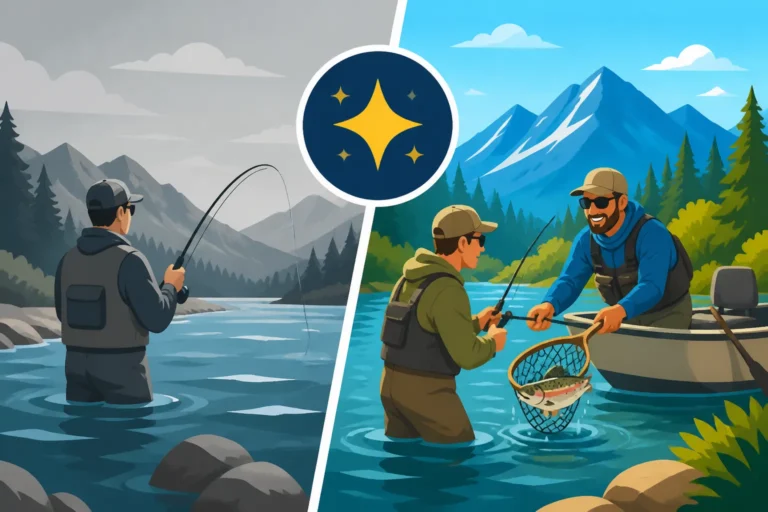
When you book a guided trip on the San Juan River, you'll generally encounter two main formats: walk-wade trips and float trips. Each offers a distinct experience and is suited to different preferences and river conditions.
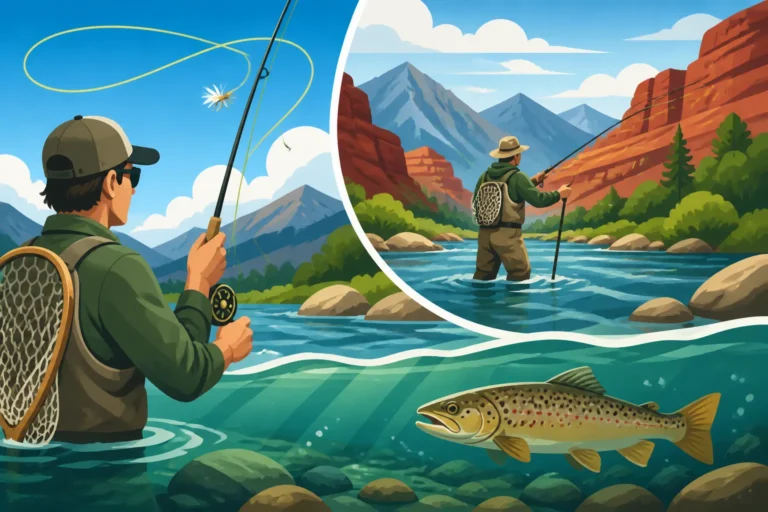
Walk-Wade Trips: These adventures are perfect for those who want to intimately explore specific stretches of the river. The guide will take you to various access points, and you'll spend your time on foot, wading into the river or fishing from the bank. This allows for a slower pace, enabling you to dissect pockets, riffles, and pools with precision. It's an excellent option for anglers who enjoy active movement, desire to focus on specific casting techniques, or want to truly "read" the water up close. Walk-wade trips are particularly effective on smaller, more technical sections of the San Juan or when focusing on sight-fishing to individual trout. They're also often preferred during periods of lower water or when targeting very selective fish in specific holding lies. Guided Walk-Wade Trips on Colorado Rivers are a fantastic way to immerse yourself in the natural environment.
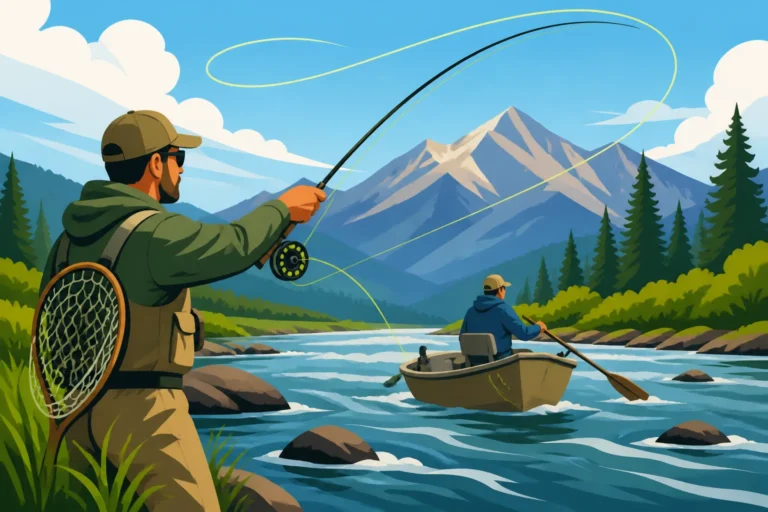
Float Trips: For those looking to cover more water and experience longer stretches of the San Juan, a float trip is an outstanding choice. You'll typically be in a drift boat or raft with your guide, who will expertly maneuver the craft downstream while you cast from the boat. This allows access to water that might be difficult or impossible to reach by wading, opening up new opportunities for targeting fish. Float trips are ideal for covering miles of river, casting to diverse structure, and often provide a more relaxed experience, as you're not constantly moving on foot. They're particularly popular during periods of higher water or when you want to explore broader sections of the river. Guided Float Trips on Colorado Rivers offer a unique perspective and are great for experiencing the river's full flow.
Here’s a quick comparison to help you visualize the differences:
| Feature | Walk-Wade Trip | Float Trip |
|---|---|---|
| River Coverage | Focused exploration of specific, accessible sections. | Covers more river miles, accessing varied and remote water. |
| Mobility | Requires wading, active movement on foot. | Less physical effort, casting from a boat. |
| Approach | Stealthy, intimate, dissects specific fish lies. | Covers broad stretches, good for diverse habitats. |
| Best For | Learning specific techniques, sight fishing, smaller groups. | Covering distance, targeting various fish, sometimes for those with mobility concerns. |
| Typical Guide | Guide walks alongside, providing direct instruction. | Guide rows and directs, providing casting advice and spotting fish. |
What's Typically Included (and What You Need to Bring)
Understanding what comes with your guided trip and what you're responsible for bringing is crucial for a smooth and enjoyable experience. Most reputable outfitters around Pagosa Springs aim to make your day as seamless as possible, but there are a few non-negotiables you’ll need to handle.
Generally, a guided trip will include:
- Expert Guide: The most important inclusion, offering local knowledge, instruction, and a safe experience.
- Rods, Reels, and Tackle: Most guides provide high-quality fly rods and reels suitable for the San Juan, along with all necessary leaders, tippets, and a wide array of flies that are currently active. If you have a favorite rod, you can bring it, but trust your guide's recommendations for tackle that will maximize your chances.
- Non-Alcoholic Beverages & Snacks: Many trips, especially full-day excursions, will include lunch and an assortment of drinks and snacks to keep you energized on the water. Always ask about this beforehand.
- Safety Gear: Life vests (for float trips), first-aid kits, and other safety essentials are standard.
What you almost always need to bring yourself:
- Colorado Fishing License: This is non-negotiable! You must have a valid Colorado fishing license in your possession. You can purchase these online, over the phone, or at local retailers. Remember, your guide cannot provide one for you.
- Colorado Habitat Stamp: Most anglers need a Colorado's Habitat Stamp, Explained. This is often purchased alongside your license.
- Waders and Wading Boots: For walk-wade trips, comfortable and functional waders and wading boots are essential. Some outfitters might have loaners or rentals, but it's best to check in advance.
- Appropriate Clothing: Layers are key in Colorado! Even on a warm day, mornings can be chilly, and afternoon thunderstorms can bring sudden temperature drops. Think quick-drying materials, rain gear, and a warm layer. You can find more detail on What to Wear on a Colorado Guided Fishing Trip.
- Sun Protection: Sunscreen, a wide-brimmed hat, and polarized sunglasses are vital. The Colorado sun is intense, even on cloudy days, and polarized lenses help you spot fish beneath the surface.
- Personal Medications: Any prescription medications you need throughout the day.
- Gratuity for Your Guide: Tipping is customary and much appreciated in the guiding industry. A typical tip for a fishing guide ranges from 15-25% of the trip cost, depending on your satisfaction with the experience. For more on this, check out Tipping a Colorado Fishing Guide, What's Standard.
Always confirm the specifics with your chosen outfitter when booking. What's Included in a Colorado Guided Fly Fishing Trip can vary slightly from one service to another.
Learning and Improving Your Skills
One of the most valuable, and often understated, aspects of a guided trip on the San Juan is the educational opportunity. It’s not just about getting a fish on the line; it’s about understanding why that fish was there, how you presented your fly, and what conditions led to the bite.
Your guide acts as a seasoned mentor, sharing insights into river entomology – what insects are hatching or about to hatch, and what patterns will imitate them best. They’ll teach you about water dynamics, explaining how current breaks and structure create feeding lanes and holding lies. For those looking to refine their casting, a guide can offer real-time feedback and drills that are far more effective than practicing on a lawn. You’ll learn about proper fish handling for catch-and-release, essential knots, and how to approach the water without spooking fish.
Imagine you've been struggling with a specific cast. Your guide can spend focused time with you, breaking down the mechanics, offering corrections, and providing immediate feedback. Or perhaps you've never quite understood how to "read" a riffle for feeding fish. A guide can point out the subtle indicators, helping you develop an intuition for productive water. Many anglers come off the river not just with stories of fish caught, but with a significantly enhanced skill set and a deeper appreciation for the art and science of angling. It’s an investment in your long-term fishing success.
Choosing the Right Guide or Outfitter Near Pagosa Springs
Deciding to hire a guide is the first great step; selecting the right one is the next. With several excellent outfitters and independent guides operating around Pagosa Springs, finding the perfect match for your fishing goals and style requires a little research and some thoughtful questions. This choice can significantly impact your experience on the San Juan River.
Researching Local Outfitters and Guides
The best place to start your search is usually in the heart of the community. Local fly shops in Pagosa Springs are often hubs of information and are usually affiliated with experienced guides. They can provide recommendations, share insights into current river conditions, and connect you directly with local experts. Many fly shops also operate their own guiding services.
Beyond brick-and-mortar shops, the internet is a powerful tool. A quick search for "Pagosa Springs fishing guides" or "San Juan River fly fishing trips" will yield several results. Look for outfitters with professional websites that clearly outline their services, trip types, and guide bios. Online platforms like FishingBooker can also be a valuable resource, allowing you to browse various guides, compare offerings, read customer reviews, and often book directly. The key is to look for consistency in positive feedback and guides who demonstrate a deep passion for the San Juan River specifically. Don't be shy about cross-referencing information or checking out social media pages for recent photos and testimonials.
Key Questions to Ask Before Booking
Once you've narrowed down a few potential guides or outfitters, it's time to pick up the phone or send an email. Asking the right questions upfront ensures there are no surprises and that your expectations align with what the guide can provide. Choosing a Colorado Fishing Guide, What to Look For is a helpful resource.
Here are some essential questions to consider:
- What is your experience specifically on the San Juan River near Pagosa Springs? You want a guide who is intimately familiar with this stretch of water, not just a general Colorado guide.
- What type of fishing do you specialize in (fly fishing, spin fishing, nymphing, dry flies, streamers)? Ensure their expertise matches your preferred method or what you hope to learn.
- Do you cater to my skill level (beginner, intermediate, advanced)? Some guides thrive on teaching novices, while others prefer to challenge experienced anglers.
- What species do you primarily target on the San Juan? While trout are the main draw, confirm they align with your interest in rainbows, browns, or other species.
- What's your typical client-to-guide ratio? For personalized instruction, a 1:1 or 2:1 ratio is ideal.
- What's included in the trip fee (gear, lunch, drinks, flies, etc.)? Get a clear breakdown of costs and inclusions.
- What is your cancellation or rescheduling policy? Weather in Colorado can change rapidly, so understanding their policy for inclement weather or unforeseen circumstances is crucial. Check out Cancellation Policies for Colorado Guided Trips.
- Do I need to bring my own Colorado Fishing License Costs Explained or purchase a Colorado Habitat Stamp Cost? (The answer is almost always yes to both, but it's good to confirm).
- Can you accommodate any specific requests or physical limitations? If you have mobility concerns or specific learning goals, communicate them early.
A good guide will be happy to answer all your questions thoroughly, demonstrating their professionalism and dedication to ensuring you have a great experience.
Understanding Pricing and Value
The cost of a guided fishing trip can vary significantly based on its duration (half-day vs. full-day), the number of anglers, and the specific inclusions. While the upfront cost might seem like an investment, it’s important to view it through the lens of value. You're not just paying for a few hours of fishing; you're investing in expertise, access, equipment, and a tailored educational experience that would be nearly impossible to replicate on your own.
Prices are typically structured per trip, often with an additional fee for more than one angler. Half-day trips are generally shorter and less expensive, perfect for a taste of the river or for those with limited time. Full-day trips offer a more comprehensive experience, allowing for exploration of multiple spots and more in-depth instruction. Remember that current pricing can change, so always check directly with the outfitter for the most up-to-date figures. Many guides and outfitters offer various packages, so don't hesitate to inquire about options that fit your budget and desired experience. While there’s a cost, the value of a day spent learning, connecting with nature, and potentially landing a trophy fish with expert guidance makes it an experience well worth considering for many anglers.
Making the Most of Your San Juan Guided Adventure
You've done your research, booked your trip, and the anticipation is building! Now, let's talk about how to ensure your guided fishing adventure on the San Juan River near Pagosa Springs is everything you hoped for and more. It often comes down to preparation and a positive, communicative attitude.
Preparing for Your Trip
Good preparation can make all the difference between a good day and a truly exceptional one. The unpredictable nature of Colorado mountain weather means you need to be ready for anything.
Firstly, layers are your best friend. Even if the forecast calls for warm sunshine, a chilly morning breeze or a sudden afternoon shower can drastically change conditions. Think quick-drying base layers, an insulating fleece or puffy jacket, and a waterproof/windproof outer shell. Your guide will thank you for being prepared, as it means you'll be comfortable and able to focus on fishing.
Secondly, don't forget the essentials for sun protection. The high altitude in Colorado means the sun's rays are incredibly strong. A wide-brimmed hat, sunglasses (polarized are a huge advantage for spotting fish!), and high SPF sunscreen are non-negotiable.
Thirdly, your fishing license and Habitat Stamp must be in hand. Double-check this the night before. Many guides prefer a physical copy, but a digital copy on your phone is usually accepted (just make sure your phone is charged!). Reading Colorado's Fishing Regulations Brochure before your trip can also give you a valuable overview of the rules.
Lastly, pack a small day bag with any personal items you might need: medications, a camera to capture those scenic moments, and perhaps a small reusable water bottle if your guide isn't supplying one. A little foresight goes a long way in ensuring comfort and readiness on the river.
Communicating Your Expectations
One of the most crucial elements for a successful guided trip is open and honest communication with your guide. Before or at the very start of your trip, take a moment to discuss your goals and expectations for the day. This isn't about making demands; it's about helping your guide tailor the experience to you.
Are you a beginner hoping to learn the basics of fly casting? Do you have your sights set on catching a specific species, like a large brown trout, even if it means fewer fish overall? Are you an experienced angler looking to refine specific techniques, like European nymphing or streamer fishing? Or perhaps you're simply hoping for a relaxing day on the water, enjoying the scenery with a few fish caught along the way.
For example, you might say, "My main goal today is to really understand how to mend my line better in these faster currents," or "I'd love to try for some dry fly action if any hatches pop up, but I'm also happy just learning more about the river." By sharing your preferences, your guide can adjust their instruction, choice of fishing spots, and overall approach to maximize your satisfaction. A good guide wants you to have the best possible experience, and knowing what that means to you is their first step.
Embracing the Learning Process and River Etiquette
A guided trip is a fantastic opportunity to learn from a true expert. Be open and receptive to your guide's advice, even if it challenges your usual approach. They know the San Juan River intimately and are providing insights based on years of experience and current conditions. Try the fly pattern they suggest, listen to their casting tips, and follow their guidance on how to play and land fish. The more you engage with the learning process, the more you'll take away from the day.
Beyond learning, river etiquette is paramount. The San Juan, like many beautiful Colorado rivers, is a shared resource.
- Respect other anglers: Give them plenty of space. Your guide will help you understand appropriate distances.
- Mind your casting: Be aware of your surroundings, especially if you're casting near other people.
- Leave no trace: Pack out everything you pack in. This includes all trash, even small pieces of tippet or leader material.
- Handle fish with care: If you’re practicing catch-and-release, follow your guide’s instructions for minimizing stress on the fish. Wet your hands, keep the fish in the water as much as possible, and revive it gently before release. This practice ensures healthy fish populations for everyone to enjoy.
By being prepared, communicating your desires, and approaching the day with an open mind and respect for the river, your guided trip near Pagosa Springs on the San Juan River will not only be successful in terms of fish caught, but also deeply enriching and memorable. Remember, you can book a Colorado Fishing Guide Online using services like FishingBooker to find the perfect expert for your next adventure.
Disclaimer
This article is for general informational purposes only and does not constitute professional advice. Laws, prices and regulations vary by location and change over time. Consult a qualified professional for guidance on your specific situation.