Guided Trips in the Black Canyon of the Gunnison
The Black Canyon of the Gunnison, with its dramatic sheer walls and roaring river, beckons anglers seeking an unparalleled wilderness experience, but its rugged terrain and challenging waters can be daunting without proper preparation. This guide will walk you through everything you need to know about embarking on a guided fishing trip into this iconic Colorado landscape, ensuring you're ready for an adventure of a lifetime.
Why a Guided Trip in the Black Canyon is an Unforgettable Experience
The Black Canyon of the Gunnison isn't just another fishing spot; it's an immersive wilderness experience that demands respect and preparation. For many, navigating its formidable landscape and technical waters can seem overwhelming, which is precisely where a guided trip becomes not just a convenience, but an essential part of a safe and successful adventure.
The Untamed Beauty and Solitude of the Black Canyon
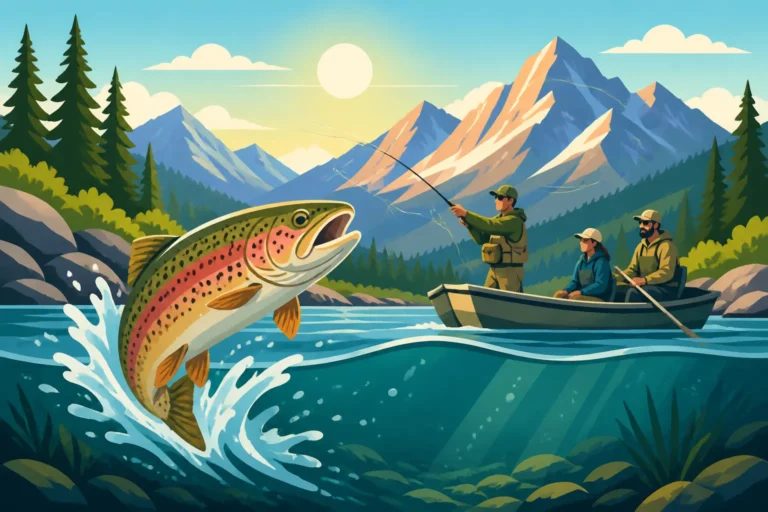
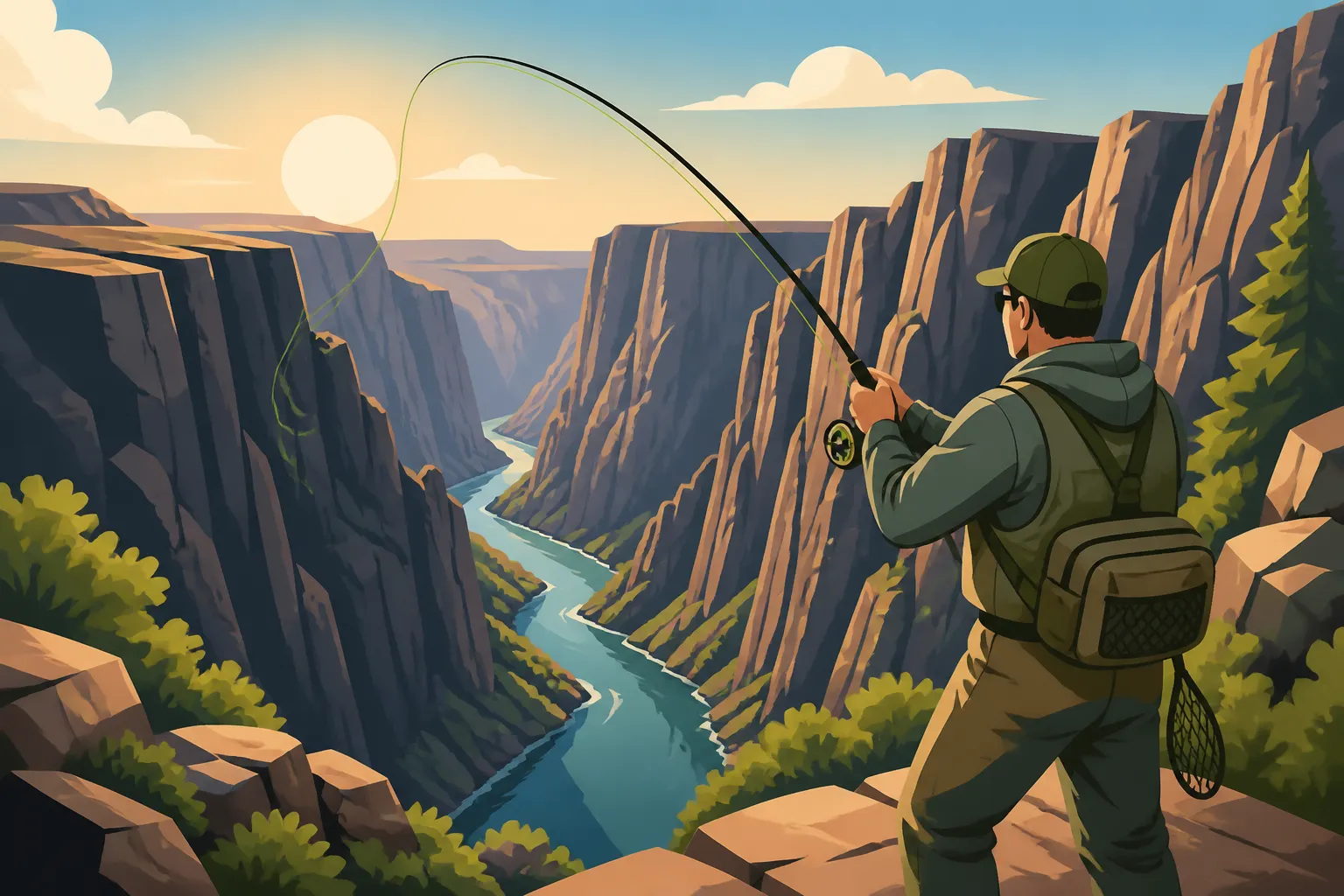
Imagine standing at the river's edge, surrounded by towering, dark granite cliffs that plunge hundreds of feet, feeling the cool spray of the rushing water, and hearing only the sounds of the canyon. This isn't a crowded riverbank you'd find closer to civilization. The Black Canyon offers an incredible sense of solitude and wildness that is increasingly rare in our busy world. The sheer scale of the place makes you feel small in the best possible way, allowing you to truly disconnect and immerse yourself in nature. It's an opportunity to fish in a truly pristine environment where the fish are wild and the scenery is simply breathtaking, making for memories that last a lifetime.
The raw, untamed nature of the canyon means that access is limited and often challenging, preserving its incredible character. Unlike more accessible rivers, you won't find easy pull-offs or paved trails leading right to prime fishing holes. This remoteness is both its greatest allure and its primary hurdle, but it ensures that those who do venture in are treated to an experience largely untouched by the modern world. It’s a place where the grandeur of Colorado’s natural landscape is on full display, from the unique geological formations to the diverse wildlife that calls the canyon home.
World-Class Trout Fishing in a Challenging Environment
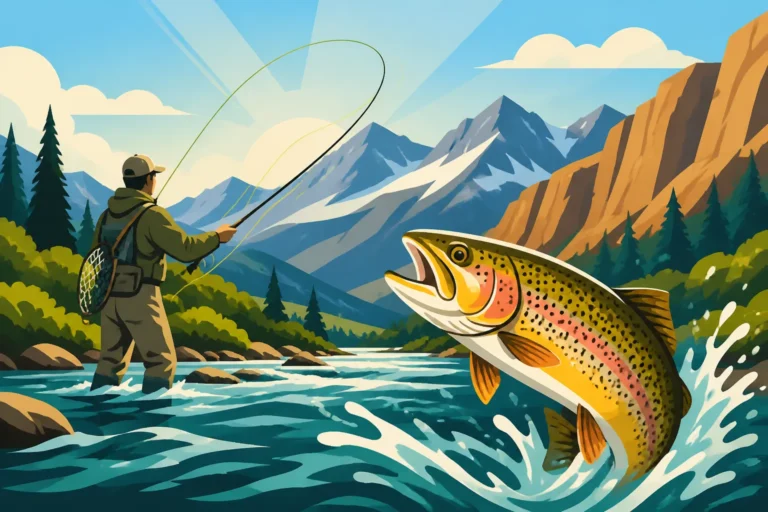
Beneath those dramatic cliffs flows the Gunnison River, a designated Gold Medal Water, teeming with an abundance of wild brown trout and rainbow trout. These fish are not just numerous; they are often large, hard-fighting, and incredibly wary, demanding precise presentations and skillful angling. This isn't a place where beginners can simply drop a line and expect success; the currents are swift, the holding lies are complex, and the fish are educated. The canyon's unique ecosystem, fed by cold, nutrient-rich water from the upstream dams, provides an ideal habitat for these impressive trout, leading to their robust size and vibrant health.
The challenge, however, is part of the appeal. Successfully landing one of these magnificent fish in such a wild setting is a true accomplishment. A guided trip specifically tailored for the Guided Trips on the Gunnison River Near Almont and its canyon sections will provide the expertise needed to unlock these waters. Guides intimately know the river's flows, the fish's feeding patterns, and the subtle nuances of each run and riffle, maximizing your chances of hooking into a trophy. They understand the hatches, the preferred fly patterns, and the tactics necessary to fool these discerning canyon dwellers, turning a potentially frustrating day into a rewarding angling adventure.
Understanding the Types of Guided Trips into the Black Canyon
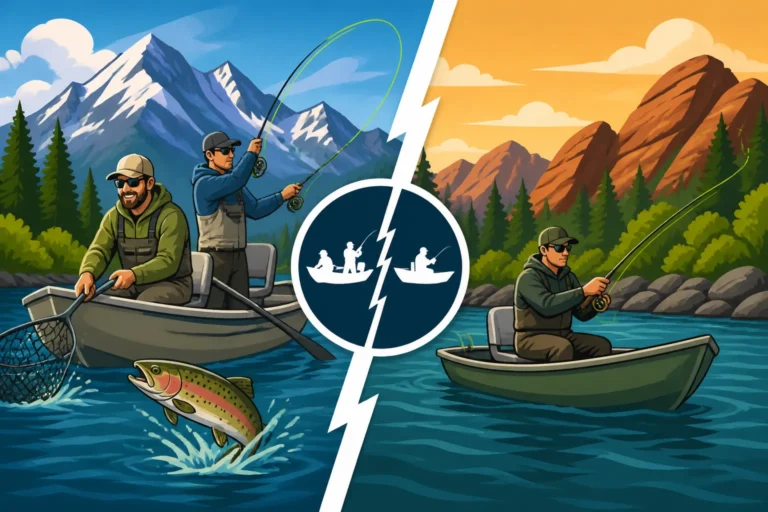
The Black Canyon is not a "one size fits all" destination. Due to its unique geography and varied access, guided trips come in a few distinct flavors, each offering a different level of adventure and comfort. Knowing what to expect from each type will help you choose the experience that best suits your skills and desires.
Float Trips Through the Lower Gunnison Gorge
Perhaps the most iconic way to experience the Black Canyon's fishing is via a multi-day float trip through the Lower Gunnison Gorge. This is a true wilderness journey, covering miles of incredible river where fishing is often interspersed with navigating exciting rapids. These trips typically require special permits and are only run by experienced outfitters who possess the necessary licenses and expertise to safely guide clients through the Class III and IV whitewater sections. You’ll be in a raft, often with a fishing frame, and the guide will row you through the canyon, stopping at prime fishing spots along the way.
These trips are immersive, requiring you to camp overnight on designated river banks within the canyon. All gear, food, and camping provisions are carried in the rafts, providing a comfortable yet rugged wilderness experience. While primarily focused on fishing, the journey itself is a major draw, offering unparalleled views of the canyon's geology, diverse wildlife sightings, and the thrill of river navigation. It's physically demanding in some respects, but the rewards are immense, providing access to stretches of river that are otherwise virtually inaccessible. Many outfitters list these extended trips on platforms like FishingBooker, making it easier to explore options and availability.
Walk-and-Wade Trips to Accessible Sections
For those who might not have the time or desire for a multi-day float, or who prefer to focus solely on the angling experience, walk-and-wade trips are an excellent option. These trips focus on the more "accessible" sections of the river, though "accessible" in the Black Canyon often still means a significant hike down into the gorge. Guides will lead you down steep trails to reach the river, often targeting specific runs or pools that consistently hold fish. These trips are typically full-day excursions, maximizing your time on the water.
Walk-and-wade trips are more physically demanding due to the hiking involved, but they allow for a more intimate connection with the river. You'll be focusing on specific techniques like nymphing in deep pockets or dry fly fishing the seams, with the guide providing instruction and spotting fish. These trips are often less expensive than multi-day floats and can be a fantastic way to experience a piece of the Black Canyon's fishing without committing to an extended wilderness journey. Understanding the physical demands is key; discuss trail difficulty with your guide before booking. Some guides might even offer How to Access Cheesman Canyon Without a Long Hike type advice for various canyon sections, making it slightly less strenuous.
What to Expect on a Black Canyon Guided Fishing Excursion
Stepping into the Black Canyon, especially for the first time, can feel like entering another world. A guided trip alleviates much of the logistical stress and provides invaluable local knowledge, but it's still important to have a realistic understanding of what the experience entails. This isn't your average day on a gentle local pond.
The Role of Your Expert Guide
Your guide is much more than just someone who rows a boat or ties on flies; they are your wilderness expert, fishing instructor, and safety officer rolled into one. In a place as wild as the Black Canyon, a good guide's knowledge of the terrain, river flows, and emergency procedures is paramount. They know the river's temperament, understanding when certain sections are safe to fish or float and when they pose too much risk. They are adept at reading the water, identifying prime holding lies for the canyon's elusive trout, and can offer personalized instruction to improve your casting, presentation, and fish-fighting skills in challenging currents.
Beyond their angling prowess, guides often act as naturalists, sharing insights into the canyon's unique geology, flora, and fauna. They carry essential safety gear, first-aid kits, and communication devices, providing peace of mind in this remote environment. Many guided trips also include lunch, snacks, and drinks, ensuring you stay fueled and hydrated throughout the day. Your guide will handle all the logistics, from securing permits to navigating difficult terrain, allowing you to focus entirely on the fishing and the breathtaking surroundings. They are your gateway to a truly immersive and safe Black Canyon adventure, and you can often find detailed bios of these experts on platforms like FishingBooker, helping you choose someone with experience in this unique area.
Gear, Techniques, and the Canyon's Challenges
When you venture into the Black Canyon with a guide, you can expect them to provide most, if not all, of the necessary fishing gear, including high-quality rods, reels, waders, boots, and a wide array of flies or lures. This is particularly helpful given the specific demands of the canyon's fishing. The Gunnison's wild trout are often selective, requiring specific fly patterns and precise presentations. Your guide will have a fly box stocked with the exact patterns currently working, from various nymphs to streamers and occasional dry flies that match the Fly Selection for Colorado's Caddis Hatch or other insects.
The techniques employed will vary depending on the section of the river and current conditions. Nymphing in deep, swift currents is a common and effective method, often using heavy rigs to get flies down quickly. Streamer fishing can be deadly for the canyon's larger brown trout, especially during specific times of the year. While dry fly opportunities exist, particularly during hatches, the consistent current and depth often make subsurface techniques more productive. Be prepared for steep descents on walk-wade trips and potentially strenuous wading in strong currents. The canyon's sheer walls can also create tricky casting conditions, so practicing your short game and roll casts can be beneficial.
Preparing for Your Adventure: Gear, Fitness, and Mindset
A guided fishing trip into the Black Canyon is an adventure, and like any good adventure, it requires some personal preparation. It's not just about showing up with a positive attitude; it’s about being physically ready, having the right personal items, and embracing the wilderness experience.
Physical Demands and What to Pack
The Black Canyon is physically demanding. Walk-and-wade trips often involve steep, sometimes slippery trails down into the gorge and strenuous wading in powerful currents. Multi-day float trips, while offering the ease of floating, still require some physical stamina for getting in and out of rafts, setting up camp, and maneuvering around riverbanks while fishing. Good physical fitness, including strong knees and ankles, is a definite asset. You don't need to be an Olympic athlete, but being able to comfortably hike several miles with some elevation change and maintain balance in moving water will significantly enhance your enjoyment and safety.
When it comes to packing, think layers! Colorado weather can be unpredictable, especially in the canyons. Even on a warm day, the canyon can feel cool and shady, and afternoon thunderstorms are always a possibility. Essential items include:
- Sun Protection: Hat, sunglasses (polarized are a must for seeing fish), and sunscreen.
- Waterproof Outerwear: A good rain jacket and pants are crucial.
- Moisture-Wicking Layers: Synthetic or wool base layers will keep you warm even if wet.
- Gloves: Fingerless fishing gloves can protect your hands from sun and nicks.
- Personal Medications: Any prescription medications you need.
- Water Bottle: Stay hydrated.
- Camera: To capture the incredible scenery (ensure it's waterproof or in a dry bag).
- Fishing License and Habitat Stamp: Absolutely essential. Your guide will check this, and you can find detailed information on Colorado Fishing License Guide for Residents and Nonresidents and Colorado's Habitat Stamp, Explained.
Embracing the Wilderness Mindset
Part of the Black Canyon's magic is its wildness, and entering that environment requires a specific mindset. Be prepared for limited cell service, no amenities, and the sounds of nature, not traffic. Embrace the disconnection; this is your chance to truly unwind and focus on the river and the landscape around you. Pack out everything you pack in, and follow all Leave No Trace principles. Respect the wildlife you encounter and the fragile ecosystem of the canyon.
Be flexible. River conditions, weather, and fish behavior can change rapidly. Your guide will make decisions based on safety and the best chances for fishing success, and sometimes that means adapting the plan on the fly. Trust their expertise. A positive attitude, a willingness to learn, and an appreciation for the wild beauty of the Black Canyon will ensure you have an incredible and memorable experience, regardless of how many fish you catch. Remember, a big part of a guided trip in this unique environment is the journey itself, not just the destination or the fish count.
Choosing the Right Guide for Your Black Canyon Journey
Selecting the right guide is paramount for a Black Canyon fishing trip. This isn't a casual decision; your guide's expertise, safety record, and personality will profoundly impact your experience in this remote and challenging environment. Don't just pick the first name you see; do your homework.
What to Look for in a Black Canyon Guide
Experience is king when it comes to guiding in the Black Canyon. You want a guide who has spent countless hours on the Gunnison River, specifically within the canyon sections. Look for guides and outfitters with a proven track record, not just in catching fish, but in safely navigating the river's rapids and understanding its complex hydrology. An experienced guide will have an intimate knowledge of the canyon's microclimates, the best fishing spots at different water levels, and the ever-changing insect hatches. They should also be highly proficient in first aid and wilderness safety, as help can be hours away in this remote location.
Beyond technical skills, consider the guide's communication style and teaching ability. A good guide isn't just a boatman; they are an educator. They should be patient, encouraging, and willing to share their knowledge, whether you're a seasoned angler or a beginner. Don't hesitate to ask specific questions when booking, such as:
- How long have you been guiding in the Black Canyon?
- What is your safety protocol for float trips or difficult hikes?
- What species do you typically target and what techniques will we use?
- What is included in the trip cost, and what should I bring?
- Do you carry all necessary permits and licenses for commercial operations?
You can often find detailed information about outfitters and independent guides, including their specializations and client reviews, on booking platforms like FishingBooker. This can be a great starting point for researching and comparing options. For instance, some guides specialize in Guided Trips in the Black Canyon of the Gunnison specifically, while others might focus more on the upper river.
The Value of an Orvis-Endorsed Outfitter
When researching guides, you might come across outfitters that are "Orvis-Endorsed." While not the only indicator of a quality operation, this designation provides a strong baseline of professionalism and commitment to client satisfaction. Orvis-Endorsed Outfitters undergo rigorous evaluation processes, focusing on guide experience, client service, teaching ability, and adherence to ethical angling practices. This means they are committed not just to putting you on fish, but to providing a high-quality, educational, and enjoyable experience from start to finish.
Choosing an Orvis-Endorsed Outfitter often means you can expect top-of-the-line gear, knowledgeable and patient guides, and a commitment to conservation. While their trips might sometimes be at a higher price point, the value in terms of expertise, safety, and overall experience can be well worth the investment, especially in a challenging environment like the Black Canyon. It's a stamp of approval that signals a consistent standard of excellence in the fly-fishing industry, and they will be well-versed in topics like Orvis-Endorsed Outfitters in the Gunnison Valley. When you're venturing into a place as unique as the Black Canyon, having that extra layer of assurance can make a significant difference in your trip's success and enjoyment.
Navigating Regulations and Access for Black Canyon Guided Trips
Fishing in the Black Canyon, especially within its federally protected areas, comes with specific regulations and access protocols that are critical to understand. A reputable guide will handle most of these complexities for you, but knowing the basics will help you appreciate their expertise and ensure you're a responsible angler.
Permits, Licenses, and Special Rules
One of the most crucial aspects of a Black Canyon guided trip, particularly for multi-day floats through the Lower Gunnison Gorge, is the requirement for specific wilderness permits. These permits are limited in number and often need to be secured well in advance by the outfitter. This is one of the primary reasons why using a licensed guide is so essential; they have the knowledge and authorization to obtain these permits, which would otherwise be a significant hurdle for an individual angler. Trying to access these areas without the proper permits can lead to severe fines and penalties.
Beyond wilderness permits, every angler aged 16 and older needs a valid Colorado fishing license and a Colorado Habitat Stamp. Your guide will ask to see these before the trip begins. It's wise to purchase these online through the Colorado Parks and Wildlife (CPW) website or at an authorized vendor beforehand. For details on how to get yours, check out How to Buy a Colorado Fishing License. The Black Canyon is almost entirely designated as Gold Medal Water, which means special regulations apply regarding bait, artificial lures, and bag limits. For example, some stretches may be fly-and-lure only with specific restrictions on barbed hooks. Understanding these unique rules, especially for a designated Colorado Gold Medal Water Regulations Explained, is crucial, and a good guide will be your best resource.
The Challenges of Access and Exit Points
The very nature of the Black Canyon's geography means that access points are few and far between, and often quite challenging. For float trips, guides utilize specific launch points and take-out points that require specialized equipment and river knowledge. These aren't your typical easy-access boat ramps. Similarly, for walk-and-wade trips, the trails leading into the canyon can be steep, rocky, and exposed, sometimes involving significant elevation changes over short distances. These trails are not maintained to the same standards as state park trails and can be difficult, particularly in wet conditions.
The remote nature also means that once you are in the canyon, your options for exiting are limited. This is another area where your guide's expertise becomes invaluable. They know the safest routes, the best places to traverse the terrain, and how to manage the logistical challenges of getting you and your gear into and out of the gorge. Attempting to navigate these access points independently, especially without prior experience, can be dangerous and is strongly discouraged. Trusting your guide's judgment on routes and timelines is paramount for a safe and successful trip.
| Trip Type | Access Difficulty | Typical Duration | Physical Demands | Requires Overnight Camping | Primary Focus |
|---|---|---|---|---|---|
| Float Trip | Guided/Permit Only | Multi-day (2-4) | Moderate to High | Yes | Fishing & Journey |
| Walk-and-Wade | Strenuous Hike | Full Day | High | No | Intense Fishing |
Disclaimer
This article is for general informational purposes only and does not constitute professional advice. Laws, prices and regulations vary by location and change over time. Consult a qualified professional for guidance on your specific situation.