Why Some Colorado Waters Ban Northern Pike
You're planning a fishing trip to Colorado, dreaming of catching some impressive fish, only to discover that the very species you're excited about – Northern Pike – is actually banned in certain waters. It can be incredibly confusing and frustrating to figure out why these seemingly exciting game fish are treated so differently across the state. This guide will walk you through the ecological reasons behind these regulations and help you understand where these rules apply, so you can enjoy Colorado's diverse fisheries responsibly.
The Northern Pike Paradox: A Fishery Manager's Challenge
Northern Pike are undeniably thrilling to catch. Their aggressive strikes, powerful runs, and impressive size make them a bucket-list species for many anglers. In some parts of the country, they are revered as top-tier sportfish, and rightly so. However, in Colorado, particularly in specific bodies of water, these same qualities that make them so appealing to anglers are precisely what makes them a significant concern for wildlife managers. It's a real paradox, where a desirable game fish can become an ecological problem child, leading to some of the stringent regulations you might encounter.
The issue isn't that Colorado Parks and Wildlife (CPW) dislikes pike; it's about balancing different ecological goals. Our state manages a diverse array of aquatic environments, from pristine high-alpine lakes home to native cutthroat trout to vast warmwater reservoirs teeming with bass, walleye, and catfish. What thrives in one environment can be detrimental in another. So, while you might find waters where pike fishing is encouraged, even to the point of mandatory harvest, you’ll also find places where they are explicitly banned, or at the very least, where their harvest is highly encouraged and catch-and-release is strongly discouraged. It’s a nuanced situation that reflects the delicate balance of aquatic ecosystems here in the Rocky Mountains.
Understanding the Pike's Role in Colorado's Ecosystem
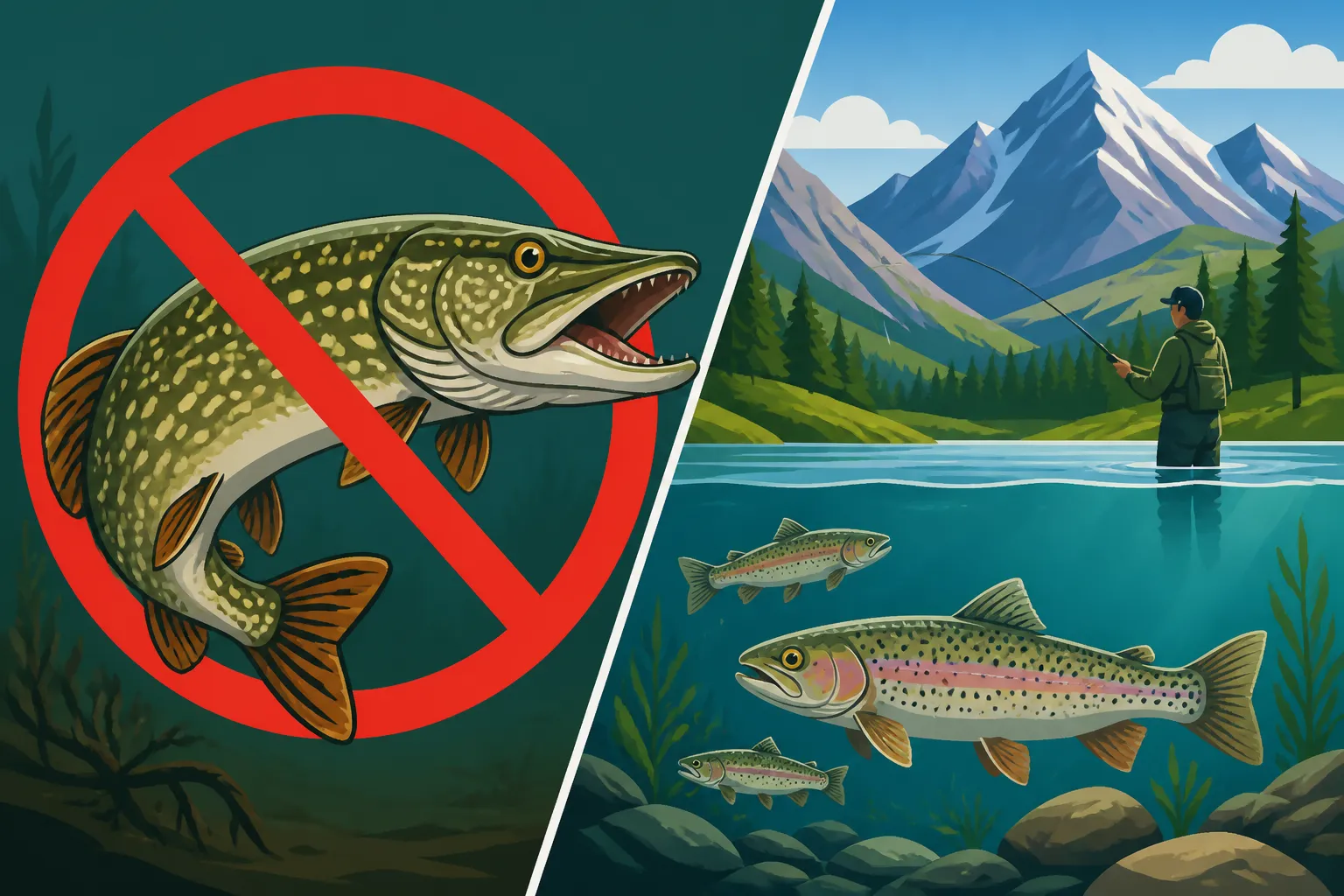
Northern Pike (Esox lucius) are opportunistic and voracious predators. They have a long, torpedo-shaped body, a broad, duck-billed snout packed with sharp teeth, and eyes set high on their head, giving them excellent predatory vision. They are ambush predators, often lurking in weed beds or submerged structures, waiting for an unsuspecting meal to swim by. Their diet is incredibly varied, consuming insects, frogs, small mammals, and, most notably, other fish. And they don't discriminate; if it fits in their mouth, it's fair game.
While pike are native to many parts of North America, particularly northern latitudes, they are not native to Colorado. Their presence here is a result of past introductions, some intentional and some likely accidental, many decades ago. In some reservoirs, they have established self-sustaining populations, which can be fantastic for anglers seeking a challenge. However, their predatory nature and rapid growth can wreak havoc on ecosystems that aren't adapted to handle such an efficient predator. It’s not about judging the fish itself, but understanding its impact within a specific, sometimes fragile, environment.
The Ecological Impact: Why Pike Are Banned
The primary reason certain Colorado waters ban Northern Pike, or heavily encourage their harvest, boils down to their ecological impact. These fish can fundamentally alter the species composition and health of an aquatic environment, especially where native or sensitive species are present. It's a classic case of an introduced species outcompeting or preying upon existing populations that haven't evolved defenses against such a formidable predator.
When you think about the high country, imagine a remote alpine lake, fed by snowmelt, with a healthy population of native Colorado River Cutthroat Trout. These trout have adapted over millennia to coexist with certain predators and competitors, but not a large, aggressive fish like the Northern Pike. The introduction of pike into such a system can be devastating, quickly decimating trout populations and even impacting other aquatic life that forms the base of the food chain. This isn't just theory; it has happened in real-world scenarios across the state, prompting the need for strict regulations to protect vulnerable species.
Predation on Native and Sport Fish
This is arguably the biggest concern. Pike are apex predators, and they eat a lot. In waters where they are not native, or where they are introduced into systems with sensitive fish populations, they can quickly decimate prey species. This includes not only smaller baitfish but also valuable sport fish that anglers cherish, such as trout and salmon.
- Native Cutthroat Trout: Colorado is actively involved in the recovery of its native cutthroat subspecies, including the Greenback Cutthroat Trout and the Colorado River Cutthroat Trout. These fish are often found in pristine, isolated headwater streams and lakes. If pike gain access to these waters, they can wipe out years of conservation efforts in a very short time. For this reason, many of the waters designated for cutthroat recovery have zero tolerance for pike, classifying them as undesirable or even illegal to possess alive. Protecting these iconic native species is a top priority for wildlife managers, and pike pose a significant threat. Learn more about Colorado's Native Cutthroat Trout Subspecies.
- Stocked Trout and Salmon: Many of Colorado's popular fishing destinations, especially reservoirs and tailwaters, rely on consistent stocking of species like Rainbow Trout and Kokanee Salmon to maintain recreational fishing opportunities. Pike, being opportunistic feeders, will readily prey on these stocked fish, essentially eating away at the investment and effort put into creating these fisheries. This can lead to reduced catch rates for anglers targeting trout or salmon, creating a ripple effect on the fishing experience. For example, in waters managed for Kokanee Salmon, an explosion of pike could severely impact the salmon population, which is a major draw for many Colorado anglers. Kokanee Salmon Fishing in Colorado is a huge deal here, and pike can directly undermine those efforts.
Competition for Resources
Beyond direct predation, Northern Pike also compete with other fish for food and habitat. Even if they aren't actively eating every trout in the lake, their presence can strain the available resources. This competition can impact the growth rates and overall health of other fish species, making them less robust and less available for anglers. Imagine a limited supply of forage fish; if pike are constantly consuming them, there's less left for other predators like walleye, bass, or even large trout that rely on those same food sources.
Furthermore, pike can occupy prime ambush habitat – those weed beds and submerged structures – that other species might also utilize. This displacement can stress other fish, forcing them into less ideal locations and potentially impacting their spawning success or foraging efficiency. It creates a domino effect throughout the aquatic food web, making the entire ecosystem less stable and less productive for the species Colorado aims to manage for recreational fishing.
Where Northern Pike Are Banned (and Why It Varies)
It's crucial to understand that the regulations surrounding Northern Pike are not uniform across Colorado. They are highly specific to individual bodies of water, reflecting the unique ecological goals and challenges of each location. You can't assume that because pike are legal in one reservoir, they are legal in another just a few miles away. This variability can be a source of frustration for anglers, but it’s a direct response to the varying management needs of Colorado's diverse waters. Always check the latest Colorado Fishing Regulations Every Angler Should Know before heading out.
The regulations typically fall into a few categories: mandatory harvest, unlimited bag and possession limits, or complete bans on possession (meaning you must immediately release them dead or alive, with "dead" often being the preferred and sometimes mandatory option to prevent re-release).
Protecting Native Cutthroat Recovery Waters
Many of the strictest regulations, including outright bans or mandatory immediate harvest, are found in waters that are critical for the recovery of Colorado's native cutthroat trout species. These are often high-elevation lakes and streams, pristine and isolated, where conservation efforts are focused on re-establishing genetically pure populations of Greenback, Colorado River, or Rio Grande Cutthroat Trout.
- Examples: Specific areas in Rocky Mountain National Park, certain stretches of the Arkansas River headwaters, or isolated lakes in the San Juan Mountains might fall into this category. The presence of even a single pike can jeopardize decades of work to bring these species back from the brink. In these waters, catching a pike isn't just a matter of releasing it; it often comes with a strong directive to not return it to the water, to prevent it from continuing its predatory impact. It's a tough but necessary measure to protect a truly irreplaceable part of Colorado's natural heritage.
Waters Stocked for Specific Fisheries (e.g., Kokanee Salmon)
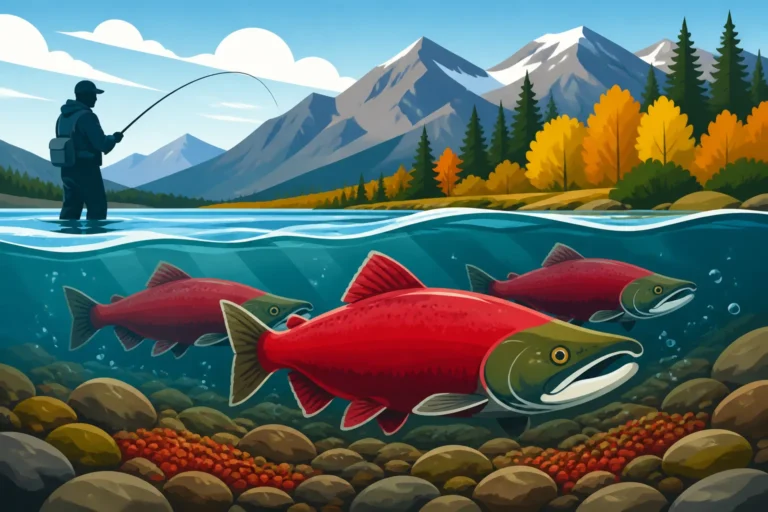
Reservoirs heavily managed for species like Kokanee Salmon are another common area where pike populations are closely monitored and often controlled. Kokanee are a landlocked sockeye salmon that provide a unique and popular sport fishery, particularly in large reservoirs like Blue Mesa. These fish are a vital part of Colorado's fishing economy and provide fantastic angling opportunities.
- The Threat to Kokanee: Pike, being large piscivores, can significantly impact kokanee populations, especially the younger fish. CPW invests substantial resources into stocking kokanee, and uncontrolled pike populations essentially turn these stocked fish into pike food. To protect the kokanee fishery, regulations in these waters will often encourage or even mandate the harvest of any pike caught, often with no bag or possession limits, effectively asking anglers to assist in the management effort. This helps ensure that there are plenty of salmon for everyone to enjoy.
| Water Type | Typical Pike Regulation | Rationale |
|---|---|---|
| Native Cutthroat Waters | Immediate harvest, no possession (dead or alive) allowed | Protect endangered/threatened native trout from predation. |
| Kokanee Salmon Reservoirs | Unlimited bag/possession, harvest encouraged/mandatory | Reduce predation on stocked kokanee salmon, preserve sport fishery. |
| Mixed Species Reservoirs | Bag/possession limits, sometimes harvest encouraged | Balance various sport fish populations, control invasive spread. |
| Private Waters | Varies by landowner; often no state regulation on possession | Landowner's discretion, though state regulations on transport still apply. |
Navigating Regulations and Best Practices
Understanding where Northern Pike are legal to target, and what the specific rules are, is critical for any responsible angler in Colorado. The sheer diversity of regulations can feel overwhelming, but a little preparation goes a long way in ensuring you have a fun, legal, and ecologically sound fishing trip. Remember, these rules are in place for good reasons, aiming to protect the incredible fishing opportunities Colorado offers, both for native species and popular game fish.
It's a common frustration to see a fish that's highly prized elsewhere be demonized here, but the unique ecosystems of Colorado demand a careful approach. If you’re ever unsure about a particular body of water, it’s always better to err on the side of caution.
Always Check the Current Regulations
This cannot be stressed enough: always, always check the current Colorado Fishing Regulations brochure before you head out. Regulations can change annually, and what was permissible last year might be different this year. This brochure is your Bible for Colorado fishing. It lists specific regulations for many lakes and rivers, often outlining special rules for pike, walleye, trout, and other species. You can usually pick up a physical copy wherever fishing licenses are sold, or find a digital version on the Colorado Parks and Wildlife website.
- The Colorado Fishing Atlas: Another invaluable tool is the What Colorado's Fishing Atlas Shows You. This online interactive map provides detailed information on specific waters, including species present, stocking reports, and special regulations. It’s an incredibly powerful resource that can help you plan your trip with precision and avoid any unwelcome surprises.
- Local Knowledge: Don't hesitate to ask local bait shops or fly shops about specific regulations for the water you plan to fish. They are usually very knowledgeable about local nuances and can offer excellent, real-time advice. Plus, they often have the latest copies of the regulations.
What to Do If You Catch a Pike in a Regulated Water
If you find yourself in a water body with restrictive pike regulations – for example, one designated as "mandatory harvest" or where possession is prohibited – it's crucial to know what to do. The overarching goal in these situations is to prevent the pike from continuing to impact the ecosystem.
- Immediate Harvest: In many sensitive waters, the regulation will explicitly state "immediate harvest," meaning the fish must be killed immediately upon capture and not returned to the water. This isn't about wanton killing; it's a conservation measure. If you catch a pike in such a water, you are required to dispatch it humanely. Tools like a fish bonker, readily available on platforms like Amazon, can make this process quick and effective.
- Do Not Release Alive: Releasing a pike alive into a water where its presence is detrimental directly undermines conservation efforts. Even if you think "just one won't hurt," the cumulative effect of many anglers doing the same thing can be disastrous. The phrase "What to Do If You Catch an Endangered Fish by Accident" might sound extreme, but the sentiment of protecting sensitive populations applies equally to understanding the role of undesirable species like pike in certain waters.
Practical Tips for Pike-Heavy Waters
Conversely, in waters where Northern Pike are managed as a game fish, or where their populations need to be thinned out, anglers are often encouraged to keep them. These can be fantastic opportunities to target big fish and fill your cooler!
- Gear Up: Pike have incredibly sharp teeth. If you're targeting them, or anticipate catching them, use appropriate gear. Steel leaders are a must to prevent bite-offs. Pliers or forceps are essential for hook removal, protecting both the fish and your fingers. You can find robust options for these tools on Amazon.
- Handling Pike: If you plan to keep pike in waters where it's encouraged, understand proper handling. A net with rubber mesh is gentler on the fish if you plan to release, but for harvest, a firm grip and quick dispatch are key. Their slime coat provides protection, so minimize handling that removes too much of it.
- Culinary Delight: Northern Pike, despite their bony reputation, are excellent eating fish. They have firm, white, flaky meat. Learning how to properly fillet a pike to remove the "y-bones" can unlock a delicious meal. There are many tutorials online that can walk you through the process, making that mandatory harvest in some areas feel a little more rewarding.
Ultimately, respecting Colorado's diverse fishing regulations, especially those concerning Northern Pike, is part of being a responsible angler. By understanding why these rules exist, you can play a part in preserving Colorado's incredible fisheries for future generations.
Disclaimer
This article is for general informational purposes only and does not constitute professional advice. Laws, prices and regulations vary by location and change over time. Consult a qualified professional for guidance on your specific situation.