What Colorado’s Record Lake Trout Weighed
It's incredibly frustrating when you're trying to track down a specific piece of information, like the state record for a particular fish species, and all you get are vague references or outdated figures. As someone who's spent countless hours chasing fish (and sometimes records!) across this beautiful state, I know the thrill of a truly massive catch, and the respect it demands. This guide is here to cut through the noise and give you the definitive answer about Colorado's record lake trout, and why it's such a monumental achievement, while also diving into what makes these giants tick in our high-country waters.
The King of the Depths: Colorado's Record Lake Trout
When you talk about truly massive fish in Colorado, one species immediately comes to mind for sheer size and power: the lake trout, often affectionately called "mackinaw" by us locals. These aren't your typical stream-dwelling trout; they are apex predators of our deepest reservoirs, growing to astonishing proportions. The quest for a state record is a journey many anglers embark on, but only one fish can hold the crown.
What Was the Record-Breaking Weight?
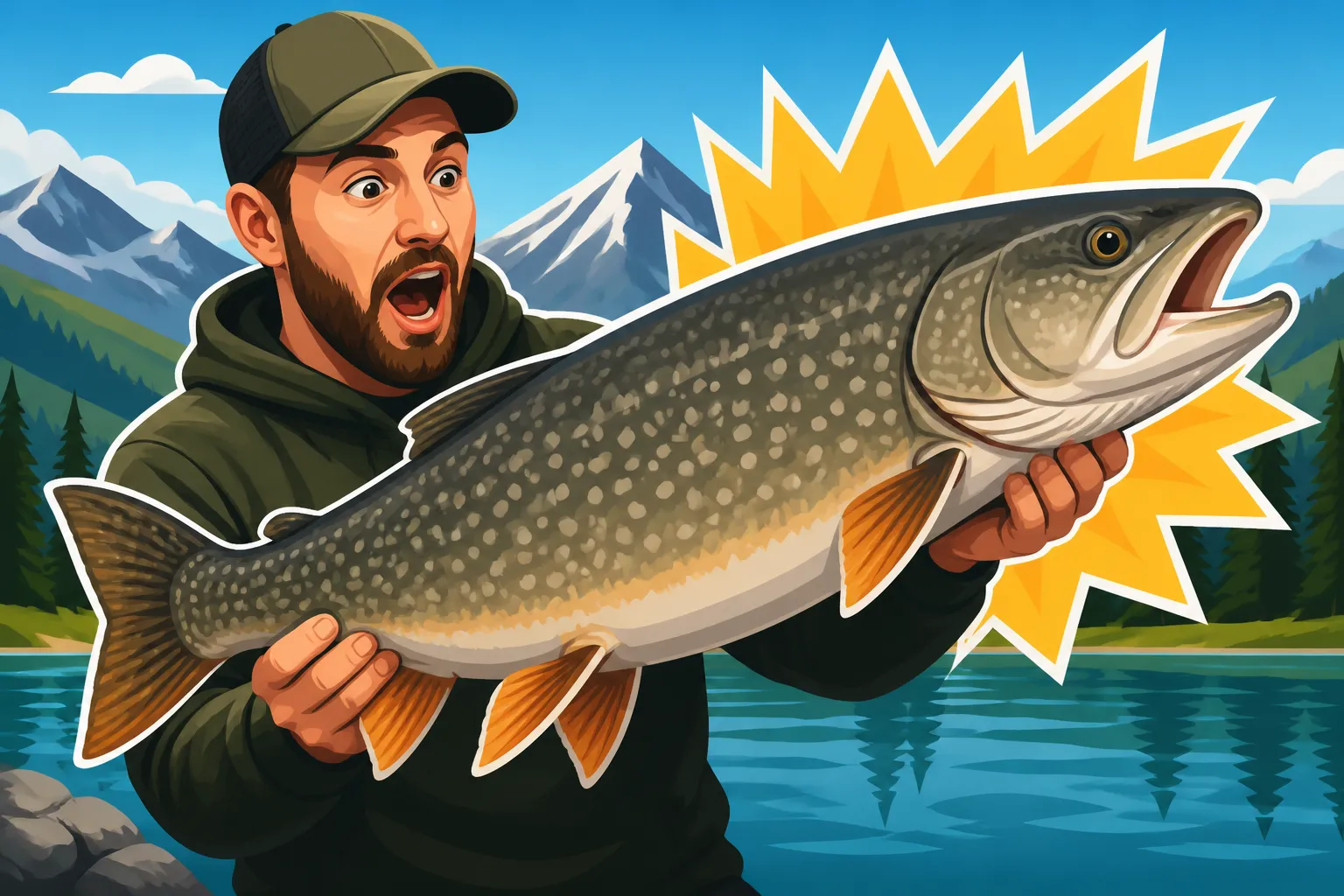
Let's get right to it, because I know that's why you're here. The official Colorado state record lake trout weighed in at an incredible 50 pounds, 5 ounces. That's a fish that could easily outweigh a small child and certainly represents a lifetime catch for any angler. Imagine the fight, the sheer brute strength of a fish that large coming out of the depths! It’s the kind of story that gets told around campfires for generations. This record isn't just a number; it's a testament to the immense potential of Colorado's cold, deep waters and the dedication of the angler who managed to land such a beast.
Where and When Was This Giant Caught?
Knowing the weight is one thing, but knowing the "where" adds so much more to the legend. This monumental lake trout was caught in Blue Mesa Reservoir. If you've spent any time fishing in Colorado, you know Blue Mesa. It's renowned for its incredible lake trout fishery, often producing fish in the 20 to 30-pound range, and occasionally, true monsters like the state record. The record-breaking catch happened quite a while back, demonstrating the enduring quality of this particular fishery. The conditions must have been just right, aligning angler skill with a truly exceptional fish. It's a reminder that while records are rare, the potential for them exists, especially in places like Blue Mesa. If you're looking for a challenging but rewarding lake trout experience, Fishing Blue Mesa Reservoir for Lake Trout is a must-read.
The Majesty of Colorado Lake Trout: More Than Just a Record
Beyond the sheer numbers of the record, understanding the lake trout itself helps us appreciate just how special that 50-pounder truly was. These fish are fascinating creatures, perfectly adapted to the deep, cold, oxygen-rich waters of our mountain reservoirs. They are a different beast compared to the rainbows and browns we often chase in rivers.
Understanding the Species: Biology and Habitat
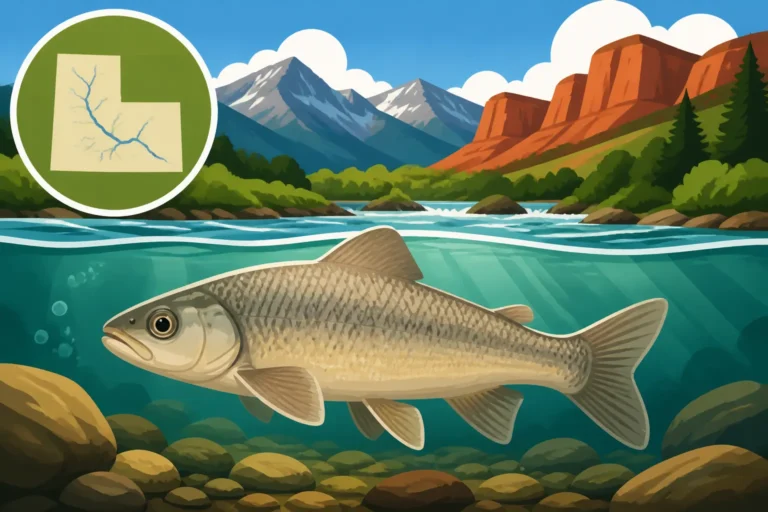
Lake trout (scientific name Salvelinus namaycush) are not native to Colorado but have thrived in many of our large, deep reservoirs since their introduction. They are char, a subgroup of the salmonid family, and they prefer very cold water, typically below 55 degrees Fahrenheit. This is why you'll find them in places like Blue Mesa, Granby, Dillon, and other high-elevation impoundments. They have a long, torpedo-shaped body, typically dark green to gray with light spots. Their tail is deeply forked, a key identifier, and they possess a row of teeth on the roof of their mouth.
Their diet primarily consists of smaller fish, like kokanee salmon, suckers, and perch, which is exactly why they can grow so large. A consistent, abundant food source is crucial for these fish to reach trophy size. They're slow-growing, long-lived fish, meaning a 50-pound lake trout has likely been patrolling the depths of Blue Mesa for many, many years. They are truly living relics of our reservoirs.
Why Certain Waters Produce Giants
Not all Colorado waters are created equal when it comes to growing giant lake trout. Several factors contribute to a reservoir's ability to produce truly immense fish, and Blue Mesa Reservoir perfectly exemplifies these conditions.
Firstly, deep, cold water is non-negotiable. Lake trout need consistently frigid temperatures, especially in the summer months, to thrive and avoid stress. Reservoirs with significant depth allow them to escape warmer surface waters and find their preferred thermal zones.
Secondly, an abundant forage base is paramount. As mentioned, lake trout are piscivores (fish-eaters). Waters like Blue Mesa are well-known for their thriving populations of kokanee salmon. These silvery, protein-packed fish provide an ideal diet that allows lake trout to pack on the pounds and grow quickly. A direct correlation exists between the health of the kokanee population and the size of the lake trout. Learn more about their size potential in How Big Lake Trout Get in Colorado.
Lastly, time and protection play a huge role. For a lake trout to reach 50 pounds, it needs many years to grow without being harvested. While anglers do target lake trout, certain regulations or the sheer difficulty of catching these deep-dwelling giants can allow a select few to live long enough to become true monsters. This is why many experienced anglers practice catch-and-release for the biggest mackinaw. It’s about respecting the fish and the fishery. Why Blue Mesa Grows Such Large Lake Trout delves deeper into this phenomenon.
The Thrill of the Chase: Targeting Trophy Lake Trout
For many anglers, the idea of hooking into a lake trout even half the size of the state record is a lifelong dream. While that 50-pounder is a rare exception, landing a trophy-class lake trout (say, 15-30 pounds) in Colorado is definitely achievable with the right techniques and patience.
Essential Gear for Deepwater Giants
Tackling a fish that can easily hit double-digit weights requires specialized gear. You simply can't bring a knife to a gunfight, or in this case, a light trout rod to battle a big mackinaw.
- Rods and Reels: Look for stout rods, typically medium-heavy to heavy action, ranging from 6.5 to 8 feet in length. These need the backbone to handle heavy weights, powerful runs, and potentially heavy sinkers or downriggers. Pair them with robust baitcasting or large spinning reels capable of holding a significant amount of heavy line. Many anglers find durable, high-capacity reels suitable for saltwater fishing also work perfectly for large lake trout. You might find a great selection of these on Amazon, often with detailed reviews from other deepwater anglers.
- Line: Braided line, typically in the 30-50 pound test range, is almost a necessity for deepwater lake trout. It has minimal stretch, allowing for better bite detection at extreme depths and more powerful hooksets. You'll likely use a fluorocarbon leader (20-30 lb test) for abrasion resistance and invisibility.
- Terminal Tackle: Heavy jigs (1-4 oz), large tube baits, spoons, and swimbaits are standard fare. Look for lures that mimic kokanee salmon or other forage fish. Don't be afraid to go big; a 50-pound fish isn't interested in a tiny snack. You'll also need heavy-duty snaps, swivels, and leader material to prevent break-offs. Check out the various options for Jigging for Lake Trout Through the Ice or Trolling Techniques for Colorado Reservoirs for more specific lure recommendations.
| Gear Category | Recommended Specifications | Why It's Important |
|---|---|---|
| Rod | 6'6" – 8' Heavy or Medium-Heavy action | Power for heavy lures, strong hooksets, and battling large fish. |
| Reel | Large baitcasting or spinning, high line capacity | Holds heavy braid, durable gears for big fish, smooth drag system. |
| Main Line | 30-50 lb Braided Line | Minimal stretch for sensitivity at depth, incredible strength. |
| Leader | 20-30 lb Fluorocarbon | Nearly invisible to fish, abrasion-resistant against rocks and teeth. |
| Lures (Jigs) | 1-4 oz, various colors (white, glow, chartreuse, silver) | Mimics forage fish, gets down deep quickly, triggers aggressive strikes. |
| Lures (Swim Baits) | 4-8 inches, natural baitfish colors | Realistic presentation, can be trolled or jigged, appeals to larger fish. |
| Downriggers/Lead Core | Essential for trolling specific depths | Gets lures to where deep lake trout live, precise depth control. |
| Fish Finder/Sonar | High-resolution, good depth penetration | Locates fish, identifies bait schools, maps underwater structure. |
Proven Techniques for Lunker Lake Trout
Catching these deepwater denizens requires different tactics than fishing for river trout. Most trophy lake trout are caught using either trolling or jigging methods.
Trolling for Trophy Lakers
Trolling is a highly effective way to cover vast amounts of water and present lures at precise depths where lake trout are holding. This often involves specialized equipment like downriggers, lead core line, or heavy weights to get your lures deep enough. You're typically looking to target depths anywhere from 40 to over 100 feet, depending on the season and time of day. How Deep Lake Trout Hold in Summer can give you a better idea of target depths.
You'll use large spoons, crankbaits, or even substantial live bait rigs (where legal) behind a dodger or flasher. The idea is to mimic a fleeing kokanee salmon or other forage fish. Trolling speeds are usually slow, just fast enough to impart action to your lure. Many anglers will use a fish finder to locate schools of baitfish and mark structure like submerged humps or drop-offs, then troll their lures through those areas. This is where investing in quality electronics, perhaps found through a thorough search on Amazon, can really pay off in locating prime fishing zones.
Jigging for Deepwater Monsters
Jigging is another incredibly popular and effective method, especially when you've pinpointed a school of fish or are targeting structure. This involves dropping heavy jigs or tube baits straight down to the desired depth and then working them with various lifts and falls to entice a strike. Many anglers employ sensitive electronics to watch their lure's action and even see fish approach and strike on the screen.
Vertical jigging is often preferred in colder months, particularly during ice fishing season when lake trout congregate around specific structures. Popular jigging baits include tube jigs, spoons, and soft plastic swimbaits in white, glow, or natural baitfish colors. The key is to experiment with retrieve speed and cadence until you find what the fish are responding to. Remember, a massive lake trout isn't going to be shy; they often hit with incredible force. Don't forget to review Colorado Ice Fishing Rules before heading out.
Conservation and the Future of Our Lake Trout Fishery
Landing a 50-pound lake trout is a monumental achievement, but it also comes with a significant responsibility. These large fish are often the cornerstone of the fishery, contributing to the gene pool and maintaining the health of the ecosystem.
Best Practices for Catch-and-Release
For trophy lake trout, practicing responsible catch-and-release is highly encouraged, especially for fish nearing or exceeding the state record. These giants are often very old, and their survival is crucial for the future of the fishery.
- Minimize Fight Time: Use appropriate tackle to bring the fish in as quickly as possible, reducing stress and exhaustion.
- Handle with Care: Keep the fish in the water as much as possible. If you must bring it aboard for a quick photo, support its entire body horizontally and avoid touching its gills or eyes.
- Proper Hook Removal: Use needle-nose pliers or a hook remover to quickly and gently remove the hook. If the fish is deeply hooked, consider cutting the line as close to the hook as possible; hooks often rust out over time.
- Revive Gently: Hold the fish upright in the water, facing into the current, until it regains its strength and can swim away on its own. Don't force it.
By following these practices, we ensure that these magnificent creatures can continue to thrive and potentially offer another angler the fight of a lifetime. The health of our fisheries depends on every angler doing their part. For more on safe handling, see How to Handle Trout for a Safe Release.
Understanding Regulations and Their Impact
Colorado Parks and Wildlife (CPW) implements regulations designed to manage fish populations, including lake trout. These regulations can vary by body of water and change over time, so it's absolutely crucial to check the current fishing regulations brochure before every outing. Things like bag limits, size restrictions, and even specific gear restrictions are put in place to ensure sustainable fishing for generations to come. For instance, some waters might have higher bag limits on smaller lake trout to manage populations, while others might have very restrictive rules on larger fish. Familiarize yourself with Colorado Fishing Regulations Every Angler Should Know and specifically Colorado Bag and Possession Limits by Species to ensure you're always fishing legally and ethically.
Maintaining a healthy population means that someday, someone else might just be lucky enough to hook into the next state record. It's about respecting the past, enjoying the present, and protecting the future of Colorado's incredible lake trout fishing.
Disclaimer
This article is for general informational purposes only and does not constitute professional advice. Laws, prices and regulations vary by location and change over time. Consult a qualified professional for guidance on your specific situation.