Fishing Horsetooth Reservoir Near Fort Collins
There’s nothing quite like staring out at the vast, shimmering expanse of Horsetooth Reservoir, the iconic flatirons looming in the background, knowing that beneath those clear, cool waters, some truly spectacular fishing awaits. But for many, especially those new to this Northern Colorado gem, the sheer size and diverse habitat of Horsetooth can feel a bit overwhelming, leaving you wondering where to even start. This comprehensive guide is here to cut through that confusion, giving you the insider knowledge to confidently tackle Horsetooth, whether you're a seasoned angler or just dipping your toes into the Centennial State's vibrant fishing scene.
Why Horsetooth Reservoir Calls Anglers Back Year After Year
Horsetooth Reservoir isn't just a picturesque body of water near Fort Collins; it's a dynamic fishery renowned for its challenging yet rewarding angling opportunities. This reservoir boasts a diverse ecosystem, making it a favorite for many anglers who appreciate variety.
What Makes Horsetooth Such a Unique Fishery?
Horsetooth Reservoir is a marvel of engineering and nature, a four-mile-long reservoir carved into the foothills west of Fort Collins. What makes it truly unique is its role in the Colorado-Big Thompson Project, diverting water from the Western Slope to the Eastern Plains. This constant influx of fresh, cold water, primarily from the Cache la Poudre River and the Big Thompson River, creates a rich, oxygenated environment that supports a robust coldwater and coolwater fishery. The reservoir's geology is characterized by steep, rocky shorelines, deep drop-offs, numerous coves, and submerged rock piles, which provide a plethora of ambush points and feeding grounds for various fish species. It’s a stark contrast to many other lakes, offering dramatic underwater structure that keeps anglers on their toes.
The varied depths, which can plummet to over 200 feet in some areas, coupled with significant temperature variations throughout the year, mean that fish are constantly on the move, chasing optimal conditions and food sources. This complexity, while challenging, is precisely what draws experienced anglers who love to decode a fishery. For those who enjoy exploring different techniques and chasing multiple species, Horsetooth offers a fantastic playground, ensuring that no two fishing trips ever feel quite the same. The clarity of the water also plays a significant role, often requiring anglers to employ stealth and subtle presentations, especially for the more wary species like walleye.
The Main Species You'll Find Biting at Horsetooth
Horsetooth Reservoir is a multi-species haven, catering to anglers with varied preferences. While you might encounter a handful of different fish, a few species truly dominate the angling landscape here.
Smallmouth Bass (Micropterus dolomieu): If you ask a local what to target at Horsetooth, smallmouth bass will almost certainly be at the top of the list. This reservoir is famous for its thriving smallmouth population, with many fish exceeding the 15-inch mark and trophy-sized specimens over 4 pounds not uncommon. They love the rocky structure, hiding among boulders and submerged ledges, making them a thrilling target for both conventional and fly anglers. Their aggressive strikes and powerful fights make them one of Colorado's most sought-after game fish, especially in a reservoir like Horsetooth that provides ideal habitat.
Walleye (Sander vitreus): For many, the elusive walleye is the ultimate prize at Horsetooth. Known for their delicious white flesh and notoriously finicky bite, walleye require patience and specific techniques. They prefer deeper, cooler water during the day and often move shallower to feed during low-light conditions, particularly at dawn and dusk. Anglers here consistently pull out quality walleye, sometimes hitting the 5-10 pound range, making the effort entirely worthwhile. Learning the nuances of Walleye Fishing in Colorado is key to success on these waters.
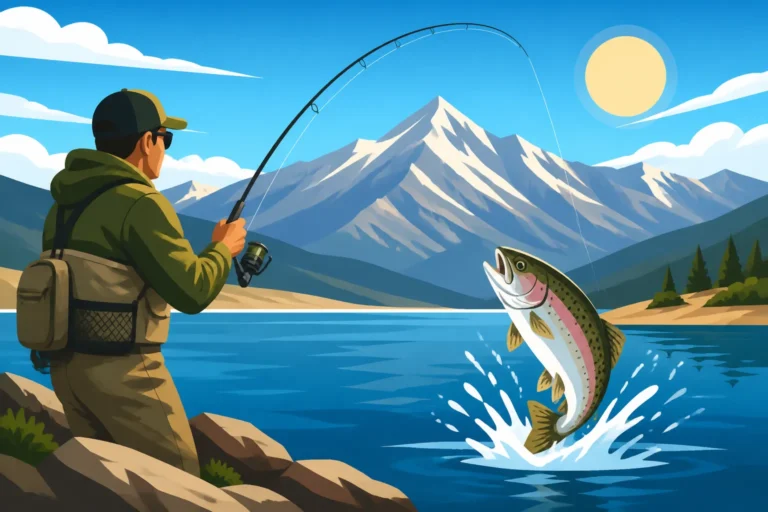
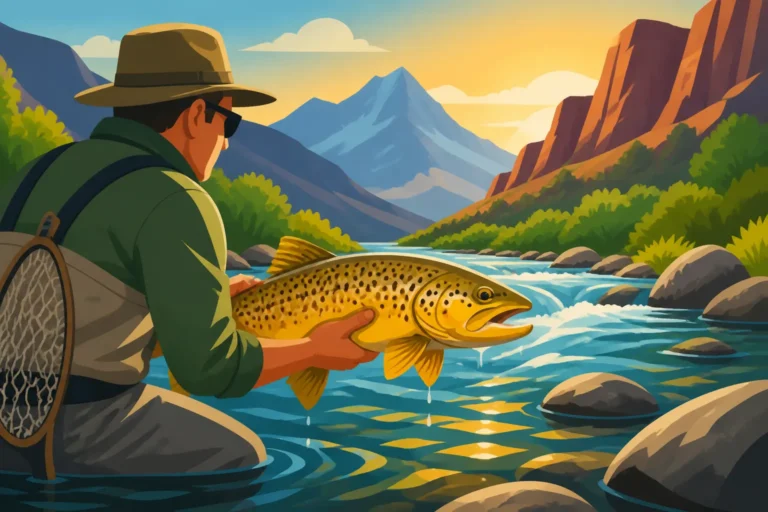
Trout (Rainbow, Brown, Cutthroat, and Hybrids): Horsetooth is regularly stocked with rainbow trout by Colorado Parks and Wildlife, ensuring a healthy population for anglers. While not always the primary target, trout offer consistent action, especially in the cooler months or deeper sections during summer. You might also encounter wild brown trout in some of the deeper, cooler sections, often feeding on smaller baitfish. The occasional cutthroat or a "cutbow" (a rainbow-cutthroat hybrid) can also show up, adding to the excitement. These coldwater residents provide a different challenge than the bass or walleye, often preferring different presentations.
Wiper (Morone saxatilis x Morone chrysops): A hybrid cross between a white bass and a striped bass, wipers are known for their incredible fighting power and aggressive schooling behavior. These fish are essentially freshwater torpedoes, hitting lures with immense force and putting up a battle that will test your tackle. They often cruise open water, chasing baitfish, and can provide explosive action when a school is located. Wiper, Colorado's Hybrid Striped Bass are a fantastic sport fish and a great bonus catch when you're targeting other species.
You might also come across channel catfish, especially in the shallower, warmer coves during summer, and yellow perch, which make for excellent table fare and are often found in schools. Carp are also present and can provide a strong fight for those looking for a different kind of challenge, though they are less commonly targeted by conventional sport anglers.
Essential Gear and Techniques for Success at Horsetooth
Approaching a reservoir the size and complexity of Horsetooth requires a thoughtful approach to gear and techniques. What works for one species might not entice another, and conditions can change rapidly.
Rods, Reels, and Lines for Reservoir Fishing
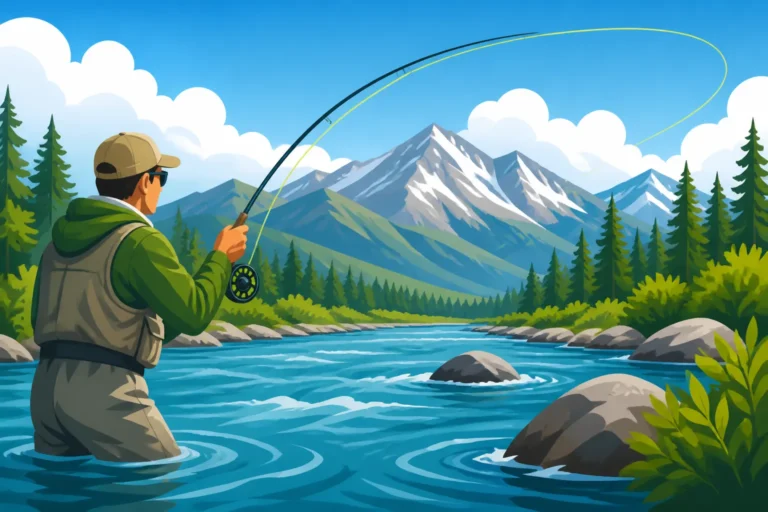
When it comes to tackle for Horsetooth, versatility is your friend. You'll likely want to bring a couple of setups to cover your bases, especially if you're targeting multiple species. For most of the trout and smallmouth bass fishing, a medium-light to medium power spinning rod, around 6'6" to 7' long, paired with a 2500- or 3000-series spinning reel, is ideal. Spool this with 6-8 pound monofilament or fluorocarbon, or use 10-15 pound braided line with a fluorocarbon leader for added sensitivity and stealth. This setup offers the finesse needed for lighter lures and the backbone to handle powerful fish.
If walleye and wiper are high on your list, consider stepping up to a medium-heavy power spinning or casting rod, typically 7 feet or longer. A 3000- to 4000-series reel with 10-15 pound braided line and a 10-12 pound fluorocarbon leader will give you the strength and sensitivity required to detect subtle bites in deeper water. The increased sensitivity of braided line can be a game-changer when jigging for walleye on the bottom. For those who enjoy Trolling Techniques for Colorado Reservoirs, a similar medium-heavy setup, often with specific trolling rods, will be necessary to handle heavier baits and lead core lines if depths require.
Top Baits and Lures for Horsetooth's Fish
The diet of Horsetooth's fish is varied, so having a selection of baits and lures can significantly improve your chances. For smallmouth bass, artificial lures are often the most productive. Soft plastic tubes (green pumpkin, watermelon seed), grubs, and swimbaits rigged on jig heads are deadly when fished along rocky drop-offs and points. Jerkbaits and crankbaits that imitate baitfish are also highly effective, especially when bass are actively chasing. Topwater lures can provide exhilarating strikes during early mornings and late evenings in warmer months.
Walleye, being primarily sight feeders in low light, often respond well to jigs tipped with live minnows or Gulp! minnow imitations, fished slowly along the bottom. Blade baits, spoons, and deep-diving crankbaits are also popular, particularly when trolled or cast to suspended fish. For trout, classic choices like PowerBait, salmon eggs, or nightcrawlers fished under a bobber or on the bottom are reliable. Artificial lures such as Kastmasters, Daredevils, and small inline spinners like Mepps or Panther Martins can also be very effective, especially when cast towards points or submerged structure. For aggressive wiper, look to reaction baits like large spoons, heavy jigs, or lipless crankbaits that mimic fleeing baitfish. These fish often respond to fast retrieves and erratic movements.
Fishing from Shore vs. Boat on Horsetooth
Horsetooth Reservoir offers excellent opportunities for both shore and boat anglers, each with its own advantages and challenges. Shore fishing is highly accessible, with numerous pull-offs and designated fishing areas along the reservoir's perimeter. Popular shore fishing spots include South Bay, Inlet Bay, Dixon Cove, and Satanka Bay. These areas provide access to rocky banks, coves, and points where smallmouth bass and trout can be found. Shore anglers can effectively use bait, cast spoons, or work soft plastics along the banks. However, reaching deeper structure or finding schooling fish can be difficult from shore, especially during peak summer when fish move into deeper, cooler water.
Boat fishing, whether from a motorized boat, kayak, or float tube, opens up the entire reservoir and is often the key to unlocking its full potential. With a boat, you can target those deep drop-offs, submerged humps, and distant coves that are inaccessible from shore. Utilizing a fish finder to locate schools of walleye, wiper, or lake trout in deeper water becomes crucial. Horsetooth has several boat ramps, including those at Inlet Bay Marina and Satanka Bay, making launch and retrieval relatively easy. Kayaks and float tubes offer a quieter approach, allowing anglers to stealthily approach shallower coves and fish structure without spooking wary fish. Regardless of your chosen method, always prioritize safety, especially with Colorado's unpredictable weather and cold waters.
Navigating Horsetooth: Prime Spots and Seasonal Strategies
Understanding the layout of Horsetooth Reservoir and how fish behavior changes with the seasons is paramount to consistent success. This reservoir is a complex system, and a little forethought goes a long way.
Identifying Key Structure and Hotspots
Horsetooth's underwater topography is its biggest asset for anglers. The reservoir is essentially a submerged canyon, meaning there are countless points, coves, ledges, and rock piles to explore. These structures act as highways and hiding spots for fish. For smallmouth bass, focus on rocky points and ledges, especially those with steep drop-offs into deeper water. Areas like Satanka Bay and Soldier Canyon offer extensive rocky habitat. Look for changes in depth and current, as these often concentrate baitfish and, in turn, predators. Dixon Cove is another popular spot known for its varied bottom structure.
Walleye and wiper will often relate to deeper main lake points, submerged humps, and creek channels. Use your electronics to find these features and look for baitfish schools suspended nearby. The deeper sections near the dam and the main channel running through the reservoir are prime walleye territory. Trout, especially freshly stocked ones, might be found closer to the inlets or in the larger coves like South Bay, where they can cruise for food. Later in the season, they'll retreat to cooler, deeper water, often suspending in the water column. Knowing How to Find Drop-Offs on a Colorado Reservoir can give you a significant advantage in locating these key structures, regardless of the species you're after.
Seasonal Fishing Outlook for Horsetooth
Fishing at Horsetooth Reservoir is a year-round affair, but what you target and how you do it changes dramatically with the seasons. Understanding these shifts is crucial for success.
Spring (March-May): This is a fantastic time at Horsetooth. As the ice melts (if it formed) and water temperatures begin to rise, fish become more active. Trout will be found closer to the surface and near inlets as they become more active, often responding well to PowerBait or small spoons. Smallmouth bass start moving shallower, preparing for their spawn, and can be caught on tubes, swimbaits, and jerkbaits along rocky banks. Walleye also begin their spawning rituals, making them challenging but possible to intercept with slow presentations in transition areas. Keep an eye on When Colorado Parks and Wildlife Starts Stocking Trout Each Spring for fresh opportunities.
Summer (June-August): Summer brings warmer surface temperatures, pushing most species into deeper, cooler water, especially during the day. Early mornings and late evenings offer the best topwater action for smallmouth bass. For walleye and wiper, you'll need to focus on trolling deep-diving crankbaits or jigging spoons on the main lake points and humps. Downriggers can be invaluable for targeting specific depths where fish are holding. Trout will be found deeper, often suspending or near thermoclines. This is also when the recreation on the reservoir is at its peak, so planning your fishing around quieter times of day is beneficial.
Fall (September-November): Many consider fall to be the prime fishing season at Horsetooth. As water temperatures cool, fish become incredibly active, feeding aggressively to build up fat reserves for winter. Smallmouth bass are often found shallower again, attacking crankbaits and soft plastics with gusto. Walleye and wiper can also be very active, chasing baitfish in schools. This is a great time for both casting and trolling. The crowds thin out, and the scenery is spectacular.
Winter (December-February): While ice fishing is not permitted on Horsetooth Reservoir due to safety concerns and regulations, open-water fishing can still be productive. When temperatures allow, anglers can target deeper areas for walleye and trout. Slow, vertical jigging with spoons or blade baits can entice sluggish fish. Always check conditions and regulations with Colorado Parks and Wildlife before heading out, as reservoir access and safe boating are paramount. For those interested in alternative winter fishing, other nearby bodies of water do permit Ice Fishing in Colorado, Getting Started.
Understanding Water Levels and Their Impact
Horsetooth Reservoir's water levels can fluctuate significantly throughout the year, primarily due to its role in the Colorado-Big Thompson Project. These fluctuations directly impact fishing conditions and access. When water levels are high, new shoreline structure becomes submerged, providing fresh habitat for fish, especially smallmouth bass. However, some boat ramps might become partially submerged or require caution. High water can also spread out fish, making them harder to locate.
Conversely, when water levels drop, previously submerged structures become exposed, and fish can be concentrated into smaller areas. This can be a boon for shore anglers if access points remain viable, as it exposes prime habitat that was once too deep. However, low water can also make boat launching difficult or impossible at certain ramps, and can create navigational hazards in areas that were previously deep enough. Always check current water levels and boat ramp statuses with Larimer County Natural Resources or Colorado Parks and Wildlife before your trip. Being aware of these changes allows you to adjust your approach and find where the fish have relocated.
Planning Your Horsetooth Fishing Trip (and Staying Legal)
A successful and enjoyable fishing trip to Horsetooth Reservoir involves more than just knowing where and how to fish; it also means understanding the rules and making the most of the area's amenities.
Licenses, Regulations, and Local Rules
Before you even cast a line at Horsetooth Reservoir, ensure you're compliant with all Colorado fishing regulations. Every angler 16 years of age or older needs a valid Colorado fishing license. You can find comprehensive information in the Colorado Fishing License Guide for Residents and Nonresidents. In addition to your fishing license, you will also need a Colorado Habitat Stamp, which contributes to vital wildlife habitat conservation projects across the state. Understanding Colorado's Habitat Stamp, Explained is important as it is a mandatory purchase for most license holders.
It's crucial to familiarize yourself with the specific rules for Horsetooth, which can be found in the current Colorado Parks and Wildlife (CPW) Fishing Regulations brochure. Pay close attention to bag and possession limits for each species, as these can vary by water body. For example, walleye and wiper often have specific size and daily limits to manage their populations. Always be aware of any special restrictions, such as bait limitations or gear requirements. While Horsetooth is largely an open-water fishery, other Colorado waters might have Barbless Hook Rules on Colorado Rivers or specific bait restrictions that you'll want to be aware of if you plan to fish elsewhere on your trip. Carrying a digital or printed copy of your license and the regulations brochure is highly recommended.
Facilities, Access, and Nearby Amenities
Horsetooth Reservoir is managed by Larimer County Natural Resources and Colorado Parks and Wildlife, offering a range of facilities to make your visit comfortable. There are multiple access points around the reservoir, including designated parking areas, restrooms, and picnic spots. For boaters, several well-maintained boat ramps are available at locations like Inlet Bay Marina and Satanka Bay. These marinas also often provide boat rentals, bait and tackle shops, and sometimes even guide services.
Access to Horsetooth Reservoir typically requires a Larimer County Parks Pass or a daily entrance fee. If you have a Colorado State Parks Pass, it might cover entry depending on the specific location within the reservoir's management. It’s always best to check the current fee structure before you go. The reservoir's proximity to Fort Collins means you're never far from essential amenities. Bait and tackle shops, sporting goods stores (like Sportsman's Warehouse or Scheels), restaurants, and lodging options are all just a short drive away. This makes planning a multi-day fishing trip very convenient. If you're looking for a guided trip to maximize your time, local outfitters and platforms like FishingBooker can help you find experienced guides familiar with Horsetooth's intricacies.
| Species | Best Season | Top Lure/Bait Type | Typical Size Range (inches) | Notes |
|---|---|---|---|---|
| Smallmouth Bass | Spring, Fall | Tubes, Jerkbaits, Cranks | 12-18 | Loves rocky structure, aggressive fighter |
| Walleye | Spring, Fall | Jigs, Blade Baits, Trolling | 15-22 | Elusive, best at dawn/dusk, deeper water |
| Rainbow Trout | Spring, Fall | PowerBait, Spoons, Worms | 10-16 | Regularly stocked, good for beginners |
| Wiper | Summer, Fall | Spoons, Lipless Cranks | 18-24 | Hard-hitting hybrid, open water schools |
| Perch | Year-round | Small Jigs, Worms | 6-10 | Good eating, often found in schools |
Disclaimer
Fishing conditions and regulations in Colorado can change. Always check the latest Colorado Parks and Wildlife regulations and local notices before heading out on any fishing trip. This guide is for informational purposes only and does not guarantee fishing success or cover every possible scenario.