Shore Fishing Spots at Cherry Creek Reservoir
One of the biggest hurdles for anglers who want to enjoy the fantastic fishing opportunities Colorado has to offer, especially at popular spots like Cherry Creek Reservoir, is the lack of a boat. It can feel like all the best honey holes are out of reach, reserved only for those with a fully rigged vessel. But don't despair! Cherry Creek Reservoir actually offers some incredible and accessible shore fishing, and this guide is dedicated to revealing those prime bank-fishing locations and the tactics you'll need to succeed without ever launching a boat.
Getting to Know Cherry Creek Reservoir for Shore Anglers
Cherry Creek Reservoir, nestled right in the Denver metro area, is a true gem for urban anglers. It's part of Cherry Creek State Park, which means it comes with amenities and, of course, regulations that we'll dive into later. For those without a boat, understanding the reservoir's layout and its fish populations is paramount to a successful outing. This isn't a small pond; it's a large body of water, and knowing where to focus your efforts from the bank can save you a lot of aimless wandering and frustration.
The reservoir covers a substantial area, and its contours offer a variety of habitats that attract different species at different times of the year. While a boat gives you the freedom to explore every nook and cranny, the shore angler can still find immense success by understanding the subtle clues the water provides. Look for changes in depth, submerged structure, and areas where baitfish might congregate close to the bank. These are your natural fishing magnets, even when your feet are firmly on dry land.
The Diverse Fish Species You'll Encounter from Shore
Cherry Creek Reservoir is a vibrant fishery, home to a wide array of species that can be targeted from the bank. It's not just a trout pond, though trout are definitely a highlight, especially during stocking periods. Understanding what's in the water and what they're likely to be doing near shore will significantly boost your chances.
First and foremost, you'll find a healthy population of rainbow trout, which Colorado Parks and Wildlife (CPW) regularly stocks to keep anglers happy. These are often the easiest to catch, especially shortly after a stocking. Beyond trout, Cherry Creek is also well-known for its warm-water species. Anglers regularly pull walleye, northern pike, largemouth and smallmouth bass, channel catfish, crappie, and even wiper from its waters. Each of these species has different habits and preferences, which means varying your approach is key. For a deeper dive into these species, check out our guide on Fishing Cherry Creek Reservoir.
The beauty of shore fishing here is the sheer variety. One day you might be catching panfish on small jigs, and the next you could be battling a feisty walleye or a hard-fighting wiper. This diversity keeps things exciting and offers opportunities for anglers of all skill levels.
Understanding Water Levels and How They Affect Shore Access
One of the most critical factors for shore anglers at any reservoir, and Cherry Creek is no exception, is the fluctuating water level. What might be a prime casting point one week could be a muddy, inaccessible bank the next, or vice versa. This can be incredibly frustrating if you've planned your trip around a specific spot, only to arrive and find it completely changed.
Cherry Creek Reservoir's water levels are managed, and they can vary significantly throughout the year. High water levels, often seen in spring and early summer due to snowmelt and rain, can push fish closer to flooded vegetation, offering new casting opportunities but also limiting some traditional bank access. Conversely, low water levels, more common in late summer and fall, expose more shoreline, allowing access to structure that was previously submerged but might also mean fish are holding further out in deeper water.
Before heading out, it's always a good idea to check recent reports or even satellite imagery if available, to get a sense of current water levels. This foresight can save you a wasted trip and help you plan which access points will be most productive. The good news is, regardless of the water level, there's almost always some accessible shoreline, you just need to know where to look.
Top Shore Fishing Locations at Cherry Creek Reservoir
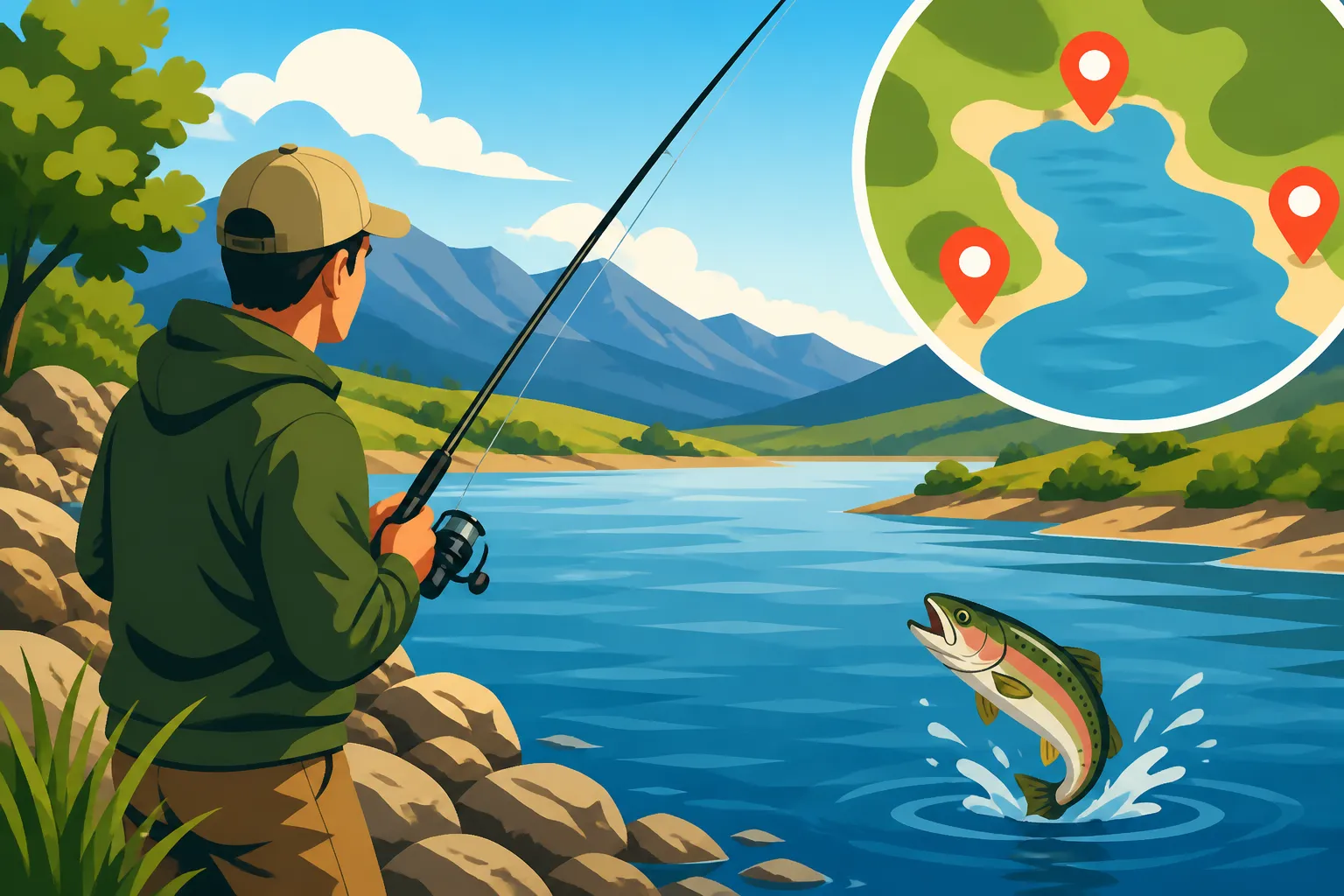
Finding that perfect spot on the bank can feel like searching for a needle in a haystack on a large reservoir. But Cherry Creek offers several well-known and productive areas that consistently deliver for shore-bound anglers. These locations provide varying depths, structure, and accessibility, catering to different fishing styles and target species. Knowing these spots will give you a significant advantage and help you focus your efforts for a more enjoyable and fruitful day on the water.
West Boat Ramp and Adjacent Areas
The area around the West Boat Ramp is a fantastic starting point for any shore angler at Cherry Creek. It’s highly accessible, offers plenty of parking, and features diverse bottom contours that attract a variety of fish. The sheer convenience makes it a popular choice, but its productivity is what keeps anglers coming back.
The boat ramp itself creates a natural channel and deeper water close to shore, making it an excellent spot for targeting species that prefer deeper holding patterns. In addition, the points and small coves adjacent to the ramp can be incredibly productive. These areas often have submerged rocks or subtle drop-offs that provide cover for fish. For example, during cooler months, trout often cruise these deeper edges, while in warmer periods, bass and walleye will utilize the structure. Casting parallel to the shore or fanning out your casts can help you cover different depths and locate active fish. Don't overlook the sandy beaches nearby, as these can be great for soaking bait for catfish, especially as evening approaches.
Hobie Hill and the Western Shoreline
Moving further south along the western shoreline from the boat ramp, you'll encounter an area commonly referred to as Hobie Hill. This stretch of bank offers a more rugged and less crowded experience than the main ramp area, providing excellent opportunities for anglers willing to do a bit more walking. The terrain here is often steeper, leading to deeper water closer to shore, which is a major advantage.
Hobie Hill is particularly renowned for its potential to produce larger game fish, including walleye and wiper. The deeper water allows these species to move closer to the bank, especially during low light conditions or when they're actively chasing baitfish. Look for points that jut out into the reservoir, as these act as natural ambush points for predators. Using longer casts with spoons, crankbaits, or larger swimbaits can be very effective here. The rugged shoreline also means more natural structure like submerged rocks and ledges, offering prime habitat for bass. It’s a great spot to try different retrieval speeds and depths until you find what the fish are keying in on.
The Inlet Arm and East Side Access Points
The inlet arm, located on the northern side of the reservoir where Cherry Creek flows in, is another excellent area for shore fishing, offering a completely different set of conditions. This area often has slightly murkier water, especially after rain, and can be shallower in some sections, but it's a magnet for baitfish and, consequently, the predatory species that feed on them. Accessing this area usually means parking near the east entrance and walking along the multi-use trails.
The nutrient-rich water flowing into the reservoir here can be incredibly attractive to species like carp and catfish, but it's also a fantastic spot for wiper and bass, particularly when they are chasing schools of shad. During spawning seasons, certain species will move into this shallower, warmer water, making them more accessible to shore anglers. Focus your efforts where the incoming water creates currents or eddies, as these spots concentrate food and provide comfortable holding areas for fish. On the east side of the reservoir, generally from the main entrance south, you'll find a mix of sandy beaches and some rip-rap sections. These areas are excellent for soaking worms or stink baits for catfish, especially in the evenings, and can also produce a fair share of panfish. The long causeway that crosses part of the reservoir offers numerous points to cast from, providing access to deeper water and good structure. This makes it an especially good spot for targeting walleye with jigs or bottom rigs.
Mastering Shore Fishing Techniques and Essential Gear
Shore fishing at Cherry Creek Reservoir isn't just about casting and hoping for the best. To truly maximize your success, you need to be strategic with your gear and techniques. Unlike boat anglers who can cover vast amounts of water and adjust their position quickly, bank anglers rely on precision, stealth, and a deep understanding of how fish use the near-shore environment. Approaching your outing with the right tools and a smart game plan can turn a frustrating day into a memorable one.
Recommended Rods, Reels, and Line for Bank Anglers
When you're confined to the shore, having versatile tackle is key. You're not just targeting one species, and you might need to make long casts or handle strong fish in challenging conditions. A good all-around setup will make your day much more enjoyable and productive.
For most situations at Cherry Creek, a medium to medium-heavy spinning rod, around 6'6" to 7'6" in length, is ideal. This length provides enough leverage for longer casts while still being manageable for various techniques. Pair this with a reliable spinning reel in the 2500-4000 series size. This combination offers a good balance of casting distance, power, and sensitivity.
When it comes to line, a braided main line of 10-20 lb test, with a fluorocarbon leader of 6-12 lb test, is a fantastic choice. The braid offers superior casting distance, sensitivity, and strength, while the fluorocarbon leader provides invisibility in clear water and good abrasion resistance against submerged rocks and other structure. This setup allows you to feel even the most subtle bites and offers the strength needed to land larger fish. For those targeting species like catfish with heavier bait setups, a heavier mono or braid might be preferred.
Effective Baits and Lures for Cherry Creek's Species
The diverse fish population at Cherry Creek means you'll want a diverse tackle box. What works for a rainbow trout might not tempt a walleye, and vice-versa. Be prepared to switch things up based on the conditions and the species you're targeting.
For trout, especially shortly after stocking, classic baits like PowerBait, corn, or worms fished on a simple Carolina rig or under a bobber are incredibly effective. Small spoons like Kastmasters or Thomas Buoyants, retrieved steadily, also work wonders. When walleye are your target, consider jigs tipped with a minnow or a soft plastic grub, bounced slowly along the bottom. Crankbaits that dive to different depths can also be deadly, especially when fish are suspended. For an in-depth look at what lures work for this particular species, check out our guide on Walleye Fishing in Colorado.
Bass and wiper respond well to a variety of artificials. Spinnerbaits, swimbaits, jerkbaits, and topwater lures can all be effective. Pay attention to retrieve speed and color, mimicking local baitfish. For catfish, stinky baits are king! Prepared stink baits, cut bait (like shad or hot dogs), or nightcrawlers fished on the bottom are proven producers. Our article on Best Bait for Catfish in Colorado Reservoirs offers some great tips. Panfish like crappie and perch will readily strike small jigs, grubs, or live minnows. Having a variety of options allows you to adapt to what the fish are biting on any given day.
| Species Targeted | Recommended Shore Spots | Primary Baits/Lures | Key Techniques |
|---|---|---|---|
| Rainbow Trout | West Boat Ramp, Inlet Arm | PowerBait, Worms, Small Spoons | Bottom rig, Bobber, Steady retrieve |
| Walleye | Hobie Hill, Causeway, Deeper Points | Jigs (tipped with minnow/plastic), Crankbaits | Slow jigging, Bottom bouncing |
| Wiper | Inlet Arm, Hobie Hill, Windy Points | Spinnerbaits, Swimbaits, Spoons | Fast retrieve, Searching casts |
| Largemouth/Smallmouth Bass | Hobie Hill (structure), Inlet Arm (vegetation) | Spinnerbaits, Soft Plastics, Jerkbaits | Pitching, Fan casting |
| Channel Catfish | Sandy Beaches, East Side | Stink Bait, Cut Bait, Nightcrawlers | Bottom rig, Patient waiting |
| Crappie/Perch | Inlet Arm, Coves with structure | Small Jigs, Grubs, Live Minnows | Light tackle, Slow retrieve |
Reading the Water and Maximizing Your Casting Range
Since you're anchored to the shore, making the most of every cast and understanding where fish are likely to be is crucial. This is where "reading the water" comes into play. It's about looking for clues that tell you where the fish might be hiding or feeding.
Look for changes in water color or current, which can indicate an incoming creek or an underwater spring. Observe any surface activity – rising fish, baitfish scattering, or birds diving can point to active feeding zones. Submerged structure, like rocky outcroppings, old timber, or weed lines, are natural fish magnets. Even if you can't see them, imagine where they might be based on the shoreline features. Often, a point extending into the lake on land will continue as a ridge underwater, and these are prime ambush spots.
Maximizing your casting range is also vital, especially on a large reservoir. Practice your casting to get as much distance as possible, but also focus on accuracy. Sometimes, the fish are holding just beyond that visible weed line or in a small pocket of deeper water. Learning to "feel" the bottom with your lure or bait can also tell you a lot about the underwater topography, even if you can't see it. This allows you to work your presentation effectively through potential fish-holding zones. Don't be afraid to experiment with different casting angles and retrieval paths until you crack the code for that particular day.
Navigating Cherry Creek State Park Rules and Regulations
While the thrill of the catch is what often draws us to the water, understanding and adhering to the rules and regulations is just as important. Cherry Creek Reservoir is located within a Colorado State Park, meaning there are layers of rules to consider beyond just the standard fishing regulations. Ignoring these can lead to fines, a revoked license, or simply a ruined day. Always double-check current regulations before you head out, as they can sometimes change.
Essential Licenses and Park Passes for Anglers
First and foremost, anyone aged 16 or older needs a valid Colorado fishing license to fish at Cherry Creek Reservoir. This is non-negotiable. Whether you're a resident or a nonresident, and whether you want an annual license or just a one-day pass, ensure you have it in hand. You can pick up a Colorado Fishing License Guide for Residents and Nonresidents to help you understand your options. You might be interested in Colorado's Annual, One-Day and Five-Day License Options if you're planning a shorter trip.
Beyond the fishing license, because Cherry Creek is a State Park, you also need a valid Colorado State Parks Pass or pay a daily entrance fee upon entry. Many anglers forget this crucial detail, assuming their fishing license covers everything. It doesn't. You can purchase these at the park entrance station or online. Understanding the distinction between your fishing license and a park pass is important, and you can learn more by reading our article on Colorado State Park Passes vs Fishing Licenses. Always keep both your fishing license and proof of park entry accessible, as park rangers and game wardens do conduct checks.
Practicing Responsible Angling and Conservation
Beyond the legal requirements, responsible angling is about respecting the resource and fellow outdoor enthusiasts. Cherry Creek Reservoir is a shared space, enjoyed by anglers, boaters, swimmers, and picnickers alike. Our actions on the bank directly impact the health of the fishery and the experience of others.
Always be mindful of Colorado Fishing Regulations Every Angler Should Know, especially regarding bag and possession limits for each species. Our article on Colorado Daily Bag Limits by Species can provide specific numbers. Don't keep more fish than you're legally allowed, and only take what you'll realistically consume. For fish you intend to release, handle them with care, minimizing their time out of water and ensuring a strong, healthy release. Consider using barbless hooks to make releases easier on the fish, though they aren't strictly required in all areas of Cherry Creek.
Cleanliness is paramount. Pack out everything you pack in, including old fishing line, bait containers, and any other trash. Leaving garbage behind not only pollutes the environment but also degrades the experience for others. Furthermore, be respectful of other anglers and park visitors. Maintain a reasonable distance from others, especially in popular spots. Good stewardship ensures that Cherry Creek Reservoir remains a fantastic shore fishing destination for generations to come.
Disclaimer
The information provided in this guide is for general informational purposes only and is based on publicly available information and typical fishing conditions. Fishing regulations, fish stocking schedules, water levels, and park rules can change frequently. Always consult the official Colorado Parks and Wildlife (CPW) website and the Cherry Creek State Park management for the most current and accurate information before planning your fishing trip. Adherence to all local, state, and federal laws and regulations is the responsibility of the angler.