Where the Taylor River Turns From Easy to Technical
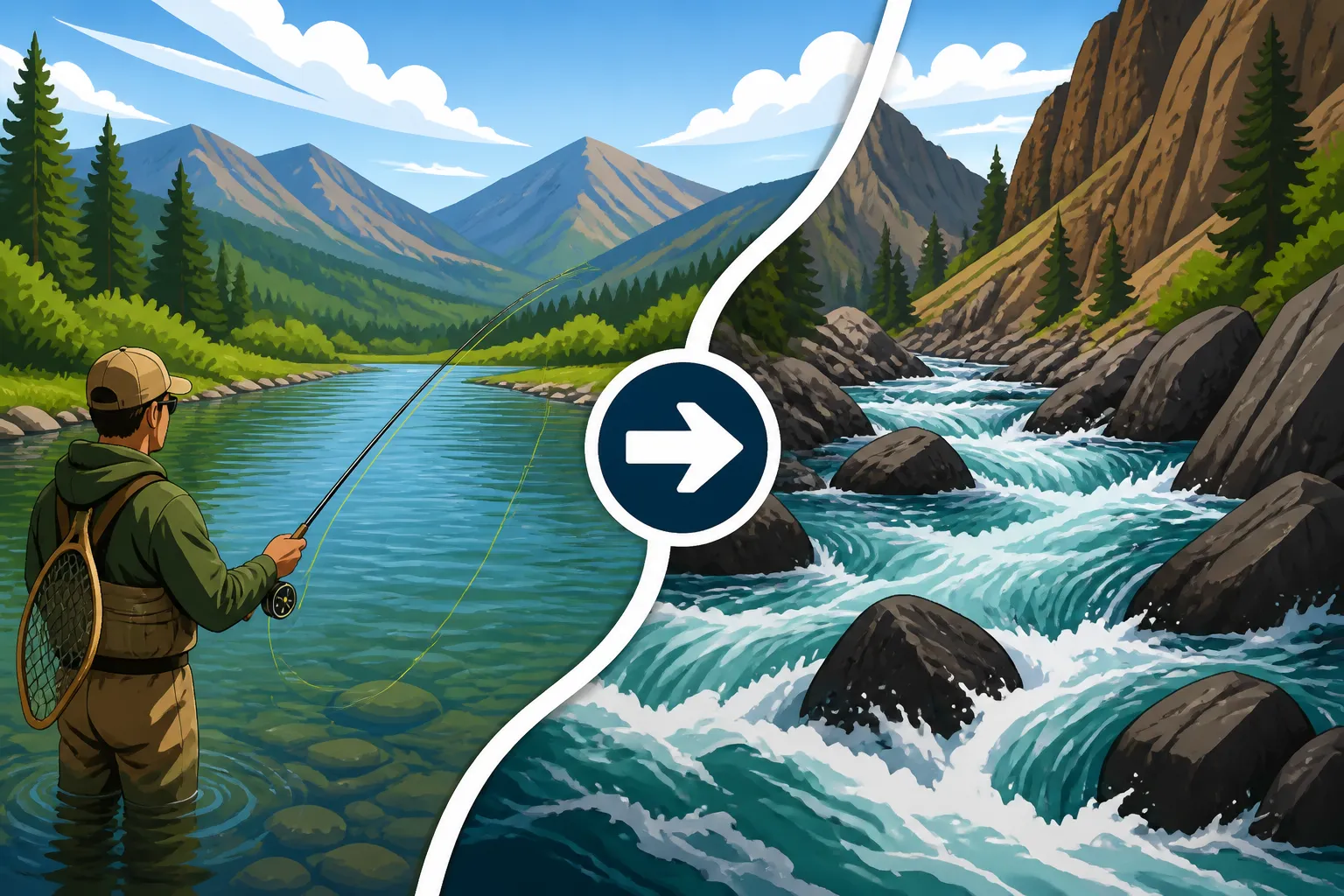
Anglers often arrive at the Taylor River in Colorado with high hopes, having heard tales of its legendary trout, only to discover a perplexing duality. Some stretches are touted as easy, perfect for a casual outing, while others are whispered about in hushed tones as the domain of expert fly fishers. This stark contrast can be incredibly frustrating if you don't know what to expect. This comprehensive guide will meticulously clarify precisely where the Taylor River dramatically transforms from a relatively forgiving, accessible fishery into one of Colorado's most demanding, technical, and ultimately, rewarding trout streams.
The Dual Nature of the Taylor River: Above vs. Below the Dam
The Taylor River is a magnificent waterway, but its personality changes entirely once it interacts with human engineering. Understanding these two primary sections is the first step in unlocking its secrets and avoiding a potentially disappointing day on the water.
The Serene Upper Taylor: Above Taylor Park Reservoir
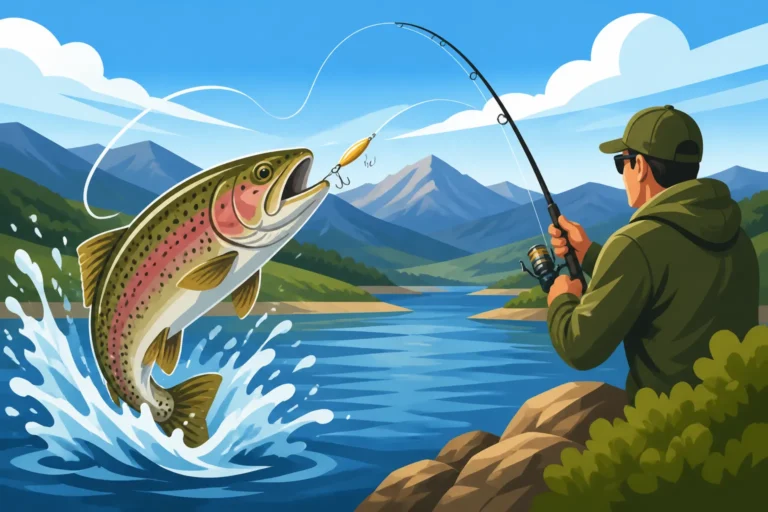
Imagine quintessential Colorado mountain fishing – that's often what you'll find on the Upper Taylor River, before its waters are impounded by Taylor Park Reservoir. This section is generally considered more accessible and less technical, making it a fantastic choice for families, beginners, or anyone looking for a more relaxed fishing experience without the intense pressure found downstream.
The river here is typically smaller, clearer, and winds through beautiful meadows and aspen groves. Access is often straightforward, with numerous pull-offs and public lands adjacent to the river. You'll encounter a healthy population of smaller trout, including eager brook trout, native cutthroat, and some stocked rainbows. These fish are generally less selective than their downstream cousins, making them more forgiving targets for various fishing methods. You can often have success with traditional spin fishing gear, a simple fly rod with basic dry-dropper rigs, or even bait, where permitted. It's a place where you can unwind, enjoy the scenery, and reliably catch fish, even if they aren't the trophy-sized monsters the Taylor is famous for. Just remember to check the specific regulations for this section, as they can differ from those further downstream. For a general overview of the rules, take a look at our Colorado Fishing License Guide for Residents and Nonresidents and Colorado Fishing Regulations Every Angler Should Know.
Taylor Park Reservoir: A Buffer Zone of Different Challenges
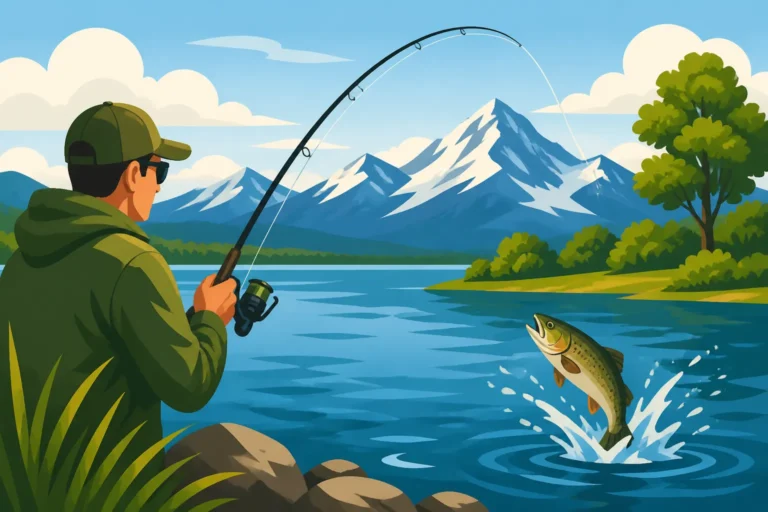
Before the river plunges into its technical tailwater section, it fills the vast basin of Taylor Park Reservoir. This enormous body of water serves as a vital storage facility and significantly alters the downstream river environment by releasing consistent, cold water from its depths. However, the reservoir itself presents an entirely different fishing dynamic from the river sections.
Taylor Park Reservoir is a popular destination for boaters and those targeting larger, cold-water species like lake trout (mackinaw), kokanee salmon, and even some northern pike. It's a completely different game here, requiring boats, downriggers for kokanee, or specialized jigging techniques for lake trout. While the reservoir offers incredible fishing opportunities, it's not the "river fishing" experience most anglers envision when they think of the Taylor. It's a crucial part of the ecosystem, influencing what happens below, but it's a distinct entity. So, if you're looking for moving water, don't confuse the reservoir with the legendary river sections.
The Dramatic Shift: Entering the Technical Tailwater Below Taylor Park Dam
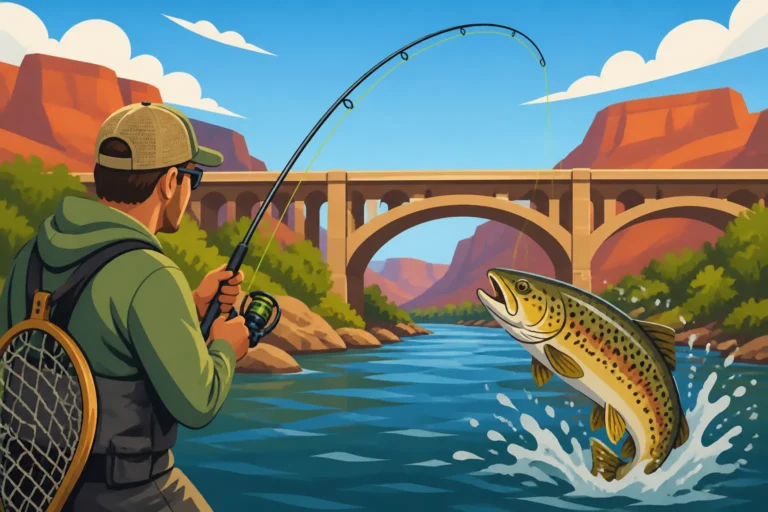
This is where the Taylor River earns its reputation and where the "easy" ends abruptly. As you move downstream from the Taylor Park Dam, the river undergoes a profound transformation, becoming an intensely challenging, yet incredibly rewarding, fishery. This tailwater section is world-renowned for its monster trout and the highly technical skills required to catch them.
The Immediate Aftermath: The "Toilet Bowl" and Beyond
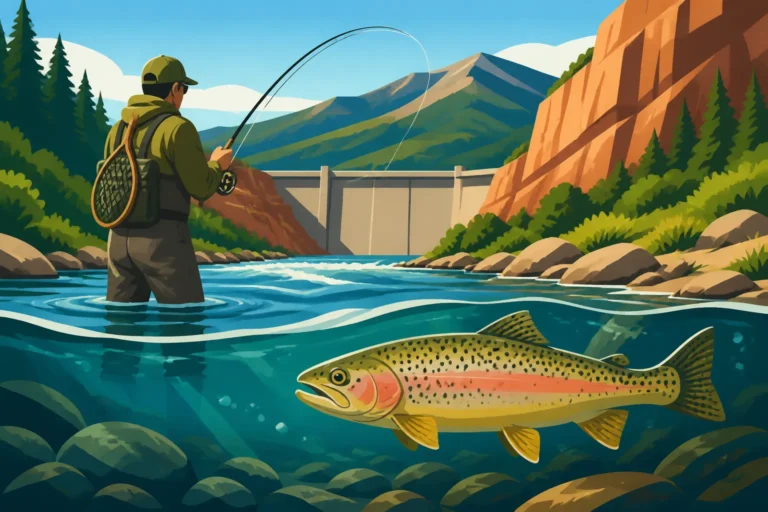
The true transition to hyper-technical fishing occurs immediately below the Taylor Park Dam. The cold, consistent water released from the bottom of the reservoir creates an ideal, stable environment for trout, fostering incredible insect populations year-round. This leads to what's famously (or infamously) known as the "Toilet Bowl" – a relatively short stretch directly below the dam that holds an almost unbelievable density of enormous, often record-breaking, trout.
Why is it so technical here? For several critical reasons:
- Gin-Clear Water: The water is often crystal clear, leaving fish with no cover. They can easily spot you, and more importantly, they can scrutinize your fly and presentation without obstruction.
- Abundant Food Source: With an endless supply of tiny midges, blue-wing olives, and other aquatic invertebrates, these fish become incredibly selective. They see thousands of real insects every day, making them highly discerning about what they decide to eat. Your artificial fly needs to be a perfect imitation, both in size and drift.
- Immense Angler Pressure: Because of the promise of truly massive fish, this section sees a lot of fishing pressure. Every fish here has seen countless flies and been hooked (and hopefully released) multiple times. They are "educated" in the extreme, making them incredibly wary and difficult to fool.
- Strict Regulations: To protect this unique resource, the immediate tailwater is typically designated as Gold Medal Water and often has special restrictions. This almost universally means artificial flies and lures only, barbless hooks, and strict catch-and-release rules. This is where you absolutely need to know your Colorado Gold Medal Water Regulations Explained and understand Barbless Hook Rules on Colorado Rivers. Ignoring these rules isn't just unethical; it can lead to hefty fines.
Anglers venturing into this section with the same mindset or gear used upstream will likely leave frustrated. It demands a complete shift in strategy, technique, and patience.
The "Gold Medal" Standard: What Defines the Challenge
The "Gold Medal Water" designation on the Taylor River isn't just a fancy title; it's a testament to the river's exceptional capacity to produce large numbers of trophy-sized trout. For a section of river to earn this title, it must consistently support at least 60 pounds of trout per acre and at least 12 quality trout (14 inches or longer) per acre. The Taylor River's tailwater regularly exceeds these benchmarks, offering some of the best trophy trout fishing in North America.
The challenges in this section are inextricably linked to the feeding behavior of these magnificent fish. They spend their days gorging on microscopic midges, tiny blue-wing olives, and various nymphal forms. To succeed, you need to "match the hatch" with precision, often using flies as small as size 20 or even 24. A slight deviation in fly size, color, or the angle of your drift can be enough to spook a wary fish. This is why understanding Best Flies for Colorado's Gold Medal Trout Water is critical. The consistent cold water allows for a year-round fishery, but it also means the fish are almost always focused on these tiny food sources. It's a true test of an angler's skill and patience.
Mastering the Finer Points of the Technical Taylor
Successfully fishing the technical stretch of the Taylor River requires a complete paradigm shift from conventional approaches. It’s not just about getting a fly in the water; it’s about a meticulous, thoughtful, and often painstaking process of presentation and finesse.
Gear Up for Precision: Rods, Reels, and Rigging
Forget your heavy bass rods or clunky spin casting setups for this section. The Taylor River's technical waters demand specialized gear designed for subtlety and precision.
For fly anglers, a light-action rod, typically a 3-weight or 4-weight, in a length of 9 to 10 feet, is ideal. The longer length helps with line management and achieving drag-free drifts in complex currents. Paired with a matching reel and a weight-forward fly line, this setup allows for delicate presentations of small flies. The real game-changer, however, is your leader and tippet. You'll need long leaders (9-12 feet) tapering down to incredibly fine tippet materials, often 6X or even 7X fluorocarbon, which is nearly invisible in the clear water and allows for maximum natural movement of your tiny flies. Remember, Colorado Bait Restrictions and Where They Apply clearly prohibit bait in these Gold Medal stretches, and Colorado's 14-Inch Trout Length Rule also applies, though it's all catch and release anyway.
For rigging, nymphing is often the most productive technique. This might involve a traditional indicator rig with a small strike indicator, carefully weighted nymphs, and multiple split shots to get your flies down to the fish. Alternatively, many experienced anglers employ Euro nymphing techniques, using specialized long, sensitive rods and tight-line methods to detect the subtlest takes without an indicator. This is where learning Nymphing Techniques for Colorado Tailwaters becomes invaluable. Every component of your rig, from the tiny swivels to the size of your split shot, needs to be considered to avoid spooking these highly educated fish.
The Art of Presentation: Stealth and Drift
Even with the perfect gear, a sloppy presentation will yield no results on the technical Taylor. Stealth is paramount. These fish are acutely aware of their surroundings, and a heavy footfall on the bank, a sudden movement, or a flash of light reflecting off your gear can send them darting for cover. Approach the river slowly, keeping a low profile, and always try to cast upstream and drift your flies downstream into holding lies.
The concept of a "drag-free drift" is not just a suggestion here; it's a necessity. Any unnatural drag on your fly line, causing your fly to move faster or slower than the natural current, will immediately be rejected by a wary trout. This often means complex mends with your fly line to compensate for varying current speeds between you and your fly. It takes practice, keen observation, and an understanding of the river's hydraulics. Beyond the drift, understanding what the fish are feeding on at any given moment – or "matching the hatch" – is crucial. These trout can be incredibly selective, keying in on specific life stages of insects. This is where techniques discussed in Matching the Hatch on Colorado's Tailwaters truly come into play. A guide's intimate knowledge of the current hatches can be the difference between a frustrating day and a memorable one.
Leveraging Local Expertise: When a Guide Makes All the Difference
For many anglers, especially those new to the area or still developing advanced fly-fishing skills, tackling the technical Taylor River solo can be daunting. This is precisely where the value of a professional fishing guide becomes immeasurable. A local guide brings a wealth of knowledge that can fast-track your success and significantly enhance your experience.
Guides spend countless hours on these waters, meticulously observing fish behavior, current conditions, and insect activity. They know precisely where the fish are holding, what they are currently feeding on, and which micro-patterns will tempt a bite. They can teach you the nuanced casting techniques, presentation adjustments, and stealth tactics required to fool these wary trout. Many guides offer specialized trips focused specifically on the "Toilet Bowl" or other technical sections, providing all the necessary gear and flies. They also ensure you're compliant with all Colorado Fishing Regulations Every Angler Should Know.
If you're considering a guided trip, resources like FishingBooker can connect you with experienced, local guides who specialize in the Taylor River's unique challenges. They can help you find outfits offering Guided Trips on the Taylor River, whether you're looking for a half-day introduction or a full-day immersive experience. A good guide isn't just there to put you on fish; they're also an invaluable teacher, helping you refine your skills and truly understand the complexities of this world-class fishery. From understanding the subtleties of a midge hatch to perfectly executing a stack mend, their insights can be transformative, making the difference between admiration from afar and actually holding one of the Taylor's legendary trout. Choosing to hire a guide, especially for such a technical river, aligns with the advice in Hiring a Fishing Guide in Colorado, What to Expect.
Beyond the "Toilet Bowl": The Lower Taylor's Evolving Character
While the section immediately below Taylor Park Dam is famously technical, the Taylor River's character continues to evolve as it flows further downstream. The intensity of the "Toilet Bowl" does eventually mellow, but the fishing remains high quality and generally fly-fishing-centric.
The Middle Taylor: A Slight Relaxation of Intensity
As the Taylor River continues its journey downstream from the immediate dam tailwater, past the intense pressure of the "Toilet Bowl," it begins to spread out a bit more. The gradient might lessen slightly, and the river gains a bit more width and depth. While still a pristine, cold-water fishery managed for wild and trophy trout, the pressure can feel marginally less intense than the hyper-focused stretch directly below the dam.
Here, you'll still be primarily using fly-fishing techniques, focusing on nymphs, streamers, and occasional dry flies during significant hatches. The fish are still selective and require careful presentation, but perhaps not with the microscopic precision demanded by the "Toilet Bowl." Access might become a mix of public and private lands, making a fishing map or a local guide essential. You'll encounter a healthy population of robust rainbow trout and brown trout, with opportunities for large fish still very much present. Understanding the various Colorado's Trout Species, A Field Guide can help you identify your catches. This section provides a fantastic experience for anglers who appreciate challenging fly fishing but prefer a little more solitude than the busiest parts of the tailwater. Many anglers still rely on services like FishingBooker to find guides for these slightly less pressured, but equally beautiful, middle sections of the river.
The Confluence at Almont: Merging with the East River
The final significant transformation of the Taylor River occurs near the small community of Almont, Colorado. Here, the Taylor River merges with the East River, creating the mighty Gunnison River. This confluence marks a distinct change in the river's character, flow, and the fishing opportunities it presents.
When the two rivers combine, the volume of water dramatically increases, and the river becomes much wider and more powerful. The fishing dynamics shift from targeting highly selective, often sight-fished trout in a smaller, clear tailwater to managing larger flows, deeper runs, and a more diverse range of fish. While fly fishing remains king on the upper Gunnison, the techniques might lean more towards larger nymph rigs, streamers, and targeting various types of water features. Brown trout become particularly prevalent, and the potential for true behemoths grows as the river gains size. This area, and the Gunnison River itself, are legendary in their own right. If you're planning to fish this region, you'll want to explore resources like Fishing Colorado's Gunnison River and the Black Canyon for insights into this magnificent river system that the Taylor eventually feeds.
| Feature | Upper Taylor River (Above Taylor Park Reservoir) | Lower Taylor River (Below Taylor Park Dam – Technical Stretch) |
|---|---|---|
| Primary Character | Smaller, freestone stream, natural flow, forgiving | Coldwater tailwater, consistent flow, highly technical |
| Accessibility | Generally easy, numerous public access points | Mixed, some public access, but often requires precise navigation/knowledge |
| Angler Pressure | Moderate to low, especially further upstream | High, especially in the "Toilet Bowl" section |
| Fish Species | Brook, cutthroat, smaller rainbow trout | Primarily large rainbow and brown trout (trophy size) |
| Fish Behavior | Less selective, eager biters | Extremely selective, highly educated, wary |
| Recommended Gear | Spin fishing, bait (where allowed), standard fly gear (4-6wt) | Light fly gear (3-4wt, 9-10ft), long leaders, fine tippet (6X-7X) |
| Preferred Techniques | Spin casting, bait fishing, general fly casting (dry/dry-dropper) | Technical nymphing (Euro/indicator), precise dry fly matching the hatch |
| Regulations | General Colorado regulations, check local specifics (bait often allowed) | Strict Gold Medal Water rules: Artificial flies/lures only, barbless, C&R |
| Typical Fly Size | #12 – #18 | #18 – #24 (sometimes smaller) |
| Challenge Level | Beginner to Intermediate | Expert |
Disclaimer
Please be aware that fishing regulations, conditions, and access can change. Always consult the most current Colorado Parks and Wildlife (CPW) regulations brochure before planning any fishing trip to ensure you are compliant with all laws and have the necessary licenses and stamps. The information provided here is for general guidance and educational purposes only.