Guided Fishing Trips on Colorado’s Fryingpan River
The Fryingpan River in Colorado isn't just any fishing destination; it's a legend, whispered about among anglers for its incredible trout and challenging, rewarding waters. But let's be honest, standing on its banks for the first time, you might feel a little overwhelmed. This river has a reputation for being technical, and trying to decipher its currents, its intricate hatches, and where those notoriously selective trout are holding can feel like trying to solve a complex puzzle all on your own. This guide is here to walk you through everything you need to know about navigating the Fryingpan with a professional guide, ensuring you have the best possible chance at an unforgettable day on this hallowed water.
Why the Fryingpan River is a Premier Guided Fishing Destination
The Fryingpan River, affectionately known as the "Fryingpan" or just "the Pan" by locals, isn't famous without reason. This relatively short stretch of water, flowing from the base of Ruedi Reservoir near Basalt, Colorado, truly stands out as one of the state's most revered trout streams. It's a place that draws seasoned fly anglers from around the globe, yet with the right guidance, it offers an incredible experience for anyone who loves to fish. The combination of pristine water, abundant fish, and breathtaking scenery makes it an unparalleled outdoor classroom.
Gold Medal Waters and Abundant Trout
What makes the Fryingpan so exceptional, and why do guides flock here with their clients? A significant part of its allure comes from its designation as a Gold Medal Water. If you're new to Colorado fishing, this isn't just a fancy title; it's a specific classification given to certain river stretches that consistently support a high quality, wild trout fishery. To earn this status, a stream must produce at least 60 pounds of trout per acre, and at least twelve of those fish must be 14 inches or longer. The Fryingpan, especially the section below Ruedi Reservoir, not only meets these criteria but often far exceeds them. The sheer density of trout, many of which are truly massive, is astounding, making it a prime location for those seeking an encounter with a trophy fish. Learning about Colorado Gold Medal Water Regulations Explained is crucial before heading out.
The regulations on Gold Medal Waters are typically more stringent, often requiring catch-and-release practices and mandating the use of artificial flies and lures with barbless hooks. This commitment to conservation is precisely why the Fryingpan remains so vibrant and full of healthy fish. You'll primarily encounter magnificent rainbow and brown trout here, often mixed with a few brook trout and cuttbows (a rainbow-cutthroat hybrid). These fish are renowned for their strength and selectivity, making every hook-up a genuine accomplishment. The consistent cold water released from the bottom of Ruedi Reservoir creates an ideal environment year-round, ensuring a stable food source and temperature that allows these trout to thrive and grow to impressive sizes. It’s a delicate ecosystem, and the guided experience often emphasizes the importance of proper fish handling and conservation, ensuring these incredible creatures continue to prosper for generations to come.
The Iconic "Toilet Bowl" and Beyond
If you've heard anything about fishing the Fryingpan, chances are the "Toilet Bowl" has come up in conversation. This unique spot, located directly below the dam, is legendary. It's an almost unnaturally deep and slow pool, where the outflow from the reservoir churns, creating a consistent current that effectively "funnels" nutrient-rich water and dislodged food sources right into the waiting mouths of hundreds, if not thousands, of trout. It's a sight to behold, with massive fish often visible cruising the depths, seemingly oblivious to anglers on the bank. This concentration of fish makes it a fantastic, albeit often crowded, spot, and a guide can help you understand the nuances of fishing such an unusual and pressured location, from fly selection to presentation.
But the Fryingpan is so much more than just the Toilet Bowl. As you move downstream, the river gradually changes character. The initial tailwater section, directly below the dam, is slower and more consistent, with deep runs and clear visibility that demands precise, technical presentations. Further down, the river transforms into a classic freestone stream, with faster riffles, deeper pools, and more varied structure. This diverse hydrology offers a wide range of fishing experiences. You might spend the morning meticulously nymphing deep pockets with tiny midges, and by the afternoon, be casting dry flies to rising trout in a shaded riffle, especially during prolific summer hatches. A good guide knows every bend, every rock, and every subtle current change along these miles of river. They can help you navigate the various sections, understanding where the fish will be holding based on current flows and insect activity. This adaptability is key to consistent success on the Fryingpan, and it's where the value of a local expert truly shines.
What to Expect on a Guided Fryingpan River Trip
Embarking on a guided fishing trip on the Fryingpan River is an investment in both your fishing success and your overall enjoyment. It takes the guesswork out of an often challenging fishery, allowing you to immerse yourself in the experience rather than wrestling with logistics or frustration. From the moment you meet your guide to the final cast of the day, you'll find that their expertise and dedication make a profound difference, transforming a potentially confusing day into one filled with learning, laughter, and perhaps, the fish of a lifetime.
The Expertise a Local Guide Brings
Think of your Fryingpan guide as your personal river interpreter. This isn't just someone who knows how to tie a fly; it's someone who has spent countless hours observing the river, understanding its moods, and deciphering its intricate language. They possess an almost encyclopedic knowledge of the local aquatic insect life – the midges, mayflies, caddis, and stoneflies that form the trout's diet. This means they'll have you rigged with the right flies, often tiny patterns that are notoriously difficult to see and tie on yourself, and they'll know exactly where and how to present them. This is crucial on a selective river like the Fryingpan, where fish often ignore anything that doesn't perfectly mimic their natural food.
Beyond fly selection, a guide's expertise extends to reading the water, understanding subsurface currents, and knowing the subtle holding lies where those elusive, large trout prefer to lurk. They'll position you in the best spots, help you refine your casting to hit those tricky pockets, and offer invaluable instruction on everything from mend placement to strike detection. For a beginner, this translates into a rapid learning curve, turning initial fumbles into confident casts. For an experienced angler, it means refining techniques, discovering new strategies, and potentially breaking through plateaus in their fishing journey. Many guides also carry extra gear, from high-quality rods and reels to waders and boots, eliminating the need for you to transport heavy equipment or worry about having the right sizes. This level of comprehensive support allows you to focus purely on the joy of fishing, knowing all the intricate details are expertly handled.
Understanding Trip Styles: Walk-Wade and What to Expect
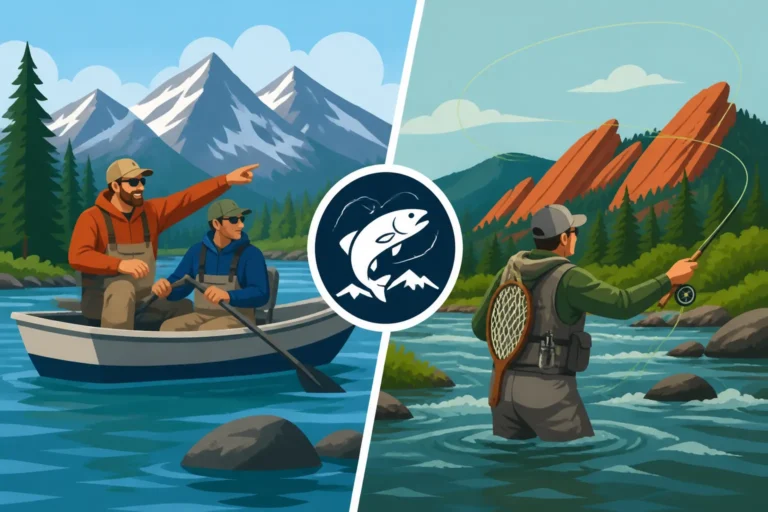
When considering a guided trip on the Fryingpan River, it's important to understand the primary style of fishing you'll be doing. Unlike some larger Colorado rivers where float trips in drift boats are common, the Fryingpan's Gold Medal section, especially the most productive upper stretches, is almost exclusively fished as a walk-wade experience. This means you and your guide will be wading directly in the river, or walking its banks, moving from spot to spot on foot. This intimate approach allows for a more detailed exploration of the river's various features. You'll have the opportunity to pick apart individual runs, fish tight seams, and access smaller, less pressured pockets that a boat simply couldn't reach.
A typical walk-wade trip involves a fair amount of walking, often over uneven terrain and through varied water depths and currents. Your guide will lead the way, pointing out prime fishing spots and helping you navigate the sometimes slippery river bottom. They'll carry a pack with extra flies, tippet, snacks, and water, ensuring you have everything you need. This style of fishing encourages a deeper connection with the river, as you become intimately familiar with its contours and currents. It's a truly immersive experience that allows for detailed instruction on wading techniques, reading micro-currents, and approaching fish without spooking them. While it requires a bit more physical effort than a float trip, the rewards are immense, offering a highly personalized and focused fishing adventure tailored to the specific characteristics of the Fryingpan.
What's Typically Included (and What to Bring)
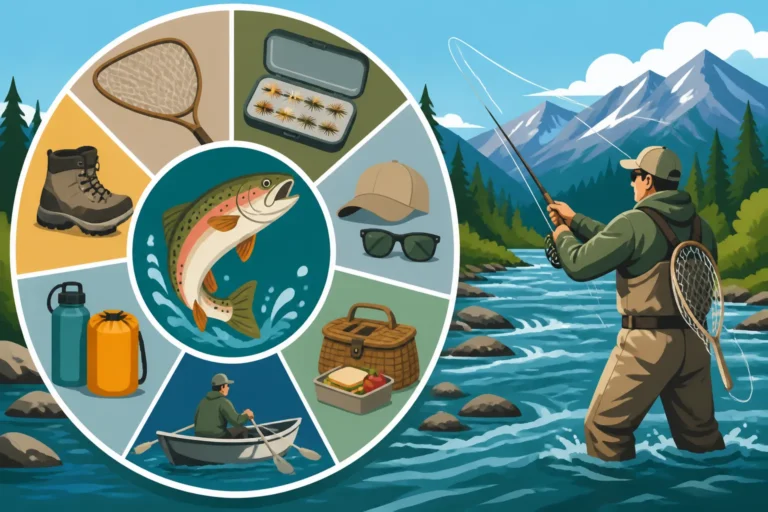
One of the great advantages of booking a guided trip on the Fryingpan is the convenience of having most of your gear and logistics taken care of. Most reputable guide services will provide high-quality fly rods and reels, appropriately weighted for the Fryingpan's selective trout, along with all the necessary leader, tippet, and a vast array of flies chosen specifically for the current conditions and hatches. Many even offer waders and wading boots in various sizes, so you don't have to worry about packing your own or investing in gear if you're just starting out. Lunch, snacks, and plenty of water are almost always included, ensuring you stay fueled and hydrated throughout your day on the water. This frees you up to simply show up, learn, and enjoy the fishing without the stress of forgotten items or mismatched equipment.
However, there are a few essential items you'll always need to bring yourself. First and foremost, you absolutely must have a valid Colorado Fishing License Guide for Residents and Nonresidents and a Colorado Habitat Stamp. These are legal requirements for fishing in Colorado and are rarely included in the guide fee. Make sure to purchase these in advance. Beyond that, personal comfort items are key: polarized sunglasses are non-negotiable for eye protection and spotting fish, a wide-brimmed hat offers crucial sun protection, and layering clothing is essential in Colorado's unpredictable mountain weather. Think breathable base layers, a fleece or insulated mid-layer, and a waterproof/windproof outer shell. Sunscreen, lip balm, and any personal medications are also vital. While your guide will likely have a camera, bringing your own to capture those memorable moments is always a good idea. By taking care of these personal essentials, you ensure a comfortable and productive day on the Pan.
Choosing the Right Fryingpan River Fishing Guide
The Fryingpan River is special, and so is the guide you choose to share that experience with. A great guide isn't just about putting you on fish; it's about teaching, sharing knowledge, ensuring safety, and enhancing your connection with the natural world. With many options out there, knowing what to look for can make all the difference in ensuring your guided trip is everything you hope for and more.
Qualifications and Experience
When you're searching for a Fryingpan River guide, their qualifications and experience are paramount. First, ensure any guide or outfitter you consider is properly licensed and insured by the state of Colorado. This isn't just a formality; it speaks to their professionalism and adherence to safety standards. You wouldn't want to entrust your day on the river to someone operating outside of these vital regulations. Beyond basic licensing, look for guides with extensive, specific experience on the Fryingpan. This river is known for its technical challenges and selective trout, so a guide who intimately knows its unique currents, hatches, and the specific behaviors of its fish will be far more effective than someone who primarily guides on other, less demanding waters. An Orvis-Endorsed Outfitter, for instance, is often a strong indicator of a guide service that meets high standards of professionalism, instruction, and conservation ethics.
Another excellent way to gauge a guide's quality is through their reputation and reviews. Online platforms like FishingBooker often host angler reviews and ratings, giving you real-world insights into other clients' experiences. Pay attention to comments not just about catching fish, but about the guide's patience, teaching style, enthusiasm, and overall demeanor. A guide who can patiently instruct a beginner, share captivating stories, and adapt to changing conditions will make your day far more enjoyable, regardless of how many fish you land. Don't hesitate to ask prospective guides about their years of experience on the Fryingpan and what their approach is to guiding anglers of your particular skill level.
Matching Your Skill Level and Desired Experience
One of the most important considerations when selecting a Fryingpan River guide is finding someone whose style and expertise align with your personal skill level and the kind of experience you're hoping for. Are you a complete novice hoping to learn the fundamentals of fly casting and trout behavior? Or are you an experienced angler looking to refine specific techniques, like European nymphing or matching tricky midge hatches, and target trophy fish? Some guides specialize in teaching beginners, offering patient instruction and focusing on the basics in easier-to-fish sections. They excel at breaking down complex concepts into digestible lessons, making the learning process enjoyable and effective.
Other guides might be better suited for intermediate or advanced anglers, focusing on technical challenges, subtle presentations, and in-depth discussions about entomology. It's perfectly okay to communicate your skill level and expectations upfront. Do you want a high-energy day focused on chasing big fish, or a more relaxed pace centered on learning and enjoying the scenery? Are you comfortable with a physically demanding walk-wade trip, or do you need a guide who can accommodate mobility limitations? Being honest about your goals will help your outfitter pair you with the guide who can best deliver the experience you're seeking. For example, if you're eager to learn to tie better knots and identify insects, make that known. If you just want to catch fish and not worry about the "how," that's fine too. The right guide will tailor the day to your preferences.
The Booking Process and Key Questions to Ask
Once you've narrowed down your choices, the booking process for a Fryingpan River guide is typically straightforward, but asking the right questions can prevent misunderstandings. Many local fly shops in the Roaring Fork Valley (Basalt, Carbondale, Aspen) operate guide services, and online booking platforms like FishingBooker also connect anglers with local guides. When you contact an outfitter, confirm the availability for your desired dates and inquire about their specific pricing for a half-day or full-day trip. Remember that Colorado Fishing License Costs Explained and the separate Colorado Habitat Stamp Cost are not typically included.
Crucially, ask about their cancellation policy. Colorado mountain weather can be unpredictable, and river conditions can change rapidly. Understanding what happens if your trip needs to be rescheduled due to weather or unforeseen circumstances is vital. Also, clarify what exactly is included in the guide fee: does it cover all flies and terminal tackle? Are waders and boots provided? What about lunch and beverages? Finally, don't shy away from asking about their philosophy on fish handling and catch-and-release practices, especially on a Gold Medal water where conservation is paramount. A responsible guide will emphasize ethical angling and proper fish care to ensure the health of the fishery. These detailed conversations upfront will ensure you arrive prepared and excited for your Fryingpan adventure.
Navigating Costs and Logistics of a Guided Trip
A guided fishing trip on the Fryingpan River is an investment, but it’s an investment in a unique learning experience, increased success, and unparalleled access to one of Colorado’s finest fisheries. Understanding the cost structure and other logistical considerations beforehand will help you budget effectively and arrive prepared for your adventure.
Understanding Pricing Structures
The cost of a guided fishing trip on the Fryingpan River can vary significantly based on several factors, primarily the duration of the trip and the number of anglers. Generally, you'll find options for half-day or full-day excursions. A half-day trip usually lasts about four hours, while a full-day trip can range from eight to ten hours, often including a streamside lunch. Naturally, full-day trips are more expensive than half-day trips, but they offer more time on the water, allowing for deeper instruction and a greater chance to explore different sections of the river. The number of anglers also affects the price; a private, one-on-one trip with a guide will typically cost more per person than a trip shared by two anglers. Some outfitters might offer small group rates for three or more, though the intimate nature of the Fryingpan often lends itself better to one or two anglers per guide for optimal instruction and personal attention.
Beyond the basic trip duration and group size, the reputation and experience of a particular guide or outfitter can also influence pricing. Highly sought-after guides with decades of experience on the Fryingpan might command a slightly higher rate. The time of year can also play a minor role; peak season, usually summer and early fall when hatches are prolific, might see higher demand and less flexibility in pricing. Remember, while the sticker price might seem significant, it encompasses the guide's extensive knowledge, their provision of gear, flies, food, and their invaluable instruction. It’s important to factor in that your Colorado Fishing License Costs Explained will be separate from the guide fee, as will your Colorado's Habitat Stamp, Explained. These are personal expenses required by the state, not services provided by the guide.
Tipping Etiquette for Your Fryingpan Guide
Tipping your fishing guide is standard practice and an important part of the overall cost consideration for your trip. Guides work incredibly hard – not just on the water during your trip, but in preparation before and cleanup after. They spend countless hours scouting, tying flies, maintaining gear, and continually honing their skills to ensure you have the best possible experience. Their income often relies heavily on gratuities, making it a vital aspect of their livelihood.
While there's no strict rule, a typical gratuity for a guided fishing trip ranges from 15% to 25% of the trip's total cost. If you had an exceptional day, learned a lot, felt safe, and genuinely enjoyed your guide's company and expertise, leaning towards the higher end of that spectrum is a wonderful way to show your appreciation. Conversely, if your experience was merely satisfactory, a tip on the lower end is still appropriate. You can offer the tip directly to your guide at the end of the day, usually in cash, or sometimes through the fly shop or outfitter if you prefer. It's a small but meaningful gesture that acknowledges their hard work and dedication to making your Fryingpan adventure a success. Don't forget to account for this in your overall budget, as it's an expected part of the guided fishing experience.
Best Time of Year to Fish the Fryingpan with a Guide
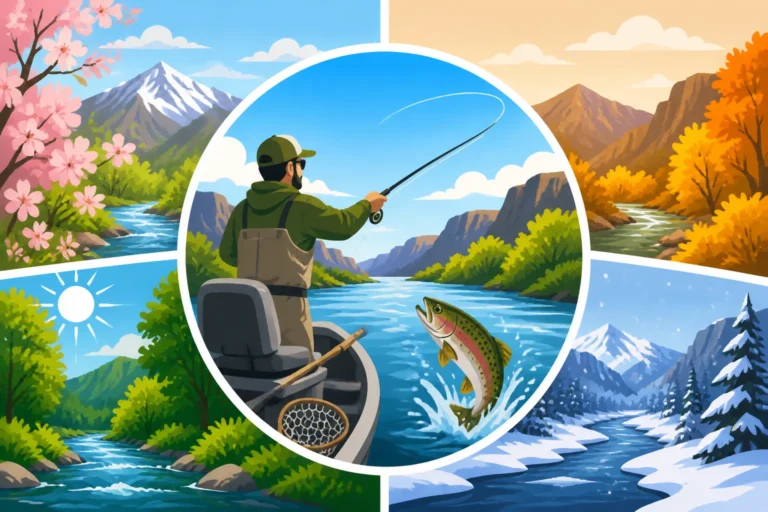
The Fryingpan River is renowned as a year-round fishery, thanks to the consistent cold water released from Ruedi Reservoir. However, the "best" time to visit with a guide largely depends on what kind of fishing experience you're after. Each season offers unique advantages and challenges, and a good guide can help you navigate them all.
Spring (March-May) can be fantastic, particularly before the true When Colorado's Spring Runoff Hits and How to Fish Around It from the surrounding mountains fills other rivers with muddy, high water. The Fryingpan, as a tailwater, often remains clear and fishable, with burgeoning midge and BWO (Blue-Winged Olive) hatches providing excellent nymphing and occasional dry fly opportunities. Early spring can be chilly, but the fish are often aggressive as they shake off winter lethargy. Summer (June-August) is prime dry fly season, with consistent hatches of caddis, PMDs (Pale Morning Duns), and terrestrials like grasshoppers. This is a popular time, so booking a guide well in advance is essential. The weather is generally warm and pleasant, making for comfortable days on the water.
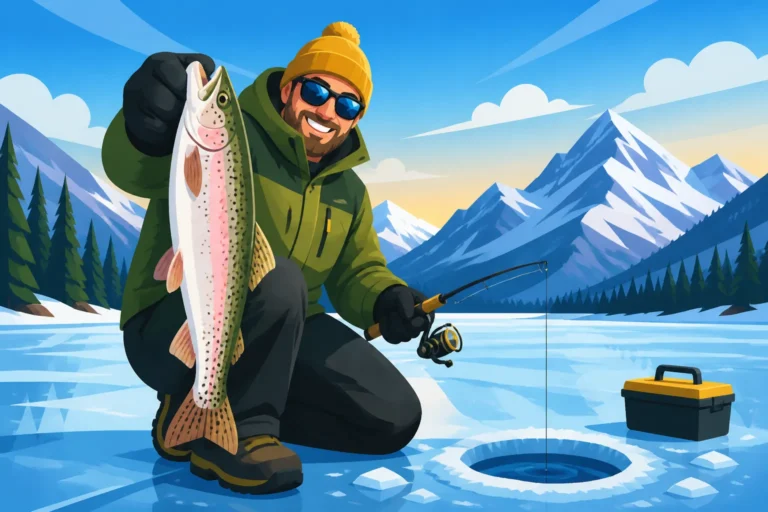
Fall (September-November) offers truly spectacular fishing as the air cools and brown trout begin their spawning rituals. While respecting spawning fish and their redds (nests) is paramount, the larger browns become more aggressive, often chasing streamers and larger nymphs. The scenery, with aspens turning brilliant gold, is an added bonus. Learning about Fall Fishing in Colorado, What Changes can help you understand the dynamics of this season. Even winter (December-February) on the Fryingpan can be highly productive, especially for technical nymphing with tiny midge patterns. The river is often less crowded, offering a peaceful, solitary experience. A guide during these colder months can be invaluable in helping you detect subtle strikes and navigate icy conditions. Ultimately, the Fryingpan fishes well any time of year, but your guide can help you choose the season that best matches your fishing goals.
Maximizing Your Fryingpan Guided Fishing Experience
Hiring a guide for the Fryingpan River is already a significant step towards a successful and enjoyable day. However, there are a few things you can do, both before and during your trip, to truly maximize the experience. This isn't just about catching more fish, though that's often a happy byproduct; it's about learning, connecting with the river, and creating lasting memories.
Preparing for Your Day on the Water
Preparation is key to a smooth and enjoyable guided trip on the Fryingpan. While your guide handles most of the fishing logistics, taking care of your personal readiness allows you to fully engage with the day. Firstly, if you've opted for a walk-wade trip, consider your physical fitness. While not extreme, being comfortable walking several miles over uneven terrain and wading in currents will enhance your experience. A little stretching before you go can also help prevent stiffness. Ensure you get a good night's sleep before your trip, as an alert mind is better equipped to absorb instructions and react to strikes.
Crucially, check the weather forecast for the Basalt area but be prepared for anything. Mountain weather can change quickly. Layering your clothing is always the best strategy: start with a moisture-wicking base layer, add insulating layers, and have a waterproof and windproof outer shell readily accessible. Hydration is also incredibly important, even on cooler days. While your guide will likely provide water, bringing your own refillable bottle is a good habit. Finally, mentally prepare to be open-minded. The Fryingpan is technical water, and success often comes from trying new techniques or flies that your guide suggests, even if they're different from what you're used to. Your guide is the expert on this river, so trust their judgment.
Communicating with Your Guide
Effective communication with your Fryingpan guide is paramount to a successful and enjoyable day. Don't be shy about speaking up! From the moment you connect, clearly articulate your goals for the trip. Are you hoping to learn how to mend better, improve your casting, or simply catch a few fish? Let them know if you have a specific species in mind, or if you're keen to try a particular technique like streamer fishing. This helps your guide tailor the day to your preferences and ensures they can set realistic expectations.
During the trip, continue to communicate openly. If you're struggling with a particular cast, or having trouble seeing your indicator, tell your guide. They are there to help and instruct, and they can't address issues they don't know about. Likewise, if you need a break, want to move to a different spot, or simply have a question about the river's ecology, don't hesitate to ask. The more you engage, the more you'll learn and the more personalized your experience will become. A good guide thrives on interaction and will appreciate your active participation, transforming the day from a passive experience into a collaborative adventure.
Practicing Responsible Angling
On a river as pristine and delicate as the Fryingpan, practicing responsible angling isn't just a suggestion; it's a fundamental obligation. This is especially true given its Gold Medal Water designation, which often implies strict Colorado Fishing Regulations Every Angler Should Know. Most guided trips on the Fryingpan will emphasize catch-and-release, which is critical for maintaining its robust wild trout populations. Your guide will demonstrate proper fish handling techniques: wetting your hands before touching fish, keeping them in the water as much as possible, minimizing handling time, and using appropriate tools for quick and efficient hook removal. They will ensure you understand Catch-and-Release Rules on Colorado's Cutthroat Waters and why they are so important.
Another key aspect of responsible angling on the Fryingpan is adhering to specific gear requirements, such as Barbless Hook Rules on Colorado Rivers. Using barbless hooks dramatically reduces harm to fish, making releases quicker and survival rates higher. Beyond the fish, responsible angling also extends to respecting the environment and other anglers. This means packing out everything you pack in, staying on established paths when possible, and being mindful of other fishermen on the river, giving them ample space. Your guide will model these behaviors, reinforcing the importance of being a good steward of the resource. By embracing these practices, you not only contribute to the Fryingpan's health but also set a positive example for others, ensuring this incredible fishery remains vibrant for future generations.
Beyond the Fishing: The Fryingpan River Area Experience
While the Fryingpan River is undeniably a world-class fishing destination, a guided trip here offers more than just the chance to land a trophy trout. It's an opportunity to immerse yourself in the breathtaking beauty of the Colorado Rockies and experience the charm of the surrounding communities. Your fishing adventure can easily be complemented by other activities, making for a truly unforgettable vacation.
Scenic Beauty and Wildlife
The Fryingpan River flows through some of the most stunning landscapes in Colorado. Tucked away in the Roaring Fork Valley, near the bustling resort town of Aspen, the river corridor is a vibrant tapestry of lush riparian zones, towering ponderosa pines, and dramatic rock formations. The water itself is incredibly clear, often a brilliant turquoise hue, reflecting the deep blue of the Colorado sky. During your guided trip, you're not just casting flies; you're also soaking in panoramic views that change with every bend of the river. In the fall, the aspens explode in a riot of gold, creating a truly spectacular backdrop to your fishing.
This pristine environment is also home to an abundance of wildlife. It’s not uncommon to spot herds of mule deer grazing along the banks in the early morning or late evening. Keep an eye out for majestic elk, especially in the more secluded areas. Birdwatchers will be delighted by the presence of ospreys and bald eagles soaring overhead, fishing the river just like you are. You might even catch a glimpse of a bighorn sheep scaling the cliffs or a red fox darting through the underbrush. Your guide, with their intimate knowledge of the area, can often point out these natural wonders, adding another layer of richness to your overall experience. It's a true feast for the senses, reminding you that fishing is as much about connecting with nature as it is about the catch.
Local Amenities and Accommodations
The Fryingpan River's location in the Roaring Fork Valley means you have access to a wealth of amenities and accommodation options, catering to a range of preferences and budgets. The charming town of Basalt, situated right at the confluence of the Fryingpan and Roaring Fork rivers, serves as a natural base for fishing trips. It offers a quaint main street with local shops, excellent restaurants, and cozy lodging options, from comfortable hotels to charming B&Bs. Further downstream, Carbondale provides a more artsy, bohemian vibe with diverse eateries, art galleries, and a laid-back atmosphere.
For those seeking a more luxurious experience or combining fishing with other high-end activities, Aspen is just a short drive away. Known globally for its world-class skiing and vibrant cultural scene, Aspen offers upscale hotels, gourmet dining, and designer boutiques. Whether you prefer the quiet charm of a small town or the bustling energy of a renowned resort, the Fryingpan River area has you covered. Your guide or outfitter can often provide recommendations for lodging and dining that suit your needs, making the planning of your post-fishing activities as easy as your day on the water.
Connecting with the Local Fishing Community
One of the often-overlooked joys of a guided fishing trip on the Fryingpan is the opportunity to connect with the passionate local fishing community. The fly shops in Basalt and the surrounding towns are not just retail outlets; they are the beating heart of the angling scene. These shops, often where you'll meet your guide or book your trip through platforms like FishingBooker, are hubs of knowledge, local gossip, and camaraderie. Stepping inside, you'll find friendly staff eager to share up-to-the-minute river conditions, recommended flies (even after your guided trip), and stories from the water. They are usually filled with seasoned anglers, both local and visiting, all sharing a common love for the sport.
Engaging with this community can enrich your experience far beyond the fishing itself. You might pick up tips from other anglers, learn about different local waters, or simply enjoy the shared passion for Colorado fishing. Many guides are deeply integrated into this community, often having grown up fishing these waters and knowing the history and nuances of the area. This connection adds a rich, authentic layer to your trip, transforming it from a solitary pursuit into a shared cultural experience. Don't be afraid to strike up a conversation; you'll find that Colorado anglers are typically a welcoming bunch, happy to talk about their favorite sport and this incredible river.
| Feature | Self-Guided Trip | Guided Trip on Fryingpan River |
|---|---|---|
| Knowledge & Expertise | Relies on personal research, maps, and often trial-and-error | Guide provides intimate knowledge of current conditions, hatches, fish lies, and specific spots |
| Gear & Tackle | Must provide all your own rods, reels, lines, flies, tippet, waders, boots | Guide typically provides all necessary high-quality gear, flies, and often waders/boots |
| Instruction | Self-taught from books, videos, or prior experience | Personalized coaching, casting lessons, technique refinement, and real-time feedback |
| Time Efficiency | Spends time scouting, figuring out access, and deciphering conditions | Maximizes fishing time, guide puts you on productive water quickly, handles logistics |
| Access | Limited to public access points, which can be crowded or hard to find | Guide knows best access points, potentially less crowded spots, and efficient river navigation |
| Safety | Entirely your responsibility, including river hazards, weather, and wildlife | Guide provides safety oversight, knows river hazards, carries first aid, and monitors conditions |
| Cost | Lower upfront cash outlay for day-to-day, but requires significant gear investment | Higher upfront cost, but includes expertise, gear, and often food, providing excellent value |
| Catch Potential | Variable, highly dependent on angler skill, preparation, and luck | Generally higher, due to guide's knowledge, experience, and ability to adapt to conditions |
| Relaxation | Can be stressful trying to find fish, navigate, and solve the river's puzzles | Relax and enjoy the scenery, fishing, and learning; all logistics handled by the guide |
Disclaimer
This article is for general informational purposes only and does not constitute professional advice. Laws, prices and regulations vary by location and change over time. Consult a qualified professional for guidance on your specific situation.