Why Brown Trout Spawn in the Fall Instead of Spring
If you’ve ever spent a beautiful autumn day on a Colorado river, watching the leaves turn golden and feeling that crisp air, you might have noticed something special happening in the water. While many folks associate fish spawning with the blossoming life of spring, brown trout have a different idea entirely. It can be a bit confusing trying to keep track of who’s doing what and when, especially when you’re just trying to enjoy a peaceful day on the water, but this guide is here to clear up that mystery, explaining why brown trout choose the crisp autumn air for their most important annual event.
The Autumnal Call: Why Brown Trout Spawn in Fall
It's a common misconception that all trout species spawn in the spring. For many anglers, the sight of rainbow trout making their way upstream in March and April is a definitive sign of the spawning season. However, brown trout operate on a different biological calendar, one that is deeply ingrained in their evolutionary history and triggered by specific environmental cues that only come around with the cooler temperatures and shorter days of fall. Understanding this difference isn't just a fun fact; it fundamentally changes how we approach fishing for them during this crucial time.
Brown trout, scientifically known as Salmo trutta, are not native to North America. They were introduced from Europe, where their natural spawning cycle developed in environments characterized by specific seasonal changes. Over millennia, their genetic programming adapted to optimize the survival of their offspring. This means that the eggs laid in the fall have the entire winter to develop slowly under the protection of gravel, hatching in early spring when food sources (like insect larvae) are beginning to emerge, but before the massive energy demands of summer growth. It's a prime example of nature's elegant timing.
The primary triggers for brown trout spawning are photoperiod (the length of daylight hours) and water temperature. As the days shorten after the summer solstice, and water temperatures begin their steady decline from peak summer warmth, a cascade of hormonal changes is set in motion within the brown trout. For most of Colorado, this period typically begins in late September and can extend well into November or even early December, depending on elevation and specific weather patterns. When the water temperatures consistently drop below about 50-55°F (around 10-13°C), and daylight hours continue to diminish, the fish receive their unmistakable signal. This is a stark contrast to rainbow trout, for instance, which are triggered by increasing photoperiod and rising water temperatures in the spring. This is one of the key distinctions you'll find when exploring the nuances of Colorado Fishing Seasons Month by Month This difference in timing means that while rainbows might be recovering from their spawning efforts in late spring, brown trout are gearing up for theirs.
The Intricate Dance of Fall Spawning
When it comes to the act of spawning itself, brown trout engage in a fascinating and vital process that is critical for the continuation of their species. This period requires specific environmental conditions and behaviors, and knowing what to look for can help anglers appreciate the complexity of their lives while also fishing responsibly. The reproductive dance of brown trout is a beautiful display of nature's precision.
Female brown trout, often accompanied by one or more males, seek out very specific locations to create their nests, known as "redds." These are typically found in shallow, oxygen-rich riffle areas with clean, loose gravel, where there's a good flow of water. The female uses her tail to fan out a depression in the gravel, dislodging smaller particles and silt, and exposing the larger, cleaner stones beneath. She's creating a perfect incubation chamber for her eggs, ensuring they receive plenty of oxygen and are protected from predators and siltation. This strenuous activity is a testament to the immense energy investment they make in reproduction. You can often spot these redds as lighter, clearer patches of gravel against the darker riverbed, especially if you're wearing good polarized sunglasses, which you can often find on Amazon.
Once the redd is prepared, the female deposits her eggs, and a male, or sometimes multiple males vying for position, fertilizes them. She then covers the eggs with gravel, again using her tail, to protect them. This process can be repeated multiple times in various redds, or even in different sections of the same redd, over several days. During this time, the fish are almost entirely focused on reproduction, and their feeding instincts are greatly reduced. They are vulnerable, exposed, and easily stressed. For us anglers, it's crucial to understand this. You might see a big brown trout that looks like an easy target, but if it's sitting on a redd, it's not looking for your fly or lure. It's dedicated to creating the next generation. Respecting this means leaving them undisturbed, which is part of the broader ethic of How to Handle Trout for a Safe Release
| Spawning Season Comparison | Brown Trout | Rainbow & Cutthroat Trout |
|---|---|---|
| Typical Season | Fall/Early Winter | Spring/Early Summer |
| Primary Trigger | Decreasing daylight, cooling water | Increasing daylight, warming water |
| Water Temp Range | Below 50-55°F (10-13°C) | Above 40-45°F (4-7°C) |
| Redd Location | Shallow, gravelly riffles | Shallow, gravelly riffles |
| Vulnerability | High during spawn | High during spawn |
| Angler Impact | Avoid redds, target holding fish | Avoid redds, target holding fish |
Impact on Fall Fishing Opportunities in Colorado
The fall spawning cycle of brown trout profoundly influences angling opportunities in Colorado. Rather than seeing this as a time to avoid the rivers, it's actually one of the most exciting and rewarding seasons for brown trout fishing, provided you approach it with respect and understanding. Many anglers specifically target this window, not by disturbing spawning fish, but by capitalizing on their biological imperatives around the event.
Before the actual spawning begins, brown trout enter a "pre-spawn" phase where they actively feed to build up energy reserves. This is often described as a "feeding frenzy" and can last for several weeks. During this period, brown trout become highly aggressive and are more willing to chase larger prey items, making them an excellent target for anglers. They're bulking up for the strenuous activity ahead, and that means they're less picky about what they eat. This is why fall is often hailed as one of the best times to target trophy-sized brown trout in Colorado. You can find these fish holding in deeper pools, along undercut banks, or near structure where they can ambush smaller fish and large insects. For strategies during this time, consider Fall Fishing in Colorado, What Changes
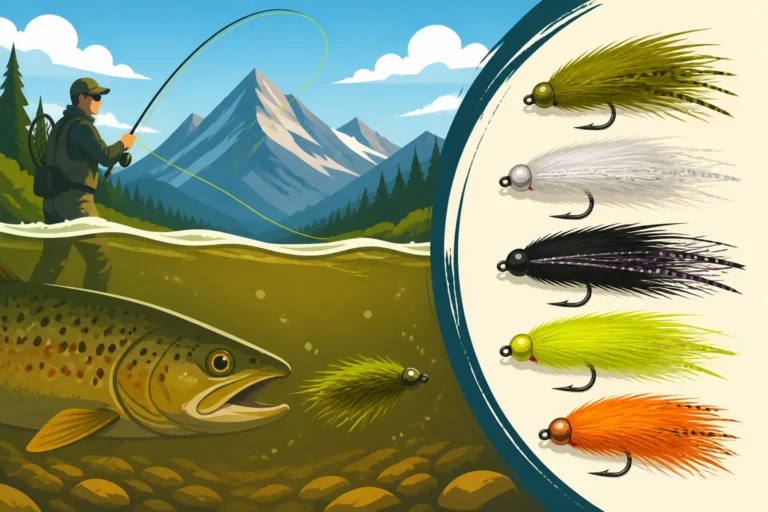
As brown trout transition into and out of their spawning behaviors, anglers need to adjust their tactics. While avoiding active redds is paramount, you can often find large, actively feeding brown trout in areas just downstream or upstream from known spawning grounds. These fish might be recovering from their spawning efforts, intercepting loose eggs or nymphs dislodged by spawning activity, or simply holding in deeper, slower water nearby. Streamer fishing can be incredibly effective during the fall, imitating baitfish or larger nymphs that browns are trying to pack on calories with. Colors like olive, black, and white can be particularly effective, especially when considering Best Streamer Colors for Murky Colorado Water Egg patterns, in various shades of orange and pink, can also be highly productive, as browns will readily consume stray eggs that drift off redds. Nymphing techniques for Colorado tailwaters can also be very successful during this time, targeting those fish that are not actively spawning but are opportunistic feeders.
Recognizing prime holding water during the fall becomes an art. Look for deeper runs, current seams, and areas with good overhead cover or underwater structure like submerged logs or large rocks. These spots offer both protection and ambush points for hungry browns. Timing can also play a significant role; the Best Time of Day for Streamer Fishing in Fall is often during the low-light hours of early morning or late afternoon, when larger browns are more confident moving out of cover to feed.
Protecting Colorado's Brown Trout Populations
Responsible angling is always important, but it becomes absolutely critical during the brown trout spawning season. Our actions on the water can have a direct impact on the success of their reproduction, and by extension, the health of Colorado's brown trout populations for years to come. It's about more than just following the rules; it's about being a good steward of our shared natural resources.
The most important thing an angler can do during the fall spawning season is to actively avoid disturbing redds. Learning to recognize a redd is key: look for those distinct, oval-shaped patches of clean, lighter-colored gravel in shallow, flowing water. They stand out against the darker, often algae-covered riverbed. If you see a fish holding steadily over such a patch, or actively fanning its tail, chances are it's an actively spawning fish or guarding a redd. Give them a wide berth. Wade around them, not through them. Casting to actively spawning fish or directly onto redds, even if you intend to release them, can interrupt the spawning process, damage fragile eggs, and unduly stress the fish at a critical time. This goes beyond the general Colorado Fishing Regulations Every Angler Should Know, moving into the realm of ethical angling.
Beyond avoiding redds, practicing responsible catch-and-release techniques is vital, especially if you encounter a pre-spawn or post-spawn brown trout. Minimize handling, keep the fish in the water as much as possible, and use barbless hooks to ensure a quick and clean release. Fish caught during this period are under significant physiological stress, so every effort to reduce additional stress increases their chances of survival. Always ensure your hands are wet before touching a fish, as dry hands can strip away their protective slime layer, making them more susceptible to disease.
Knowing where Brown Trout in Colorado, Where They're Wild reside can also help you be more thoughtful. These wild, self-sustaining populations are particularly vulnerable during spawning, as their reproduction is solely dependent on natural conditions. While Colorado Parks and Wildlife (CPW) manages many waters with stocked fish, the wild populations are a precious resource that deserve extra care. By being mindful of our impact during this vital time, we ensure that future generations of anglers can also enjoy the thrill of catching these magnificent fish in their natural habitat.
Disclaimer
Please remember that fishing regulations, conditions, and fish behavior can change. Always consult the official Colorado Parks and Wildlife (CPW) website or their most current fishing brochure before heading out on the water. This guide is for informational purposes only and should not replace official regulations or expert advice. Be safe, be responsible, and enjoy your time fishing in beautiful Colorado!