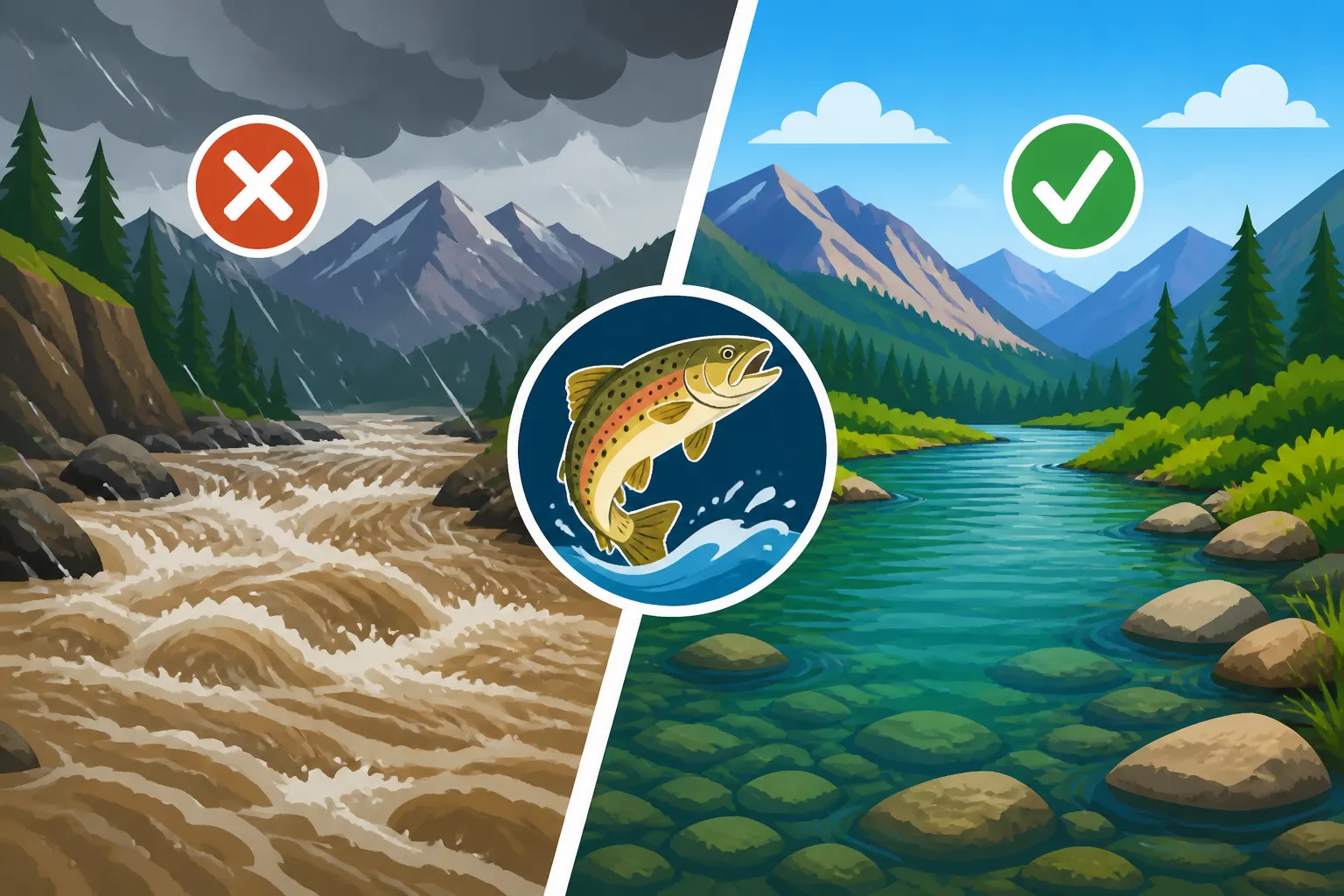
Why Tailwaters Fish Better Than Freestones During Runoff
Colorado's spring runoff is a beautiful, powerful natural event, but for many anglers, it feels more like a frustrating obstacle course. Watching your favorite freestone river turn into a raging, muddy torrent can be incredibly disheartening, leaving you wondering if fishing is even possible. This comprehensive guide will explain exactly why Colorado's tailwater fisheries consistently offer far superior fishing opportunities compared to freestone rivers during the challenging spring runoff period, giving you the knowledge to keep those lines tight and those reels singing.
Understanding Colorado's Spring Runoff Phenomenon
Before we dive into why certain waters excel during this period, it's crucial to understand what spring runoff really is and how it impacts our precious rivers. It’s more than just a bit of high water; it’s a profound transformation of the aquatic environment.
The Annual Cycle of Melt and Flow
Every year, as winter loosens its grip and warmer temperatures creep into the high country, the massive snowpack accumulated over the colder months begins to melt. This isn't a gentle thaw; it's a dramatic release of water that swells our river systems. The timing and intensity of this melt are entirely dependent on the winter's snow accumulation and the speed of spring warming. A deep snowpack followed by a sudden heatwave means an aggressive, prolonged runoff, while a milder winter and gradual warming can lead to a more manageable, albeit still significant, rise in water levels. You might want to consult our guide on Colorado Fishing Seasons Month by Month to get a better sense of when different fishing conditions typically occur throughout the year.
The runoff cycle typically kicks off in late April or early May, peaking in late May or early June, though this can vary wildly based on elevation and specific watershed characteristics. Rivers originating in lower elevations might see an earlier, shorter spike, while those fed by towering peaks can remain high and turbid well into July. This surge of cold, snowmelt-driven water significantly alters the river's character, pushing its banks, scouring its bottom, and changing the very landscape fish call home. Understanding When Colorado's Spring Runoff Hits and How to Fish Around It can help you plan your trips effectively.
Visual and Subsurface Impacts on Rivers
The most obvious impact of runoff is the sheer volume of water and its accompanying turbidity. Rivers that were crystal clear just weeks before can become opaque, thick with suspended sediment, appearing like chocolate milk. This isn't just an aesthetic problem; it severely limits visibility for fish, making it incredibly difficult for them to see food, and for anglers to identify holding lies or spot fish. The increased flow also carries an incredible amount of debris – anything from small twigs and leaves to entire trees, making casting a hazardous affair and creating snags that can steal your expensive flies and lures.
Beneath the surface, the changes are even more drastic. The immense force of the water scours the riverbed, dislodging insects, moving rocks, and reshaping habitat. Aquatic insect larvae, a primary food source for trout, are often swept away, leaving fish scrambling for nutrition. The water temperature plummets due to the influx of cold snowmelt, which can slow down the metabolism of cold-blooded trout, making them less active and less inclined to feed aggressively. This combination of low visibility, dislodged food, and cold temperatures creates an incredibly challenging environment for fish, forcing them to expend more energy to find food and stay safe.
The Unique Resilience of Tailwater Fisheries
While freestone rivers are battling the full brunt of runoff, tailwaters often remain beacons of fishable conditions. This isn't magic; it's a direct result of how these rivers are formed and managed.
Dam Control and Stable Flows
The defining characteristic of a tailwater is its existence below a dam or reservoir. Unlike freestone rivers, which are at the mercy of natural snowmelt directly entering their channels, tailwaters are fed by water released from the bottom of a large reservoir. This means the flow is largely controlled by human intervention rather than immediate weather patterns. For example, the Fryingpan River below Ruedi Reservoir near Basalt, or the Taylor River below Taylor Park Dam, maintain relatively consistent flows even when the surrounding tributary streams are raging. The Colorado Parks and Wildlife (CPW) and other water managers carefully regulate these releases, aiming to maintain fish habitat, provide downstream irrigation, or generate power.
During peak runoff, while freestone rivers surge, dam operators can often reduce releases from the reservoir, holding back the bulk of the snowmelt and creating a more stable, predictable flow for the tailwater below. This consistency is a godsend for both fish and anglers. Fish aren't constantly fighting immense currents or being flushed out of their holding lies. They can settle into predictable patterns, making them much easier to locate and target. This stable environment provides a stark contrast to the chaotic, ever-changing conditions of a freestone river during the same period, offering a calm oasis amidst the high-water frenzy. Remember that while flows are managed, they can still fluctuate, so always check the local streamflow data before heading out.
Consistent Water Temperature and Clarity
Another significant advantage of tailwaters during runoff stems from the nature of reservoir water release. Dams typically draw water from the bottom of the reservoir, where temperatures are more stable and sediment has settled out. This means the water entering the tailwater river is often significantly warmer than the frigid snowmelt pouring into freestone rivers, and, crucially, much clearer. For instance, the Blue River below Dillon Reservoir often remains clear and fishable, even as the Upper Colorado River above its confluence is muddy.
The consistent, relatively warmer water temperatures in tailwaters keep fish metabolism higher and more stable. Trout are cold-blooded, and abrupt temperature drops can send them into a sluggish state, reducing their feeding activity. In a tailwater, they remain active and willing to feed. The clear water, a luxury during runoff, means fish can easily see your presentations, and you, in turn, can often spot fish or at least identify prime holding water. This combination of stable temperature and clarity creates an ideal feeding environment, making fish more predictable and catchable. It's a huge factor in why you might find more success on a tailwater when every other river is blown out.
Reliable Food Sources
The stable flows and consistent water temperatures in tailwaters foster a more robust and predictable aquatic insect community. Unlike freestone rivers where major hatches might be entirely washed out or significantly delayed by runoff, tailwaters often see a continuous emergence of midges, blue-winged olives, and caddisflies. This consistent food supply means that trout in tailwaters don't have to work nearly as hard to find a meal. They can stay in their preferred lies, conserving energy, knowing that sustenance will drift by.
Furthermore, the reservoir itself can contribute to the food base. Small crustaceans and other organisms from the stillwater environment can be entrained in the dam's outflow, adding to the smorgasbord available to tailwater trout. This diverse and reliable food source keeps the fish in excellent condition and more actively feeding throughout the runoff period. Anglers who focus on these waters can often "match the hatch" more effectively or at least rely on consistent attractor patterns, as the trout's diet isn't subject to the wild fluctuations seen in freestones. This abundance and predictability of food is a major reason why fish seem to thrive in these regulated river sections, even when conditions elsewhere are at their most challenging.
The Challenges of Fishing Freestone Rivers During Runoff
While tailwaters offer a relative haven, freestone rivers present a formidable challenge during runoff, often pushing them beyond what most anglers would consider fishable.
Turbid Water and Debris Overload
As the snowmelt floods freestone rivers, the sheer volume and velocity of the water churn up massive amounts of sediment from the riverbed and banks. This results in incredibly turbid water, often resembling coffee or chocolate milk. When the water is this murky, visibility is almost zero. Fish cannot see their food, and anglers cannot see fish or structure. This makes fly fishing, which often relies on visual cues or precise drifts, incredibly difficult, if not impossible. Even spin fishing becomes a game of blind luck, as fish are less likely to spot a lure zipping through the murk.
Beyond the visibility issues, the high flows carry an alarming amount of debris. Whole trees, branches, leaves, and other detritus are swept downstream, creating constant snags. Imagine trying to cast a perfect drift only to have your line immediately fouled by a floating log. This isn't just frustrating; it's a rapid way to lose expensive flies and leaders. The debris can also create hazardous conditions for wading, as unseen objects are dragged along the bottom, making unstable footing even more dangerous. It turns a serene day on the water into a constant battle against the river itself, making it clear why many anglers opt to avoid freestones entirely during this period.
Displaced Fish and Dangerous Conditions
The violent force of runoff profoundly impacts fish behavior and safety. Trout in freestone rivers, accustomed to specific holding lies and feeding lanes, find their world turned upside down. The extreme currents can literally flush them out of their preferred positions, forcing them to expend massive amounts of energy just to maintain their spot or seek refuge in calmer, often less food-rich, water. They might retreat to the very edges of the river, into small eddies, or even into flooded vegetation, making them hard to find and access. This displacement, combined with the decreased visibility and colder temperatures, makes fish less willing to feed and much harder to entice.
For anglers, the dangers are even more immediate. Wading in high, fast, and turbid water is incredibly risky. The currents can sweep you off your feet, and the murky water hides slippery rocks and unseen drop-offs. Even a strong wader can quickly be overwhelmed. Many areas become completely unfishable from the bank as the water covers traditional access points or flows too swiftly right up to the bank. Safety should always be your number one priority, and during peak runoff, many freestone sections simply aren't safe to fish. Our guide on How to Stay Safe Wading Fast Colorado Currents offers crucial advice for those times you do venture out. Always check local conditions and streamflow reports; if it looks too dangerous, it probably is.
Tactics for Success on Tailwaters During Runoff
Since tailwaters are often your best bet during runoff, knowing how to approach them effectively can make all the difference. While the conditions are more stable than freestones, they still require specific strategies to unlock their full potential.
Reading the Water and Locating Fish
Even in a tailwater, fish will seek comfort and ease during higher flows. This means they'll gravitate towards calmer water where they don't have to fight the current constantly, but still have access to drifting food. Look for seams where faster water meets slower water, often behind larger rocks or along the edges of the main current. These are prime ambush points. Eddies and deep, slow-moving pools are also excellent places to find fish resting and feeding. Any area that offers a break from the main current, such as slower inside bends or deep troughs, should be thoroughly investigated.
When the water is still a bit off-color, fish tend to hold closer to the bottom, where they feel more secure and where heavier nymphs are more visible. Focus on getting your flies down deep and presenting them slowly. Use split shot or heavier flies to ensure your offering is tumbling along the riverbed. In tailwaters known for large trout, such as sections of the South Platte below Cheesman Canyon, fish often stack up in predictable holes and runs during higher flows, making them easier to target once you find them. Remember that even small changes in depth or current speed can create a perfect holding lie for a trout.
Effective Fly and Lure Selection
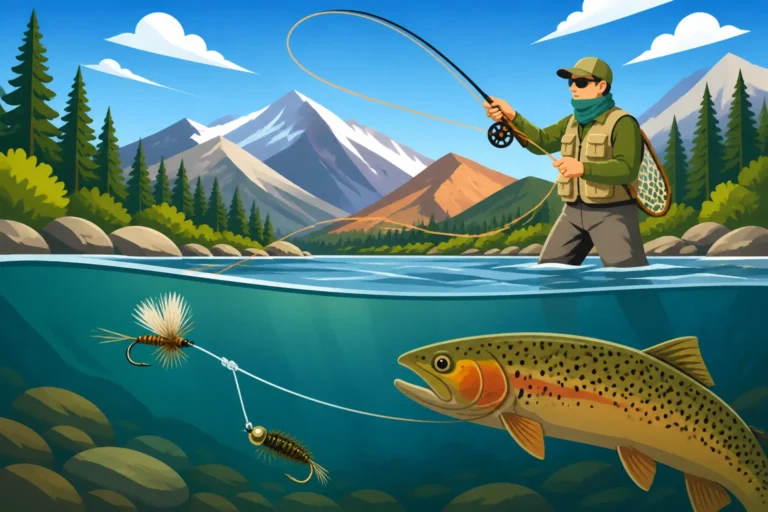
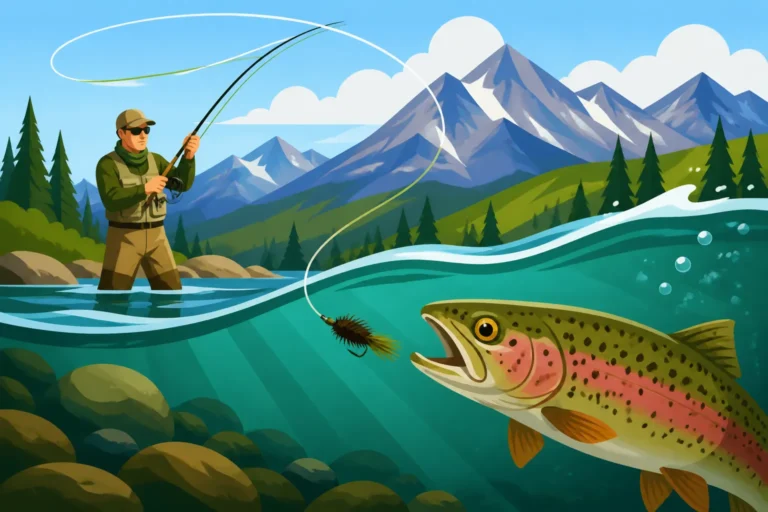
When fishing runoff conditions on a tailwater, the general rule of thumb for fly anglers is to go bigger, darker, and heavier with your nymphs. Patterns that imitate larger, dislodged aquatic insects or worms are often highly effective. Think Pat's Rubber Legs, a variety of stonefly nymphs like the Golden Stone or coffee-colored Pats, San Juan Worms, and egg patterns. These flies stand out in slightly off-color water and mimic the kind of opportunistic meals trout will grab during high flows. You can find a fantastic selection of these nymphing patterns on Amazon, often in multi-packs, which is handy because you're likely to lose a few to snags in the stronger currents. Consider reading our detailed guide on Nymphing Techniques for Colorado Tailwaters for more specific rigging advice.
For those who prefer spin fishing, heavier spinners or jigs are often the ticket. Lures like a #3 or #4 Mepps Aglia or Panther Martin, in darker colors like black, brown, or even chartreuse, can provide the flash and vibration needed to attract attention in turbid water. Jig heads tipped with grubs or soft plastic worms, fished slowly along the bottom, can also be deadly. You'll want something with enough weight to get down quickly in the faster currents without being immediately swept away. Always ensure your gear can handle potential snags and the stronger pull of the water. Our guide on What to Fish During Colorado's Spring Runoff provides even more species-specific advice.
Safety First: Essential Gear and Practices
Even on tailwaters, runoff conditions demand heightened attention to safety. The water can still be powerful and cold. Always wear appropriate waders and wading boots, preferably with studded soles for better grip on slippery rocks. A wading staff is not just a suggestion; it's a critical safety tool that provides an extra point of contact and helps you probe unknown depths and slippery surfaces. Never wade into water that is higher than your knees, especially if the current is strong. If you feel uncomfortable, it's always best to err on the side of caution and find safer, shallower water or stick to bank fishing.
Layering your clothing is also essential. Even on warm days, the water itself can be frigid, and a fall can quickly lead to hypothermia. Waterproof outerwear, warm base layers, and a good hat and gloves can make a huge difference. Always let someone know where you are going and when you expect to return. Consider carrying a small, waterproof first-aid kit, a whistle, and even a personal locator beacon if you're venturing into more remote areas. Many of these safety items and reliable wading gear can be easily purchased from retailers like Amazon. Also, make sure you're up to date on all Colorado Fishing Regulations Every Angler Should Know before you hit the water. It’s always better to be over-prepared than under-prepared when dealing with the unpredictable nature of river fishing during runoff.
Comparing Freestone and Tailwater Fishing During Runoff
To put it simply, here’s a quick overview of why tailwaters consistently outshine freestones during Colorado’s spring runoff.
| Feature | Freestone Rivers During Runoff | Tailwater Rivers During Runoff |
|---|---|---|
| Water Flow | High, unpredictable, often surging torrents | Regulated, more stable, often lower than peak runoff on freestones |
| Water Clarity | Extremely turbid (muddy, chocolate milk-like) | Often clear or slightly off-color, good visibility |
| Water Temperature | Very cold due to snowmelt, fluctuates widely | More stable, usually warmer than freestones due to reservoir release |
| Debris | High volume of floating logs, branches, sediment | Minimal floating debris, cleaner drifts |
| Fish Location | Displaced, hiding in small pockets, difficult to locate | More predictable holding lies, often in deep runs and seams |
| Food Availability | Scoured insect life, inconsistent food supply | Consistent aquatic insect hatches, reliable food source |
| Wading Safety | Extremely hazardous due to strong currents, slippery rocks | Generally safer wading, but caution still required due to flows and cold |
| Angler Success | Low, challenging, often frustrating | Moderate to high, more consistent action |
| Recommended Gear | Heavy conventional tackle, large flashy lures (if fishable) | Heavier nymph rigs, larger streamers, split shot, wading staff |
Disclaimer
Always check the latest regulations from Colorado Parks and Wildlife (CPW) before heading out, as conditions and rules can change. Be aware of your surroundings and prioritize safety, especially when dealing with high water conditions.