Dry-Dropper Rigs for Colorado Freestones
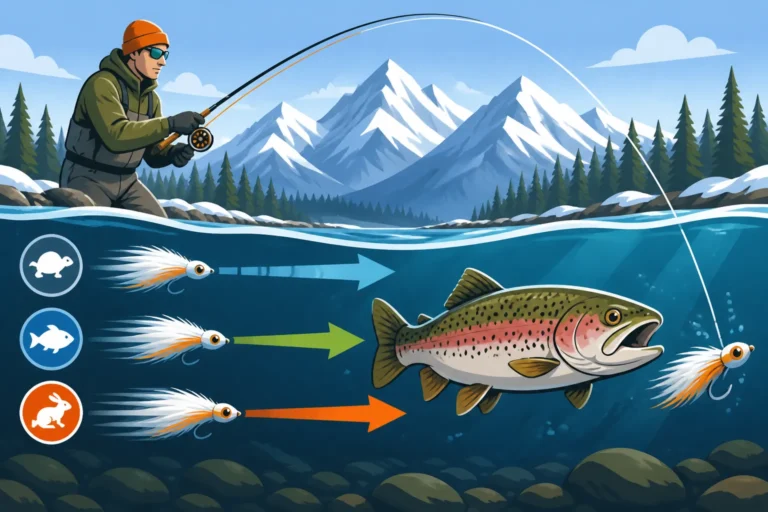
There's nothing quite like the beauty of a Colorado freestone river, but let's be honest, fishing them can be incredibly frustrating. One minute, fish are rising eagerly to a hatch, and the next, they've gone deep, completely ignoring your surface presentation. This constant shift in trout behavior on dynamic, natural rivers leaves many anglers scratching their heads, wondering if they should switch to nymphs or stick with dries. If you've ever felt this dilemma, this guide is for you, delving into the powerful and versatile dry-dropper rig, a setup perfectly suited to conquer the ever-changing moods of Colorado's freestone waters.
Understanding Colorado's Freestone Rivers and Their Challenges
Colorado is blessed with an abundance of stunning rivers, but not all rivers are created equal in terms of their character and how fish behave within them. "Freestone" rivers are a special breed, offering unique challenges and rewards that require a particular approach. If you've spent time on the Arkansas, the Yampa, or even the main stem of the Colorado River, you've experienced the freestone difference firsthand.
What Makes a River a "Freestone"
At its heart, a freestone river is one whose flow and temperature are primarily dictated by natural environmental factors – think snowmelt, rainfall, and daily weather patterns – rather than being controlled by dams and reservoirs. Unlike the more consistent flows of a tailwater, which often benefit from regulated releases from a dam, a freestone river can be a wild child. Its water levels can surge dramatically with spring runoff or heavy summer rains, and then dwindle to a trickle during dry spells.
These rivers originate high in the mountains, fed by melting snowpacks and pristine alpine springs, carving their way through valleys and canyons. This natural, unregulated flow means their characteristics are constantly evolving. The riverbed itself is typically made up of a mix of rocks, gravel, and sand, rather than the often more uniform bottom found in some tailwaters. This varied structure creates a multitude of micro-habitats for insects and fish, but also presents a more complex environment for anglers to navigate.
The Dynamic Nature of Freestone Flows
The biggest hallmark of a freestone river in Colorado is its dynamic flow. Imagine standing on the bank of the Colorado River near Kremmling in early June. The water is often high, fast, and maybe a little murky from the melting snow of higher elevations. This is the heart of "spring runoff," a period when fishing can be challenging but incredibly rewarding if you know how to adapt. Just a few weeks later, in mid-July, that same river might be running significantly lower and clearer, with different currents and holding patterns for the trout.
This fluctuation isn't just seasonal; it can happen within days or even hours, especially during summer thunderstorm season. A sudden downpour in the mountains upstream can quickly raise water levels and increase turbidity. For us anglers, this means we can't just stick with one rig or one fly pattern all day. We need to be constantly observing, adapting, and sometimes even guessing what the fish are doing in response to these environmental shifts. This is precisely why having a versatile setup like the dry-dropper rig in your arsenal is so crucial on these waters.
Why Freestones Demand Adaptable Techniques
Because of their ever-changing nature, freestone rivers require a highly adaptable approach to fishing. Trout in these environments are opportunistic feeders, ready to snatch a meal whether it's floating on the surface during a hatch or drifting along the bottom in the current. During a prolific hatch of Caddis or Mayflies, you might see trout actively rising, making classic dry fly fishing incredibly effective. But what happens an hour later when the hatch dies down? The fish don't just disappear; they simply shift their feeding behavior, often moving deeper to intercept nymphs and larvae.
Trying to decide between a dedicated dry fly rig and a full nymphing setup can waste precious fishing time. If you commit to just nymphs, you miss out on potential surface action. If you only fish dries, you're ignoring the vast majority of a trout's diet, which often consists of subsurface insects. This constant need to switch between presentations is tiring and often leads to missed opportunities. An adaptable technique, therefore, becomes paramount for consistent success. This is where the dry-dropper rig truly shines, allowing you to cover both feeding zones simultaneously without having to re-rig your entire setup.
The Genius Behind the Dry-Dropper Rig
For many anglers on Colorado's freestone waters, the dry-dropper rig feels like a secret weapon. It’s not just a compromise; it’s often the most intelligent and effective way to approach trout that might be feeding both on the surface and just below it. It's the ultimate "have your cake and eat it too" setup in the world of fly fishing.
How a Dry-Dropper Rig Works
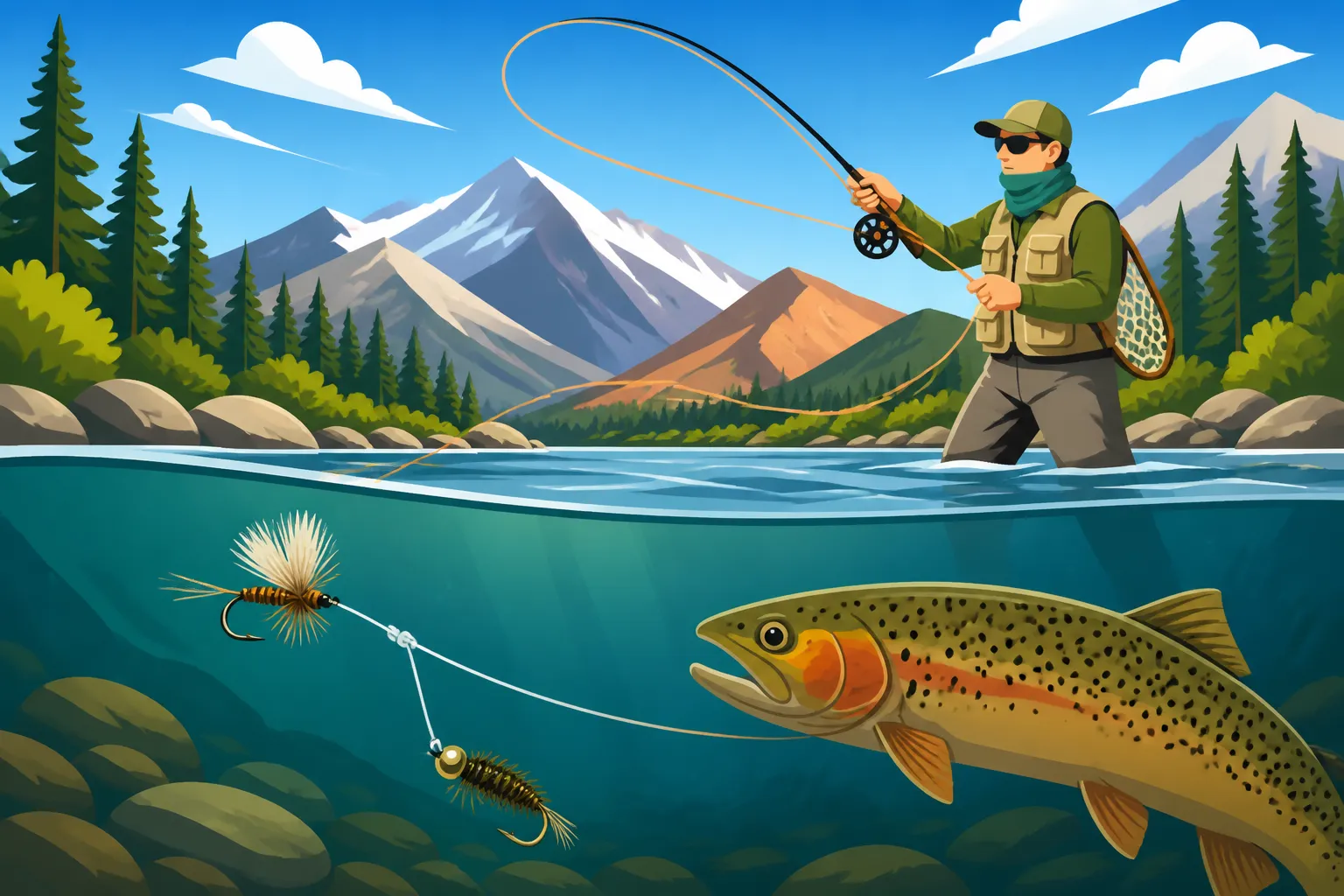
The concept of a dry-dropper rig is beautifully simple and incredibly effective. You start with a buoyant dry fly, which serves two primary purposes: first, it acts as your surface offering, mimicking a natural insect struggling or drifting on the water's film. Second, and crucially, it serves as your strike indicator. A short piece of tippet (your "dropper") is then tied to the bend of the hook of this dry fly, and at the end of that tippet, you attach a nymph.
So, when you cast, your dry fly floats on the surface, and your nymph drifts naturally below it, anywhere from six inches to three feet deep, depending on the length of your dropper tippet. This dual presentation covers two critical feeding zones: the surface film where emerging insects or terrestrials might be present, and the subsurface column where the majority of a trout's food resides. The dry fly gives you a clear visual cue for both surface takes and any subtle hesitation or movement that indicates a fish has taken your nymph. It's truly a two-for-one deal.
Advantages of This Setup on Colorado Freestones
The dry-dropper rig offers several compelling advantages, especially on those dynamic Colorado freestones where conditions can change on a dime. First and foremost is its incredible versatility. As we discussed, freestone rivers are unpredictable. One minute you might have fish rising, the next they're hunkering down in deeper pockets. This rig allows you to prospect both shallow and deeper water, and both surface and subsurface, without having to completely change your leader setup. This saves precious time on the water, allowing you to maximize your fishing efforts.
Another major benefit is its sensitivity and visual indication. Unlike opaque bobber-style indicators, your dry fly is a natural-looking insect. When a fish takes your dry fly, it's obvious. But even when a fish takes your nymph subsurface, the dry fly will often hesitate, dip, or suddenly accelerate, giving you a clear signal to set the hook. This natural indicator is often more subtle and less prone to spooking wary trout than larger, brighter indicators. Plus, it just feels more elegant to fish! It also offers better casting control than a heavily weighted nymph rig, allowing for more precise presentations in tricky currents.
When to Choose a Dry-Dropper Over Other Rigs
While incredibly versatile, the dry-dropper isn't a one-size-fits-all solution, but it excels in many common Colorado freestone scenarios. You'll want to reach for this rig when you suspect fish might be feeding both on the surface and subsurface, or when you're simply unsure of their primary feeding zone. This is often the case during shoulder seasons like spring and fall, or during those beautiful summer days where hatches are sporadic.
Consider it your go-to when there's a light hatch happening, but not enough to bring all the fish to the surface. Your dry fly might pick off the occasional riser, while your nymph does the heavy lifting below. It's also fantastic when fishing "pocket water" – those broken, turbulent sections of river often found in smaller mountain streams or faster freestones. The buoyancy of the dry fly helps keep your nymph drifting naturally in these chaotic currents, and the dual offering means you're covering more bases in these highly productive, but complex, spots. However, if the water is extremely deep and fast, or if fish are very consistently feeding 5+ feet down, a dedicated deep nymphing rig might be more efficient. Conversely, if fish are clearly only feeding on tiny surface dries in calm water, a single dry fly rig will be more stealthy.
Building Your Perfect Colorado Dry-Dropper Rig
Crafting an effective dry-dropper rig is more than just tying a nymph below a dry fly. It involves thoughtful selection of each component to ensure it performs optimally in the varied conditions of Colorado's freestone rivers. It's a balance of buoyancy, weight, and stealth, all working together to fool wary trout.
Selecting the Right Dry Fly for the Job
Your choice of dry fly for a dry-dropper rig is paramount, as it acts as both an attractor and your strike indicator. It needs to be buoyant enough to support the weight of your nymph and dropper tippet, even in choppy water, without sinking. This means patterns tied with plenty of hackle, foam, or deer hair are often ideal. Popular choices for Colorado freestones include larger Parachute Adams, Royal Wulffs, Chubby Chernobyls, or even a buoyant Foam Hopper pattern. The Stimulator is another fantastic option, especially in larger sizes.
Consider the size and color as well. Sometimes, matching the general size or color profile of a common insect in the area (like a golden stonefly or a large caddis) can entice a surface take. Other times, a brightly colored attractor pattern like an orange or pink Chubby Chernobyl simply provides better visibility for you to detect strikes. Always carry a variety in your fly box. If you're using a relatively heavy nymph, lean towards a larger, more buoyant dry fly. If your nymph is light, you can get away with a smaller dry.
Choosing Your Dropper Nymphs Wisely
The nymph you choose for your dropper is often the workhorse of the rig, catching the majority of your fish. This is where understanding the prevalent insect life in Colorado's freestone rivers really pays off. Think about what subsurface insects are abundant or hatching seasonally. Common choices include patterns mimicking Mayfly nymphs (Pheasant Tail, Hare's Ear), Caddis larvae (Princenymph, Caddis Larva), Stonefly nymphs (Pat's Rubber Leg, Twenty Incher), or even Midge pupae (Zebra Midge) during colder months or on specific tailwaters.
The weight of your nymph is critical. If your dry fly is struggling to stay afloat, your nymph might be too heavy, or your dry fly isn't buoyant enough. Conversely, if your nymph isn't getting down to the feeding zone, it's too light. You'll often carry nymphs in various sizes and with different amounts of weight (beadheads, lead wraps) to adjust your sink rate. On Amazon, you can find multipacks of popular nymphs like the Pat's Rubber Legs or beadhead Pheasant Tails, which are staples for any Colorado angler. Experiment with different weights and patterns based on the depth and speed of the water, and what insects you think the fish are keying in on.
Leader, Tippet, and Connections for Strength and Stealth
The connections in your dry-dropper rig are crucial for both stealth and strength. You'll start with your main leader, typically a 7.5 to 9-foot tapered leader, with a breaking strength between 3X and 5X, depending on the size of fish you expect and the type of water. For general freestone fishing, a 9-foot 4X or 5X leader is a solid starting point.
The dropper tippet, which connects your dry fly to your nymph, should generally be one or two sizes lighter than the tippet section of your main leader. So, if your leader ends in 5X, your dropper tippet might be 6X. This ensures that if you snag your nymph, you'll likely only lose the nymph, not your entire rig. The length of the dropper tippet dictates how deep your nymph will fish; typically, this ranges from 12 inches to 3 feet. A good rule of thumb is to start with a length that's roughly half the depth of the water you're fishing.
| Component | Recommended Length/Size | Purpose |
|---|---|---|
| Main Leader | 7.5 to 9 feet, 3X-5X taper | Connects fly line to dry fly; overall stealth. |
| Dropper Tippet | 12 inches to 3 feet, 4X-7X | Connects dry fly to nymph; depth control. |
| Dry Fly | Buoyant, size #10-16 | Surface offering & strike indicator. |
| Nymph | Weighted, size #12-20 | Subsurface offering. |
The most common knot for attaching the dropper tippet to the dry fly is the clinch knot or an improved clinch knot, tied to the bend of the dry fly's hook. Some anglers prefer to tie the dropper tippet to the eye of the dry fly, which can prevent the dry fly from spinning if that's an issue. Make sure all your knots are strong and cinched down properly. It's a good idea to practice these knots at home before you're out on the river with cold fingers!
Mastering Dry-Dropper Presentation and Drift
Having the perfect dry-dropper rig tied is only half the battle; knowing how to present it effectively is where the true artistry of fly fishing comes into play. On Colorado's freestone rivers, where currents are complex and trout are often wary, a natural, drag-free drift is your ultimate goal.
Reading the Water for Dry-Dropper Success
Before you even make a cast, take a moment to "read the water." This means observing the currents, looking for structure, and identifying potential holding lies where trout might be feeding. On a freestone river, trout will often tuck themselves behind rocks, in seams where faster water meets slower water, or in the calmer pockets along the bank. These are prime targets for your dry-dropper. Look for darker patches of water, which can indicate deeper pools, or areas where the surface is slightly broken, suggesting current breaks.
Your dry fly will tell you a lot about the current. Observe how it drifts. If it's pulling unnaturally, or if the dry fly and nymph are moving at different speeds (which creates "drag"), you need to adjust your cast or your mending. Remember, the goal is for both your dry fly and your nymph to drift as naturally as possible, as if they were unattached insects. Pay particular attention to the "soft spots" in the current, where trout expend less energy but still have access to drifting food. These are often seams, eddies, and the slower edges of faster runs. Learning how to read water on a Colorado freestone river is a skill that comes with practice and patience.
Casting and Mending for a Natural Drift
Casting a dry-dropper rig requires a bit of finesse due to the extra weight and length of the dropper. Avoid violent, jerky casts that can tangle your rig. Instead, aim for smoother, more open loops. A slight "reach cast" can be very effective, where you cast slightly upstream of your target and then immediately "reach" your rod tip upstream as the line lands, giving you a head start on getting a drag-free drift.
Mending is perhaps the most critical skill for dry-dropper success on freestone rivers. Mending involves repositioning your fly line on the water without moving your flies. If you cast upstream and the current between you and your dry fly is faster than the current around your flies, your line will pull your dry fly unnaturally, creating drag. A quick upstream mend, flipping a loop of line upstream, will give your flies more time to drift freely. Conversely, if the current closer to you is slower, you might need a downstream mend. The key is to keep your eye on your dry fly and mend just enough to maintain that natural drift, allowing your nymph to sink into the strike zone. Many of the techniques for Dry Fly Fishing Colorado's Freestone Rivers apply here, just with the added complexity of the subsurface component.
Detecting Strikes on Both the Dry Fly and the Dropper
One of the beautiful aspects of the dry-dropper rig is the dual strike indication. You're constantly watching your dry fly, and any unusual behavior should be treated as a potential strike.
- Dry Fly Take: This is the most exciting and often most obvious. Your dry fly might simply disappear in a gulp, or a fish might rise and sip it gently. If you see the dry fly vanish, set the hook!
- Nymph Take (Indicated by Dry Fly): This is where the dry fly acts as your bobber. If your dry fly hesitates, twitches, stops its natural drift, or moves unnaturally (sideways, upstream, or suddenly submerges), chances are a trout has taken your nymph below. Don't wait for your line to pull tight; set the hook immediately with a subtle lift of the rod tip. Even a slight pause in the dry fly's drift can be a fish, especially in slower currents. Learning to discern these subtle movements takes practice, but it's incredibly rewarding when you start consistently hooking fish on your dropper nymph.
Remember, trout can spit a fly incredibly fast. Be vigilant and ready to react at all times.
Advanced Tips and Troubleshooting for Freestone Anglers
Even with the perfect rig and a great cast, Colorado's freestone rivers can throw curveballs. Knowing how to adapt on the fly and troubleshoot common issues will significantly increase your success rates. It’s all about becoming a student of the river and a master of observation.
Adjusting Depth and Weight for Different Conditions
One of the most frequent adjustments you'll make with a dry-dropper rig is to the depth of your nymph and its weight. If you're fishing shallow riffles or pocket water, a shorter dropper tippet (12-18 inches) and a lighter nymph (like a #18 Pheasant Tail with a small bead) will be ideal. This allows the nymph to drift naturally without snagging on the bottom too often. However, if you move into a deeper run or a slow pool, you'll need to increase your dropper length (up to 3 feet or more) and potentially switch to a heavier nymph (like a #12 Pat's Rubber Leg) to ensure it reaches the fish.
You can also add small split shot to your dropper tippet if your nymph isn't getting down fast enough, especially in faster currents. Place the split shot about 6-12 inches above your nymph. However, be mindful of how much weight you add, as too much will sink your dry fly. Always aim for the least amount of weight necessary to get your nymph into the strike zone. Experimentation is key here; don't be afraid to change things up if you're not getting bites. This constant tweaking is part of the fun and challenge of Colorado fishing.
Handling Wind and Challenging Currents
Wind is an inevitable part of fishing in Colorado, especially in open valleys or higher elevations. Casting a dry-dropper rig in windy conditions can be particularly challenging, as the dry fly and dropper nymph can catch the wind and tangle. When facing wind, try to keep your casting stroke tight and compact, punching your line through the wind. Casting into the wind is often easier than casting with it at your back, as the latter can collapse your loop.
Challenging currents are also a constant on freestones. Swirling eddies, cross-currents, and fast seams can make a drag-free drift seem impossible. This is where strategic casting and aggressive mending become even more critical. Try to position yourself so that your cast covers a single, consistent current seam. When casting across multiple current speeds, make immediate mends upstream or downstream to manage your line. Sometimes, a "parachute cast" (where you deliberately collapse your loop to drop the flies gently rather than having a lot of line roll out) can help reduce tangles in windy or turbulent situations. You might also find that using a slightly heavier dry fly helps cut through the wind better.
Common Mistakes and How to Avoid Them
Even experienced anglers make mistakes, and the dry-dropper rig has its own set of common pitfalls.
- Too Heavy a Nymph: This is arguably the most common mistake. A nymph that's too heavy for your dry fly will constantly pull your dry fly under, making it impossible to detect strikes and leading to frequent snags. If your dry fly is regularly submerging, switch to a lighter nymph or a more buoyant dry.
- Too Long or Too Short a Dropper: If your dropper is too long, your nymph might not reach the feeding zone. If it's too short, it might not look natural, or your dry fly might land too close to your nymph, spooking fish. Adjust based on the depth of the water you're fishing, as mentioned earlier.
- Lack of Mending: On freestone rivers, drag is the enemy of a natural drift. Failing to mend your line will result in your flies being pulled unnaturally through the water, immediately alerting wary trout that something is amiss. Constant, subtle mends are key.
- Poor Knot Tying: A dry-dropper rig has multiple connection points, and a single weak knot can cost you a trophy fish. Always use reliable knots like the improved clinch or triple surgeon's knot, and moisten them before tightening.
- Not Checking Your Rig: After every few casts, especially if you've had a snag or a strong fight, quickly inspect your leader, tippet, and flies for kinks, twists, or dull hooks. A quick check can prevent lost fish or frustrating tangles. Don't be afraid to snip and re-tie if anything looks suspect. Remember, even a small kink can weaken your tippet significantly.
Essential Gear Beyond the Rig Itself
While the dry-dropper rig itself is central to your success, having the right supporting gear can make all the difference in your comfort, efficiency, and safety on Colorado's challenging freestone rivers. Investing in quality equipment that suits the conditions is paramount for an enjoyable day on the water.
Rod and Reel Considerations for Dry-Dropper Fishing
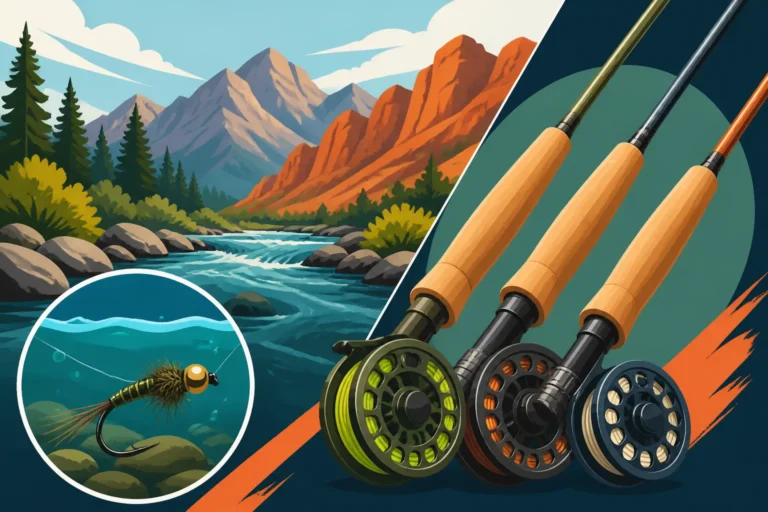
When it comes to your rod, a medium-fast to fast-action fly rod in the 9-foot, 4-weight to 6-weight range is typically ideal for general dry-dropper fishing on Colorado's freestone rivers. A 9-foot rod provides excellent line control for mending and roll casting, which are crucial techniques for managing your dry-dropper rig. The 4-weight is great for smaller streams and lighter presentations, while a 5-weight is a versatile all-around choice that can handle larger trout and a wider range of flies. A 6-weight might be better if you're consistently throwing larger, heavier dry-dropper combos, or if you expect to encounter larger fish in bigger water. This aligns with many recommendations for the Best Rod Weight for Colorado Trout Fishing.
Your reel doesn't need to be overly fancy, as its primary job is to hold your line. A good quality, lightweight reel with a smooth drag system is sufficient. Ensure it's balanced with your rod for comfortable casting all day. For fly line, a weight-forward floating line will serve you well, providing the necessary taper for accurate casts and easy mending.
Waders, Boots, and Safety on Freestone Rivers
Staying dry and safe is non-negotiable when fishing Colorado's freestone rivers, many of which are fed by cold snowmelt. A good pair of breathable chest waders is essential. Look for durable construction and comfortable fit, especially if you plan on covering a lot of ground. Brands like Simms and Orvis offer excellent wader options that hold up to the rigors of river fishing.
Your wading boots are equally, if not more, important. Freestone riverbeds can be slick with algae and uneven with loose rocks. Felt soles offer excellent grip on wet, slimy rocks but can be slippery on muddy banks or snow. Rubber soles with studs provide superior traction in a wider range of conditions and are often preferred for their versatility and durability. The choice between felt and rubber often comes down to personal preference and the specific rivers you fish most often, but many anglers swear by studded rubber soles for optimal safety. Consider the benefits of studded boots for icy river banks during shoulder seasons.
Beyond waders and boots, always carry a wading staff. This seemingly simple tool can prevent falls and provide crucial stability when crossing strong currents or navigating slippery terrain. A PFD (Personal Flotation Device) is also a wise choice, especially if you're fishing larger, faster rivers or floating in a drift boat or raft. Always let someone know where you're going and when you expect to return. Colorado's wilderness is stunning, but it demands respect for safety.
Dry-Dropper Rigs Through the Colorado Seasons
Colorado's fishing seasons are as varied as its landscapes, and understanding how to adapt your dry-dropper rig to the changing conditions throughout the year is key to consistent success. Each season presents its own challenges and opportunities, and a flexible approach will yield the best results. For a broader overview, consider checking out our guide on Colorado Fishing Seasons Month by Month.
Spring and Runoff Tactics
Spring in Colorado is a time of awakening, but it also brings the formidable challenge of runoff. As the high-country snow melts, freestone rivers swell, often becoming high, fast, and turbid. This is a period when many anglers shy away, but the dry-dropper can still be effective if fished strategically. During peak runoff, when rivers are truly roaring and muddy, you might want to look at High Water Tactics During Colorado's Runoff specifically, but for the shoulders of runoff, the dry-dropper has a place.
Focus on the softer water along the banks, in eddies, and behind large boulders where fish can escape the main current. Your dry fly here might be a large, buoyant attractor like a #8-10 Chubby Chernobyl or a large Stimulator, designed for maximum visibility and floatation. Below it, run a heavier nymph, such as a #8-12 Pat's Rubber Leg or a Stonefly nymph, perhaps with an added split shot to get it down quickly. The fish are often holding tight to the bottom in these conditions, so depth is crucial. The strong currents can make detecting subtle takes difficult, so watch your dry fly closely for any unusual movements, even a slight hesitation. As the runoff subsides and the water begins to clear, fish will start to spread out and become more active.
Summer Hatches and Terrestrials
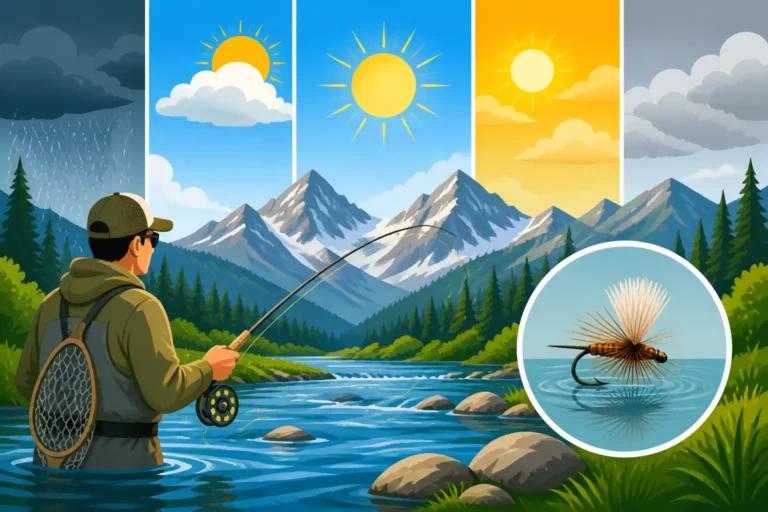
Summer is prime time for dry-dropper fishing on Colorado's freestone rivers. Warmer temperatures bring prolific insect hatches, including Caddis, various Mayflies (like Green Drakes and Pale Morning Duns), and Stoneflies. This is also when terrestrials – grasshoppers, ants, and beetles – become a significant food source as they fall into the water from streamside vegetation.
During a hatch, you might use a dry fly that matches the hatching insect, such as a Parachute Adams for a Mayfly hatch, or an Elk Hair Caddis for a Caddis hatch. Below it, run a nymph pattern that mimics the subsurface stage of that same insect. When no specific hatch is apparent, or during the heat of the day, a large foam hopper or a beetle pattern makes an excellent dry fly. Your dropper could then be a general attractor nymph like a Hare's Ear or a Prince Nymph, covering your bases. For specific hatches, check out our guides on Matching a Caddis Hatch on a Colorado River or Fly Selection for Colorado's Stonefly Hatch. The beauty of the dry-dropper in summer is its ability to capitalize on opportunistic surface takes while still probing the depths for actively feeding fish.
Fall Spawning and Cooler Waters
Fall fishing in Colorado is legendary for its vibrant foliage and aggressive brown trout, which begin their annual spawning migration. As water temperatures cool, fish activity can remain strong, though the types of insects and feeding behaviors shift. During this time, the dry-dropper remains a highly effective tool, especially when targeting actively feeding trout that aren't yet locked into spawning behavior.
Larger attractor dry flies like October Caddis imitations or small foam hoppers can still tempt fish on the surface, especially on warmer days. However, your dropper nymph becomes even more critical. Many fish are feeding on eggs, larger nymphs, and sculpins as they prepare for or recover from spawning. Egg patterns, large Stonefly nymphs, or even a smaller streamer pattern (like a #10 Woolly Bugger) fished as your dropper can be incredibly effective. Consider using a slightly heavier nymph to get down to deeper runs where larger fish might be holding. This period also sees excellent opportunities for brown trout, as detailed in our guide on Fall Fishing in Colorado, What Changes. The dry-dropper rig provides the perfect blend of presentation options to entice these often larger, more aggressive autumn fish.
Disclaimer
Please remember that fishing conditions, regulations, and access can change rapidly. Always consult the official Colorado Parks and Wildlife (CPW) website or the current Colorado Fishing Regulations brochure before heading out. Be aware of local fire restrictions and respect private property. Practice Leave No Trace principles to protect Colorado's beautiful natural resources for future generations.