What to Fish During Colorado’s Spring Runoff
Every spring, as the snow melts and cascades down the majestic peaks of the Colorado Rockies, many anglers face a familiar challenge. The once clear, inviting rivers swell into churning, muddy torrents, making it incredibly difficult to know where to cast a line or what to even use. This period, known as spring runoff, can be frustrating, often making you feel like your fishing season is on hold. But don't despair! With the right knowledge, runoff can actually present some fantastic opportunities. This comprehensive guide will help you understand the dynamics of Colorado's spring runoff and equip you with the strategies to find success, even when the rivers are roaring.
Understanding Colorado's Spring Runoff Dynamics
Spring runoff in Colorado is a natural phenomenon driven by melting snowpack from higher elevations. It's a critical process that replenishes water systems, but it dramatically changes fishing conditions. The timing and intensity of runoff can vary significantly year to year, depending on the winter's snowpack and spring temperatures.
The Impact of High Water and Turbidity
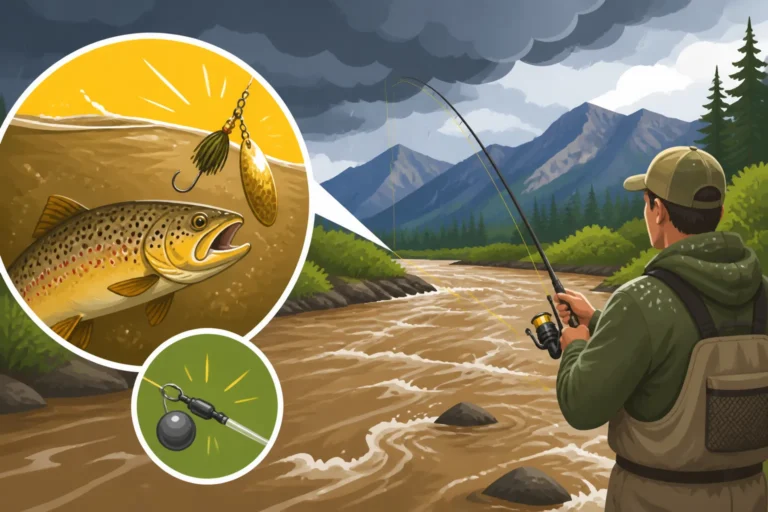
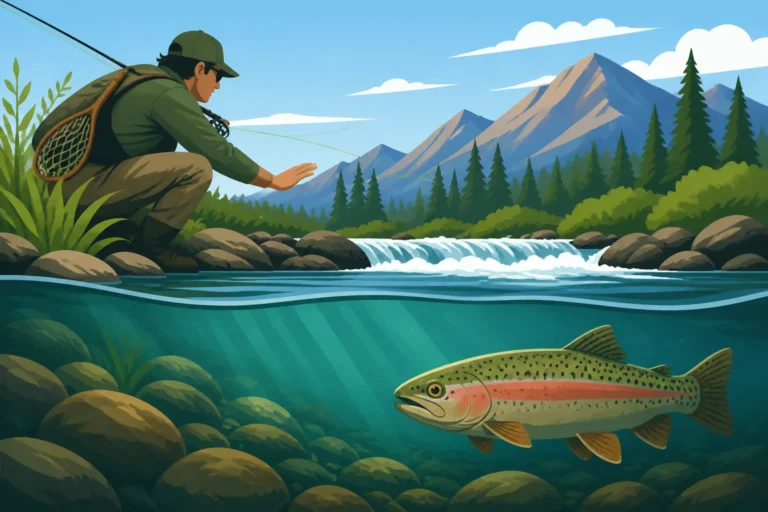
When runoff hits, rivers become significantly higher and faster. This powerful current displaces fish, often pushing them to slower eddies, pockets, or the banks. More critically, the water becomes incredibly turbid, meaning it's murky and filled with sediment. This reduced visibility makes it nearly impossible for fish to see small flies or subtle lures, which is a major shift from the clear-water tactics many of us are accustomed to. It's a complete change in strategy from what you'd typically do during other times of the year, like during the crisp conditions of Fall Fishing in Colorado, What Changes.
The increased water flow also tends to bring down debris, from small twigs and leaves to larger branches, which can foul lines and make casting a nuisance. On top of that, the water temperature often drops as snowmelt is inherently cold. This can make fish more lethargic and less willing to chase after food, further complicating your efforts. You might find yourself wondering why your usual go-to spots are completely barren, and it’s almost always because of these combined factors.
Predicting and Preparing for Peak Runoff
While the exact timing can fluctuate, Colorado Parks and Wildlife (CPW) typically sees significant runoff starting in late May and often peaking in early to mid-June, though some years it can extend well into July, especially after heavy snow seasons. Monitoring local river gauges and streamflow data from sources like the U.S. Geological Survey (USGS) is crucial. These resources provide real-time information on water levels and clarity, helping you decide if a river is even fishable. You can also consult When Colorado's Spring Runoff Hits and How to Fish Around It for more details on predicting the season.
Preparation is key. This isn't the time for your ultralight gear and delicate presentations. Think heavy, think bold. Stock up on larger, brighter flies or lures, heavier split shot, and stronger leader material. Ensure your waders are leak-free, and consider a wading staff for added stability in strong currents. Having a good, sturdy waterproof backpack, which you can find readily on Amazon, can keep your essentials dry even if you take an unexpected dip.
Prime Fishing Locations During Spring Runoff
While freestone rivers (rivers fed directly by snowmelt) often become unfishable during peak runoff, not all fishing opportunities vanish. Colorado offers several types of waters that remain productive, or even excel, during this challenging period. The trick is knowing where to look and understanding why these spots are different.
Tailwaters Below Dams
Tailwaters are rivers or sections of rivers located directly downstream from large reservoirs and dams. These are often your best bet during runoff, hands down. The reason is simple: the water released from the bottom of the dam maintains a relatively consistent flow and temperature year-round, regardless of what's happening upstream. This stability means that tailwaters often run clear, even when freestone rivers are raging brown.
Famous Colorado tailwaters like the Fryingpan River below Ruedi Reservoir, the Taylor River below Taylor Park Reservoir, and sections of the South Platte River (like the Dream Stream or Cheesman Canyon) are legendary for their productivity during runoff. Fish in these sections are less affected by fluctuating water levels and turbidity, leading to more predictable feeding patterns. They might be a bit more crowded, but the consistent conditions make them worth the drive. You can learn more about fishing specific tailwaters by exploring topics like Fishing the Dream Stream and Cheesman Canyon on Colorado's South Platte or Fishing Colorado's Fryingpan River Below Ruedi Reservoir.
Stillwater Options: Lakes and Reservoirs
If rivers are a no-go, turn your attention to Colorado's vast network of lakes and reservoirs. These stillwater bodies are largely unaffected by the turbidity and raging currents that plague rivers during runoff. In fact, the influx of snowmelt can even be a good thing, bringing in fresh nutrients and oxygen, which can invigorate fish. Larger reservoirs like Blue Mesa, Eleven Mile, or Horsetooth Reservoir offer excellent opportunities for a variety of species.
Shore fishing can be particularly productive as warmer water near the banks attracts baitfish and insects, drawing in larger predatory fish. Boat fishing, whether trolling or casting, also remains a strong option. Many of these lakes are stocked regularly by CPW, so there’s a consistent supply of fish. You can often check the Reading Colorado's Weekly Stocking Report to see which lakes have recently received fresh trout, increasing your odds. For specific strategies on stillwater fishing, especially for species like lake trout or kokanee, you might want to look into Fishing Colorado's Blue Mesa Reservoir.
Smaller Tributaries and High-Country Lakes
Sometimes, the smaller streams and tributaries that feed into the larger rivers will clear up faster after the initial surge of runoff. These waters tend to have smaller watersheds, meaning less snowmelt needs to pass through them. While the main stem might be chocolate milk, a small feeder stream could be running much clearer, offering a hidden gem for trout. Access can be tougher, often requiring some hiking, but the reward of finding unpressured fish can be immense.
Similarly, high-country lakes, especially those at higher elevations, tend to thaw out later in the season. However, once they do, they can offer spectacular fishing that is completely unaffected by river runoff. These pristine alpine lakes often hold native cutthroat trout or brook trout, and the lack of current means you don't have to contend with turbidity. Just be prepared for variable weather conditions and remember that access roads might still be closed by snow early in the runoff season. It's a great option for a day trip once the snow clears, a different experience compared to Colorado's Best Ice Fishing Reservoirs that are locked up in winter.
Essential Tactics and Gear for Runoff Success
Fishing during runoff isn't about giving up; it's about adapting. Your typical dry fly or small nymph presentations simply won't cut it. You need to focus on getting your offering in front of the fish, making it visible, and making it tempting.
Getting Deep and Staying There
The most critical aspect of runoff fishing in high, turbid water is getting your flies or lures down to where the fish are holding. Fish will often hug the bottom to avoid the strong currents and to find slightly clearer water. This means using heavy flies, weighted lures, and ample split shot. For fly anglers, multiple split shot sinkers are often necessary. Techniques like heavy nymphing rigs or even Euro nymphing can be incredibly effective, as they allow you to maintain contact with your flies as they drift close to the riverbed. Consider adding a heavier tippet than usual; you'll sacrifice a little stealth, but gain much-needed abrasion resistance against debris and the ability to hold larger fish in heavy current. Detailed guidance on these methods can be found in resources like Nymphing Techniques for Colorado Tailwaters.
For spin anglers, heavy jigs, spoons, or crankbaits that dive quickly are essential. Often, the weight of the lure itself will be enough, but don't hesitate to add extra weight above your lure if needed to ensure it reaches the strike zone. Focusing on eddies, seams, and slower pockets where fish expend less energy is crucial. They won't move far for a meal, so you need to present your offering directly to them.
Lure and Fly Selection: Size, Color, and Scent
When visibility is poor, fish rely more on their lateral lines (to feel vibrations) and sense of smell. This means bright, contrasting colors and larger profiles become your friends.
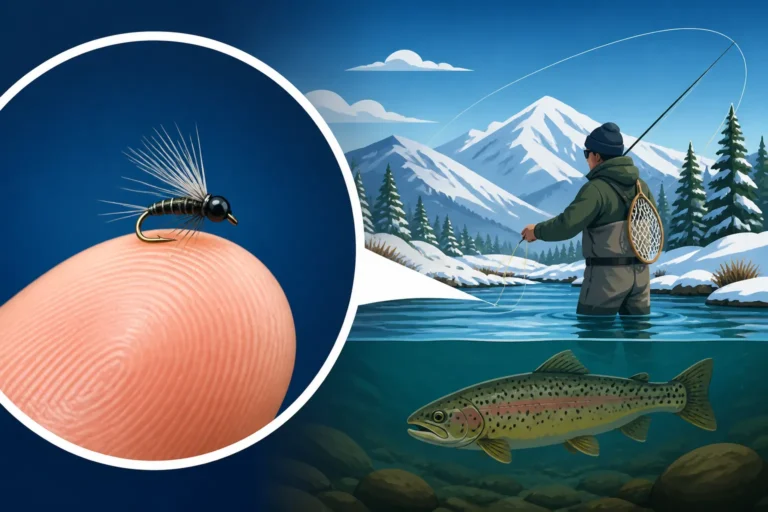
- Flies: Think big, flashy, and dark. Large stonefly nymphs (Pat's Rubber Legs, San Juan Worms, Girdle Bugs), Caddis larva, and flashy streamer patterns (Woolly Buggers, Sculpzillas) in black, olive, or even bright pink or chartreuse can be highly effective. The key is size and movement. A lot of anglers find that having a wide selection of these patterns, easily ordered from Amazon, can make all the difference. For more specific patterns and why they work, check out articles like Fly Selection for Colorado's Caddis Hatch when fishing tailwaters that might experience early hatches.
- Lures: Spin anglers should opt for brightly colored spoons (like Daredevils in fluorescent orange or chartreuse), large spinners (Mepps Aglia, Panther Martin), and diving crankbaits in firetiger or similar bold patterns. Jerkbaits that create a lot of vibration can also attract attention. Focus on lures that can be retrieved slowly while still maintaining their action, giving fish time to react.
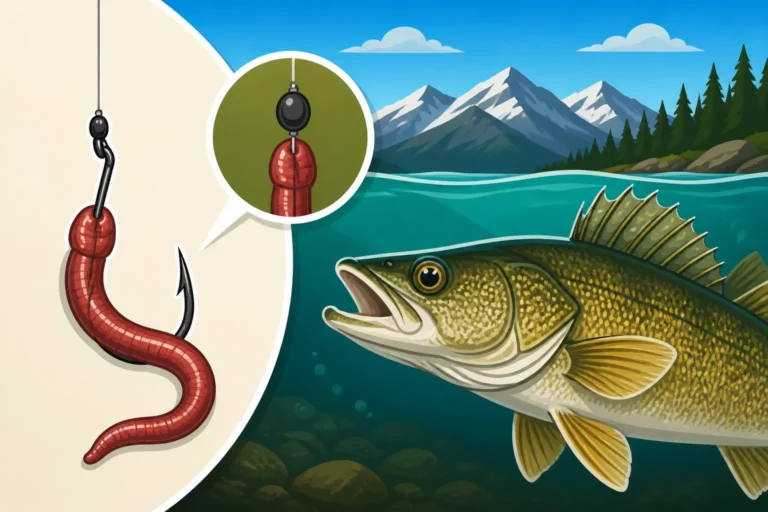
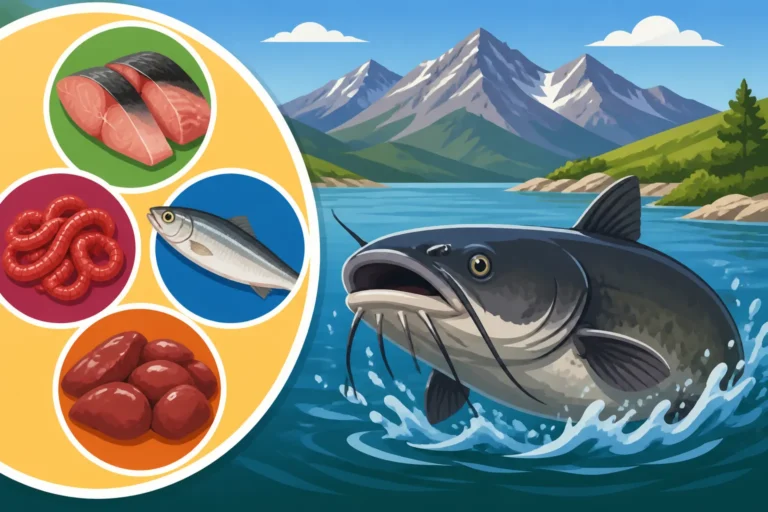
- Bait: When all else fails, live bait or scented artificials can be a game-changer. Worms, PowerBait, or even salmon eggs can be irresistible to fish that are having trouble seeing. The scent trail they leave in the murky water can be the deciding factor in getting a strike. Just remember to check local regulations, as bait is not allowed on all Colorado waters, especially many Gold Medal sections. For more on this, you can review Bait Fishing Techniques for Colorado Lakes.
A useful strategy for both fly and spin anglers is to "high stick" or keep your rod tip high, to lift as much line off the water as possible. This helps to reduce drag and maintain a natural drift in fast currents, allowing your offering to get down and stay in the strike zone longer.
Table: Runoff Fishing Strategies by Water Type
| Water Type | Runoff Characteristics | Recommended Tactics | Key Gear/Lures | Internal Link Suggestion |
|---|---|---|---|---|
| Tailwaters | Stable flow, clearer water, consistent temp | Heavy nymphing, streamer fishing | Large stoneflies, San Juan Worms, Woolly Buggers | Nymphing Techniques for Colorado Tailwaters |
| Stillwaters (Lakes) | Stable, minimal turbidity, can be active | Shore casting, trolling, jigging | PowerBait, worms, spoons, crankbaits, jigs | Fishing Colorado's Blue Mesa Reservoir |
| Small Tributaries | Clears faster, smaller fish | Euro nymphing, small spinners, worms | Smaller stoneflies, caddis, small Mepps spinners | Colorado's Best Fishing Spots by Region |
| Main Freestone Rivers | High, fast, murky (often unfishable) | Target soft water, eddies, use large, bright baits | Large scented baits, heavy jigs, brightly colored crankbaits | High Water Tactics During Colorado's Runoff |
Staying Safe and Smart on Runoff Waters
Fishing during runoff brings unique challenges, and safety should always be your number one priority. The powerful currents and cold water can be incredibly dangerous if you're not careful.
Wading Safety and Gear
Wading in high, fast water is inherently risky. Always wear a wading belt to cinch your waders tight, which can prevent them from filling completely with water if you fall. A sturdy wading staff is not optional; it’s an absolute necessity for maintaining balance and testing depth before each step. Always shuffle your feet and slide, never step blindly. The bottom can be treacherous with loose rocks, deep holes, and slick algae.
Consider wearing a personal flotation device (PFD), especially if you plan to wade deep or are fishing alone. The cold water can quickly lead to hypothermia if you're immersed for even a short period. Layer your clothing to stay warm, and ensure your outermost layer is waterproof. Hypothermia is a serious risk when dealing with cold water, and even on warm days, falling into a snow-fed river can be life-threatening. Remember that even a seemingly small stream can have surprisingly powerful currents during runoff.
Monitoring Conditions and Respecting Closures
Always check river conditions before heading out. Local fly shops are excellent resources, offering up-to-the-minute reports on water levels, clarity, and what's biting. Colorado Parks and Wildlife also provides alerts for river closures or restrictions, particularly during extreme runoff or drought conditions. Respecting these closures is vital, not just for your safety but for the health of the fish. Fishing in stressed conditions, such as extremely high or low flows, can be detrimental to fish populations.
It's also a good idea to bring a fishing buddy along, especially if you're exploring new or challenging waters. Having someone else there can be a lifesaver in an emergency. Make sure someone knows your float plan or where you intend to fish. Even simple tools like a fully charged cell phone (in a waterproof case, ideally found on Amazon) can be critical. You can also educate yourself on what to do if you encounter regulated species by understanding What to Do If You Catch an Endangered Fish by Accident.
Ethical Angling During High Water
High water can sometimes concentrate fish into smaller, more accessible areas like eddies and slower banks. While this can make them easier to catch, it also makes them more vulnerable to over-pressuring. Practice good catch-and-release ethics, especially if targeting wild trout. Handle fish minimally, keep them in the water as much as possible, and use barbless hooks to reduce injury.
Also, be mindful of your surroundings and other anglers. Runoff season can concentrate fishermen in the few fishable spots, leading to more crowded conditions. Be polite, give others space, and share the water responsibly. A little courtesy goes a long way, especially when everyone is trying to make the most of a challenging season. Always be aware of the Colorado Fishing Regulations Every Angler Should Know to ensure you're fishing legally and ethically.
Spring runoff in Colorado is more than just a hydrological event; it's a test of an angler's adaptability and determination. While it demands a shift in strategy, it doesn't mean hanging up your rod. By understanding the conditions, knowing where to focus your efforts, using the right gear and techniques, and prioritizing safety, you can turn this challenging period into one of the most rewarding times to fish in the Centennial State.
Disclaimer
Please be aware that fishing conditions, regulations, and safety guidelines can change rapidly. Always consult the latest Colorado Parks and Wildlife (CPW) regulations and local conditions before heading out. This guide is for informational purposes only and does not supersede official government regulations or professional safety advice.