How to Approach a Tailwater Without Spooking Trout
There's nothing quite as disheartening for an angler as wading up to a pristine Colorado tailwater, casting out, only to watch every single fish in the run bolt for cover. It's a common, frustrating experience, especially on these incredibly clear and often highly pressured waters where trout seem to have eyes in the back of their heads. You might feel like you've done everything right, but a subtle mistake in your approach can undo all your efforts. This guide is dedicated to helping you master the art of approaching tailwaters stealthily, ensuring your next outing is filled with more hook-ups and fewer spooked fish.
Understanding the Unique Challenges of Colorado Tailwaters
Tailwaters, the sections of river immediately downstream from a dam or large reservoir, present a very specific set of conditions that make fishing them both incredibly rewarding and uniquely challenging. Unlike freestone rivers that rely on snowmelt and rain, tailwaters benefit from a consistent flow and stable water temperatures, making them prime habitat for large, healthy trout. However, these same conditions also contribute to their difficulty.
Why Tailwaters Are So Clear and Cold
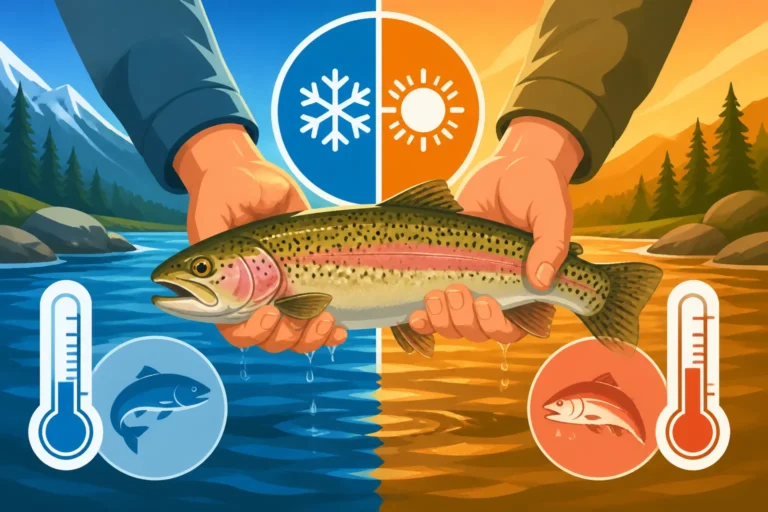
The clarity of tailwaters is often their most defining characteristic. Water released from the bottom of a deep reservoir is typically much colder and clearer than surface water. This stable temperature allows for excellent invertebrate life, which in turn supports a robust trout population. However, the crystal-clear conditions mean that trout have an unobstructed view of their surroundings, both above and below the water. Sunlight penetrates deep, illuminating every shadow and movement you make on the bank or in the water. It’s like fishing in an aquarium where every fish can see you coming a mile away.
Furthermore, the cold, stable temperatures can make trout incredibly sensitive to changes in their environment. Any sudden disturbance, whether it's a heavy footfall on the bank, a boat scraping against a rock, or even a shadow cast across the water, can send them darting for cover. This heightened awareness is a direct result of their consistent, predictable environment – they don't have to contend with the frequent turbidity or fluctuating temperatures of a freestone river, allowing them to hone their senses to detect threats more efficiently. It’s a double-edged sword: ideal conditions for growth also breed incredibly wary fish.
Trout Behavior in Tailwater Environments
Trout in Colorado's tailwaters, especially those designated as Gold Medal Waters, are often incredibly educated and wary. They've seen it all—every fly pattern, every casting angle, and countless anglers. This constant pressure makes them very selective feeders and highly sensitive to perceived threats. They're not just looking for food; they're constantly scanning for predators, and unfortunately, a poorly approaching angler can easily resemble one.
Their feeding lies are often in predictable seams and current breaks, but these same spots are where they have the best vantage point to spot danger. You'll often find them holding near structure, like submerged rocks or undercut banks, which offer both shelter from currents and quick escape routes. Understanding these preferences, combined with knowing how to spot them in gin-clear water, is crucial. Their entire existence revolves around conserving energy and avoiding being eaten, so any movement that appears unnatural or threatening will trigger an immediate flight response. They've learned to associate certain movements with danger, and it's our job as anglers to break that association.
The Art of the Approach: Footwork, Casting, and Minimizing Disturbance
Approaching a tailwater effectively is arguably more important than your casting skill or fly choice. If the fish see you first, it often doesn't matter what you're throwing. It requires a mindful, deliberate strategy, treating every step and movement as a potential give-away.
Footwork and Positioning: The Golden Rules
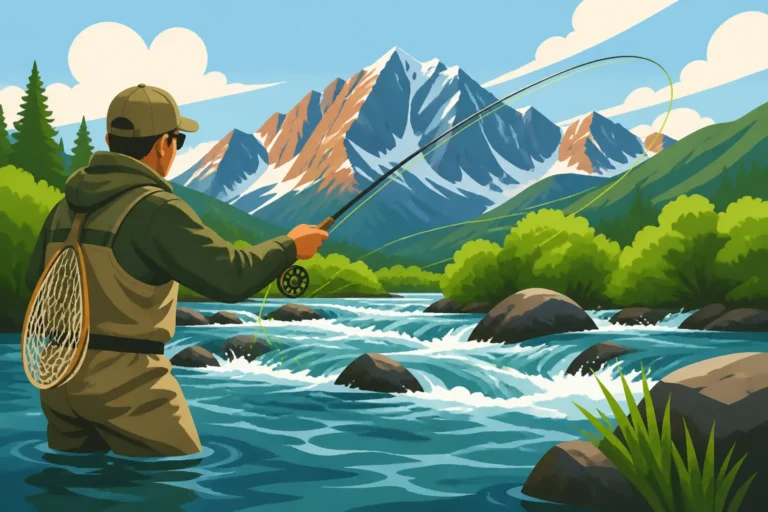
Think of yourself as a hunter stalking prey. Your movements need to be slow, deliberate, and low to the ground. When you first arrive at a section of river, resist the urge to immediately walk up to the bank. Instead, observe from a distance, well away from the water's edge. Scan the water for rising fish, feeding lanes, and potential holding spots. This initial reconnaissance is invaluable. Once you've identified your target area, approach from downstream, always facing upstream. Trout naturally face into the current to intercept food, so approaching from behind minimizes your chances of being seen directly.
When wading, move slowly and deliberately. Shuffle your feet rather than lifting them high, which can create waves or vibrations that travel through the water. Avoid splashing at all costs. If possible, stick to the shallower edges or walk on the bank well back from the water's edge, using vegetation or terrain for cover. If you have to cross a particularly shallow, clear run, take extra time, or even make a wide detour. Remember, the trout's lateral line can pick up vibrations from surprisingly far away, so every heavy step is a risk. For many, investing in quality wading boots with good grip, available on platforms like Amazon, makes a huge difference in confident, quiet movement.
Casting and Presentation: Less is More
Once you're in position, your casting approach is just as critical. Long, arcing casts that sail high over the water can create shadows that alarm fish. Instead, aim for low-trajectory casts that keep your line and fly close to the water's surface, minimizing your aerial profile. Try to cast across or slightly upstream, allowing your fly to drift naturally into the feeding zone without the line landing directly on top of the fish. Think about making the fewest false casts possible; each one is another opportunity to create movement or shadow that can spook a wary trout.
If you're able to get close enough, a simple roll cast or a short, accurate flip can be far more effective and less intrusive than a full overhead cast. The goal is to present your fly with minimal disturbance, as if it naturally arrived on the water. This is particularly important in tailwater nymphing, where subtle entry and a natural drift are paramount. The ability to execute a delicate presentation often trumps sheer casting distance in these environments.
Minimizing Noise and Shadows
Every small action you take can create noise or shadow. Imagine the sun at your back, casting your silhouette directly onto the water you're about to fish. That's a surefire way to send trout scattering. Always try to keep the sun or light source in front of you or to the side, preventing your shadow from preceding you. When the sun is high, or if you're fishing a highly reflective section, your shadow becomes an even greater factor. Wear natural, muted colors that blend with the surroundings, avoiding bright, contrasting clothing that stands out against the bank.
Beyond shadows, be conscious of sound. Dropping a fly box, scraping your wading staff on rocks, or talking loudly can transmit vibrations through the water or air. Even the subtle glint of a metal reel or the flash of a shiny buckle can catch a trout's eye. Pay attention to your gear; make sure everything is secure and doesn't clank around. Sometimes, the difference between a successful outing and a frustrating one is simply being mindful of these seemingly insignificant details. Consider a stealthy approach that includes quiet gear like a non-metallic wading staff, which you can also find on Amazon.
Reading the Water and Fish Behavior for Tailwater Success
Even the most stealthy approach won't work if you can't accurately read the water and anticipate where trout are holding and how they might react. This skill is honed over countless hours on the water, but there are some foundational principles specific to tailwaters.
Spotting Trout in Gin-Clear Water
Spotting fish in gin-clear tailwaters can be a true art, but it's essential for a targeted approach. Polarized sunglasses are non-negotiable; they cut glare and allow you to peer into the water column. Look for subtle signs: a flash of white as a fish opens its mouth to feed, a dark shape against the lighter bottom, or the slight twitch of a fin. Sometimes, you'll see a fish "ghosting," slowly moving through the water, barely perceptible. Focus on areas where food might accumulate or where fish might seek shelter: current seams, eddy lines, darker pockets, and especially around structure like large rocks, logs, or undercut banks.
Once you spot a fish, don't immediately cast. Observe its behavior. Is it actively feeding? Is it holding steady, or darting around? Understanding its posture and movements will inform your presentation. A fish that's actively feeding in a specific lane is an easier target than one constantly moving or in a defensive posture. Use the angle of the light and the background to your advantage, remembering that shadows and reflections can both hide and reveal fish. Check out our guide on how to spot trout holding in clear water for even more tips.
Understanding Trout's Cone of Vision
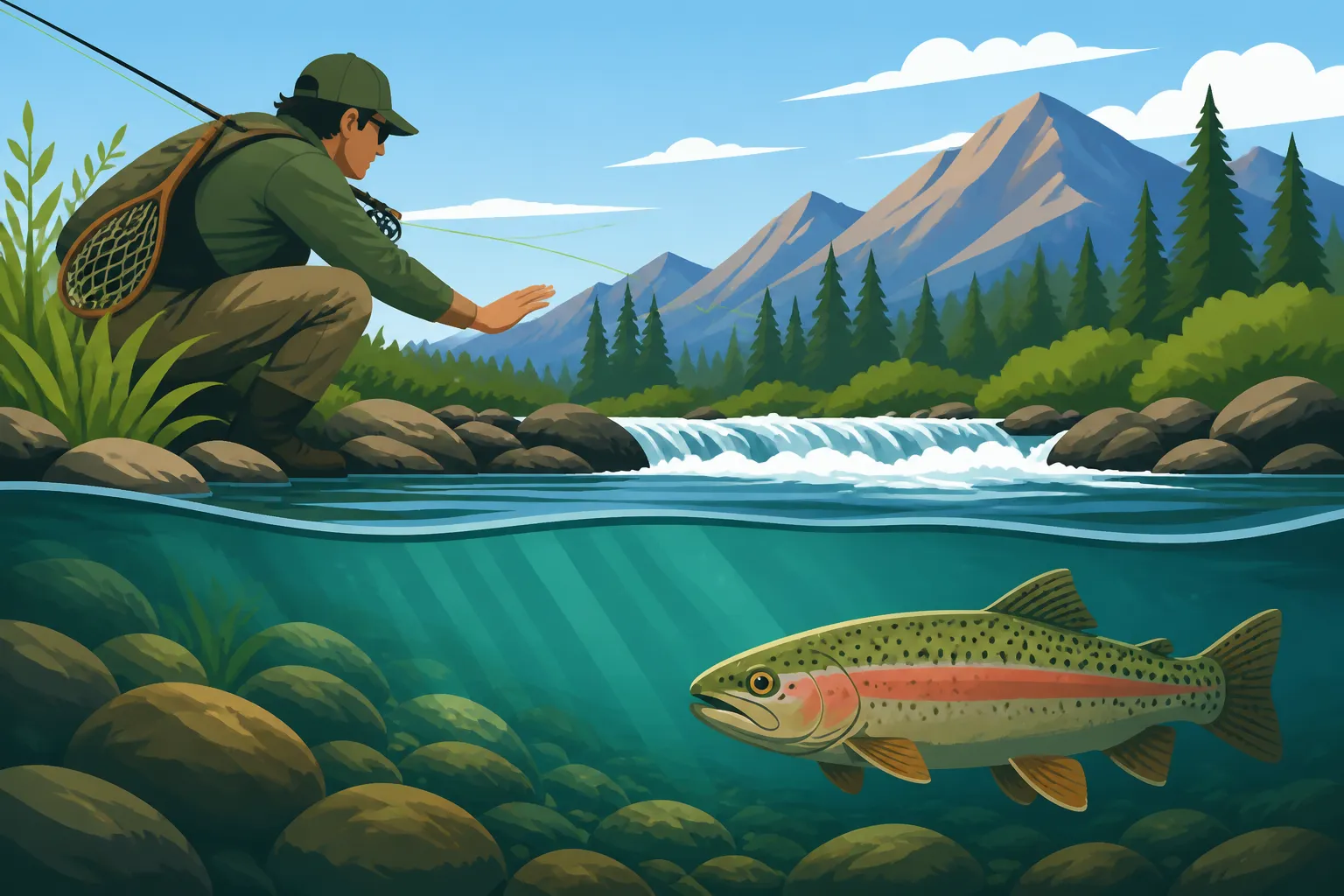
A trout's cone of vision is a critical concept to grasp for stealthy approaches. Because light bends as it enters the water, a trout has a "window" on the surface directly above it, through which it can see everything above the water. Outside this window, the surface acts like a mirror, reflecting the bottom. Your goal is to stay outside this window or minimize your profile within it. This means keeping a low profile, kneeling or even crawling when necessary, especially if you're directly upstream of where you expect fish to be.
The size and shape of this window depend on the water depth and clarity, but generally, the shallower the water, the wider the cone of vision. This is why approaching very shallow runs is so challenging. Always remember that even if you can't see the fish, they very well might be able to see you. Using the surrounding terrain—bushes, rocks, depressions—as natural cover is vital. Think about how a deer hunter uses the landscape to their advantage; the same principles apply here.
Reacting to Spooked Fish
Even with the best intentions and the most careful approach, you will inevitably spook fish. It's part of the game. The key is how you react. If a fish bolts, don't immediately give up on the entire run. Often, they'll simply move to deeper water or a nearby hideout, rather than leaving the area entirely. Give the spot a few minutes to settle down. Move slightly, change your angle, or alter your fly selection. Sometimes, a different presentation or a lighter tippet, as discussed in our article on how fine a tippet you need for selective tailwater trout, can tempt a recently spooked fish once it calms down.
If multiple fish in a run spook, it might be time to move on to a different section of the river and come back later. Or, reassess your entire approach strategy. Did you stand too tall? Make too much noise? Cast too aggressively? Learning from these moments is how you improve. A single spooked fish can also alert others downstream, so always be mindful of ripple effects. Sometimes, the best reaction is to simply wait patiently, allowing the natural rhythm of the river to reassert itself before trying again.
Gear and Techniques for Stealth
While much of stealth is about your physical approach, your gear choices and fishing techniques also play a significant role. The right equipment can give you a decisive edge, allowing you to blend in and present your offerings more subtly.
Leader and Tippet Selection
When fishing clear tailwaters, your leader and tippet selection are paramount. Long, thin leaders and tippets are essential to fool wary trout. A longer leader (9-12 feet, sometimes even longer with added tippet) provides a greater buffer between your fly line and your fly, helping to reduce the chance of the line spooking fish. Fluorocarbon tippet is often preferred over monofilament because its refractive index is closer to water, making it virtually invisible underwater. It also sinks faster, helping your nymphs get down to the feeding zone quickly.
As for strength, you'll typically be using lighter tippets, often 5x, 6x, or even 7x, especially for smaller flies and highly selective fish. While this increases the risk of break-offs, the trade-off in increased bites is usually worth it. Always check your tippet regularly for nicks and abrasions. For more detailed insights, take a look at our guide on the best leader length for clear tailwater water. Investing in a good selection of quality fluorocarbon tippet from brands like Seaguar or Rio, easily found on Amazon, is a smart move for any serious tailwater angler.
Waders and Clothing Choices
Your clothing choices can make a significant difference in how visible you are to fish. Avoid bright, contrasting colors like white, yellow, or neon. Instead, opt for muted, earthy tones—greys, greens, browns, and tans—that blend seamlessly with the natural riparian environment. Camouflage patterns can also be effective, especially if you're frequently fishing from the bank. The idea is to break up your human silhouette, making you less discernible against the background.
When it comes to waders, neoprene or darker-colored breathable waders are generally better than light-colored ones. While the primary function of waders is to keep you dry, their color can impact your stealth, particularly in shallow water where they are more visible. Some anglers even prefer to wear dark pants or leggings under their waders if they are light-colored, reducing the contrast underwater. Remember, even a small detail like a bright hat can stand out like a beacon to a trout. Our article on best waders for cold tailwater fishing offers more insights into functional and stealthy choices.
Fly Selection and Presentation
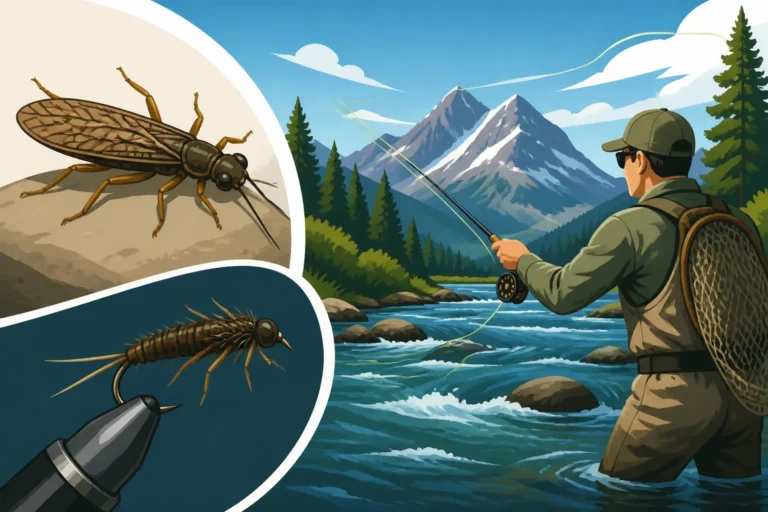
Even with a perfect approach, the wrong fly or a poor presentation can still ruin your chances. Tailwater trout are notoriously selective, often keying in on specific insect stages or sizes. This means carrying a wide array of patterns, from tiny midges and emergers to larger stoneflies and caddis. Pay attention to the "match the hatch" principle, observing what insects are present and choosing flies that mimic them. The article on matching the hatch on Colorado's tailwaters provides excellent advice on this.
Beyond selection, your presentation must be flawless. Your fly needs to drift naturally, without any drag or unnatural movement. This often means using longer leaders, lighter tippets, and mending your line effectively to counter conflicting currents. Whether you're nymphing, dry fly fishing, or even swinging a streamer, the goal is always to make your fly appear as part of the natural food drift, not a lure attached to a fishing line. Practicing different casting and mending techniques will significantly improve your presentation and, consequently, your success rate on these challenging rivers.
| Aspect of Stealth | Recommendation | Why it matters |
|---|---|---|
| Approach Angle | From downstream, facing upstream | Trout face upstream; less likely to see you |
| Movement Speed | Slow, deliberate, shuffle feet | Avoids vibrations and sudden movements |
| Height Profile | Stay low (kneel, crawl) | Reduces your silhouette within the trout's cone of vision |
| Clothing Color | Muted, earthy tones; camouflage | Blends with natural surroundings, breaks up shape |
| Leader/Tippet Length | 9-12ft+ leader, add tippet | Increases distance from fly line, improves natural drift |
| Tippet Material | Fluorocarbon (5x-7x) | Near-invisible underwater, sinks faster |
| Casting Trajectory | Low and controlled | Minimizes shadow/movement over fish |
| Noise & Disturbance | Minimize splashing, talking, dropped gear | Vibrations and sounds travel far in water |
| Sun Position | Keep sun in front or to the side | Avoids casting your shadow over the water |
| Observation | Scan from a distance before approaching | Identifies fish lies, helps plan a strategic approach |
Disclaimer
The information provided in this guide is for educational and informational purposes only. Fishing regulations, conditions, and best practices can change. Always consult the latest Colorado Parks and Wildlife regulations before heading out, and prioritize your safety and the well-being of the fish. Local conditions, weather, and specific fishery rules can vary, so always do your own research for the most current information.