Where Trout Hold During Low, Clear Water
There’s nothing quite like stepping into your favorite Colorado river, only to find the water level noticeably lower and clearer than usual. It’s a sight that can make even the most seasoned angler sigh, because suddenly, those familiar pockets and runs that usually hold hungry trout seem barren. When the water drops and clarity increases, trout become incredibly skittish, making them feel impossible to find, let alone catch. This comprehensive guide is here to demystify those challenging low, clear water conditions, helping you understand precisely where trout hide and how to adapt your strategies to bring success on those tougher days.
Understanding Low, Clear Water Conditions in Colorado
Low, clear water is a common scenario in Colorado, often stemming from seasonal changes, prolonged dry spells, or specific water management decisions on reservoirs and tailwaters. It presents a unique set of challenges that can make a productive fishing day feel like a wild goose chase. But once you understand why trout react the way they do to these conditions, you’ll be much better equipped to find them.
The Challenges for Anglers
For us anglers, low, clear water throws a wrench into our usual game plan. The most obvious challenge is that the fish can see us much more easily. Without the turbidity or higher flows to break up light and diffuse our silhouettes, trout become incredibly wary. They're on high alert for predators, whether that's a heron, an osprey, or a clumsy angler walking too close to the bank. This increased visibility means our approach needs to be much stealthier. You can't just wade in anywhere; every step matters.
Beyond visibility, the lack of water volume often means higher water temperatures, especially during the peak of summer. Trout are cold-water species, and warm water stresses them significantly. When a river like the Arkansas River near Salida drops to lower levels in August, and the sun bakes down, the fish will actively seek out cooler thermal refuges. This isn't just about comfort; it's about survival. Their metabolism speeds up, oxygen levels drop, and they become more sluggish and less inclined to feed aggressively. Low flows also reduce available holding lies and cover, forcing trout to consolidate into fewer, more competitive spots. This can lead to overcrowded sections where fish are even more nervous.
How Trout Adapt to Low, Clear Water
Trout, being survivors, have evolved incredible ways to adapt to environmental changes, and low, clear water is no exception. Their primary instinct is self-preservation, which means two main things: finding security and conserving energy. When water levels drop and clarity increases, trout immediately become more defensive. They'll abandon exposed lies and gravitate towards areas that offer the best combination of cover from predators and current, as well as access to cooler water.
This adaptation significantly changes their behavior. Instead of holding in riffles or the heads of runs where they might typically feed aggressively in higher water, they'll retreat to deeper, darker, or more sheltered spots. They might feed less actively, or only during periods of low light like dawn, dusk, or even overnight, when the risk of predation is reduced. Their diet might shift to smaller, less energetically demanding insects, as larger meals require more energy to digest. Understanding these behavioral shifts is crucial for us, because it tells us not only where they'll be, but also when and how they might be feeding. This is why knowing your Colorado Fishing Seasons Month by Month can be so helpful; it gives you a baseline for what to expect.
Key Holding Lies in Low, Clear Colorado Rivers
When a river runs low and clear, trout don't just disappear; they relocate to specific types of water that offer safety and comfort. Learning to "read the water" in these conditions is paramount to finding success. You need to think like a trout – where would you hide if you were small, exposed, and constantly looking over your shoulder for a predator?
Deep Pools and Runs
Without question, deep pools and runs become primary sanctuaries for trout during low, clear conditions. The increased depth provides a crucial sense of security from overhead predators. A fish holding in six feet of water is far less visible to a hawk or an angler than one in two feet. These deeper areas also tend to hold cooler water, which is vital when air and surface water temperatures climb. Think about the way the Colorado River flows through Glenwood Canyon; some of those deeper pockets offer consistent refuge.
You’ll typically find these deep holding lies in a few key places:
- River Bends: As the current flows around a bend, it scours out the outside bank, creating a deeper channel or pool. These are prime locations, often with additional cover from undercut banks.
- Confluence Points: Where a smaller, cooler tributary meets a larger river, the mixing of waters can create a deeper scour hole, and the incoming cooler water provides a thermal refuge. Trout will stack up in these spots, especially in the heat of summer.
- Bedrock Features: Some Colorado rivers, like sections of the South Platte, have exposed bedrock ledges and shelves that create natural drop-offs and deep troughs. These offer consistent depth and often intricate current patterns that trout appreciate.
- Reservoir Inlets/Outlets: On tailwaters like the Fryingpan River below Ruedi Reservoir, the consistent, cold water discharge creates deep, stable environments that trout prefer, regardless of upstream conditions. When the "toilet bowl" section of the Fryingpan is flowing, those deeper runs are where you'll find the biggest fish.
Undercut Banks and Overhanging Vegetation
These often-overlooked features are absolute gold mines in low, clear water. An undercut bank is exactly what it sounds like: a section of bank where the current has eroded the soil and rock beneath the surface, creating a literal cave for trout to hide in. These provide excellent overhead cover from predators and direct sunlight, as well as a break from the main current, allowing trout to conserve energy.
Similarly, overhanging vegetation – think willows, dense shrubs, or even tall grasses – creates shaded areas that extend over the water. This shade acts as visual cover and also helps keep the water directly beneath it cooler. Trout will tuck themselves right up against these banks, often in water that might only be a foot or two deep, but offers complete concealment. The trick here is to approach these spots with extreme caution, casting from a distance and presenting your fly or lure softly without spooking the fish. If you're wading, remember to utilize Low Water Tactics on Colorado Rivers in Late Summer, which often means staying as far back from the bank as possible and making long, precise casts.
Structure and Submerged Debris
Any irregularity on the riverbed or in the water column that breaks the current or offers visual cover can be a prime holding lie for trout. This includes large rocks, submerged logs, root wads from fallen trees, and even man-made structures like bridge abutments or old pilings.
- Large Rocks: A substantial boulder in the middle of a stream creates a current break on its downstream side (the "cushion" or "eddy") and often a deeper scour hole at its base. Trout will sit in these quieter, deeper pockets, darting out to snatch food as it drifts by.
- Submerged Logs and Root Wads: These provide incredible complexity for trout. They offer overhead cover, side cover, and often create intricate current seams and eddies. The downside for anglers, of course, is that they are notorious for snagging flies and lures. But if you can present your offering effectively around these structures, you're often rewarded with a bite.
- Bottom Contour Changes: Even subtle changes in the riverbed – a transition from gravel to sand, a small hump, or a slight depression – can be enough to give a trout a feeling of security, especially if it’s paired with slightly deeper water. Learning to "read" these nuances through polarized sunglasses is part of becoming a proficient angler.
Shade Lines and Thermal Refuges
When the sun is high and bright, shade becomes a critical commodity for trout in clear, low water. They will position themselves directly in the shadow lines cast by trees, canyon walls, bridges, or even large boulders. These shaded areas offer relief from intense light and often slightly cooler water temperatures. This is especially true on rivers that flow through steep canyons, like the Gunnison River, where certain sections remain shaded for much of the day.
Even more crucial are thermal refuges. These are spots where colder water enters the main river. This could be:
- Small Tributaries: Tiny feeder streams, even those that seem insignificant, can bring in colder, oxygenated water. Trout will congregate at the mouth of these tributaries, seeking relief from warmer main channel temperatures.
- Springs or Seeps: Groundwater seeping directly into the riverbed or from the bank can create pockets of significantly cooler water. These spots can be hard to identify without a thermometer or prior knowledge, but when you find them, they are almost guaranteed to hold fish.
- Deep Water Releases: On tailwaters like the Blue River in Silverthorne, water released from the bottom of a deep reservoir is consistently cold, providing an ideal environment year-round, even when upstream river sections might be struggling with heat.
Remember that trout are also seeking shelter from overhead predators. This means considering how they are positioned. Are they facing upstream, watching for food? Are they tucked tight against a bank? Knowing how to spot trout holding in clear water is a skill that comes with practice and keen observation.
Tactical Approaches for Fishing Low, Clear Water
Fishing low, clear water demands a shift in tactics. What works in high, slightly off-color water will almost certainly fail here. The key is to be subtle, precise, and thoughtful in every aspect of your approach.
Stealth and Presentation
This is arguably the most critical aspect of fishing in low, clear conditions. Trout are on high alert, and any disturbance can send them scattering.
- Approach from Downstream: Always try to approach a fishing spot from downstream, moving slowly and deliberately. This keeps you out of the fish’s direct line of sight as much as possible, as trout typically face upstream.
- Stay Low and Back: Crouch, kneel, or even crawl if necessary. Use bankside vegetation or terrain features to break up your silhouette. The further back from the water’s edge you can cast, the better. You might even consider purchasing a pair of good binoculars, like those found on Amazon, to scout spots before you move in.
- Long Leaders and Fine Tippets: To present your fly or lure naturally without spooking the fish, you need to minimize the visibility of your line. This means using longer leaders (9-12 feet, sometimes even longer for fly fishing) and finer tippets (5x, 6x, or even 7x for tiny flies). The thinner line is less visible and allows your fly to drift more naturally. For spin fishing, a long fluorocarbon leader can make a huge difference.
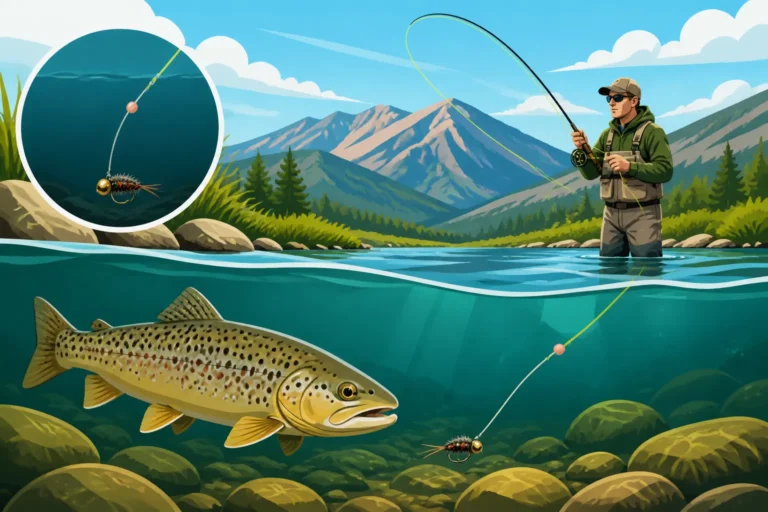
- Delicate Casts: Avoid heavy splashes. Your fly or lure needs to enter the water as softly as possible, mimicking a natural insect or baitfish. Upstream presentations that allow your offering to drift naturally down to the fish are often most effective. For nymphing techniques for Colorado tailwaters, a soft entry and a long, drag-free drift are non-negotiable.
Fly and Lure Selection
When trout are spooky and selective, your imitation needs to be spot-on. They have more time to inspect your offering in clear water, making them pickier.
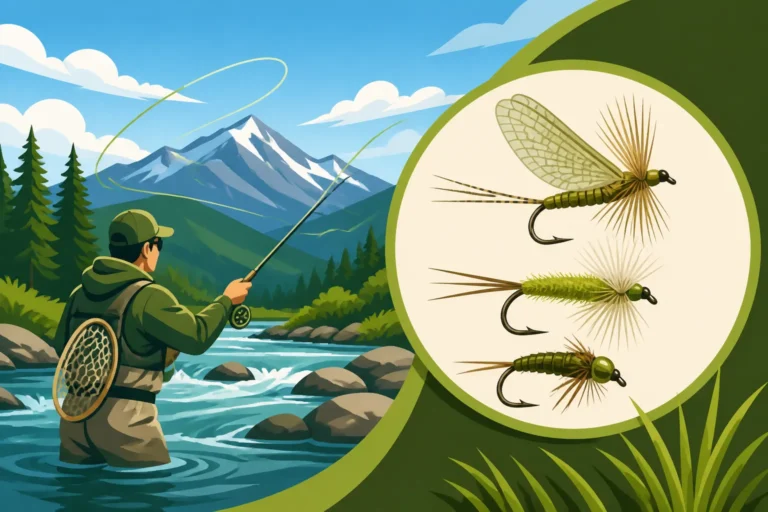
- Go Small: Generally, smaller flies and lures are more effective. Think tiny midges, small pheasant tails, blue-winged olives, or tiny black caddis nymphs. For spin fishing, micro-spoons or small spinners in natural colors are often the ticket.
- Natural Colors: Opt for subdued, natural colors that blend with the environment – browns, olives, grays, and blacks. Bright, flashy colors that might work in off-color water will likely spook fish in clear conditions.
- Match the Hatch: Even if the hatch is sparse, observe what insects (if any) are present on the water or under rocks. Trout will key in on specific food sources. If you're seeing small dark insects, try a midge pattern. For fly selection for Colorado's Blue-Wing Olive hatch, understanding the size and color is key.
- Fluorocarbon Line: Whether fly fishing or spin fishing, fluorocarbon line for your leader or tippet is a game-changer. It’s nearly invisible underwater due to its refractive index being similar to water, and it sinks faster than monofilament, which can be beneficial for getting nymphs down quickly.
Timing Your Attack
The time of day can make a massive difference when fishing low, clear water.
- Dawn and Dusk: These are prime times. The low light conditions make trout feel more secure and less visible to predators. They’ll often move out of their deep hiding spots to feed more actively in shallower water. The cooler air temperatures at these times also help drop water temperatures slightly, making fish more comfortable.
- Cooler Parts of the Day: If fishing during daylight hours, focus on early mornings, late evenings, or even overcast days. Avoid the brutal midday sun, especially in summer. This applies whether you're fly fishing or using spin gear. For example, the Best Time of Day to Fish a Colorado Tailwater in Summer is almost always in the first few hours after sunrise or the last few before sunset.
- Post-Rainfall: A gentle, prolonged rain can sometimes temporarily raise water levels and add a slight stain to the water, making fish less wary. However, heavy rains can muddy the water too much or cause dangerous flash floods, so always check conditions carefully. Conversely, if there's a serious drought, be aware that Colorado might close rivers early during drought years to protect the fish population.
Conservation and Ethics in Low, Clear Conditions
Fishing in low, clear water isn't just about technique; it's also about responsibility. These conditions place significant stress on trout, and our actions as anglers can have a profound impact on their survival. It’s essential to prioritize the fish's well-being, especially on heavily fished waters or during sensitive times.
Minimizing Stress on Trout
When water levels are low and clear, trout are already under duress. Higher water temperatures mean lower dissolved oxygen, and being caught adds intense physiological stress. If you plan to fish during these vulnerable times, commit to best practices for catch-and-release.
- Handle Fish as Little as Possible: The less a fish is out of water and handled, the better its chances of survival. Try to unhook them in the water.
- Wet Your Hands: Always wet your hands before touching a fish. Dry hands can remove the protective slime coat, making the fish susceptible to disease.
- Use Barbless Hooks: Barbless hooks make unhooking much quicker and easier, reducing injury to the fish. In many Gold Medal Waters across Colorado, barbless hooks are actually a legal requirement, as noted in the Colorado Fishing Regulations Every Angler Should Know.
- Avoid Long Fights: While tempting to play a big fish to exhaustion, try to land it quickly. A prolonged fight, especially in warm water, can be fatal. If a fish is lethargic after release, hold it gently in the current until it regains its strength and swims away on its own. Understanding how to handle trout for a safe release is vital for preserving our fisheries.
- Consider Not Fishing at All: During extreme conditions, such as prolonged heatwaves where water temperatures exceed 68°F (20°C), it might be best to put the rods away and enjoy other outdoor activities. Fishing in these conditions can be a death sentence for caught trout, even if they appear to swim away. Check local regulations and advisories from Colorado Parks and Wildlife (CPW), as they often issue voluntary or mandatory closures during extreme heat or drought.
Respecting the Resource
Beyond direct fish handling, practicing good angling ethics ensures the sustainability and enjoyment of Colorado's fisheries for everyone.
- Leave No Trace: Pack out everything you pack in, and perhaps even a little more. This includes discarded fishing line, food wrappers, and any other litter. Our pristine rivers and lakes deserve to remain that way.
- Be Mindful of Other Anglers: Low, clear water conditions often concentrate fish into fewer holding lies, which can lead to more crowded fishing spots. Give other anglers ample space, especially when approaching a popular run or pool. A friendly wave and a question about where they're heading can go a long way in avoiding conflict.
- Report Concerns: If you observe illegal activities like snagging, poaching, or excessive litter, report it to Colorado Parks and Wildlife. They are our frontline guardians of the state's natural resources.
Fishing in low, clear water might be tough, but it’s incredibly rewarding when you unlock the puzzle. By understanding trout behavior, adapting your approach with stealth and precision, and always prioritizing conservation, you can still have fantastic days on Colorado’s stunning rivers and lakes.
Disclaimer
The information provided in this guide is for general informational purposes only. Fishing conditions in Colorado can change rapidly due to weather, water management, and other environmental factors. Always consult the most current Colorado Parks and Wildlife regulations and local advisories before heading out on the water. Stay safe and fish responsibly.