Where Trout Hold During High Water
There’s nothing quite as frustrating as showing up at your favorite Colorado river, ready for a day of peaceful angling, only to find the water a raging, chocolate-milk torrent. High water can make finding trout feel like an impossible task, turning a relaxing outing into a bewildering scavenger hunt. But don't despair! Trout are still in there, and with a little knowledge of where they hide when the flows get heavy, you can turn a challenging day into a rewarding one. This guide will walk you through exactly where trout tuck themselves away during high water conditions.
Understanding High Water Conditions in Colorado
Before we can effectively find trout during periods of elevated flows, it’s crucial to understand what causes these conditions and how they fundamentally alter the river environment. High water isn't just about more water; it's about a complete shift in the aquatic ecosystem that trout call home.
What Causes High Water and When to Expect It
In Colorado, high water is primarily a seasonal phenomenon, though it can also be triggered by sudden weather events. The most common cause is the annual spring runoff, often discussed in detail in guides like When Colorado's Spring Runoff Hits and How to Fish Around It. As the vast snowpack in the high country begins to melt with warmer temperatures, usually from late April through early July, rivers and streams swell dramatically. This isn't a gradual process; it can happen quickly, turning a fishable stream into an impassable deluge overnight.
Beyond spring runoff, intense rainstorms, especially during the summer monsoon season, can cause flash floods and rapid increases in river levels. This is particularly common in burn scar areas or steep canyons where water has nowhere else to go. Another significant factor, particularly on regulated rivers, is dam releases. Sometimes, reservoirs need to release water to manage levels, creating sudden surges downstream that mimic natural runoff conditions. Knowing the local forecast and checking dam release schedules can give you a heads-up. Guides like Why Colorado Rivers Run High and Muddy in Late May delve deeper into these seasonal changes.
How High Water Changes the River Environment
When flows increase, the river transforms. Firstly, the sheer volume and velocity of the water escalate dramatically. What was once a gentle current becomes a powerful force capable of moving large debris and eroding banks. This increased current makes it incredibly difficult for trout to hold their position, as they are cold-blooded creatures that prioritize conserving energy. Fighting a constant, strong current expends vital calories they need for survival and growth.
Secondly, turbidity often skyrockets. The churning water picks up sediment, silt, and organic matter from the riverbed and banks, turning crystal-clear water into a cloudy, often muddy, soup. This reduces visibility for both fish and anglers. While it might seem like a disadvantage, it can actually make trout less wary, as they can't see predators or anglers as easily. Lastly, water temperatures can fluctuate. During snowmelt runoff, the influx of cold mountain water can drop river temperatures, slowing down trout metabolism. Conversely, after a warm rainstorm, the water might actually be slightly warmer than usual, briefly increasing trout activity.
The Impact on Trout Behavior and Feeding
These environmental shifts force trout to adapt their behavior immediately. Their primary goal becomes survival: finding shelter from the relentless current and securing food without expending too much energy. They instinctively move out of the main, fast-moving channels. Instead of holding in their usual feeding lanes, they seek refuge in slower, calmer water. This could be anything from deep pools to tight pockets behind obstructions.
Their feeding behavior also changes. With reduced visibility and faster currents, trout are less likely to chase down individual insects or small prey. Instead, they position themselves in ambush points where food, dislodged by the high water, is swept directly to them. This makes their feeding more opportunistic and less selective. While it's harder to find them, once you do, they might be more inclined to strike at a well-presented fly or lure because the abundance of natural food makes them less wary and more focused on easy meals.
Prime Holding Lies for Trout in High Water
When the river swells, trout don't vanish; they simply relocate to specific areas where they can find respite from the powerful currents and access food without fighting the flow. Understanding these prime holding lies is key to successfully fishing high water.
Targeting Current Seams and Eddies
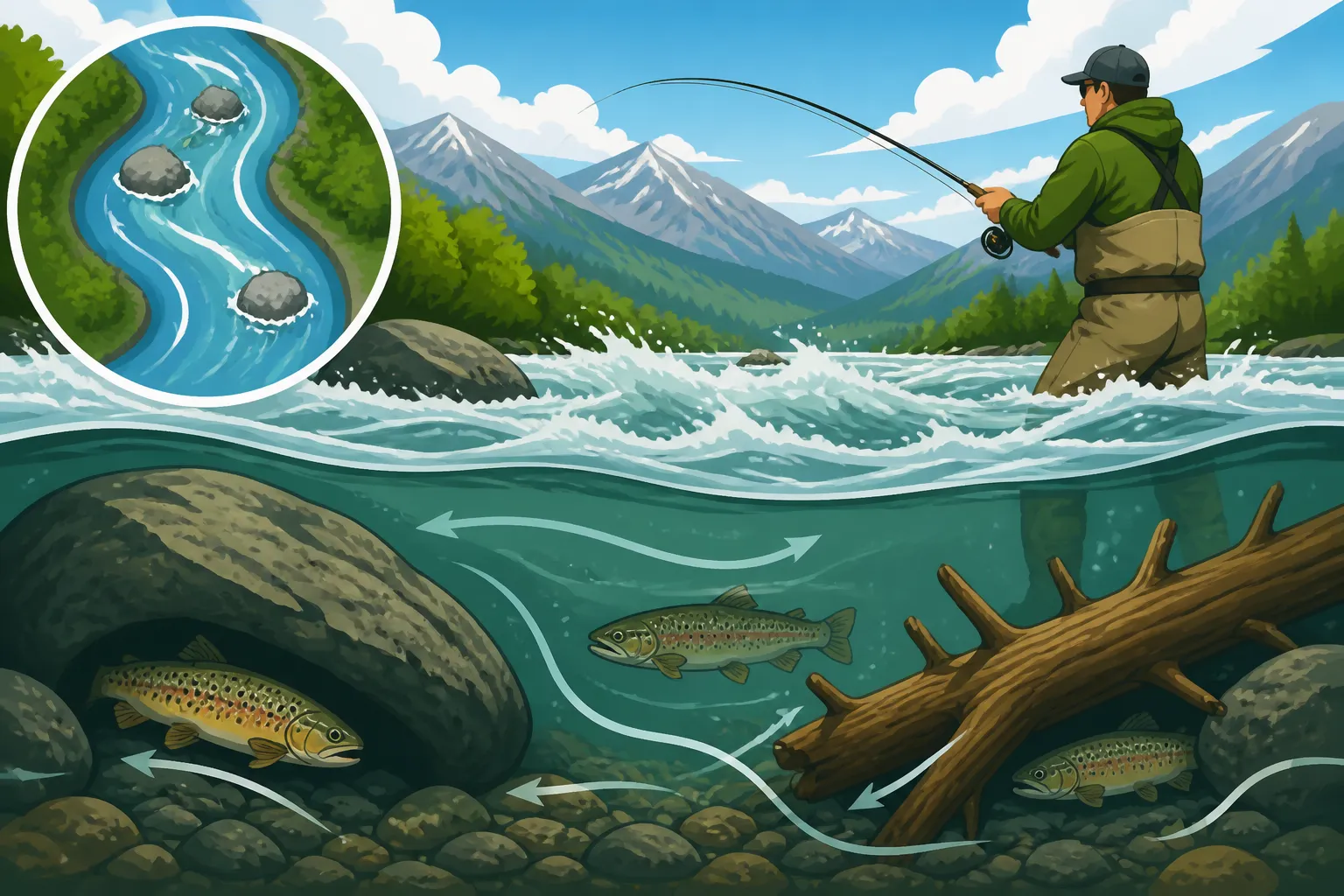
Current seams are your absolute best friends during high water. These are the visible lines in the water where fast current meets slower water. Trout love these spots because they can sit in the slower water, expending minimal energy, while waiting for the faster current to deliver food right to their noses. Think of it as a buffet line where they don't have to move to eat. These seams often form behind large boulders, fallen trees, or along the edges of submerged structures.
Eddies, which are circular currents of slower water, are also goldmines. They form downstream of significant obstructions, creating a pocket of calm where trout can rest, yet still have access to food being swept around the obstruction. Look for visible boils or swirls of slower water. The transition zone where the eddy meets the main current is often a prime feeding lie. Even small changes in riverbed topography can create these vital seams and eddies. Keep an eye out for any noticeable breaks in the surface flow, especially if the water is turbid, as this indicates a current differential.
Identifying Structure and Cover
Beyond current breaks, trout desperately seek out physical structure and cover during high water. These features provide a dual benefit: protection from the current and a sense of security from predators. Large boulders, for instance, create a "pressure cushion" on their downstream side, allowing trout to hold comfortably in much less turbulent water. The bigger the rock, the larger the calmer water pocket.
Fallen trees and submerged root wads are also incredible hiding spots. Not only do they break the current, but they also offer overhead cover, making trout feel safe. These natural debris piles can be absolute magnets for fish, though they can also be challenging to fish without getting snagged. Undercut banks are another prime example. As the river erodes its banks, it creates hollowed-out sections beneath the surface, offering deep, protected sanctuaries where trout can escape the main current entirely. These areas often have slower, deeper water right against the bank. Even deep pools, which provide significant depth and therefore slower currents at the bottom, become critical holding lies. Trout will often drop into the deepest parts of these pools during high flows.
The Importance of River Banks and Margins
It might seem counterintuitive to fish right along the bank when the river is roaring, but the margins of the river are often key holding areas during high water. The current is almost always slowest closest to the banks due to friction. Trout will move into these calmer, shallower areas, sometimes in surprisingly skinny water, to escape the main force of the river. This is particularly true if there's overhanging vegetation, submerged grass, or any sort of bankside cover.
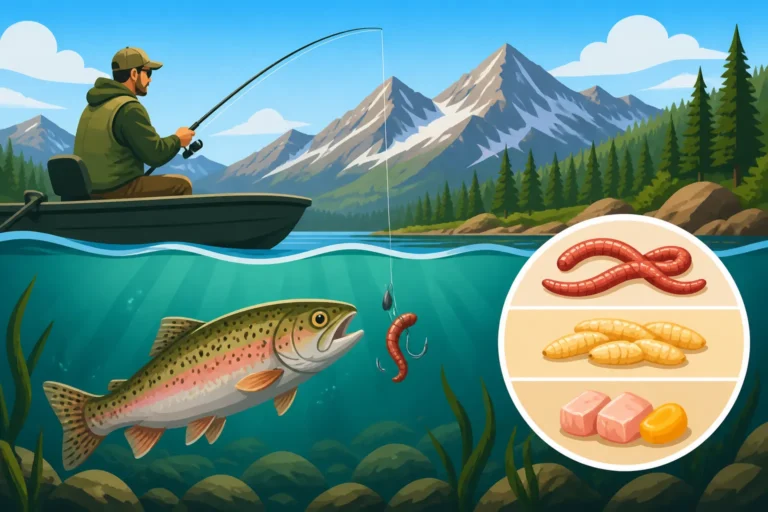
These margins also act as natural food delivery systems. High water washes insects, worms, and other terrestrial food sources off the banks and into the river. Trout positioned close to the edge can pick off these easy meals without having to fight into the main current. This behavior can make fishing the edges incredibly productive. Pay close attention to any small depressions, fallen branches, or even subtle changes in the bank contour that might create a momentary slow spot. When flows are truly raging, these narrow, often overlooked strips of calmer water can hold the vast majority of the river's fish.
Tactical Approaches for High Water Fishing
Successfully fishing high water requires a significant shift in your approach. You can't use the same tactics you would on a clear, low-flow day. It demands different gear, specific presentation techniques, and a keen awareness of safety.
Choosing the Right Gear and Rigging
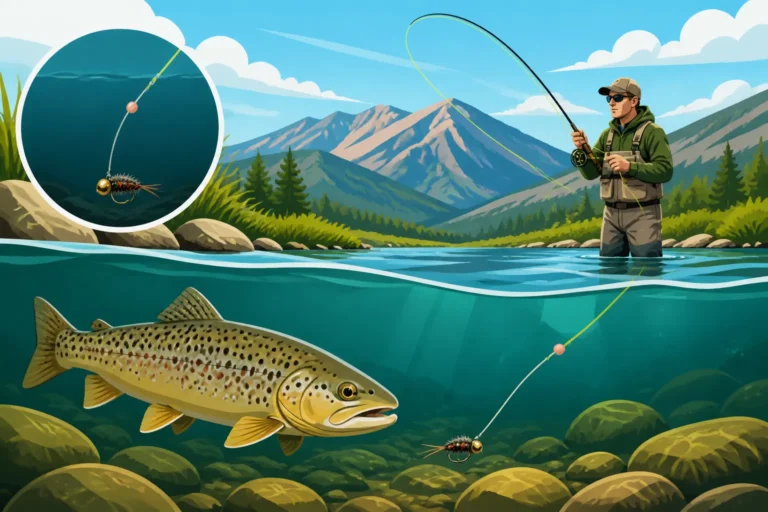
When facing high, fast water, your gear needs to be up to the task. For fly anglers, this often means moving to a heavier fly rod, typically a 6- or 7-weight, to better cast heavier rigs and fight larger fish in strong currents. You'll also need heavier leader and tippet material, perhaps 0X or 1X, as trout won't be as line-shy in turbid water, and you'll need the strength to handle the fight in heavy current.
The most critical component of your rig will be weight. To get your flies down to where the fish are holding, you’ll need a lot more weight than usual. This means larger split shot, weighted flies, or even adding extra lead to your leader. A dedicated article on What Split Shot Size Works Best in Fast Colorado Currents can offer detailed advice on this. For spin anglers, heavier lures that can sink quickly and maintain depth, like inline spinners or spoons, are ideal. Consider upgrading your line strength as well to avoid break-offs on potential snags or with larger, powerful trout. Having a strong, reliable net is also essential for landing fish safely in powerful currents, reducing stress on both you and the fish. Many quality options are available on Amazon that fit this requirement.
Presentation Techniques for Challenging Currents
Your presentation in high water must be precise and intentional. Trout are tucked into specific holding lies, and your offering needs to get directly to them. This means focusing on short, controlled drifts if you're fly fishing. Instead of long, drag-free drifts across multiple current seams, you'll be targeting small pockets of slower water. High-stick nymphing, where you keep as much line off the water as possible to prevent drag, becomes invaluable. Guides on How to Set Up a Nymph Rig for a Deep Tailwater Run can give you a head start on proper weighting.
For both fly and spin anglers, getting your offering deep is paramount. Trout are typically hugging the bottom in high water. Use enough weight to ensure your flies or lures are bouncing along the riverbed. When streamer fishing, focus on slower, more methodical retrieves, allowing the current to impart action. Consider using patterns in brighter or more contrasting colors, which can stand out better in murky water, as suggested in Best Streamer Colors for Murky Colorado Water. Covering water methodically is also key; make sure you thoroughly fish each potential holding lie before moving on. Don't be afraid to cast into surprisingly shallow water right along the bank, as these often hold fish seeking refuge.
Safety Considerations During High Water
Fishing high water is not without its risks, and safety should always be your top priority. The powerful currents can be deceptive and dangerous. Always wear a wading belt, which can help prevent water from filling your waders if you fall, and use a sturdy wading staff for balance and to probe depth before taking a step. Studded wading boots offer superior grip on slick, algae-covered rocks, significantly reducing your risk of slipping. You can find excellent studded wading boots and wading staffs on Amazon, designed for these challenging conditions.
Never wade into water that feels too strong or too deep for your comfort level. If you can't see the bottom, proceed with extreme caution or avoid wading altogether. Even experienced anglers can be caught off guard by the power of high water. It’s always safer to fish with a buddy, especially during challenging conditions. Rivers can become dangerously unpredictable during heavy runoff or after significant rainfall, as highlighted in Why Colorado Rivers Get Dangerous During Afternoon Storms. Staying safe means respecting the river's power and knowing your limits. For more comprehensive advice, refer to resources like How to Stay Safe Wading Fast Colorado Currents.
Where to Find High Water Opportunities
While high water can make fishing challenging, it doesn't mean you have to hang up your waders. Some types of rivers and specific locations actually offer excellent opportunities during these elevated flows, especially if you know where to look.
Tailwaters vs. Freestone Rivers in Runoff
One of the most critical distinctions to make during periods of high water is between freestone rivers and tailwater fisheries. Freestone rivers, which are fed directly by snowmelt and rainfall, are often the first to experience dramatic increases in flow and turbidity during spring runoff or heavy rains. Their levels and clarity can fluctuate wildly, making them very challenging to fish consistently. Trout in freestones will move to extreme margins, eddies, and large slow pools.
Tailwaters, on the other hand, are rivers that flow out of the bottom of a large dam. The dam acts as a filter, regulating both water flow and temperature. As a result, tailwaters often remain relatively clear and at more stable temperatures even when the freestones around them are raging. This makes them significantly more predictable and often more productive during high water events. Trout in tailwaters may still move to slower currents, but their environment is generally less chaotic. It's Why Tailwaters Fish Better Than Freestones During Runoff is a commonly understood piece of wisdom among experienced anglers. This consistency makes them prime targets for Fishing Colorado's Tailwaters During Spring Runoff.
Specific Colorado Rivers Known for High Water Fishing
While individual conditions vary, certain Colorado rivers and their sections are known for offering decent fishing even during high flows. The Arkansas River, particularly its upper and middle sections, can fish well after peak runoff subsides, as trout stack up in pocket water. The South Platte River, especially its tailwater sections like Deckers or the Dream Stream, often remains fishable due to dam regulation. The Fryingpan River, another famous tailwater, is known for its consistent flows and large trout even when other rivers are blown out.
Even some freestone rivers, once the initial "chocolate milk" phase passes and flows begin to drop and clear slightly, can become excellent. Fish that have been hunkered down will start to spread out and feed aggressively. Locations with significant large structure, like the upper Colorado River or some stretches of the Gunnison River, will always have deeper, slower pockets where trout can hide. Always consult local fly shops for the most current conditions and hot spots, as they have boots on the ground knowledge of which rivers are fishing well, as detailed in guides like What to Fish During Colorado's Spring Runoff.
Leveraging Resources for Real-Time Flow Data
To maximize your chances of success and ensure your safety, it's absolutely essential to consult real-time flow data before heading out. The United States Geological Survey (USGS) maintains a network of stream gauges across Colorado that provide up-to-the-minute flow rates (measured in cubic feet per second, or CFS) and historical data. Learning to interpret these graphs will tell you if the river is rising, falling, or holding steady, and how current flows compare to historical averages.
In addition to USGS, Colorado Parks and Wildlife (CPW) offers a wealth of information, including stocking reports and general conditions. Resources like What Colorado's Fishing Atlas Shows You can help you locate access points and understand regulations for specific waters. Many local fly shops also publish daily river reports online or through social media, providing invaluable firsthand accounts of clarity, temperature, and what flies or lures are working. By combining these resources, you can make informed decisions about where and when to fish during challenging high water periods, ensuring you're always aware of current conditions and any Colorado Fishing Regulations Every Angler Should Know.
| High Water Holding Lie | Why Trout Hold Here | Fishing Tactics |
|---|---|---|
| Current Seams | Provides a break from fast current while still allowing easy access to food washing down the main flow. Conserves energy. | Target the slower side of the seam. Use weighted nymphs or streamers with short, precise drifts. Spin anglers use jigs or lures that hold depth in slower water. |
| Eddies | Offer a complete refuge from the main current, creating a calm pocket for rest and opportunistic feeding. | Cast into the eddy's slower water, allowing your offering to circulate naturally. Work the seam where the eddy meets the main current. |
| Behind Large Rocks/Structure | Creates a "pressure cushion" of slower water directly downstream. Provides physical barrier from current and visual cover. | Cast upstream of the structure, allowing your offering to drift into the calmer water behind it. Ensure your rig gets deep quickly. |
| Undercut Banks | Deep, sheltered areas beneath the bank provide excellent cover and protection from current and predators. Food often washes along the bank. | Make precise casts right against the bank, letting flies/lures drift naturally into the undercut. This can be tricky to avoid snags, so be prepared. |
| Deep Pools | The sheer depth reduces current velocity at the bottom, offering a safe, low-energy holding zone. | Fish the deepest parts of the pool. Heavy nymph rigs, streamers, or jigs are essential to get down to the fish. Slow, methodical retrieves are often effective. |
| River Banks/Margins | Current is slowest along the edges due to friction. Terrestrial insects and worms are often washed off the bank into these areas. | Fish very close to the bank, even in shallow water. Short casts and careful wading are required. Look for areas with overhanging vegetation or submerged debris for extra cover. |
Disclaimer
The information provided in this guide is for general informational purposes only and is subject to change. River conditions in Colorado can be highly dynamic, especially during periods of high water, and may change rapidly. Always consult the latest regulations from Colorado Parks and Wildlife, check real-time streamflow data, and consider seeking local expert advice from fly shops or guides before heading out. Fishing in high water can be dangerous, and personal safety should always be your utmost priority.