Best Colorado Rivers to Fish in June
Ah, June in Colorado! For many anglers, it's a month of pure anticipation, but also a fair bit of frustration as spring runoff can turn once-pristine rivers into raging, muddy torrents. Trying to figure out where to cast your line when half the state's rivers are blown out can feel like a real puzzle. This guide is all about helping you navigate those conditions, providing you with the inside scoop on the best Colorado rivers to fish in June, ensuring your rods bend and your spirits soar, no matter what Mother Nature throws our way.
Navigating June's Runoff Realities
Colorado is famous for its stunning mountain rivers, but come June, these waterways often enter their annual high-water phase known as "runoff." This phenomenon, fueled by melting snowpack, significantly impacts fishing conditions across the state. Understanding how runoff works and its effects is crucial for planning successful angling trips during this dynamic month.
Understanding Spring Runoff Dynamics
Runoff isn't just a sudden surge of water; it's a complex process that depends heavily on the previous winter's snowpack and ambient temperatures. Early June usually sees the peak of runoff in many lower and mid-elevation freestone rivers, meaning those rivers that aren't controlled by a dam. The water levels rise dramatically, increasing current speeds, lowering water temperatures, and often reducing clarity to near zero. What might have been a crystal-clear stream in May can become a chocolate milk river in a matter of days. This makes fly fishing incredibly challenging, as trout struggle to see flies and holding spots become difficult to access or even identify. It's easy to get discouraged when your favorite local spot looks like a scene from a disaster movie.
However, the timing and intensity of runoff can vary wildly year to year and even week to week. A warm spell can accelerate the melt, while a cool front might temporarily slow it down. Knowing the historical patterns of a river, and checking real-time streamflow gauges (like those from the USGS), is your absolute best friend. During this period, the river's character changes almost daily, so flexibility and up-to-date information are key. Anglers often find that in high runoff years, the season for ideal freestone fishing gets pushed later into July, while lighter snow years might see rivers clear up earlier. If you're looking for more general information on how this affects your fishing plans, our comprehensive guide on when Colorado's Spring Runoff Hits and How to Fish Around It will be incredibly helpful.
Why Tailwaters Offer a June Advantage
While freestone rivers are battling the forces of nature, Colorado's numerous tailwaters become an angler's paradise. Tailwaters are rivers that flow directly out of the bottom of a large reservoir or dam. The beauty of these systems is that the water released from the dam is typically consistent in temperature and flow, regardless of what's happening upstream or with the weather. The massive reservoir acts as a natural settling pond, holding back the silt and debris from melting snow, which means the water downstream is usually clear and cold—ideal conditions for trout.
The consistent environment in tailwaters also promotes stable insect hatches, making it easier to "match the hatch" or present subsurface patterns with confidence. Fish in tailwaters are often well-fed and grow to impressive sizes due to the abundance of food. This regulated environment makes them much more predictable and fishable during the high runoff period, offering a stark contrast to the turbulent freestones. It's not uncommon for anglers to completely switch their focus to tailwaters during June, knowing they offer the highest probability of success for trout. It's a prime example of how different river systems react to the same seasonal pressures.
Tailwaters: Your Best Bets for June Trout
When the mountains are roaring with snowmelt, Colorado's tailwaters shine like beacons for trout anglers. These rivers, fed by cold, clear water released from deep reservoirs, provide remarkably consistent conditions, even when their freestone counterparts are unfishable. If you're chasing trout in June, these are the places you'll want to focus your efforts.
The Fryingpan River Below Ruedi Reservoir
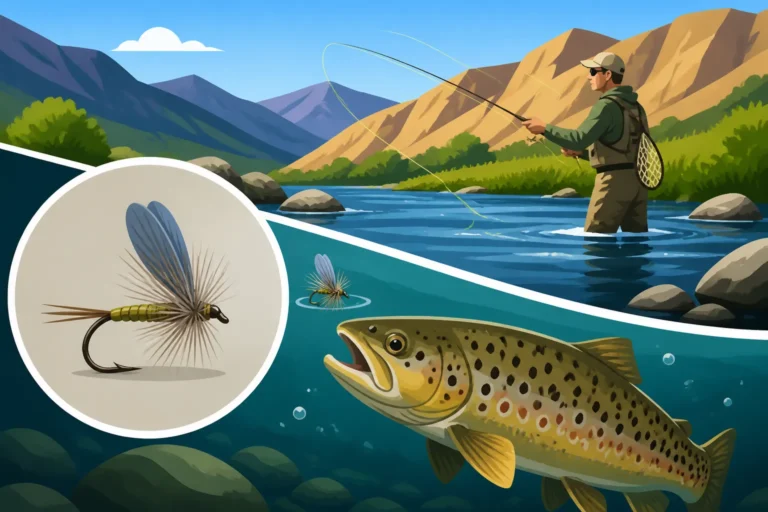
The Fryingpan River, flowing out of Ruedi Reservoir near Basalt, is arguably one of Colorado's most famous and consistent tailwaters, especially during runoff. Known for its gin-clear waters and an abundance of large, selective trout, the "Fryingpan" maintains steady flows throughout June, typically unaffected by the chaotic runoff elsewhere. This stability provides ideal conditions for prolific midge and Blue-Winged Olive (BWO) hatches, even if the surrounding freestone rivers are high and muddy. You can often find incredible nymphing action in the deep runs and pockets, while patient anglers might even be rewarded with dry fly opportunities during calmer periods.
Fishing the Fryingpan often requires delicate presentations and small fly patterns due to the clear water and discerning trout. Sizes 20-24 midges, small BWO nymphs and emergers, and tiny mysis shrimp patterns (especially closer to the dam, where the Mysis shrimp are flushed through) are typical arsenals. Many anglers swear by a tandem nymph rig with a tiny split shot, carefully drift-fished through the river's legendary "Toilet Bowl" area. This section, just below the dam, is famed for holding a tremendous number of large fish. However, be prepared for company, as its reputation draws crowds. For more detailed information, our post on Fishing the Fryingpan River Below Ruedi Reservoir offers an even deeper dive into this renowned fishery.
The Blue River in Silverthorne
Another fantastic option during June's runoff is the Blue River, particularly the stretch that flows through Silverthorne and down towards Green Mountain Reservoir. This tailwater, released from Dillon Reservoir, provides cold, clear water year-round. While the Blue River can sometimes experience increased flows if Dillon Reservoir is releasing a lot of water, it rarely gets the "chocolate milk" murkiness of a freestone river. The consistent temperatures and nutrient-rich water support a healthy population of trout, including some truly impressive brown and rainbow trout.
Nymphing is usually the most productive method on the Blue River in June. Deep runs, current seams, and slower pockets behind large rocks are prime holding water. Focus on larger stonefly nymphs, Caddis larvae, and various midge patterns. Streamer fishing can also be incredibly effective, especially after a rise in flow or during overcast conditions, targeting those larger predatory brown trout. Access to the Blue River is quite good, with numerous public parking areas and walkable stretches along the river in and around Silverthorne. Just be mindful of private property, as some sections are bordered by residences. Our guide to Fishing the Blue River in Silverthorne provides more localized tips and access information for this beautiful stretch of water.
The South Platte River: Dream Stream and Cheesman Canyon
The South Platte River, particularly the famous "Dream Stream" between Spinney Mountain and Eleven Mile Reservoirs and the technical waters of Cheesman Canyon, offers exceptional fishing in June. These stretches are regulated by reservoirs, ensuring consistent flows and clear water, making them ideal runoff refuges. The Dream Stream is a wide, meandering section known for its prolific hatches and large trout, while Cheesman Canyon offers a more rugged, challenging, and equally rewarding experience.
On the Dream Stream, anglers often find success with long leaders and careful presentations, targeting cruising fish during hatches of midges, small Caddis, and occasional Blue-Winged Olives. Nymphing with imitations of these insects, as well as an egg pattern, can be deadly effective. Wade fishing is popular here, but stealth is key due to the clear water and educated fish. For Cheesman Canyon, it's a different beast—a steep-walled canyon with a challenging trail, but the reward is pristine water and wild, robust trout. The canyon demands technical nymphing skills and precise casts. Given the clarity and pressure, fluorocarbon tippet (like Seaguar or Rio, which you can easily find on Amazon) is often a necessity here to fool the discerning trout. For an in-depth look at these famed waters, check out our articles on Fishing the Dream Stream Between Spinney and Eleven Mile and Fishing Cheesman Canyon on the South Platte.
The Taylor River Below Taylor Park Reservoir
Nestled high in the mountains near Almont, the Taylor River below Taylor Park Reservoir is another prime tailwater destination for June. This river is renowned for its incredibly cold, highly oxygenated water and the monster trout it produces, particularly below the dam. The water here stays consistently cold, which can mean slower fish activity in the mornings but often leads to strong feeding windows as the day progresses and insect activity increases.
Due to the cold water and the immense size of some of the fish, larger mysis shrimp patterns are a staple, often fished under an indicator with ample weight to get down to the bottom. Small midge patterns, especially black or olive, are also crucial. While the fish here are known for their size, they can also be notoriously picky. Light tippets (5x-6x) are often required, even for big fish, making for an exciting challenge. Access directly below the dam can be limited to specific regulations, so always consult the latest Colorado Fishing Regulations Brochure to understand the rules for this trophy fishery. Further downstream, the river opens up, offering more diverse nymphing and some dry fly opportunities as hatches of Caddis and Mayflies become more prevalent away from the immediate dam influence.
High Country Gems: Lakes and Headwaters Opening Up
While lower elevation rivers are still in the throes of runoff, June marks the beginning of the high country season in Colorado. As the snow recedes and ice melts from alpine lakes and remote headwater streams, a whole new world of angling opportunities opens up, often with breathtaking scenery and eager, wild trout.
Alpine Lake Ice-Out Fishing
Mid to late June often signals "ice-out" for many of Colorado's accessible alpine lakes. This period immediately after the ice melts is often incredibly productive, as trout that have been trapped under ice for months become voracious feeders. These high-altitude lakes, often accessible via scenic hikes, are typically brimming with eager cutthroat, brook, and sometimes rainbow trout. The lack of heavy fishing pressure early in the season also contributes to their readiness to strike.
During ice-out, trout will cruise the shorelines and shallows, feeding on anything they can find. Small spinners (like Panther Martins or Mepps, which are popular choices and readily available on Amazon), spoons, and flies imitating leeches, aquatic insects, or even terrestrial bugs that have fallen into the water are highly effective. For fly anglers, fishing woolly buggers, damselfly nymphs, or even a simple dry-dropper rig with a foam beetle and a small nymph can yield fantastic results. The weather in the high country can be unpredictable, even in June, so always be prepared for changing conditions, including sudden thunderstorms or even late-season snow flurries. Checking local trail conditions and weather forecasts is vital before venturing into these remote areas.
Freestone Headwaters and Small Streams
As runoff recedes from the highest elevations, the small, intimate headwater streams that feed into larger rivers begin to become fishable by late June. These streams are usually much smaller in volume and clear up faster than the main river channels. They offer a completely different experience: often less crowded, surrounded by stunning wilderness, and filled with aggressive, wild trout that aren't nearly as selective as their tailwater cousins. Species like brook trout and various subspecies of cutthroat trout (including the Colorado River Cutthroat Trout and Rio Grande Cutthroat Trout) thrive in these environments.
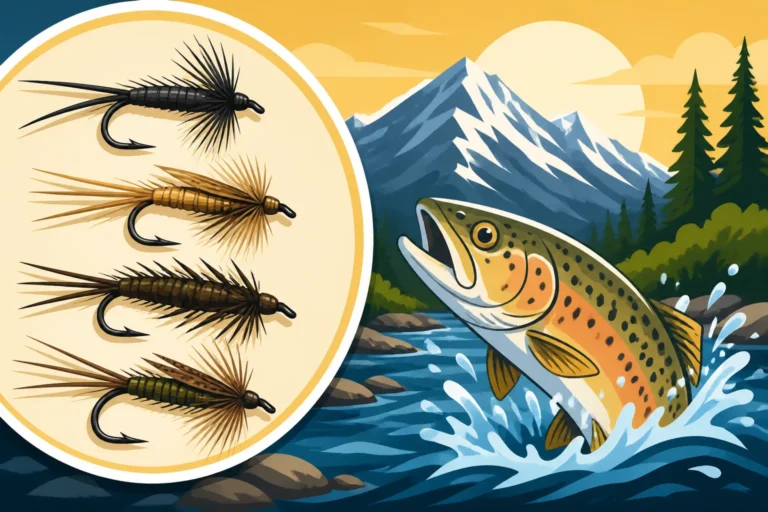
Fishing these small streams is often a game of stealth, short casts, and quick strikes. Dry flies, especially attractor patterns like Royal Wulffs, Stimulators, or Elk Hair Caddis, are incredibly effective. The trout here are less concerned with exact imitation and more with a visible, edible-looking meal. A simple dry-dropper rig, with a small bead-head nymph trailing a buoyant dry fly, is a perfect setup. Access usually involves hiking, sometimes off-trail, making these spots true adventures. You won't find trophy fish in most of these tiny streams, but the sheer numbers and wild nature of the fish, coupled with the solitude and beauty, make for an unforgettable experience.
Front Range & Eastern Plains: Warmwater and Urban Opportunities
While mountain streams often grab the spotlight for Colorado fishing, the Front Range and Eastern Plains offer excellent, often overlooked, angling opportunities in June. These areas, largely unaffected by mountain runoff, provide consistent warmwater action and accessible trout fishing in urban ponds and larger reservoirs.
Urban Fishing Program Ponds
For those living near Denver or other Front Range cities, the Colorado Parks and Wildlife (CPW) Urban Fishing Program ponds are a fantastic resource in June. These ponds are regularly stocked with rainbow trout throughout the spring and early summer, and they also hold populations of warmwater species like bass, bluegill, and catfish. The beauty of these locations is their accessibility; they are often within city parks, making them perfect for a quick after-work trip or a family outing. They are usually well-maintained and provide designated fishing access points.
Fishing these ponds in June often means targeting stocked trout in the cooler parts of the day (early morning or late evening) with traditional baits like PowerBait, worms, or small spinners. For the warmwater species, soft plastics, jigs, or even simple worms under a bobber can be very effective for bluegill and bass. The CPW provides weekly stocking reports, which can be invaluable for finding recently stocked ponds. Our guide to Best Fishing Lakes Near Denver, Colorado provides a wealth of information on specific locations and what to expect from each. These urban fisheries are a great way to introduce new anglers, especially kids, to the joy of fishing without the need for extensive travel or specialized gear.
Warmwater Reservoirs for Bass, Walleye, and Pike
Beyond the urban ponds, Colorado's Front Range and Eastern Plains are home to numerous large reservoirs that offer premier warmwater fishing in June. Lakes like Chatfield Reservoir, Cherry Creek Reservoir, Pueblo Reservoir, and John Martin Reservoir are excellent for targeting species such as largemouth bass, smallmouth bass, walleye, northern pike, and channel catfish. Unlike trout, these species thrive in warmer water, and June is a prime month as water temperatures climb, making fish more active and aggressive.
For bass, look for structure like submerged brush piles, rock formations, or weed lines. Soft plastics, crankbaits, and topwater lures can be highly effective during this time. Walleye often congregate on main lake points, submerged humps, or near baitfish schools, and can be caught by trolling with crankbaits, jigging with spoons, or drift-fishing with a worm harness. Northern pike are aggressive predators, and large spoons, spinnerbaits, or swimbaits cast into weed beds or along drop-offs can yield exciting battles. Even channel catfish, often overlooked, become very active in June, biting on stink baits, cut bait, or worms fished on the bottom. These larger reservoirs often have excellent boat access, but shore anglers can also find success, especially around rip-rap banks and inlets. Always check the specific regulations for each reservoir, as bag limits and size restrictions can vary for warmwater species. You can find many of these popular lures on Amazon, ensuring you're well-equipped for any species.
Essential Gear and Tactics for June Fishing
Preparing for a June fishing trip in Colorado means being ready for a variety of conditions, from raging runoff to clear tailwaters and sunny, warm reservoirs. Having the right gear and understanding the most effective tactics will significantly increase your chances of success and ensure a more enjoyable outing.
Gear for Varied June Conditions
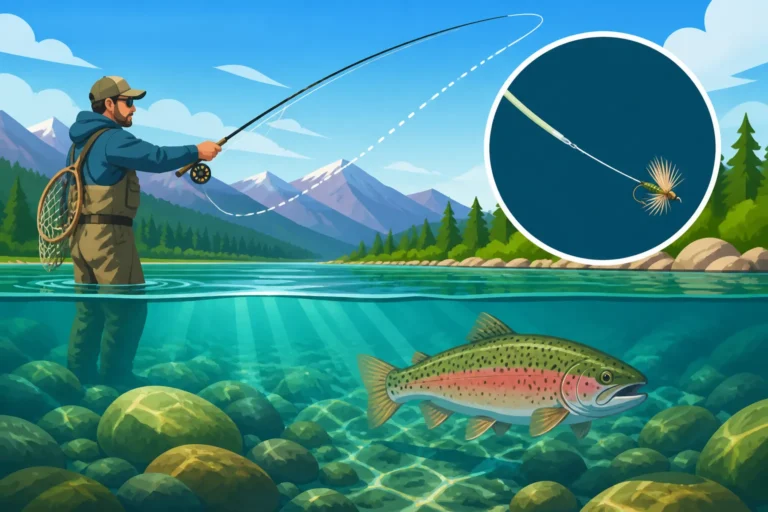
Given the diversity of fishing environments in Colorado during June, a flexible approach to gear is crucial. For tailwaters and high country streams, a lightweight 3- to 5-weight fly rod is generally ideal for delicate presentations and smaller flies. Paired with a floating fly line and a good selection of tippet from 3x to 6x (like the reliable brands you can find on Amazon), you’ll be well-prepared. Waders and wading boots are almost always a must for river fishing, providing warmth and stability, especially in cold June waters. For spin anglers, a light to medium-light action rod with 4-8 pound test line will cover most trout and smaller warmwater scenarios.
When targeting warmwater species in reservoirs, heavier gear might be necessary. A medium to medium-heavy action rod with 10-20 pound test line, or even braided line for pike and bass, will give you the power needed for larger fish and heavier lures. A good pair of polarized sunglasses is indispensable for all types of fishing, helping you spot fish and submerged structure while reducing glare. Don't forget essentials like a net, forceps or pliers for hook removal, sunscreen, and plenty of water. Conditions can change rapidly, particularly in the mountains, so layers of clothing are always a good idea.
Adapting Your Tactics to June Challenges
June fishing often demands adaptability. For tailwaters, nymphing is almost always a primary tactic. Learning effective Nymphing Techniques for Colorado Tailwaters will pay dividends. This involves using indicator rigs, Euro nymphing, or even a simple dry-dropper setup to present flies near the bottom where trout feed. Pay close attention to current seams, eddy lines, and deeper pools where fish will hold out of the main current. Fly patterns should often be small, mimicking midges, small mayflies (like BWOs), or mysis shrimp.
When high-country lakes and streams begin to clear, be prepared to switch to more aggressive tactics. Spinners and spoons are excellent for covering water in lakes, while attractor dry flies or small terrestrial patterns are perfect for small, brushy streams. In Dry Fly Fishing Colorado's Freestone Rivers, we delve into methods for when water levels drop, which is usually later in summer, but those initial tactics can translate to headwater fishing. For warmwater species, June means active fish. Focus on presentations that cover water, like casting and retrieving crankbaits or spinnerbaits for bass and pike. For walleye, slow and methodical jigging or trolling often works best. Regardless of your target, remember that fish activity can peak during low-light hours (dawn and dusk) in June, especially in warmer conditions.
Reading Water and River Conditions
One of the most important skills for June fishing is learning how to "read the water" and interpret river conditions. When rivers are high and off-color from runoff, look for slower-moving water along the banks, behind large rocks, or in eddies. Trout will seek refuge from strong currents and often hold in these less strenuous areas. These softer spots are also where food items tend to accumulate, making them prime feeding lies.
Conversely, in clear tailwaters or high-country lakes, visibility is high, which means fish can be more spooky. Approach these areas cautiously, using longer leaders and finer tippets. Look for subtle movements that indicate a fish, such as a flash of silver or the gentle rise to a bug. Understanding Colorado's Trout Species, A Field Guide will help you anticipate where different species might hold. Always be aware of safety, especially during high water. Fast currents can be dangerous, and submerged obstacles might not be visible. A wading staff can provide crucial stability when navigating uncertain terrain. Being a proactive and observant angler will always lead to more consistent success.
Disclaimer
Fishing conditions in Colorado can change rapidly due to weather, water levels, and conservation efforts. Always consult the most current Colorado Fishing Regulations Every Angler Should Know provided by Colorado Parks and Wildlife before heading out. This guide is for informational purposes only and does not supersede official regulations. Practice catch-and-release, especially for native species, and always respect private property.