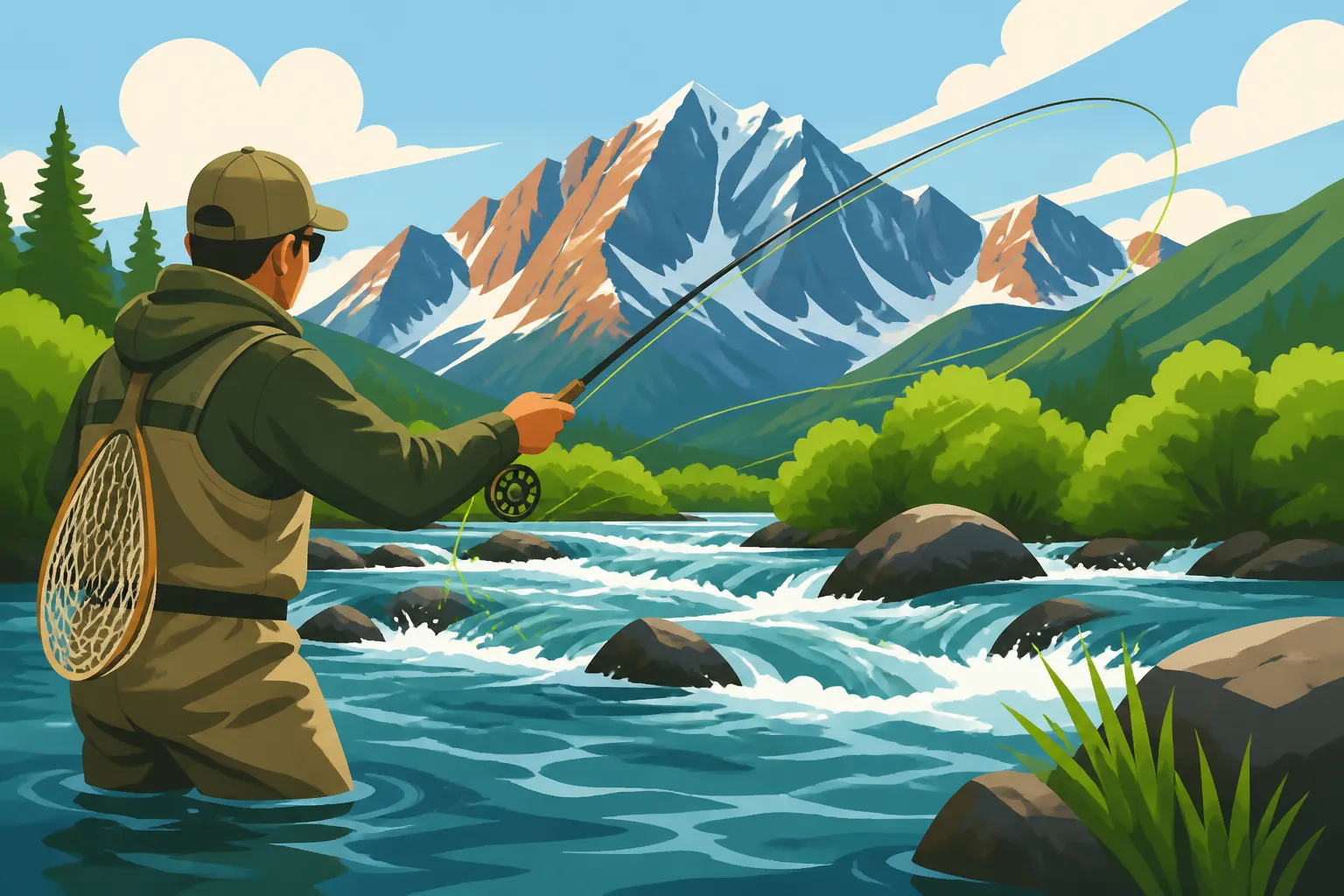
Fishing Colorado’s Tailwaters During Spring Runoff
Oh, Colorado spring runoff. It’s a beautiful, yet often frustrating, time for anglers. Just when you're itching to get out after a long winter, those majestic freestone rivers turn into raging, muddy torrents, making fishing seem utterly impossible. Many an angler has stood by a swollen river, rod in hand, only to sigh and head home. But what if I told you there’s a secret weapon in your arsenal against the runoff blues? This comprehensive guide will dive deep into how to successfully fish Colorado's incredible tailwaters when everything else is high and dirty, turning frustration into fantastic fishing opportunities.
The Annual Challenge of Colorado Spring Runoff
Every year, as the temperatures climb and the sun gains strength, Colorado’s high country begins its majestic thaw. This process, while vital for our water supply, also marks the start of spring runoff, a period that can make traditional river fishing feel like an exercise in futility. Understanding why this happens and how it impacts different types of water is the first step to conquering it.
Understanding the Forces Behind the High Water
Spring runoff in Colorado is primarily driven by the melting of the extensive snowpack that accumulates in the mountains over winter. As spring progresses, warmer temperatures and increased solar radiation cause this snow and ice to melt, sending torrents of water rushing down into streams and rivers. The severity and duration of runoff vary each year, depending on the preceding winter's snow accumulation and the speed of the spring thaw. A quick warm-up can lead to a sudden, intense runoff event, while a more gradual melt might spread the high water out over several weeks.
This influx of water significantly increases both the volume and velocity of the rivers. What might have been a gentle, wadeable stream in early spring can transform into a powerful, dangerous force overnight. The sheer volume of water can scour riverbeds, shift rocks, and carry large amounts of sediment, debris, and even entire trees downstream, fundamentally altering the river's character and making many stretches impossible to fish safely or effectively.
Why Freestone Rivers Become Nearly Unfishable
The term "freestone river" refers to rivers that flow freely, without the regulation of dams. These are the rivers that bear the full brunt of spring runoff. When the melt is on, these rivers swell dramatically, turning from crystal-clear trout havens into opaque, muddy torrents. The clarity, or lack thereof, is often the biggest frustration. Imagine standing on the bank of your favorite stretch of the Arkansas River in May, only to see it resembling chocolate milk, roaring past at an alarming speed. It's a common, heartbreaking sight.
This reduced visibility makes it incredibly difficult for trout to see your flies or bait. Their primary feeding mechanism, sight, is compromised. Furthermore, the sheer force of the current makes it hard for fish to hold in their usual lies. They'll often seek refuge in slower, more protected pockets of water, but even finding these can be a challenge. The increased danger from swift currents and floating debris also makes wading treacherous, if not outright impossible. Many anglers simply give up on freestone rivers during this period, and for good reason—it can be downright dangerous and unproductive. For a deeper dive into the broader impacts of this seasonal shift, check out our guide on When Colorado's Spring Runoff Hits and How to Fish Around It.
The Sanctuary of Tailwaters During Turbulent Times
Here's where the good news comes in: Colorado’s vast network of dams, while interrupting natural river flows, creates incredible fishing opportunities during runoff season in what we call "tailwaters." A tailwater is simply the section of a river directly downstream from a dam or reservoir. These stretches are largely immune to the chaos of runoff because the water released from the dam is regulated. Instead of experiencing the violent, silty surges of a freestone river, tailwaters maintain a relatively consistent flow, temperature, and most importantly for anglers, clarity.
Think of them as nature's perfectly controlled environments, providing a stable habitat for trout even when upstream tributaries are raging. While the flows might increase on a tailwater during runoff season as reservoir managers release water, these changes are typically more gradual and predictable than the sudden, dramatic shifts seen in freestones. This stability means that trout in tailwaters remain active and feeding, offering some of the most consistent fishing in the state during what would otherwise be a challenging time.
Tailwaters: A Different World Below the Dam
Fishing a tailwater during spring runoff is a completely different ballgame than fishing a freestone river. The unique characteristics imparted by the upstream dam create a specialized environment that demands a specific approach and offers distinct advantages.
The Dam's Role in Flow Regulation
The defining feature of a tailwater is the dam itself. These structures control the amount of water released into the river below, effectively buffering the impact of snowmelt and heavy rains. Dam operators manage releases based on a variety of factors, including flood control, irrigation needs, hydropower generation, and maintaining minimum flows for ecological health. This means that while a massive storm might send a freestone river roaring out of its banks, a tailwater downstream might only see a moderate, controlled increase in flow, or even remain relatively stable.
This regulation is a double-edged sword: it offers stability, but it also means that flow rates can change based on human decisions. Before heading out, it’s always wise to check the real-time flow data, often available through resources like the U.S. Geological Survey (USGS) website or directly from the dam operator's page. For instance, the Blue River below Dillon Reservoir or the Fryingpan River below Ruedi Reservoir are classic examples of tailwaters whose flows are actively managed. Knowing the anticipated releases can help you plan your day, ensuring you're not caught off guard by a sudden spike or drop in water levels, which can impact fish behavior and wading safety.
Consistent Temperatures and Their Impact on Trout Metabolism
Another critical advantage of tailwaters during runoff is their stable water temperature. Water released from the bottom of large reservoirs maintains a much more consistent temperature year-round compared to freestone rivers. In the spring, this means the tailwater will often be warmer than icy cold snowmelt, yet cooler than surface water that might heat up too quickly. This thermal stability is a boon for trout.
Trout are cold-blooded, so their metabolism and activity levels are directly tied to water temperature. Volatile temperature swings, common in freestone rivers during runoff, can stress fish and make them less willing to feed. In tailwaters, however, the steady temperatures keep trout metabolically active and eager to eat. This consistency also fosters robust aquatic insect populations, providing a reliable food source. Understanding How Water Temperature Affects Trout Feeding can truly elevate your strategy, as even small temperature variations can dictate where and how actively fish are feeding.
Abundant and Concentrated Food Sources
Tailwaters are often teeming with aquatic life, thanks to the constant flow and stable environment. The deep, still waters of the upstream reservoir act as nutrient traps, and these nutrients are then released downstream, creating incredibly fertile environments for invertebrates. This means tailwaters typically boast prolific hatches of midges, Blue-Winged Olives (BWOs), and caddisflies, even during periods when freestone rivers are too turbulent to support strong insect activity.
Furthermore, the regulated flows can concentrate these food sources and the trout themselves. When flows are consistent, trout don't have to expend excessive energy battling currents or searching far and wide for food. Instead, they can comfortably hold in prime feeding lies, waiting for a conveyor belt of nymphs and pupae to drift right to them. This concentration makes the fish more predictable and often more willing to feed aggressively, making your job as an angler significantly easier. You’re not just hoping to find a fish; you’re often targeting areas where you know fish will be holding because of the consistent food supply.
Assembling Your Tailwater Runoff Arsenal
Successful tailwater fishing during runoff requires a specific set of tools and a strategic approach to tackle the unique conditions. While the water might be clear, the flows can still be strong, demanding robust gear and thoughtful rigging.
Rods, Reels, and Lines for the Conditions
When you're facing potentially heavy flows and trying to sink flies quickly to feeding fish, your standard delicate dry fly setup might not cut it. I generally recommend leaning towards heavier fly rods, typically in the 5- to 7-weight range, for tailwater runoff fishing. A 5-weight can be perfectly adequate for smaller tailwaters or when flows aren't exceptionally high, but a 6- or 7-weight offers more backbone to cast heavy nymph rigs with multiple flies and split shot, and to fight larger trout in strong currents. For more details on choosing the right rod, check out our guide on What Rod Weight Works Best for Colorado Trout Fishing.
Pair your rod with a reliable reel that has a smooth, consistent drag system. While you might not be making long runs in a tailwater, having a good drag is crucial for managing strong fish in swift water, preventing break-offs. As for lines, a weight-forward floating fly line is standard. However, you might consider a nymph-specific taper or a line with a slightly heavier front taper to help turn over those heavier rigs. Some anglers even experiment with sinking leaders or specialized nymphing lines, but a solid weight-forward floating line will serve most situations well. When I need to replace a worn-out line or upgrade to a new rod, I often browse options on Amazon for convenience and selection.
Building Effective Nymphing Rigs
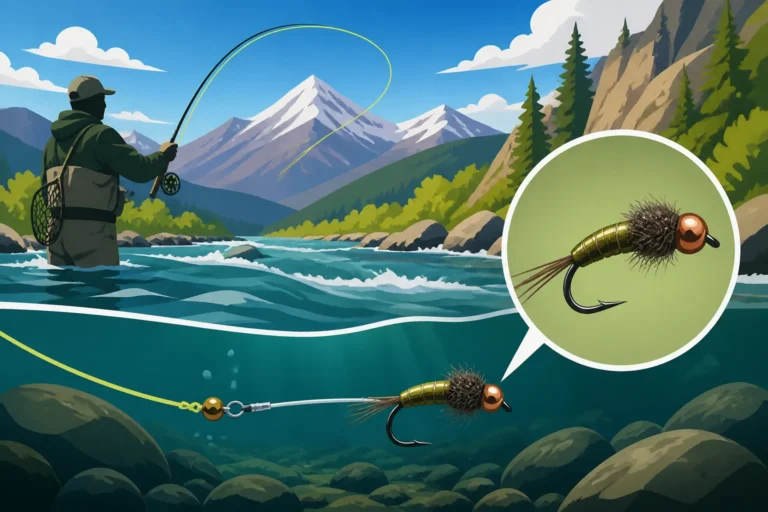
Nymphing is king in tailwaters, especially during runoff. Trout are primarily feeding subsurface, and your rig needs to get down to them quickly and stay in the feeding lane. Your setup will typically consist of an indicator, several split shot, and one or two flies. Building this rig correctly is paramount.
Start with a longer leader, perhaps 9-12 feet, tapered down to a strong tippet section. You'll often be using very fine tippet, like 5X or 6X, to fool selective trout in clear water. For an in-depth tutorial on this, consult our article on How to Set Up a Nymph Rig for a Deep Tailwater Run. Next, you'll strategically add split shot to achieve the desired depth and sink rate. The key here is not just how much weight, but where you place it. Placing heavier split shot closer to the fly can help it sink faster, while distributing smaller weights can give a more natural drift. You might need quite a bit of weight in faster sections, so don't be shy. If you're wondering about specific sizes, we've got a detailed breakdown in What Split Shot Size Works Best in Fast Colorado Currents. Above the split shot, attach a highly visible strike indicator. This could be a foam indicator, a yarn indicator, or even a specialized sighter built into your leader. The indicator's job is not just to signal a bite, but also to help you detect the subtle pauses and movements that indicate your flies are drifting naturally. Don't forget, a good leader is your connection to the fish, and its length matters. Our article on Best Leader Length for Clear Tailwater Water can provide valuable insights into optimal leader setups. For those super spooky trout, you’ll want to review How Fine a Tippet You Need for Selective Tailwater Trout.
Essential Wading Gear and Safety Considerations
Safety in swift, cold runoff water cannot be overstated. High-quality wading gear is not just about comfort; it's about survival. Invest in good breathable waders and sturdy wading boots. If you're fishing fast, rocky, or slippery riverbeds, boots with studded soles or cleats are an absolute game-changer for traction. I once took a nasty spill in a tailwater trying to save a client's net, and believe me, those studded boots would have made all the difference. Read more about this in Do You Need Studded Boots for Icy River Banks?.
A wading staff is another non-negotiable safety item. It provides a third point of contact and helps you feel the bottom before committing your weight. Even in clear tailwaters, the current can be deceptively strong, and the bottom can be uneven or covered in slick algae. Layering your clothing is also critical, as even on sunny spring days, tailwater temperatures can remain quite chilly. Merino wool or synthetic layers that wick moisture are ideal. Finally, if you're float-tubing or fishing from a kayak or drift boat, always wear a personal flotation device (PFD). The water is often cold enough to cause hypothermia quickly, and accidents can happen without warning. Prioritizing safety allows you to focus on the fishing and fully enjoy the experience. To find the right pair, consider exploring the range of options for Best Waders for Cold Tailwater Fishing.
Strategic Nymphing: Unlocking Tailwater Success
Nymphing in a tailwater during spring runoff is a refined art form. It's not just about casting and hoping; it's about precision, observation, and constant adjustment. When the currents are pushing hard, every detail of your presentation matters.
Reading the Water: Where Trout Hold
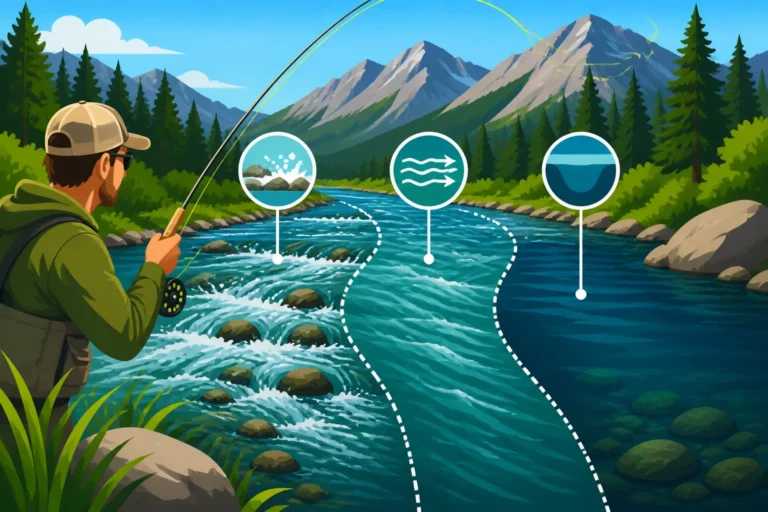
Unlike the chaotic current of a freestone river during runoff, tailwaters, while still powerful, offer more predictable holding lies for trout. Fish, by nature, are energy efficient. In strong currents, they will seek out areas where they can hold with minimal effort while still having access to food. This means focusing your attention on current seams, which are the lines where fast water meets slower water. Trout will often sit just inside the slower water, darting out to snatch food drifting by in the faster lane.
Look for eddies, which are calm pockets of water downstream of large rocks, logs, or other obstructions. These are prime resting and feeding zones. Deeper pools and runs will also hold fish, as the increased depth provides refuge from the surface current. Don't overlook slower pockets along the bank or behind submerged structure. While you might typically think of trout in riffles, during runoff, they're often tucked into these calmer, yet food-rich, areas. Learning to differentiate these key spots from the general flow is vital for success. While our guide on Reading Water on a Colorado Freestone River focuses on different conditions, the underlying principles of current, depth, and structure remain relevant.
Achieving the Perfect Drift and Strike Detection
A natural, drag-free drift is the holy grail of nymphing, and it's especially critical in clear tailwaters with strong currents. Trout have ample time to inspect your fly, and any unnatural drag will send them spooking. This is where techniques like high-stick nymphing come into play. By holding your rod tip high and keeping as much of your fly line off the water as possible, you minimize drag and allow your flies to tumble naturally with the current. This often involves careful mending of your line upstream to correct for inconsistencies in current speed.
Strike detection can be subtle. Your indicator might not plunge dramatically; it could just hesitate, twitch, or move unnaturally. Pay obsessive attention to your indicator. Any anomaly warrants a gentle, yet firm, hook set. Sometimes, the fish will eat so softly that the only clue is a momentary pause in your indicator's downstream travel. This "micro-drift" observation is honed with practice, but focusing on the indicator's movement relative to the current around it is key. Don't be afraid to set the hook on anything that looks suspicious – it's far better to make a few false sets than to miss a trophy trout. Many of these principles are covered in depth in our general guide to Nymphing Techniques for Colorado Tailwaters.
Adjusting Depth and Weight for Varying Conditions
Tailwaters are dynamic, even with regulated flows. The optimal depth and amount of weight you need can change based on current speed, water depth, and where the trout are holding. This isn't a "set it and forget it" game. You need to be willing to constantly adjust. Start by fishing deep, especially in stronger currents, as trout will be hugging the bottom to avoid the main force of the flow. If you're not occasionally ticking the bottom, you're likely not deep enough.
However, if you're constantly snagging, you've probably got too much weight. Experiment with adding or subtracting split shot or adjusting the distance between your indicator and your first fly. You might find that trout are holding slightly higher in the water column in certain calmer eddies or slower runs. Don't hesitate to fan cast to cover different depths and currents, working your way through a section before moving on. The ability to quickly and efficiently change your setup is a hallmark of successful tailwater anglers. Using lead-free weights is also an excellent practice to minimize your environmental impact on these pristine waters.
Top Fly Patterns for Runoff Tailwaters
The clarity and consistent food source in tailwaters mean that trout can be incredibly selective. You’ll need a diverse fly box, focusing on imitations of the invertebrates that thrive in these stable environments, alongside some more aggressive options for bigger fish.
Go-To Nymphs for Subsurface Success
When the water is clear, and the fish are scrutinizing every morsel, realistic nymph patterns are your bread and butter. Midges are a year-round staple in Colorado tailwaters, even during runoff. Carry a variety of midge larvae and pupae patterns in sizes from #18 all the way down to #24 or #26. Black, olive, and cream Zebra Midges are classic confidence patterns. Blue-Winged Olive (BWO) nymphs are another powerhouse, especially on cloudy days. Look for patterns like Barr's Emerger, Juju Baetis, or small Pheasant Tail Nymphs in sizes #18-22.
Caddis larvae and pupae can also be very effective, particularly if you see adult caddis activity. Patterns like a Peasant Tail Caddis, LaFontaine's Sparkle Pupa, or Graphic Caddis in sizes #14-18 are good choices. Don't forget scuds and sowbugs; these crustacean imitations can be incredibly productive, especially where populations are strong, like on the Fryingpan River. Try patterns like a Ray Charles or a simple Scud in grey, olive, or tan. Finally, sometimes you need something with a little more flash or movement to get a reaction strike. Tungsten-beaded nymphs like a Copper John, Prince Nymph, or even a Squirmy Wormy can be excellent anchor flies, especially when used in a two-fly rig. Many of these patterns, along with thousands of others, are readily available for purchase on Amazon.
Streamer Fishing for Aggressive Trout
While nymphing often dominates tailwater discussions, don't discount streamer fishing, especially during runoff. The increased flows can dislodge baitfish and larger invertebrates, and aggressive trout, particularly large brown trout, will actively hunt these bigger meals. Streamers can be particularly effective when the water has a slight tinge of color or if the light is low, as the larger profile creates a more visible target.
Focus on larger, darker-colored streamers that provide good contrast in the water. Black, olive, and brown Woolly Buggers are always a classic choice. Patterns like a Sculpzilla, articulated streamers, or Sex Dungeons can also be incredibly effective at provoking aggressive strikes from trophy fish. Fish these patterns by casting them across or slightly upstream, letting them sink, and then stripping them back with varying retrieves. Experiment with fast, erratic strips to mimic a fleeing baitfish, or slow, deliberate swings to suggest a crippled meal. The sheer excitement of a trout hammering a streamer in fast water is an experience every angler should chase.
Occasional Dry Fly Opportunities
Even during runoff, tailwaters can offer exhilarating dry fly fishing, provided conditions align. The consistent temperatures and nutrient-rich waters mean that prolific insect hatches can still occur, even when freestone rivers are blowing out. Blue-Winged Olives (BWOs) are notorious for hatching on overcast, drizzly days, which are common in spring. If you see fish rising consistently in slower eddies, current seams, or backwaters, it's time to try a dry fly.
Caddis hatches can also be strong in the spring and early summer on many tailwaters. Look for the fluttering adults on the water's surface. When you do encounter a hatch, match the size and color of the natural insects as closely as possible. For BWOs, small parachute emergers or tiny Comparaduns in sizes #18-22 are usually effective. For caddis, elk hair caddis patterns in various colors and sizes #14-18 are often deadly. Sometimes, a dry-dropper rig, with a larger, more visible dry fly supporting a small nymph underneath, offers the best of both worlds, allowing you to prospect for rising fish while also covering the subsurface feeders.
Maximizing Your Tailwater Experience
Beyond the technical skills, a successful and enjoyable tailwater fishing trip during runoff also hinges on smart planning, thoughtful etiquette, and a willingness to adapt.
Checking Conditions and Planning Your Trip
Preparation is key, especially when dealing with variable conditions. Always check real-time flow data from reliable sources like the Colorado Parks and Wildlife (CPW) website or the U.S. Geological Survey (USGS) before heading out. Pay attention not just to the current flow (measured in cubic feet per second, or CFS) but also to the trend. Is it rising, falling, or stable? Significant changes in flow can alter fish behavior and wading safety.
Also, check the weather forecast for both your fishing destination and the area around the reservoir. Heavy rain in the mountains could signal future flow increases, even if the tailwater is currently clear. Consider which specific tailwater you plan to visit. Different dams have different operational priorities, leading to varied release schedules. The Fryingpan River below Ruedi Reservoir is famous for its consistent flows and prolific hatches, while sections of the Blue River or the Taylor River can experience more dramatic fluctuations depending on water management. Having a backup plan or two for different conditions is always a good idea. This due diligence ensures you're showing up to fishable water with the right expectations. Our Colorado Fishing Regulations Every Angler Should Know guide can also help in preparing for a successful and legal trip.
Navigating Crowds and Practicing Etiquette
Tailwaters are popular for a reason: they consistently fish well. This means they can get crowded, especially on weekends during runoff season when freestone rivers are blown out. Be prepared to share the water, and always practice good angler etiquette. This means giving other anglers ample space. A general rule of thumb is to give at least a cast-and-a-half length between yourself and the next angler, but more is always better if the water allows.
If you arrive at a popular spot and see someone already fishing it, either choose a different spot or ask politely if you can fish upstream or downstream from them, ensuring you don't crowd their drift. Catch-and-release best practices are also critical, especially in cold tailwater conditions. Handle fish gently with wet hands, keep them in the water as much as possible, and use a rubber net to minimize scale and slime loss. Minimize the fight time, and allow the fish to recover before releasing it. Being a considerate angler not only makes for a better experience for everyone but also helps preserve these fantastic fisheries for future generations.
Flexibility is Your Best Friend
Perhaps the most important piece of advice for fishing tailwaters during runoff is to embrace flexibility. Conditions can change rapidly. The hatch you expected might not materialize, the flow could increase, or the fish might simply not be reacting to your go-to patterns. Don't get stuck in a rut. Be willing to change your flies, adjust your weight, alter your indicator depth, or even switch techniques entirely. If nymphs aren't working, try a streamer. If the fish are rising in a specific seam, dedicate time to dry flies.
Sometimes, the best solution is simply to move to a different section of the river. The fish might be concentrated in one type of water on a particular day. What worked upstream might not work downstream. The more adaptable you are, the higher your chances of success. Fishing during runoff can be incredibly rewarding, offering a chance to hone your skills and enjoy some fantastic angling when others are sidelined. Stay persistent, stay curious, and you'll find yourself unlocking the secrets of Colorado's incredible tailwaters.
| Feature | Freestone River During Runoff | Tailwater River During Runoff |
|---|---|---|
| Water Clarity | Very low (muddy, turbid, "chocolate milk") | Generally good to excellent (clear) |
| Flow Stability | Highly volatile (can change rapidly, sudden surges) | Relatively stable (flows regulated by dam, more predictable changes) |
| Water Temp. | Highly variable (cold snowmelt, large daily swings) | Consistent (water from reservoir bottom, stable year-round) |
| Fish Location | Dispersed, hard to locate, often tucked into extreme slack water | More concentrated, predictable holding lies |
| Insect Activity | Suppressed by high water, sediment | Robust, consistent hatches (midges, BWOs, caddis) |
| Primary Method | Limited, often challenging (large streamers, worms) | Nymphing is dominant, occasional dry flies, streamers |
| Wading Safety | Very dangerous, often impossible | Manageable, but strong currents still require caution and proper gear |
| Angler Crowds | Low (due to unfishable conditions) | High (due to reliable fishing) |
Disclaimer
Please remember that fishing conditions and regulations can change frequently. Always consult the most current Colorado Parks and Wildlife (CPW) regulations brochure before heading out. This guide provides general advice and is not a substitute for official information. Stay safe, respect the environment, and practice ethical angling.