How a Low Snowpack Year Changes Colorado’s Fishing Season
There's nothing quite like gazing at the snow-capped peaks of the Rockies and feeling that surge of anticipation for prime fishing season. But when you look up and see a noticeably thin snowpack, it's natural to feel a knot of worry in your stomach. What does a low snowpack year actually mean for our beloved Colorado fishing? This guide is going to break down exactly how those meager snow levels can ripple through the entire fishing calendar, from early spring to late fall, and equip you with practical strategies to adapt.
The Accelerated Spring and Muted Runoff
The first, and often most immediate, impact of a low snowpack year hits us in the spring. We're used to seeing those rivers swell with snowmelt, turning chocolate brown and often unfishable for a period – what we affectionately call runoff. In a low snowpack year, this whole dynamic shifts dramatically, and not always in a good way for traditional spring fishing.
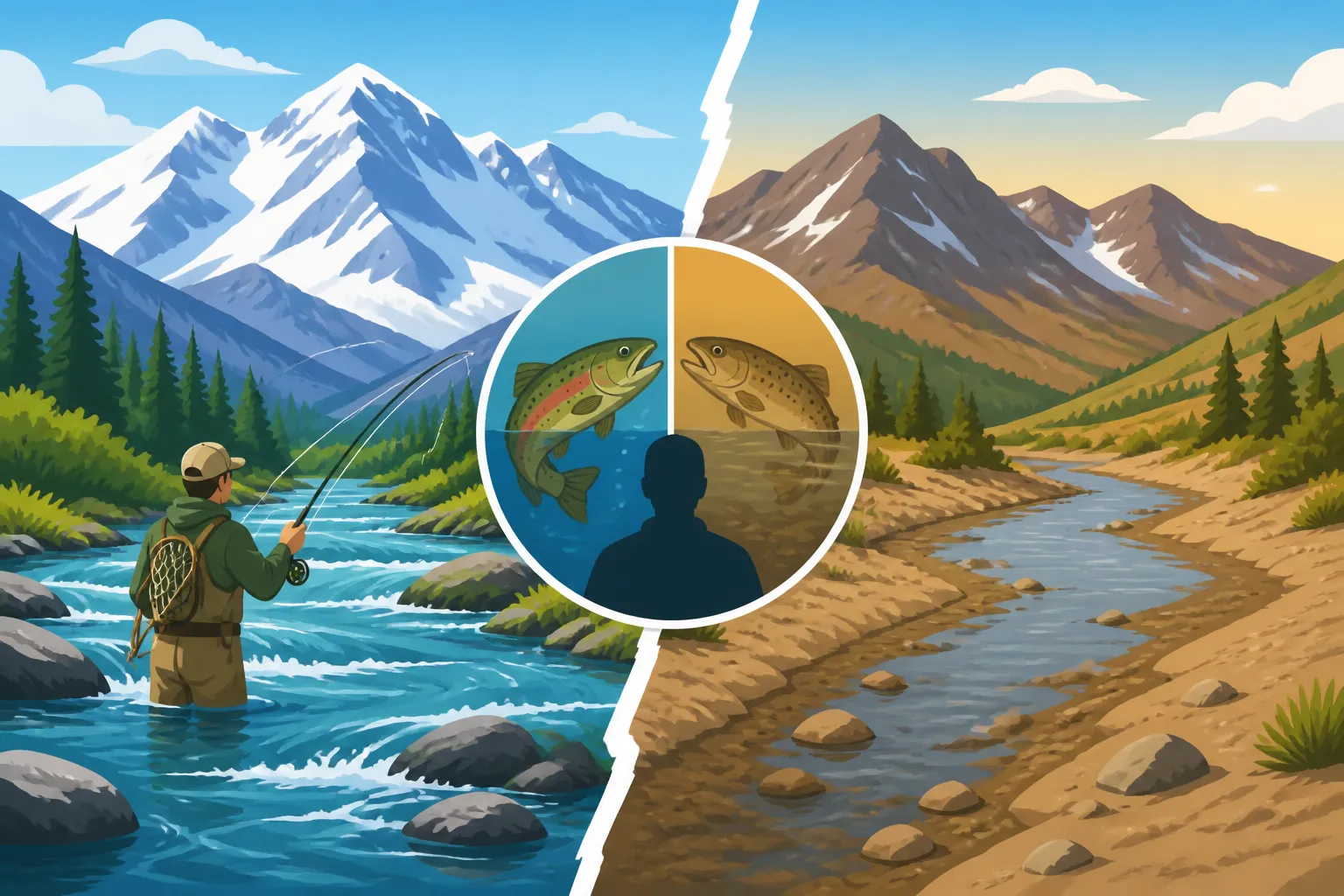
Think about it: less snow means less water to melt. This leads to an earlier and often much shorter runoff period. Instead of a prolonged few weeks or even a month of high, turbid water, you might see rivers clear up quickly, only to recede just as fast. For anglers who typically plan their spring around certain windows, this can be incredibly frustrating. One minute you're waiting for the water to drop, and the next it feels like you've missed the boat entirely. Rivers that usually burst with energy through late May and into June, like the mighty Arkansas or the upper Colorado River, might be running at early summer flows by mid-May. This means less flushing of the riverbeds, which can impact invertebrate populations, and less vital nutrient input that fuels the ecosystem. If you're used to consulting resources like When Colorado's Spring Runoff Hits and How to Fish Around It, you'll find that the "hit" might be weaker and the "around it" window much narrower.
While freestone rivers — those that aren't controlled by dams — bear the brunt of this accelerated spring, tailwaters can also be affected, albeit differently. Tailwaters are rivers that flow out of the bottom of large reservoirs, like the Fryingpan below Ruedi Reservoir or the Blue River below Dillon Reservoir. Their flows are regulated by dam releases, offering a more consistent environment. However, even these can't escape the long-term consequences of low snowpack. While they might maintain stable flows for longer into the spring, the reservoir levels upstream will be lower than usual. This means that eventually, the amount of cold, oxygenated water available for release might diminish, leading to potential issues later in the summer as water managers balance competing needs for irrigation, municipal water, and recreation.
For us anglers, this accelerated spring means a shift in tactics. You might find excellent fishing opportunities earlier in the season, as rivers become clear and fish are eager to feed after winter. However, this early boon comes with a caveat: be prepared for conditions to change rapidly. One week a river might be perfect, and the next it could be running significantly lower and warmer. Keeping a close eye on stream gauges, often found on the U.S. Geological Survey (USGS) website, becomes even more crucial. Early season dry fly opportunities might pop up sooner on freestones, but they could also vanish more quickly as water levels drop and temperatures climb prematurely.
Summer's Struggle: Low Flows, High Temperatures, and Stress on Fish
This is where the true difficulties of a low snowpack year often manifest themselves for Colorado fishing. A spring with less water leads directly into a summer characterized by lower than average flows, warmer water temperatures, and significant stress on our beloved trout. It's a tough reality to face, especially when we dream of those long, pleasant summer days on the river.
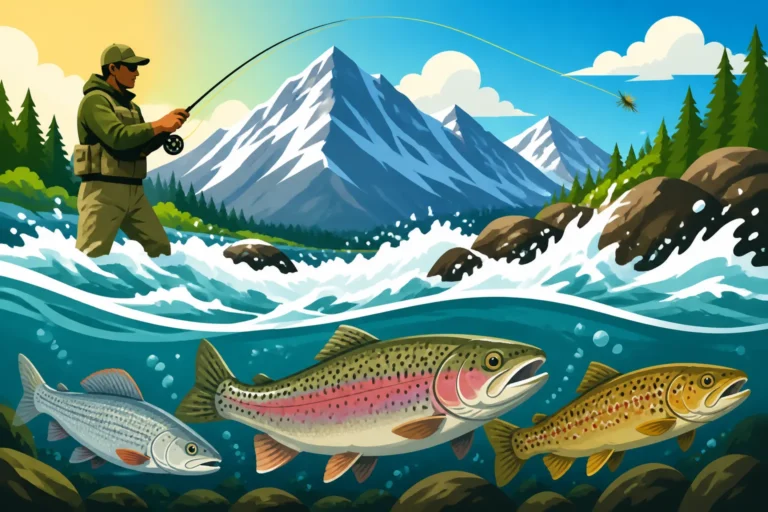
Lower water levels expose more of the riverbed and banks, concentrating fish into fewer, smaller pools and runs. This makes them incredibly spooky and vulnerable. Imagine a river like the South Platte near Deckers: already popular, but with less water, every single fish is more exposed. They become warier, making your approach and presentation absolutely critical. This also means that many traditional access points might become difficult to reach, or areas you once fished extensively might be reduced to trickles. Reservoirs also feel the pinch, with water levels dropping significantly throughout the summer, often exposing boat ramps, creating expansive mudflats, and changing the structure that fish relate to.
The biggest concern, however, is water temperature. Cold-water fish, especially trout, thrive in specific temperature ranges. As river flows drop and Colorado's intense summer sun beats down, water temperatures can quickly climb above safe levels for trout. Warm water holds less dissolved oxygen, which means fish struggle to breathe and become lethargic. This metabolic stress can be fatal, even if the fish is caught and released. You might notice fish rising less aggressively, or holding in deeper, slower water where temperatures are marginally cooler. I always recommend having a good stream thermometer, easily found on Amazon, in your fishing pack during the summer, especially in a low snowpack year. If the water hits 68°F (20°C) or higher, it's time to pack up. Many dedicated anglers won't fish for trout above 65°F (18°C) to prioritize conservation. This means Colorado Fishing Seasons Month by Month take on a new meaning, with mid-day summer fishing often off-limits for trout.
To combat this, Colorado Parks and Wildlife (CPW) often implements "hoot owl" restrictions, which can be voluntary or mandatory. These typically involve closing fishing during the hottest parts of the day, usually from 2 PM until dark. While these restrictions are absolutely essential for protecting fish, they can be incredibly frustrating for anglers who've traveled long distances or only have limited time. It means adapting your fishing schedule to early mornings and late evenings, and always being aware of the specific regulations for the water you plan to fish, which you can usually find in Colorado Fishing Regulations Every Angler Should Know or by checking CPW's website for real-time updates. Focusing on waters that have natural thermal refuges, like springs or cold tributary inflows, or prioritizing tailwaters that release cold water from the bottom of reservoirs, becomes paramount.
Fall's Fickle Promise and Winter's Uncertain Start
Just when you think you might be through the worst of it, a low snowpack year can continue to influence the later seasons, making fall fishing a bit of a gamble and winter a question mark. Fall is typically a prime time in Colorado, with cooling water temperatures and aggressive fish fattening up before winter, but the residual effects of a tough summer can cast a long shadow.
If the summer was particularly brutal with prolonged high water temperatures and low flows, fish populations might have taken a hit. Even if water temperatures cool down in the fall, the surviving fish could be smaller or fewer in number. This means that while the classic Fall Fishing in Colorado, What Changes advice still holds true—like targeting aggressive brown trout—the overall experience might be different. Brown trout spawning runs, for instance, are usually a major highlight of the fall. With low water, access to prime spawning grounds might be hindered, or the fish themselves could be more concentrated and vulnerable to disturbance, making careful handling and observation even more critical. The same goes for the stunning Kokanee Salmon Fishing in Colorado runs that attract so many anglers to places like Blue Mesa Reservoir; low water levels might change their behavior or accessibility.
As we transition into winter, the impacts can become even more pronounced. Less water stored in reservoirs from a weak snowmelt means that winter flows in tailwaters could be less stable. Reservoir levels might be drawn down further than usual, which could affect ice formation for winter recreation. Potentially, a low snowpack year could lead to a shorter or less reliable ice fishing season. While some of Colorado's Colorado's Best Ice Fishing Reservoirs are typically consistent, an overall warmer trend throughout the year due to minimal snowpack can mean thinner ice, later freeze-ups, or even waters that don't freeze solid at all. This forces ice anglers to be exceptionally cautious and diligent about checking ice conditions.
The lingering effects of low flows and higher temperatures from the previous seasons mean that fish, even in cooler water, might still be recovering from stress. This underscores the need for continued conservation efforts throughout the fall and into the early winter, especially for sensitive species like trout.
Adapting Your Angling Approach for Resilient Fishing
So, what's an angler to do when facing the challenges of a low snowpack year? It's not about giving up; it's about adapting our approach, showing respect for the fish, and prioritizing conservation.
Gear Adjustments for Spooky Fish
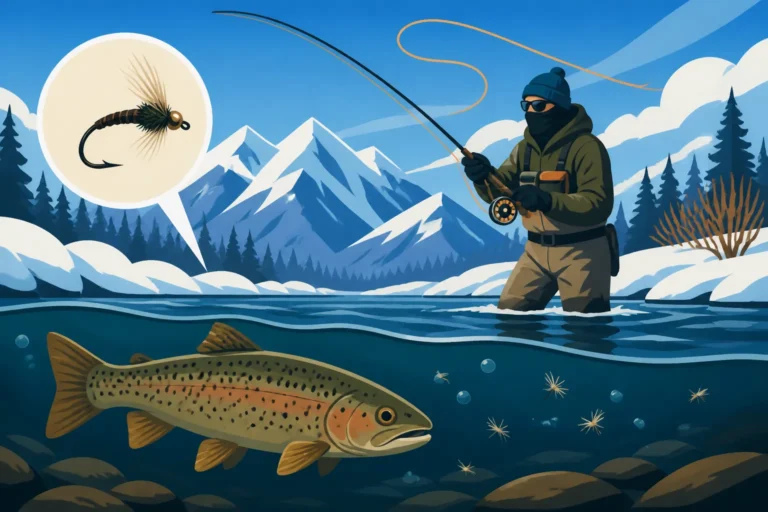
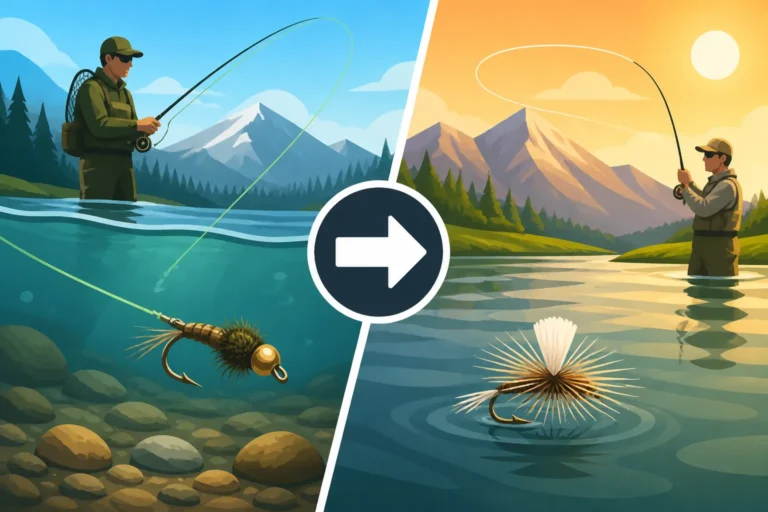
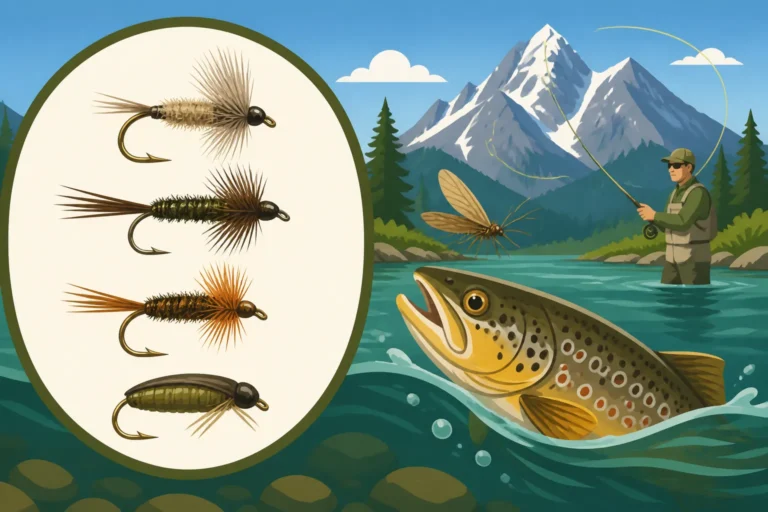
In low, clear water, fish become incredibly wary. This means you need to scale down your tackle. Think lighter tippets, often going down to 6x or 7x fluorocarbon, which you can stock up on from Amazon for clear presentation. Smaller flies, particularly tiny midges and emergers, become the norm. Consider longer leaders to create more distance between your fly line and the fish. For spin fishermen, smaller, more natural-colored lures and lighter line will increase your chances. Stealth becomes your best friend. Instead of wading right into the middle of a run, try to fish from the bank, using natural cover to conceal your presence.
Timing is Everything: Early Bird, Late Riser
Forget those lazy midday fishing sessions, especially in the summer. In a low snowpack year, prime fishing times narrow considerably. The mantra becomes: fish early, quit early. Or, if you're a night owl, fish late into the evening. The cooler temperatures of dawn and dusk offer a critical window when fish are more active and less stressed. During these times, water temperatures are at their lowest and oxygen levels are at their highest. If trout fishing is your passion, explore high-elevation lakes and streams. These waters often remain cooler throughout the summer due to their altitude, offering a refuge for trout when lower-elevation rivers are too warm. Just be sure to check the Colorado Fishing Regulations Every Angler Should Know for any specific rules for those high-country gems.
Exploring New Species and Waters
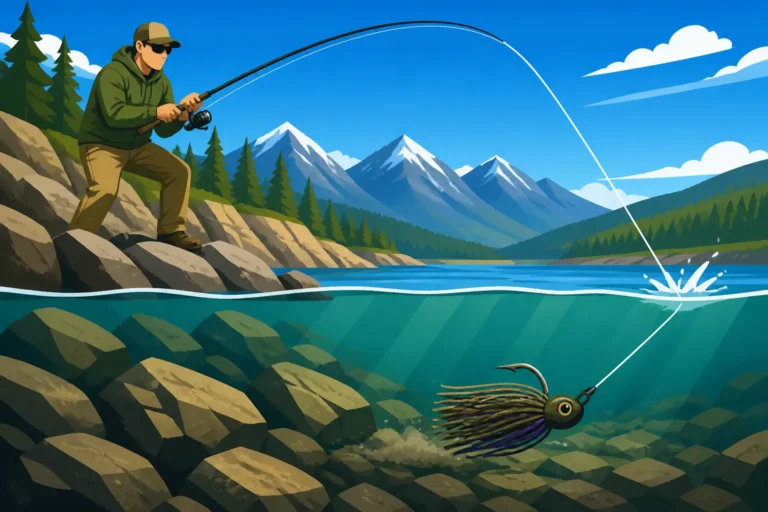
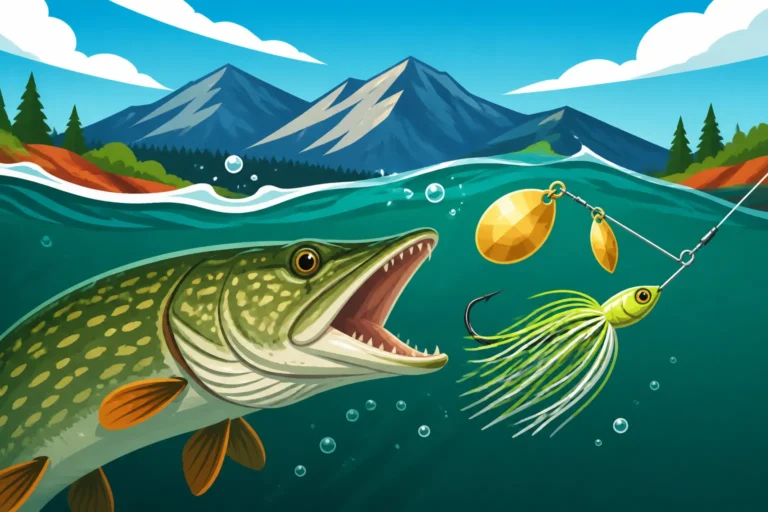
While trout often get all the glory, a low snowpack year is an excellent opportunity to expand your horizons. Warmwater species like bass, walleye, pike, and even catfish thrive in warmer conditions that stress trout. Many of Colorado's large reservoirs, especially on the Eastern Plains and Front Range, hold robust populations of these fish. Places like Chatfield Reservoir, Cherry Creek Reservoir, or Pueblo Reservoir can offer fantastic action when the trout rivers are struggling. These species are often more tolerant of fluctuating water levels and higher temperatures, providing a rewarding alternative. You might find yourself learning new techniques and discovering a whole new side of Colorado fishing.
Embracing a Conservation Mindset
Ultimately, a low snowpack year demands an elevated commitment to conservation. Every fish matters. Practice impeccable catch-and-release techniques:
- Minimize Fight Time: Land fish quickly to reduce exhaustion.
- Keep Fish Wet: Avoid taking fish out of the water for photos, especially when conditions are tough. Even a few seconds of air exposure can be detrimental.
- Barbless Hooks: Crimp your barbs. This makes hook removal easier and reduces harm to the fish. Some Colorado's 14-Inch Trout Length Rule waters or specific Gold Medal Waters actually require barbless hooks.
- Proper Handling: Use wet hands or a rubberized net. Avoid squeezing the fish.
- Revival: Gently hold the fish facing upstream in the current until it can swim away under its own power.
It's also worth checking Reading Colorado's Weekly Stocking Report to see where new fish might have been introduced, as these areas could offer good opportunities for less stressed, freshly stocked fish, provided the water temperatures are suitable. Pay attention to fish health, too. If you're consistently catching fish that appear lethargic or sluggish, consider that the water might be too warm or conditions too stressful, and it might be best to try another spot or call it a day. Being able to discern a Telling a Cutthroat From a Rainbow Trout is great, but knowing when to put your rod down is even better.
A low snowpack year certainly presents challenges for Colorado anglers, but it also fosters resilience and a deeper connection to the natural cycles of our beautiful state. By understanding the impacts and adjusting our strategies, we can continue to enjoy the incredible fishing opportunities Colorado offers, while also doing our part to protect its precious aquatic resources.
Disclaimer
This article is for general informational purposes only and does not constitute professional advice. Laws, prices and regulations vary by location and change over time. Consult a qualified professional for guidance on your specific situation.