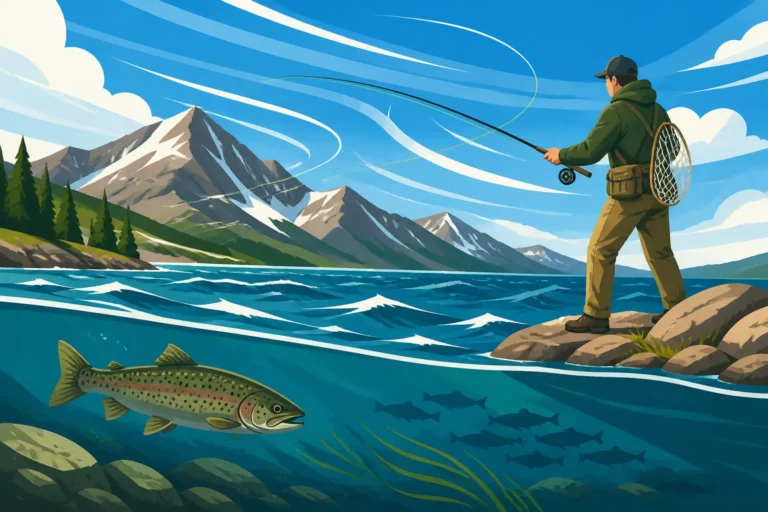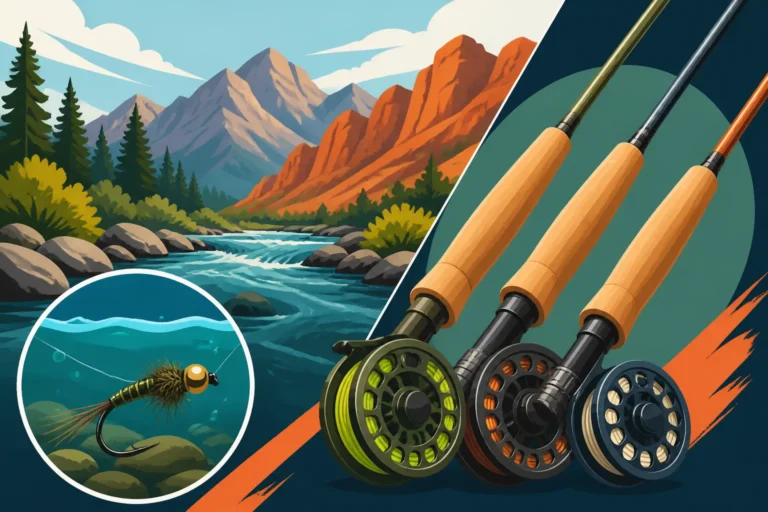
Why Colorado Rivers Run High and Muddy in Late May
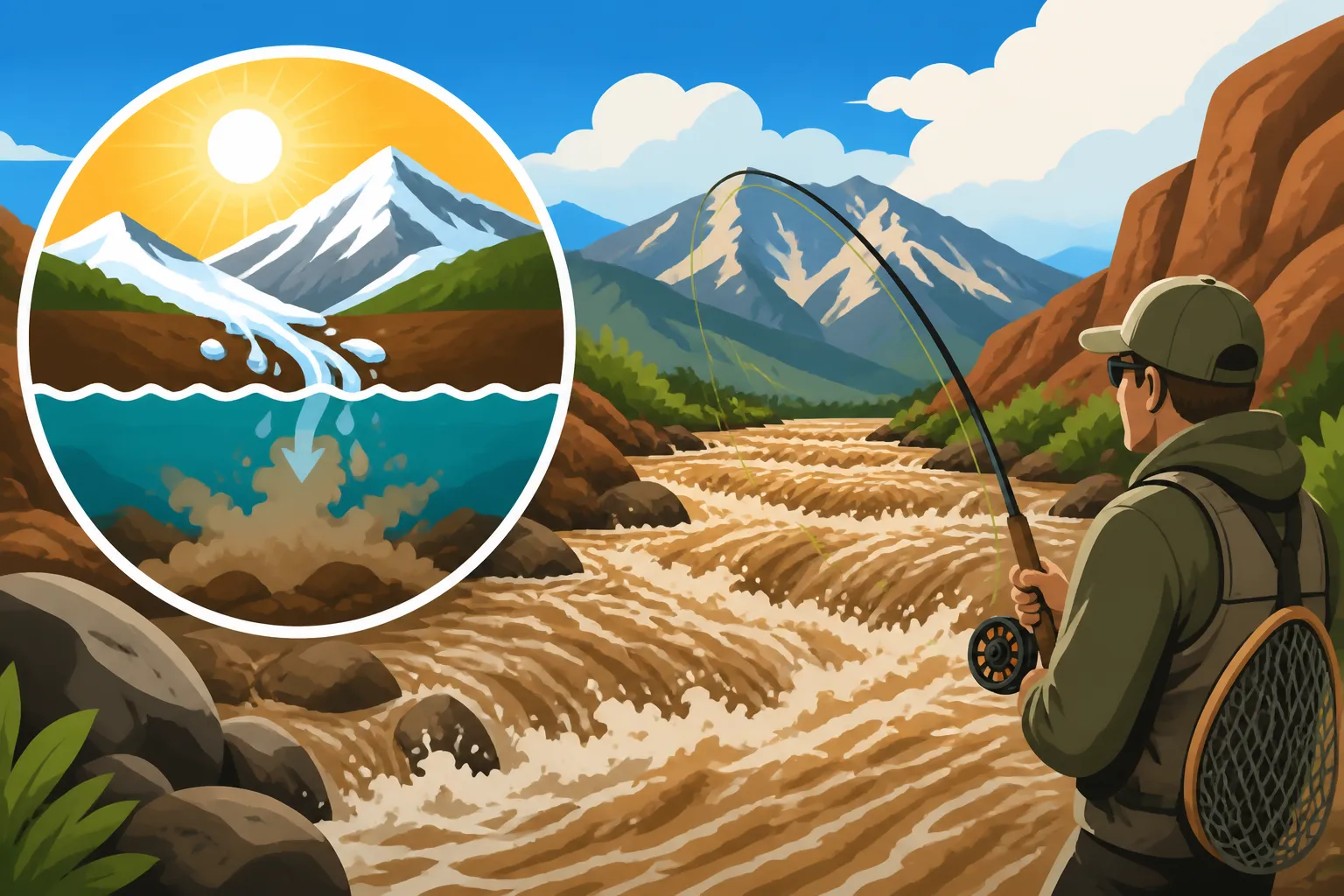
There’s nothing quite like the crushing disappointment of planning a long-anticipated Colorado fishing trip for late May, only to arrive and find the rivers swollen, raging, and the color of chocolate milk. It’s a common frustration for anglers, both local and visiting, who might not understand the powerful natural forces at play. This guide will meticulously break down exactly why Colorado's rivers undergo this dramatic transformation, offering clarity on the mechanics behind high flows and muddy water during late spring.
The Unavoidable Reality of Colorado's Spring Runoff Phenomenon
For many parts of the country, late May means stable fishing conditions, but here in Colorado, it often signifies the heart of spring runoff. This isn't just a minor inconvenience; it's a monumental natural event, essential for the health of our rivers and the water supply of the entire Western United States. Understanding this cycle is the first step in learning how to adapt your fishing strategy.
Understanding the Snowpack's Meltdown Cycle
Colorado's mountains are famous for their abundant winter snowfall, which acts as a colossal, natural water reservoir. Throughout the colder months, countless snowflakes accumulate, stacking up to create a deep and expansive snowpack that blankets the high country. This snowpack is absolutely vital, not only for supporting our vibrant winter sports economy but, more critically, as the primary source of water for our rivers, agriculture, and drinking water throughout the arid summer months. It's the lifeblood of the state, storing moisture until temperatures allow for its release.
The true trigger for spring runoff isn't just any warm day, but rather a sustained period of rising temperatures in late spring and early summer. As the sun climbs higher and daily temperatures consistently stay above freezing, especially at night, the snowpack begins its massive transformation from solid ice crystals to liquid water. It’s a subtle shift at first, with a little melt during the day refreezing at night, but eventually, the warmth penetrates deeper, leading to continuous melting. Anglers often watch the weather forecast with bated breath, knowing that a sudden heatwave can unleash the rivers' fury almost overnight.
This melting process isn't uniform; it's a phased event, starting at the lower elevations and gradually progressing upwards towards the highest peaks. Imagine a giant ice cream cone melting from the bottom up—that's roughly how it works. The snow in the valleys and lower hills disappears first, contributing early trickles to the streams. As May progresses into June, the melt line creeps higher, eventually reaching the vast snowfields and glaciers that cap our fourteeners. This means that while a river's headwaters might still be locked in winter's grip, its lower sections could already be experiencing significant runoff, creating a dynamic and often unpredictable scenario for those hoping to cast a line.
This annual anticipation of runoff can be a real source of frustration for those of us eager to hit the water. You plan your trip, tie your flies, and then watch the river gauges climb, knowing that your favorite freestone river might be unfishable for weeks. It’s a test of patience, and a constant reminder that nature always dictates the terms when it comes to Colorado fishing.
Why Clarity Disappears: The Challenge of Turbid Water
When the snowpack starts to melt in earnest, the sheer volume of water entering the river systems significantly increases the flow. This has a direct and profound impact on water clarity, which can be devastating for sight-feeding fish like trout. They rely heavily on their vision to spot insects, nymphs, and baitfish moving through the water column. When the water turns cloudy and opaque, their ability to hunt effectively is severely hampered. It's like trying to find a needle in a haystack, but the haystack is also moving at a rapid pace.
This change in visibility forces fish to alter their feeding behavior dramatically. Instead of actively pursuing prey, they often shift to relying more on their other senses. They'll use their lateral lines to detect vibrations from passing food items and their sense of smell to pick up on various scents in the water. This means that a perfectly presented dry fly might go unnoticed, while a subsurface nymph or streamer that creates a strong vibration or releases a scent can become more effective. Fish tend to hold in slower, deeper water where the current isn't quite as powerful, allowing them to conserve energy and ambush anything that drifts by.
For us anglers, turbid water presents a significant challenge in effectively presenting our offerings. We can't see the bottom, we can't see the fish, and often, we can't even see our flies or lures once they hit the water. This makes it incredibly difficult to tell if we're drifting properly, if our fly is at the right depth, or even if we've had a subtle take. The water's opacity also makes wading perilous, as unseen rocks and holes can lead to dangerous tumbles. It's a humbling experience that demands a complete re-evaluation of tactics, moving away from visual cues and towards feel and intuition.
Ultimately, the shift from clear, inviting water to a muddy torrent during runoff forces trout and other fish to seek refuge. They'll abandon their usual feeding lanes and prime holding lies, gravitating towards slower currents, eddies, and pockets along the banks where the force of the water is less intense and there might be a sliver of clearer water. Understanding this behavior is crucial for anyone hoping to find fish during this challenging but unavoidable season.
The Science of High and Fast Flows
The transformation of Colorado's rivers during late May isn't just about water turning murky; it's fundamentally about the incredible increase in water volume and velocity. This surge is a complex hydrological process driven by the vast snowpack.
From Snowflake to Torrent: The Water's Journey
The journey of water from a delicate snowflake high in the mountains to a raging river in the valley is a fascinating process. When the snowpack begins to melt, the water doesn't simply rush directly into the main river channel all at once. Instead, it first infiltrates the ground, saturating the soil and replenishing groundwater reserves. As the ground becomes super-saturated, excess water begins to flow overland in tiny rivulets, eventually collecting into smaller springs and streams. These small waterways act like capillaries, gathering the initial trickles of meltwater and channeling them into larger tributaries.
These numerous tributaries, themselves swollen by the melting snow in their own drainage basins, then act as funnels. Each one contributes its increasing flow to a larger stream, which then flows into an even larger river, and so on. Think of it like the branches of a tree, all leading to the main trunk. Every gulch, every drainage, every hillside sheds its melted snow, adding its contribution to the growing current. This consolidation process means that a vast amount of water from hundreds of square miles of mountain terrain is eventually directed into a relatively narrow river corridor.
The cumulative effect of all this meltwater combining is truly immense. What starts as gentle trickles eventually becomes an overwhelming volume of water, significantly increasing the river's depth and, more noticeably, its velocity. This increased speed and force contribute to the powerful, often intimidating currents that characterize rivers during peak runoff. It's not uncommon to see rivers double or even triple their typical flow rates, transforming familiar fishing spots into unrecognizable, powerful rapids.
To truly grasp the scale, imagine trying to fill a small bathtub with a garden hose – it takes a while, but it's manageable. Now imagine that same bathtub trying to handle the flow from a dozen fire hoses all blasting at once. That's a bit like what happens to a river during peak runoff. The system becomes overloaded with water, far exceeding its normal capacity, leading to the dramatic high flows we observe in late May.
What Influences Runoff's Strength and Duration
While spring runoff is an annual event, its intensity and duration can vary wildly from year to year, keeping anglers and water managers constantly on their toes. One of the most critical factors is the Snow Water Equivalent (SWE), which is a measurement of how much water is contained within the snowpack. A year with a historically deep snowpack will have a very high SWE, indicating a massive volume of water waiting to be released. Conversely, a light snowpack year means less water and, typically, a less severe and shorter runoff period. These heavy or light snow years often dictate the fishing season, sometimes delaying good river fishing until well into July, or opening it up sooner in years with less snow.
The temperature swings experienced in late spring also play a pivotal role. A gradual warming trend allows for a more controlled, prolonged melt, leading to higher but perhaps less explosive river flows. However, if a sudden and intense heatwave hits the mountains, especially after a period of cold that has kept the snowpack intact, the melt can accelerate dramatically. This rapid melting, or "spike," can cause rivers to surge almost overnight, turning a moderately high flow into a raging torrent in a matter of hours. These sudden spikes are what often lead to the most challenging and dangerous fishing conditions.
Furthermore, rainfall events on top of a melting snowpack can significantly amplify runoff. Rain, especially warm rain, acts like an accelerator, both adding its own volume to the system and rapidly melting the existing snow. This combination can lead to extremely high and muddy flows, often making rivers unfishable for an extended period. It’s a double whammy for river clarity and safety, as the ground is already saturated from snowmelt, meaning rain has nowhere to go but directly into the waterways.
Finally, geographic factors such as elevation, aspect, and the presence of canyons influence how and when runoff occurs. South-facing slopes, exposed more directly to the sun, will melt faster than shaded north-facing slopes. High-elevation snowfields hold their snow longer than lower-elevation areas. Rivers that flow through narrow canyons can see particularly dramatic increases in water velocity due to the constricted channel, making them especially challenging and dangerous to navigate during peak runoff. All these elements combine to create the unique and often formidable conditions seen across Colorado's diverse river systems.
Deciphering the Muddy Mystery
Beyond the sheer volume and speed, the most visually striking characteristic of runoff is often the turbid, muddy water. This isn't just cosmetic; it's a direct consequence of the immense power of the surging rivers and a fundamental aspect of the mountain ecosystem.
The Role of Sediment Transport and Erosion
When river flows increase dramatically, the water gains immense energy. This heightened power allows the river to pick up and transport a significant amount of loose material from its banks and bed. Fine particles like silt and clay, along with coarser sand and gravel, are easily dislodged and carried downstream. Organic matter, such as decaying leaves, twigs, and even larger debris, also gets swept into the current, further contributing to the murky appearance. It's a natural scouring process that cleanses the riverbed but makes for difficult fishing.
The increased velocity and volume of water don't just pick up existing loose sediment; they actively erode the riverbanks and even the riverbed itself. The relentless force of the current can undercut banks, causing large sections of soil, grass, and even mature trees to slough off and fall into the water. These crumbling banks release a concentrated burst of sediment, turning the water an even deeper brown or red, depending on the local soil composition. This erosion is a powerful force that continuously reshapes river channels, creating new bends and gravel bars, but during runoff, it's at its most intense.
Every single tributary, no matter how small, adds its own load of sediment to the main river system. As snow melts across vast landscapes, it picks up soil from forests, meadows, and even barren rock faces. This sediment-laden water then flows into the creeks, which then flow into larger rivers. The cumulative effect of hundreds of these small contributions creates the widespread turbidity seen across entire river basins. For example, a river like the Colorado River Fishing From Glenwood Canyon to Kremmling might have several major tributaries contributing sediment, each from a different geological area, resulting in varying shades of brown.
The composition of this suspended sediment is critical to the color and persistence of the muddiness. Fine clay particles, for instance, can remain suspended in the water column for much longer than coarser sand or gravel, which tends to settle out more quickly in slower currents. This means that even after the initial rush of high water begins to subside, the rivers can remain cloudy for days, sometimes even weeks, as these microscopic particles slowly drop out of suspension. It's a slow and drawn-out process, frustrating for those patiently waiting for the rivers to clear.
Glacial Flour and Other Natural Phenomena
Beyond the typical soil and organic matter, some Colorado rivers experience a unique type of turbidity caused by what's known as "glacial flour." This isn't your everyday mud; it's an incredibly fine, almost microscopic rock dust created by the grinding action of glaciers and massive snowfields against bedrock. As the ice moves, it pulverizes the underlying rock, creating a powder so fine that it can remain suspended in water for extended periods, giving the river a distinct milky, opaque, or even turquoise appearance. Rivers fed by active glaciers or large, persistent snowfields in the higher reaches of the Rockies are particularly prone to this phenomenon.
These rivers, even when not experiencing extreme high flows, can maintain a certain level of milky turbidity throughout much of the summer due to the continuous input of glacial flour. Unlike sediment from bank erosion that eventually settles, glacial flour is so fine that it often takes a significant reduction in water velocity and flow for it to drop out of suspension entirely. This means that anglers fishing these particular systems need to be prepared for reduced visibility as a consistent condition, not just a temporary runoff effect.
It's important to distinguish this natural glacial turbidity from the heavy, silty mud caused by widespread bank erosion during a massive runoff event or after a thunderstorm. While both result in murky water, the milky hue of glacial flour often suggests a different origin and can persist longer. It's less about the sheer volume of coarse sediment and more about the presence of these incredibly fine, almost colloidal rock particles that simply don't want to settle.
Understanding the source of the turbidity can sometimes inform your fishing approach. While heavy sediment from erosion might indicate a need for aggressive, scent-driven tactics, the milky appearance of glacial flour might still allow for more subtle presentations if fish are used to these conditions. It's another layer of complexity that adds to the unique challenge and beauty of Colorado fishing.
Navigating the Runoff Season for Successful Fishing
While runoff makes many rivers temporarily unfishable, it doesn't mean you have to hang up your waders entirely. Savvy anglers know that adapting their approach and seeking out alternative waters can still lead to rewarding days on the water.
Where to Find Fishable Water During Peak Runoff
The ultimate refuge during intense freestone runoff is often a tailwater. These are rivers that flow out of the bottom of large dams, like the Fryingpan River below Ruedi Reservoir or the Taylor River below Taylor Park Reservoir. Dams act as giant sediment traps, allowing most of the suspended material to settle out in the reservoir itself. Furthermore, the water released from the bottom of the dam is often a consistent temperature and flow, regardless of what's happening upstream. This means that while rivers like the Colorado River are raging and muddy, a nearby tailwater can be crystal clear and flowing at a consistent, fishable level. Places like the famed Dream Stream and Cheesman Canyon on Colorado's South Platte are classic examples of tailwaters that often fish exceptionally well during runoff periods.
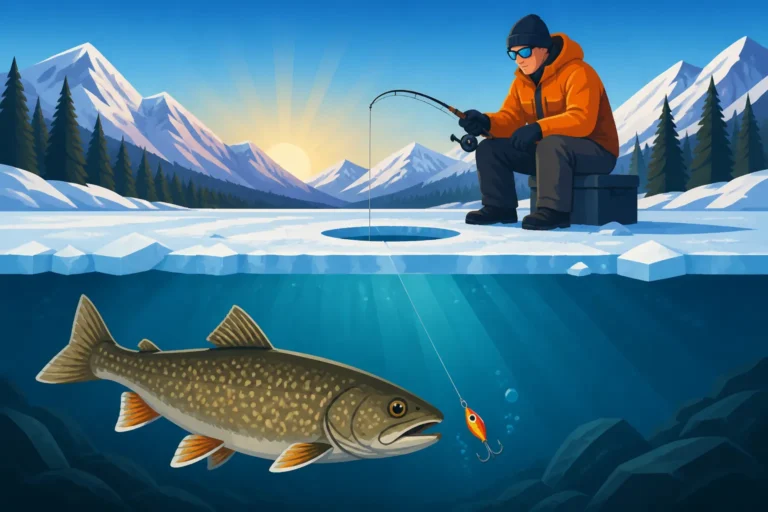
Another excellent option for finding clear water is to head to high-country lakes. Many of these alpine gems, especially those above 9,000 or 10,000 feet, are often still ice-bound or have only just recently thawed out in late May. Their primary inlets might not have started to experience significant snowmelt runoff, meaning the lake waters can be remarkably clear. These lakes often fish exceptionally well immediately after ice-out, offering fantastic opportunities for trout that haven't seen an angler in months. Check out Colorado's Best Fishing Spots by Region for ideas. Be prepared for colder conditions and potential snow on the trails, but the reward of pristine water and hungry fish can be well worth the effort.
Sometimes, if the runoff event is localized or has already peaked in a specific drainage, you can find smaller, lower-elevation streams that have already dropped and are beginning to clear. These might not be the trophy trout waters you dream of, but they can offer excellent opportunities for eager brook trout or smaller browns. Keeping an eye on localized conditions and river gauges in specific areas can reveal these windows of opportunity. It pays to be flexible and willing to explore beyond the heavily trafficked rivers.
Finally, don't overlook private ponds or urban lakes that are often less affected by the larger watershed's runoff. Many community ponds, especially those managed by Colorado Parks and Wildlife for their Urban Fishing Program, are stocked frequently and fed by relatively stable water sources, offering a surprisingly good option when the rivers are out. These can be great spots to take kids or simply get a bend in your rod when the mountain rivers are unfishable.
Adjusting Your Angling Approach for Murky Conditions
When you do find water that, while not crystal clear, is still fishable during runoff, your angling approach needs a significant overhaul. Forget delicate presentations and tiny flies; this is a time for bold tactics. Fish in turbid water have reduced visibility, so you need to make your offering stand out. This means using larger, brighter patterns or lures that create more contrast against the murky background. Think about flies with flashy materials, vibrant colors like chartreuse, orange, or black, and those that have a strong profile. For spin fishermen, brightly colored spoons, spinners, or even PowerBait can be highly effective. Adding scent to your lures or flies can also be a game-changer, as fish will be relying heavily on their sense of smell and lateral lines to detect food. You can find a wide array of scented baits and brightly colored lures on platforms like Amazon.
Fish also gravitate towards areas where the current is slower during high flows. This means you should focus your efforts on eddies, seams, bankside pockets, and behind any large obstructions like boulders or fallen trees. These are the places where fish can escape the main force of the current, conserve energy, and more easily ambush food items that get swept into the slower water. Learning Where Trout Hold During High Water is paramount. Don't waste time casting into the middle of the raging current; instead, meticulously work the edges and the quieter water. A solid pair of polarized sunglasses, even in murky water, can sometimes help you spot subtle differences in water speed and depth that indicate a holding lie.
For fly anglers, this is prime time for streamer fishing and heavy nymphing rigs. Streamers, especially those mimicking baitfish or leeches, are excellent for imitating larger food items that fish might be more likely to chase in low visibility. Retrieving them with erratic strips can create vibrations that attract fish. For nymphing, you'll often need to use heavier weights to get your flies down to the bottom quickly in the powerful current. Utilizing a multi-nymph rig with a larger, heavier anchor fly can be very effective, especially if you're trying Nymphing Techniques for Colorado Tailwaters. Often, you're not trying to perfectly match a hatch; you're simply trying to present a substantial, visible food source directly in front of a fish's face. If you're looking for Best Streamer Colors for Murky Colorado Water, consider black, olive, or white.
Above all, safety must be your absolute top priority when fishing during runoff. High water translates to powerful currents that can easily sweep you off your feet. Wading should be approached with extreme caution, and in many cases, avoided entirely, especially in fast-moving freestones. Even if you're just bank fishing, be aware of unstable banks, slippery mud, and floating debris that the river can carry. Never take unnecessary risks; a day without catching fish is always better than a dangerous situation. Having appropriate gear, like a sturdy wading staff and reliable wading boots, is not just a convenience, but a necessity, and you can find many highly-rated safety items on Amazon. Remember that High Water Tactics During Colorado's Runoff are not just about catching fish, but about staying safe.
Tracking River Conditions and Planning Your Trips
Successfully navigating Colorado's runoff season requires a proactive approach. It's not enough to just show up; you need to understand and monitor the rivers to make informed decisions and maximize your chances of finding fishable water.
Essential Tools for Monitoring Runoff Progression
In today's connected world, anglers have access to a wealth of real-time information that can help predict and monitor runoff conditions. The U.S. Geological Survey (USGS) water data website is an invaluable resource. It provides real-time river flow rates (measured in cubic feet per second, or CFS) and often water temperatures for thousands of gauges across the country, including all major Colorado rivers. Watching these gauges climb and, more importantly, decline, is the best way to track the progression of runoff. Colorado Parks and Wildlife (CPW) also offers reports and updates on river conditions, often indicating which areas are fishing well or experiencing high flows.
To get a jump on predicting future conditions, SNOTEL sites provide crucial data on snowpack depth and Snow Water Equivalent (SWE) in the high country. By tracking these metrics, you can get a good sense of how much water is still "up there" waiting to melt. A rapidly declining SWE often means peak runoff is either happening or has recently passed. While not directly fishing-related, understanding these inputs gives you a broader picture of the water cycle.
Perhaps the most current and localized intelligence comes from local fly shops. These small businesses are the eyes and ears of the river community. Guides and shop employees are on the water constantly and can provide real-time, on-the-ground reports on clarity, flow, and what flies or lures are currently working. Before heading out, always call a fly shop in the area you plan to fish – they are an invaluable resource. For example, shops in Basalt will know the Fryingpan, while those in Kremmling will have the latest on the Colorado River. They're often happy to share insights, knowing that an informed angler is a safer angler.
Many popular rivers also have river webcams that offer a visual snapshot of current conditions. A quick check of a webcam can immediately tell you if the river is high and muddy without having to drive there. Additionally, various social media groups and online forums dedicated to Colorado fishing can be excellent places to find recent reports and ask questions from fellow anglers who might have just been on the water. Combining these resources gives you the best chance to make an educated decision about where and when to fish. You can also glean information by carefully Reading Colorado's Fishing Regulations Brochure to understand seasonal closures or special rules related to high water.
Optimizing Your Fishing Calendar
Understanding Colorado's spring runoff isn't just about avoiding frustration; it's about optimizing your fishing calendar to hit the water when conditions are most favorable for your target species and preferred techniques. First and foremost, it's crucial to accept that runoff is a natural, vital process, not just a nuisance. It cleanses the river, recharges groundwater, and is essential for the ecosystem. Rather than fighting it, learn to work with it.
For many of us, this means timing our trips carefully. The period just before runoff kicks into high gear (often April to early May) can offer some truly spectacular fishing on freestone rivers, as fish are actively feeding before the chaos begins. Then, during the peak of runoff in late May and early June, you pivot to those reliable tailwaters and high-country lakes mentioned earlier. Finally, as the runoff begins to subside and rivers drop and clear (typically late June into July), freestone rivers can come alive with fantastic dry fly and nymph fishing as hatches begin in earnest and fish are eager to feed after the high-water period. This ebb and flow of conditions creates distinct fishing seasons within the broader year.
Flexibility is truly the most important attribute for a successful Colorado angler during this time. Don't be rigidly committed to one river or one type of fishing. Have backup plans. If the Arkansas River is blown out, maybe the Fryingpan is fishing well. If all the freestones are muddy, perhaps it's a good weekend for a high-country lake hike. This adaptability will prevent disappointment and ensure you spend more time with a line in the water.
Finally, consider targeting species less affected by turbidity during peak runoff. While trout are highly visual feeders, fish like northern pike, walleye, or various species of bass in larger reservoirs might be less bothered by slightly murky conditions, especially if they rely more on scent, vibration, or structure. This can open up different angling opportunities and broaden your experience of Colorado fishing, even when the trout streams are raging.
| River Type / Condition | Typical Runoff Period (Peak) | Water Clarity | Fishing Strategy Considerations |
|---|---|---|---|
| Freestone Rivers | Late May – Early June | Muddy/High | Seek eddies, slow pockets. Use big, bright, or dark flies/lures. |
| Tailwaters | Minimal Impact | Clear/Stable | Consistent flows, fish usually active. Nymphing, streamers work well. |
| High-Country Lakes | Late May – Early July | Clear (Post-Ice Out) | Target inlets/outlets, structure. Often great dry fly or streamer fishing. |
| Urban Ponds/Lakes | Minimal Impact | Clear/Stable | Regularly stocked, less affected by mountain runoff. Good for family fishing. |
Disclaimer
Please remember that fishing regulations, conditions, and recommended techniques can change. Always check the most current Colorado Parks and Wildlife regulations and local conditions before heading out. Fishing can involve inherent risks; always prioritize safety.