High Water Tactics During Colorado’s Runoff
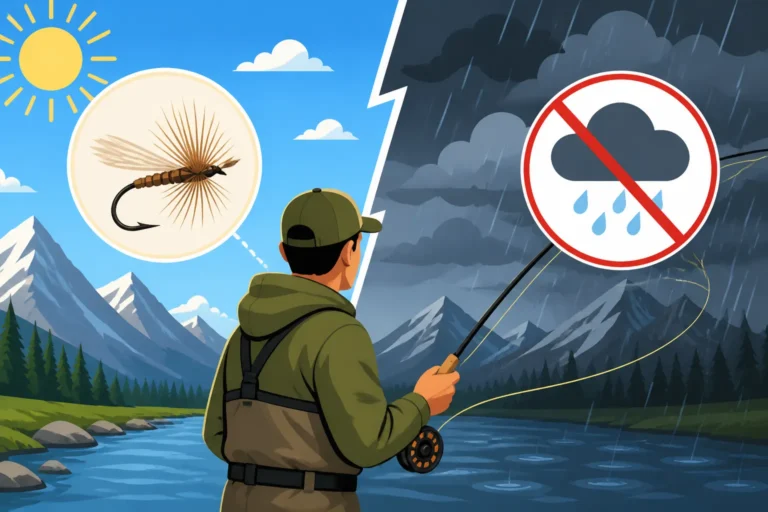
Spring runoff can be one of the most frustrating times for anglers in Colorado, transforming clear, inviting streams into raging, chocolate-milk torrents that seem utterly unfishable. The sudden surge of cold, silty water often leaves even seasoned veterans scratching their heads, wondering where all the fish have gone and if it's even worth wetting a line. But don't despair! This guide is here to unravel the mysteries of high water fishing, offering practical, empathetic advice to help you navigate the chaos and still find success on Colorado's dynamic waterways.
Understanding Colorado's Spring Runoff Cycle
Before you can effectively fish high water, it’s crucial to understand what causes it and how it impacts the aquatic environment. Colorado's rivers are intrinsically linked to the snowpack that accumulates in the mountains throughout winter. When temperatures rise in the spring, that snow begins to melt, sending a massive influx of water downstream. This isn't just a simple increase in volume; it's a complex process that drastically alters water clarity, temperature, and current speeds.
The Science Behind High Water
Colorado's runoff cycle typically kicks off in April, peaks in late May or early June, and then gradually recedes through July, depending on the snowpack levels and spring temperatures. You can learn more about Colorado Fishing Seasons Month by Month Once mountain passes become accessible and the days grow longer, the sun works its magic, melting vast amounts of snow. Higher elevations melt later than lower ones, creating a staggered runoff that can affect different parts of the same river at different times. A warm spell combined with rain can supercharge this process, leading to what many call "peak runoff" conditions – think fast, furious, and opaque water.
The sheer volume of water carries a tremendous amount of sediment, gravel, and organic debris. This is why our crystal-clear rivers often turn a deep brown or milky green. It's not just dirt; it's the mountains shedding their winter coat. This process is entirely natural and vital for rejuvenating river ecosystems, but it certainly presents a challenge for anglers. The good news is that this turbulent water also washes in a buffet of food for fish, making them actively feed if you can present your offering effectively. For a deeper dive into the mechanics, consider understanding Why Colorado Rivers Run High and Muddy in Late May
Impact on Water Clarity and Temperature
The most obvious effect of runoff is the drastic reduction in water clarity. Imagine trying to see your hand in front of your face in a glass of chocolate milk – that's often what the fish are dealing with. This lack of visibility is why fish change their feeding patterns and holding lies. They can't rely on sight as much, so they'll use their lateral lines to detect vibrations and scents to locate food.
Beyond clarity, water temperature also plays a significant role. Snowmelt is inherently cold, often dropping river temperatures by several degrees. While trout are cold-water species, a sudden, dramatic drop can make them lethargic and less willing to chase food. However, as runoff progresses, the water can actually warm up slightly as the sun heats the meltwater, and fish will often become more active. Anglers need to pay close attention to water temperature and clarity, as these two factors dictate where fish will hold and what they’ll be willing to eat. Cold, turbid water usually means deeper, slower presentations are necessary, whereas slightly warmer, still turbid water might allow for more aggressive tactics.
Safety First on Swollen Rivers
Fishing during runoff means dealing with significantly increased dangers. What might be a leisurely wade in August can become a life-threatening torrent in May. Respecting the power of high water is paramount, not just for your fishing success but, more importantly, for your safety. Never underestimate the current; even seemingly calm stretches can hide powerful undertows.
Wading Safely in Fast Currents
Wading in high water requires extreme caution and the right gear. First and foremost, never wade alone if you can help it. A sturdy wading staff is your best friend; it provides a third point of contact and helps you feel for submerged obstacles or sudden drops. Wear studded wading boots for maximum traction, especially on slippery, algae-covered rocks. You can find excellent options for wading boots, even studded ones, on platforms like Amazon. Always face upstream when wading, shuffling your feet sideways rather than lifting them to avoid tripping. If the water is above your knees and moving fast, it’s often too dangerous to wade.
It’s also crucial to wear a wading belt cinched tight around your waders. This seemingly small detail can be a lifesaver. If you fall and your waders fill with water, a wading belt helps prevent them from completely filling and turning into an anchor, giving you a precious few extra seconds to regain your footing or swim to safety. Many anglers overlook this simple piece of gear, but in high water, it's non-negotiable. Always prioritize safety over getting to that perfect, hard-to-reach spot. For more detailed safety insights, consider reading about How to Stay Safe Wading Fast Colorado Currents
Bank Fishing vs. Boat Fishing Considerations
When rivers are swollen and fast, bank fishing often becomes a much safer and more viable option. Look for areas with slower current close to the bank, like eddies behind large rocks, fallen trees, or bends in the river. These spots offer fish a reprieve from the main current and are often easier for bank anglers to access. You can often find fish tucked into these calmer seams.
Boat fishing during runoff, particularly in drift boats or rafts, requires significant experience and extreme caution. Guides who specialize in high-water floats know the river intimately and can navigate the powerful currents and obstacles that appear with the rising water. For the average angler, floating during peak runoff can be incredibly dangerous due to submerged logs, powerful hydraulics, and rapid changes in river structure. If you're considering a float trip during this time, definitely go with an experienced guide. They have the knowledge and safety equipment to make it a productive and safe experience, often knowing precisely where to drop anchor and target fish hiding in less obvious places.
Adjusting Your Strategy for High, Murky Water
The key to success during runoff is to completely rethink your approach. Forget your delicate presentations and tiny flies; high water demands an aggressive, direct strategy. You're not sight-fishing; you're often blind-casting into likely holding water, relying on feel and knowledge of fish behavior.
Location, Location, Location
Fish don't disappear during high water; they simply move to find refuge from the strong currents and to position themselves where food is more accessible. Think like a fish: where would you go to conserve energy and find an easy meal?
- Seams and Eddies: These are prime locations. Look for areas where fast water meets slow water, creating a current break. This could be behind a large boulder, a fallen tree, or even the inside bend of a river. Fish will tuck into the slower water, waiting for food to be swept by in the faster current.
- Confluences: Where a clear tributary meets a muddy main river, this is often a hotspot. Fish from the main river will move into the clearer, often warmer water of the tributary, or they'll stack up right where the two bodies of water meet, taking advantage of the food washed down from both.
- Bank Structure: Overhanging vegetation, undercut banks, and logjams provide excellent cover and current breaks. Fish will often hold tight to these structures, sometimes just inches from the bank, where the current is weakest.
- Slower, Deeper Pools: While not always as productive as seams, large, deep pools can still hold fish, especially if they offer some protection from the main flow.
Focusing your efforts on these types of holding water dramatically increases your chances. Understanding Where Trout Hold During High Water is absolutely critical for productive fishing during this challenging time.
Bigger, Brighter, Noisier
With reduced visibility, your presentation needs to grab a fish's attention in other ways.
- Bigger Baits/Flies: Larger profiles are easier for fish to see and feel in murky water. For fly anglers, think hefty streamers and large nymph patterns. Spin fishers should opt for bigger spoons, spinners, or crankbaits.
- Brighter Colors: Fluorescent colors like chartreuse, orange, hot pink, and fire tiger can be highly effective. These colors contrast well against the murky water, making your lure or fly more visible. Don't be afraid to experiment with colors you wouldn't normally use. For fly fishing, patterns incorporating bright beads or flashy materials are a good bet. Check out Best Streamer Colors for Murky Colorado Water for more specific ideas.
- Noisier Lures: Lures that create a lot of vibration or sound can attract fish that are relying more on their lateral lines. Rattling crankbaits, spinners with large blades, or even flies tied with materials that pulse and move a lot in the water are excellent choices. The sound and vibration act like a beacon in the turbid conditions. Amazon has a huge selection of these types of lures.
Heavy, Deep, Slow
Getting your offering down to where the fish are holding in high water can be a challenge. The strong currents will want to sweep your bait or fly along the surface, away from the fish.
- Add Weight: For nymph fishing, this means significant amounts of split shot or heavy tungsten nymphs. You want your rig to tick along the bottom without getting completely snagged. For spin fishing, heavier spoons, jig heads, or bottom-bouncing rigs are essential. Don't be afraid to add more weight than you think you need.
- Fish Deep: Fish are often hugging the bottom in high water, seeking refuge from the current. Your goal is to get your lure or fly right into their strike zone.
- Slow Presentation: While the water is fast, fish are often not willing to chase a rapidly moving meal. A slow, controlled drift for nymphs and streamers, or a slow retrieve for spin fishing, allows fish more time to detect your offering and decide to strike. Focus on mending your line effectively to minimize drag and keep your presentation natural, even with all that weight. This often means casting upstream and letting your rig tumble naturally through the seams and eddies. For more specific advice, consider What to Fish During Colorado's Spring Runoff
Gear Up for the Challenge
Approaching high water requires a mental shift in tactics, but it also necessitates a gear adjustment. Your ultralight setup for small streams just won't cut it when you're battling strong currents and potentially larger fish.
Rods, Reels, and Line for High Water
- Rods: For fly fishing, a heavier rod, typically a 6 or 7-weight, is ideal. The extra backbone helps cast heavy nymph rigs, large streamers, and fight bigger fish in strong currents. A longer rod (9.5 to 10 feet) can also be beneficial for better line control and mending. Spin fishers will want a medium-heavy rod, around 7 feet, capable of handling heavier lures and resisting the pull of the current.
- Reels: Your reel should have a smooth, reliable drag system, as you might be fighting powerful fish that take strong runs in the current. A larger arbor reel can also help with faster line retrieval.
- Line: For fly fishing, consider a weight-forward line that can help turn over heavier rigs. Sink-tip lines are also incredibly useful for getting streamers down quickly. For spin fishing, a braided line with a fluorocarbon leader is a great choice. Braid offers superior sensitivity and strength, while fluoro is nearly invisible underwater and abrasion-resistant.
Don't forget the little things like a robust net with a rubberized basket to minimize harm to fish during catch and release, especially if you're practicing Catch-and-Release Rules on Colorado's Cutthroat Waters. A good pair of pliers or forceps for hook removal is also essential.
Essential High-Water Tackle Box
Your tackle box for high water should look a bit different than your usual setup.
- Weights: Stock up on various sizes of split shot (non-toxic lead alternative, please!) or heavier tungsten weights. You'll need enough to get your flies or baits down to the bottom without constantly snagging. Experiment to find the right balance for the specific current you're fishing.
- Indicators: For nymphing, use larger, more buoyant strike indicators that are easy to see in choppy, murky water. Balloon-style indicators or larger foam indicators work well.
- Leader and Tippet: Go heavier on your leader and tippet. Forget the 5x or 6x; you'll likely be fishing 0X to 3X in high water, especially with larger flies or lures. The fish aren't as leader-shy in murky water, and the stronger line is necessary to handle bigger fish and heavier rigs.
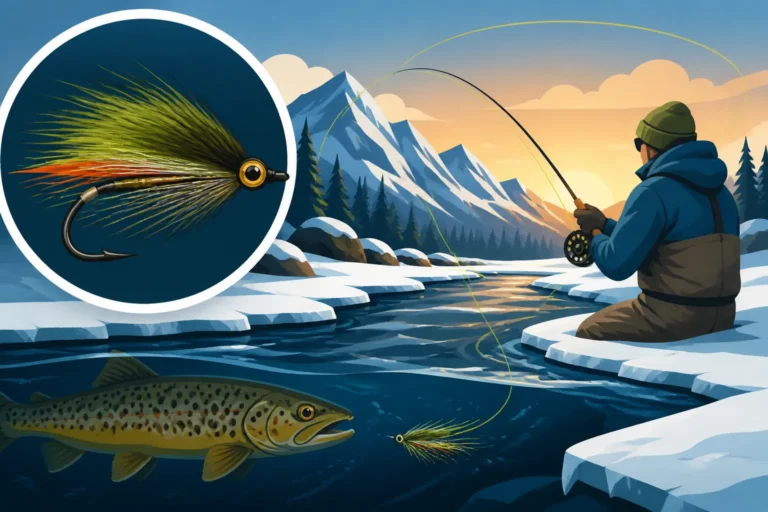
- Lure/Fly Selection: As mentioned, focus on bigger, brighter, and noisier options. For fly fishing, think articulated streamers like Peanut Envy, Sex Dungeons, or anything with plenty of flash and movement. Large stonefly nymphs (Pat's Rubber Legs, 20 Incher Stone) and worm patterns (San Juan Worm, Squirmy Wormy) are also runoff staples. For spin fishing, consider Rapala crankbaits in bright colors, larger Mepps or Panther Martin spinners, and various colored spoons.
- Polarized Sunglasses: Even in murky conditions, polarized sunglasses are invaluable for reducing glare and helping you spot current seams, obstacles, and sometimes even the fish themselves in shallower, clearer pockets. Many excellent and affordable options are available on Amazon.
Species-Specific Tactics During Runoff
While trout are often the primary target in Colorado, other species can actually thrive and become more active during high-water periods, especially in reservoirs or lower elevation rivers.
Targeting Trout in Turbulent Flows
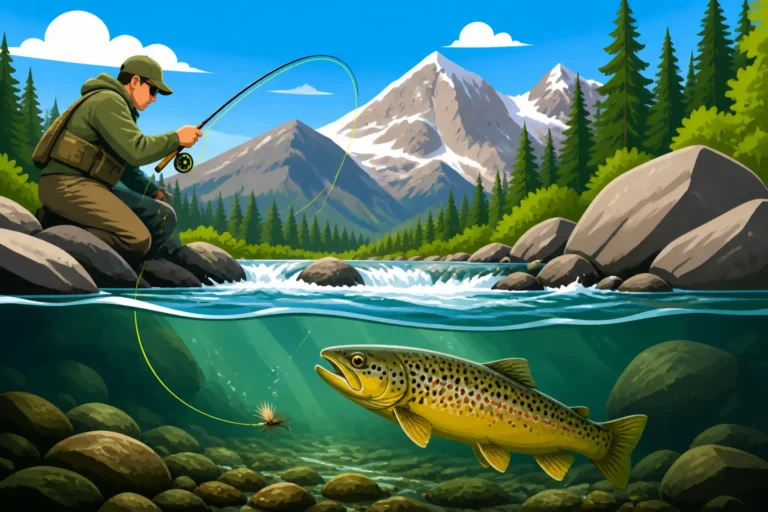
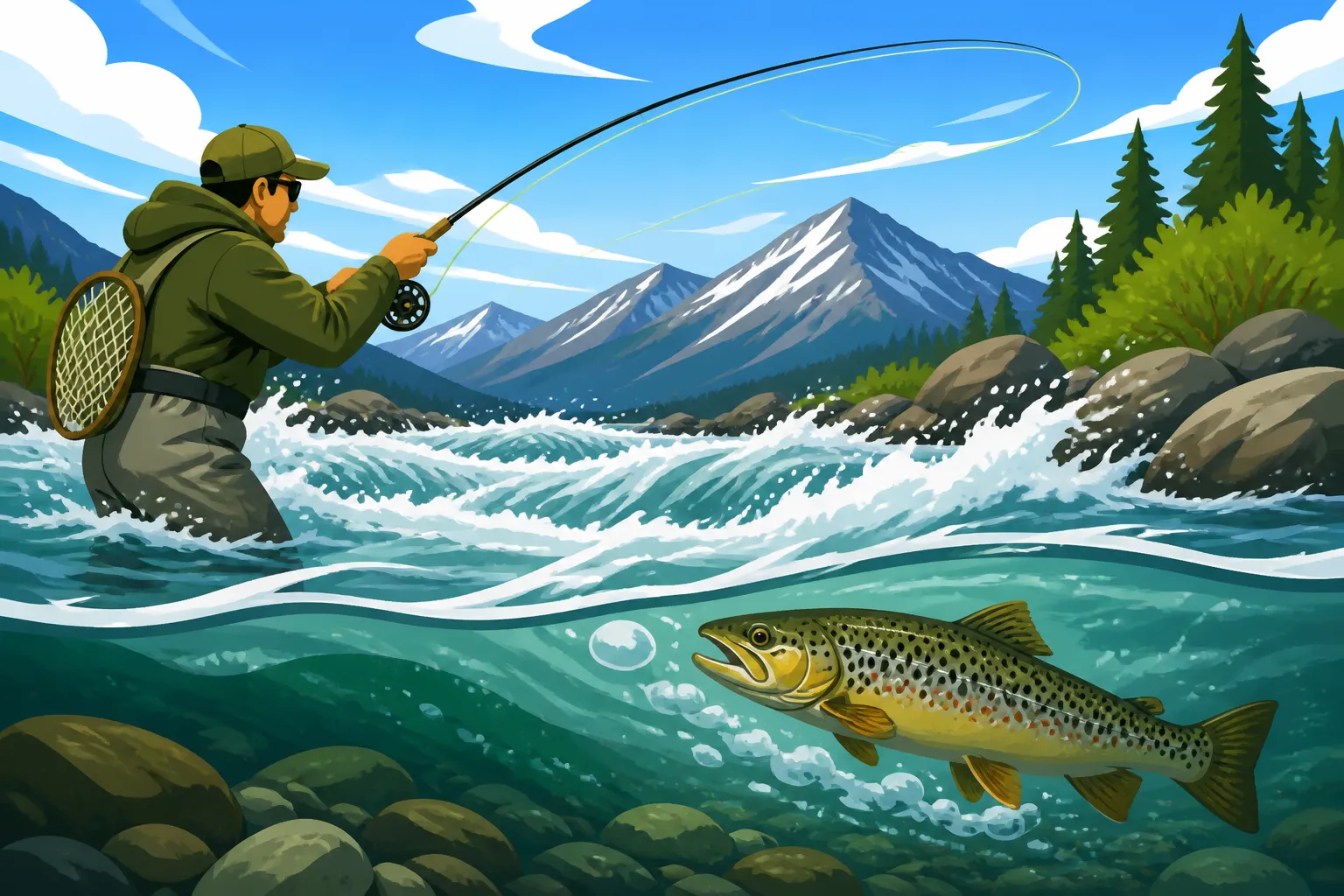
During runoff, brown trout tend to be more resilient and aggressive than rainbows or cutthroats. They're often opportunistic feeders and will take advantage of the increased food availability. Focus on presenting larger, high-visibility streamers or weighted nymph rigs into those prime current breaks we discussed. Fish them slowly, letting the current do some of the work, and be ready for a hard strike.
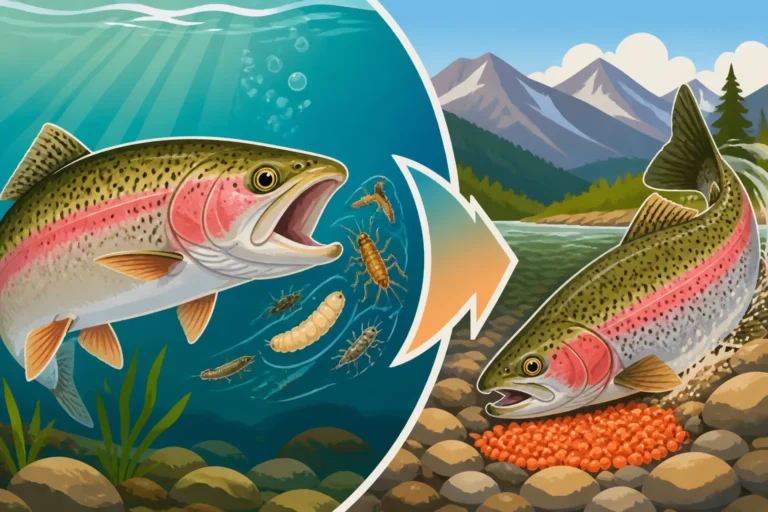
Rainbow and cutthroat trout can be a bit more finicky in the coldest, murkiest water. They might move into smaller, clearer feeder creeks or really hug the bottom in slower, deep pools. If you find a patch of slightly clearer water, even a small one, that's where you'll likely find these trout. Try to present smaller, more natural nymph patterns in these clearer areas if available, but don't shy away from a worm or an attractor nymph even there.
Warmwater Opportunities in High Water
While trout fishing on freestones can be challenging, runoff can open up some fantastic opportunities for warmwater species in Colorado's numerous reservoirs and lakes. These bodies of water aren't as affected by the strong currents and often maintain more stable temperatures and clarity.
- Walleye: Many Front Range reservoirs, like Chatfield Reservoir and Cherry Creek Reservoir, hold healthy populations of walleye. During runoff, these fish often become active, feeding on baitfish pushed around by currents or structure. Trolling crankbaits or jigging soft plastics in deeper areas can be very effective.
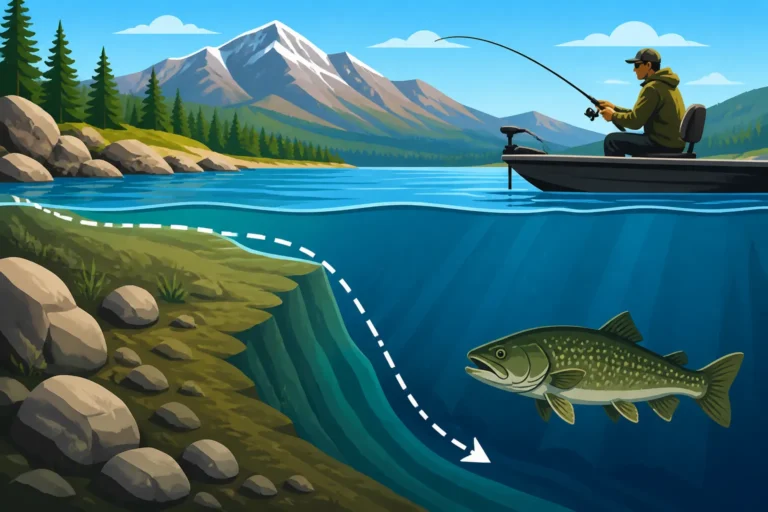
- Northern Pike: These predatory fish are ambush hunters and love structure. High water can sometimes push them into new areas, or they'll be found lurking around submerged brush and weed lines. Large spoons, spinnerbaits, or even swimbaits can entice a pike strike. Some waters in Colorado actively manage pike populations, so always check the Colorado Fishing Regulations Every Angler Should Know for specific limits and rules.
- Bass: Largemouth and smallmouth bass in lakes and warmer sections of rivers will also be feeding. They'll often hug structure like rocks, docks, and submerged timber. Jigs, crankbaits, and soft plastic worms presented slowly can trigger bites.
Don't overlook these warmwater options if the trout streams are simply too blown out. Sometimes, the most frustrating conditions for one species are perfect for another!
Localized Runoff Nuances and Resources
Colorado is a diverse state, and runoff conditions can vary wildly from one drainage to another. A river on the Western Slope might be raging while a tailwater on the Front Range is perfectly fishable. Understanding these localized differences is key to finding success.
Tailwaters as a Runoff Refuge
Tailwaters are rivers or sections of rivers located directly below a dam. The water released from the dam typically comes from the bottom of the reservoir, which means it maintains a much more consistent temperature year-round and is usually very clear, regardless of what's happening upstream. This makes tailwaters like the Fryingpan River, the Dream Stream, or the Blue River absolute havens during runoff. They offer stable, clear, and cold water that fish adore, making them incredibly popular during this period.
However, even tailwaters aren't entirely immune to runoff. While the main flow is controlled, tributaries feeding into the tailwater downstream of the dam can still bring in dirty water, creating plumes of turbidity. Also, dams might increase releases during peak runoff to manage reservoir levels, leading to higher-than-normal flows. Always check the specific flow rates for tailwaters. Despite these caveats, the consistency of tailwaters generally makes them a much more reliable bet when freestone rivers are unfishable. For a deeper understanding, check out Why Tailwaters Fish Better Than Freestones During Runoff.
Using Online Resources for River Conditions
Staying informed about real-time river conditions is vital. Here are some of the best resources:
- Colorado Parks and Wildlife (CPW): The official CPW website offers a wealth of information, including weekly fishing reports and a fishing atlas. They also provide Reading Colorado's Weekly Stocking Report which can give you clues about where fish are being placed after runoff subsides.
- USGS Water Resources: The United States Geological Survey (USGS) provides real-time streamflow data for rivers across Colorado. This is your go-to for checking cubic feet per second (CFS) readings, which indicate water volume and speed. Look for gauges near your target fishing spots. A sudden spike in CFS usually means the river is rising rapidly and likely getting muddier.
- Local Fly Shops: These are goldmines of up-to-the-minute, hyper-local information. Call or stop by a fly shop near where you plan to fish. The staff are on the water constantly and can tell you what's fishing, where, and with what. They often provide honest, realistic assessments of conditions, and they'll be able to tell you which sections of a river might be dropping or clearing.
- Online Forums and Social Media Groups: Many regional fishing groups and forums on platforms like Facebook are filled with passionate anglers sharing recent photos and reports. Use these as supplementary information, but always cross-reference with official data.
By staying vigilant and utilizing these resources, you can greatly improve your chances of finding fishable water, even in the midst of Colorado's dynamic spring runoff season.
Disclaimer
The information provided in this guide is for general informational purposes only and is subject to change. Always consult the official Colorado Parks and Wildlife regulations and local conditions before heading out on the water. Fishing can be a dangerous activity; always prioritize safety and use appropriate gear and judgment.