Why Rainbow Trout Feed Heavily Before They Spawn
It's a question many of us have pondered while casting a line into a Colorado river or lake: why do some fish seem to go absolutely bonkers right before they're about to spawn? Specifically, with our beloved rainbow trout, there's a distinct period where they seem to throw caution to the wind, becoming far more aggressive and receptive to our offerings. This phenomenon isn't just a happy accident for anglers; it's a vital biological imperative, a race against the clock to pack on as much energy as possible before the physically demanding process of reproduction begins. This guide will dive deep into the scientific reasons behind this pre-spawn feeding frenzy, help you understand its timing across our beautiful state, and equip you with the best techniques to take advantage of it, all while emphasizing ethical angling practices.
Understanding the Biological Drive: Why Pre-Spawn Feeding is Crucial
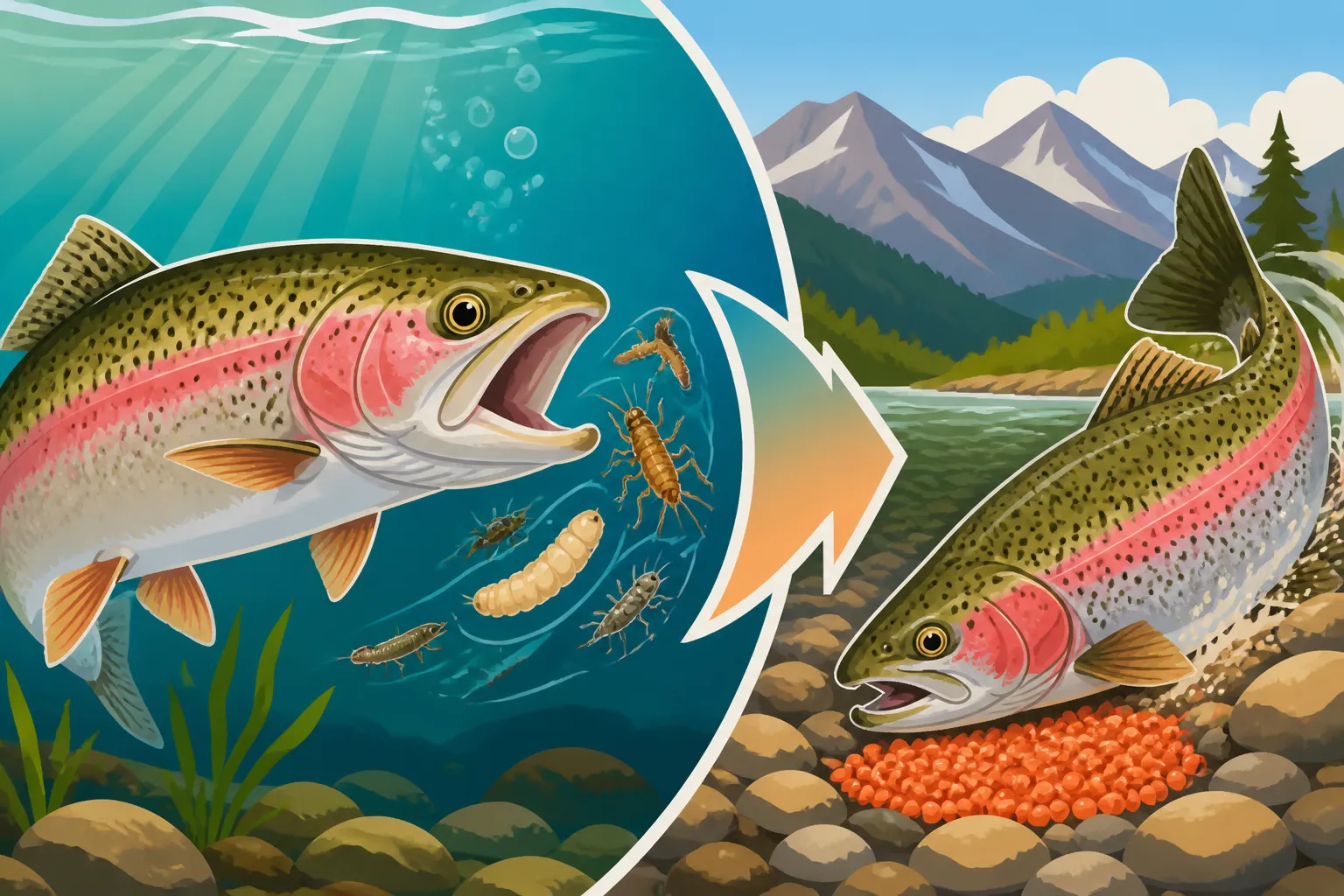
The truth is, fish aren't just eating for fun when they’re gearing up to spawn. It's a matter of survival and successful reproduction. The act of spawning, for both male and female rainbow trout, is an incredibly energy-intensive process, demanding every last bit of fat and protein they can muster. Without adequate fuel, their chances of successful reproduction, and even their own survival afterward, plummet dramatically.
The Demands of Reproduction
Think about what a female rainbow trout goes through. She needs to develop thousands of eggs, each one a tiny package of life requiring nutrients and energy. This isn't an overnight process; it builds up over weeks and months leading into the spawning season. The sheer biomass she carries in her belly is astounding, and it all comes directly from the food she consumes. If she doesn't eat enough, she simply won't produce as many eggs, or the eggs she does produce won't be as viable. It's a direct link between her calorie intake and the future of the rainbow trout population.
Male rainbow trout, while not carrying eggs, have their own significant energy demands. They need to develop milt, the seminal fluid containing sperm, and then they must compete aggressively for mates and prime spawning locations. They'll actively defend territories, chase off rivals, and spend days tirelessly alongside a female during the actual spawning. All this activity, from the chase to the defense to the actual physical act of fertilization, burns a tremendous amount of energy. A well-fed male is a strong, dominant male, and that directly translates to better reproductive success. They don't have the luxury of being lethargic when it counts.
Energy Reserves and Survival
Beyond the immediate act of spawning, both male and female rainbow trout rely heavily on the energy reserves they build during this pre-spawn period for their post-spawn survival. After weeks of intense activity, often with reduced feeding during the actual spawning, they emerge physically drained and often battered. Their bodies are spent, their fat reserves depleted, and they are much more susceptible to disease, predation, and the stresses of their environment. This is why you sometimes see "spawned out" fish that look incredibly thin and ragged. The more energy they can store beforehand, the better their chances of recovering and being healthy enough to spawn again in future seasons.
It's a classic biological trade-off: invest heavily in reproduction now, or conserve energy for future opportunities. The pre-spawn feeding frenzy is their evolutionary answer, maximizing their energy intake precisely when they need it most. This intense feeding window is also where you might notice changes in their typical behavior; they'll often move into shallower, more accessible areas to find food, making them easier targets for anglers. They become less wary, driven by an urgent hunger that temporarily overrides some of their usual cautious instincts.
Timing the Pre-Spawn Frenzy in Colorado
Colorado's diverse geography means that "spring" can look very different depending on whether you're in the low-lying plains, the Front Range, or up in the high country. This, naturally, impacts when rainbow trout decide it's time to get down to the business of spawning and, consequently, when their pre-spawn feeding peaks. Understanding these nuances is key to timing your fishing trips effectively.
Seasonal Cues and Water Temperatures
For rainbow trout in Colorado, spawning primarily occurs in the spring, typically from March through June, sometimes even into July in higher elevations. The biggest trigger for this is rising water temperatures after the long, cold winter. As ice melts and snowpack begins to run off, water temperatures in rivers and lakes gradually climb into the 40-50°F range, which is optimal for rainbows to begin their reproductive cycle. This shift from frigid winter conditions to warming spring waters is the universal cue.
Before these temperatures are reached, as the water begins to just start warming, say from the high 30s into the low 40s, that's often when the pre-spawn feeding really kicks in. The trout sense the impending change and the biological imperative to fuel up. This makes early to mid-spring an absolutely prime time for targeting these hungry fish. You might find that the best bite isn't on the warmest days, but rather on those consistent, slightly warmer days when the water is just beginning its upward trend. Keep an eye on local water temperature reports, especially for larger reservoirs and tailwaters, as these can give you critical insight. You can often find some general guidance in articles like Colorado Fishing Seasons Month by Month to help plan your year.
Geographic Variations Across the State
Because Colorado has such dramatic elevation changes, the actual timing of the rainbow trout spawn can vary significantly from one part of the state to another.
- Front Range and Lower Elevations: In reservoirs and rivers closer to the Front Range and in lower elevation areas like Pueblo Reservoir or parts of the Poudre River, spawning can start as early as late February or March, peaking in April. These areas warm up faster, leading to an earlier pre-spawn bite.
- Mountain Valleys and Mid-Elevations: Rivers like the Fryingpan, Arkansas, and the lower sections of the Colorado River will typically see their rainbow spawn begin in April and continue through May. The pre-spawn feeding will be hot in late March and April. The famous Gold Medal waters often hold very large, healthy rainbows that can offer incredible opportunities during this time.
- High Country Lakes and Rivers: Up in the true high country, at elevations over 8,000-9,000 feet, the ice might not even be off the lakes until May or June. Here, the rainbow spawn will be much later, often starting in June and extending into July. This means the pre-spawn feeding frenzy might not happen until late May or early June, offering a fantastic late-spring/early-summer opportunity for those willing to venture higher. For instance, the timing at places like Grand Lake or high alpine lakes in Rocky Mountain National Park will be notably different than down in Denver-area ponds.
Understanding these regional differences is crucial. Don't assume that if the trout are spawning in one area, they're doing the same statewide. Checking specific stream flows and historical data for your chosen fishing spot can give you a significant advantage. The Reading Colorado's Weekly Stocking Report might also indirectly hint at seasonal changes, as stocking schedules often align with periods when fish are actively feeding and the water conditions are favorable.
Effective Strategies for Targeting Pre-Spawn Rainbows
When rainbow trout are in their pre-spawn feeding mode, they can be incredibly aggressive, but they’re not necessarily less discerning. They're looking for high-calorie meals to fuel their upcoming reproductive efforts. This means presenting appealing, substantial offerings in the right places and with the right techniques. Both fly fishing and spin fishing can be incredibly effective during this period.
Fly Fishing Approaches and Lure Choices
For fly anglers, this is a fantastic time of year. Rainbows are often concentrated in specific areas as they stage before moving onto redds, and their aggressive nature means they're willing to move for a meal.
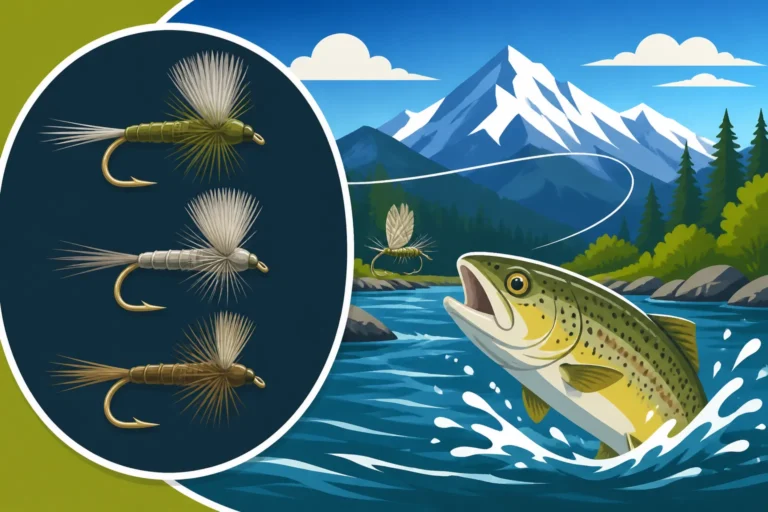
- Subsurface Nymphing: This is often your most consistent producer. Rainbows are actively grubbing for nymphs, worms, and scuds as they stage in deeper runs and slower pools. Egg patterns, especially those mimicking trout eggs, are absolutely deadly during this time, even if they aren't actively spawning yet, as they associate eggs with a high-protein food source. Think about patterns like standard Glo-Bugs or even Otter's Soft Milking Egg in chartreuse, orange, or pink. Worm patterns, like a San Juan Worm or Squirmy Wormy, are also incredibly effective, especially in systems with some runoff. Pairing these with larger, flashier nymphs like a Pat's Rubber Legs, Copper John, or a Prince Nymph can be a potent combination. For more specific setups, you might find Nymphing Techniques for Colorado Tailwaters helpful, as these methods apply well to pre-spawn staging areas.
- Streamer Fishing: Don't overlook streamers! Big, hungry rainbows are looking for a substantial meal, and a baitfish imitation or a large leech pattern can often illicit a violent strike. Patterns like a black or olive Woolly Bugger, a Sex Dungeon, or a Sculpzilla, stripped aggressively or swung through deeper pools and current breaks, can be incredibly productive. Vary your retrieve speed and depth until you find what triggers a strike. This is where bigger fish often lie, and they're not shy about attacking a perceived meal or intruder.
- Gear and Presentation: Use slightly heavier tippet than you might normally – 3x or 4x is often appropriate for these larger, more aggressive fish. For larger nymph rigs, a strike indicator is essential, helping you detect subtle takes. When streamer fishing, a sinking tip or full sinking line will help you get your fly down to where the fish are holding, especially in deeper holes. When fishing smaller streams or rivers, consider an all-around 5-weight fly rod. If you're on a bigger river or throwing larger streamers, a 6 or 7-weight might give you more backbone. You can find a good selection of quality gear, including flies and lines, on Amazon.
Spin Fishing Tactics for Hungry Trout
Spin anglers also have a significant advantage during the pre-spawn period. The aggressive nature of rainbow trout means they'll readily strike at a variety of artificial lures and natural baits.
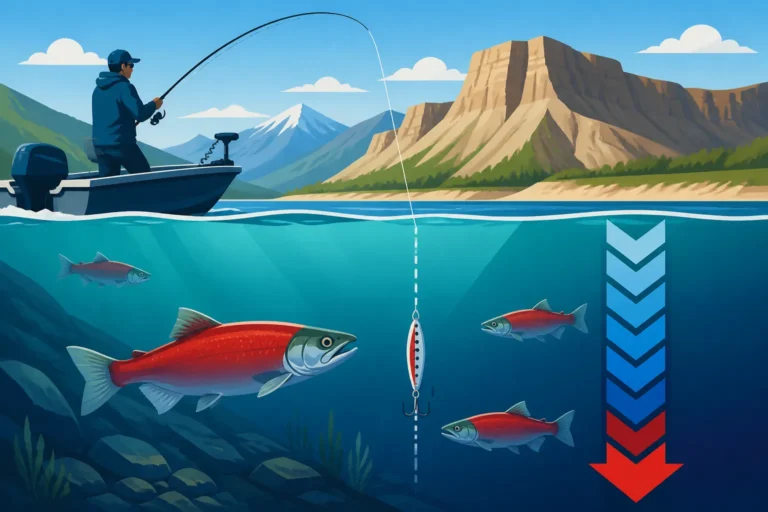
- Hardware and Lures: Spinners and spoons are go-to options for a reason. Inline spinners like a Rooster Tail or Panther Martin in bright colors (chartreuse, orange, silver, gold) can be incredibly effective. Cast them upstream or across current and retrieve just fast enough to get the blade spinning, letting it swing through likely holding water. Spoons like a Kastmaster or a Daredevil, especially in silver or gold, can also be worked effectively, mimicking baitfish. Experiment with different retrieve speeds and jigging motions. For those looking for more general advice, checking out Spin Fishing Techniques for Colorado Trout can provide a solid foundation.
- Soft Plastics and Baits: Don't underestimate the power of soft plastics and natural baits. PowerBait, especially in popular colors like chartreuse, rainbow, or orange, can be fished off the bottom with a small weight and a short leader, appealing to their opportunistic feeding. Small Gulp! or Berkley PowerBait Trout Worms, fished under a bobber or slowly drifted, can also be very enticing. Worms (like nightcrawlers) are another classic choice, offering a natural protein source. Present these offerings in slower moving water near current seams or in the tails of pools where trout might be staging.
- Rigging and Retrieval: For hardware, ensure your lures have strong, sharp hooks. Many anglers upgrade hooks on their store-bought lures. When fishing PowerBait or worms, a sensitive rod tip will help you detect subtle bites. If you're fishing in a river, cast slightly upstream and let your bait drift naturally with the current, retrieving any slack. In lakes, cast and retrieve slowly, or use a slip sinker rig to fish on the bottom. Remember to adjust your retrieve depth and speed constantly until you find what the fish are keying in on. The right rod and reel can make all the difference, and you can find a wide array of options suitable for Colorado fishing conditions on Amazon.
| Technique/Lure Type | Recommended Patterns/Colors | Target Areas | Key Considerations |
|---|---|---|---|
| Fly Fishing | |||
| Egg Patterns | Glo-Bugs, Soft Milking Egg (chartreuse, orange, pink) | Deeper runs, staging areas, tails of pools | Mimics high-protein food; highly effective. |
| Nymphs | Pat's Rubber Legs, Copper John, Prince Nymph, Squirmy Wormy | Current seams, oxygenated water, slower pockets | Large, buggy patterns for hungry fish. |
| Streamers | Woolly Bugger (black, olive), Sex Dungeon, Sculpzilla | Deep pools, cut banks, current breaks | Aggressive strikes from larger trout. |
| Spin Fishing | |||
| Spinners | Rooster Tail, Panther Martin (bright colors: silver, gold, chartreuse, orange) | Riffles, runs, current seams, pocket water | Keep blade spinning; vary retrieve speed. |
| Spoons | Kastmaster, Daredevil (silver, gold, firetiger) | Deeper pools, lake drop-offs, open water | Jigging motion can be effective; mimic baitfish. |
| Baits (Artificial & Natural) | PowerBait (chartreuse, rainbow, orange), Gulp! Worms, Nightcrawlers | Slower pools, eddy lines, lake bottom structure | Dead drift natural baits; bottom fish PowerBait. |
Ethical Angling During the Spawning Season
While the pre-spawn bite can be fantastic, it's absolutely crucial to remember that these fish are preparing for the most important act of their lives. Respecting the fish and their reproductive cycle is paramount to ensuring healthy populations for future generations of anglers. Ignoring responsible angling practices during this sensitive time can have long-term negative impacts on the fishery. Always check Colorado Fishing Regulations Every Angler Should Know before heading out.
Identifying Spawning Behavior and Redd Protection
The first step in ethical angling during the spawn is to know what to look for. Spawning rainbow trout will create what are called "redds" – these are depressions in the gravel beds of rivers or lake shallows, created by the female using her tail to clear away silt and debris. Redds appear as lighter, cleaner patches of gravel, often oval-shaped, in comparison to the darker, algae-covered rocks around them. They're typically found in areas with good current and oxygenation.
When you see fish actively on a redd, or multiple fish clustered over one, it's essential to avoid targeting them directly. Casting to fish that are actively spawning is generally frowned upon in the angling community and can disrupt the natural process. It stresses the fish, potentially causing them to abandon their redds or eggs, and can even injure them. Furthermore, wading through redds can destroy eggs that have already been laid, inadvertently harming future generations. If you observe fish actively spawning, it's best to move on and find fish that are either staging upstream or downstream of the redds, or in different areas entirely. You’ll often find signs in Gold Medal Waters, like those on the Fryingpan or sections of the South Platte, indicating sensitive areas.
Best Practices for Catch and Release
Even when targeting pre-spawn fish that aren't directly on a redd, practicing responsible catch and release techniques is more critical than ever. These fish are already under significant physiological stress due to the demands of reproduction. Adding additional stress through improper handling can be detrimental.
- Minimize Fight Time: Use appropriate tackle (as discussed in the techniques section) to land fish as quickly as possible. Prolonged fights exhaust the fish, making recovery more difficult.
- Keep Fish in Water: If possible, unhook the fish while it's still in the water. If you must remove it for a quick photo, keep it out of the water for the absolute minimum time possible – mere seconds. Never let a fish flop on the bank or boat deck.
- Wet Hands: Always wet your hands before touching a fish. Dry hands can remove the protective slime coat, leaving the fish vulnerable to infections and disease.
- Support the Fish: When handling, support the fish horizontally with both hands, especially large trout. Avoid squeezing the belly or holding them vertically by the jaw or tail, which can damage internal organs or the spine.
- Careful Hook Removal: Use hemostats or pliers to quickly and gently remove hooks. If a fish is deeply hooked, it's sometimes better to cut the line as close to the hook as possible, as the hook will often rust out. Barbless hooks are highly recommended, or at least pinch down the barbs on your hooks to facilitate easier release. This is particularly important for rainbow trout in Gold Medal Waters, where Colorado's 14-Inch Trout Length Rule often applies to keeping fish, encouraging release of larger, wilder specimens. More detailed guidance can be found in How to Handle Trout for a Safe Release.
- Revive Carefully: After release, hold the fish gently in the current, facing upstream, until it regains its strength and can swim away on its own. It's ready when it actively tries to swim out of your hands.
By following these ethical guidelines, you can enjoy the fantastic fishing opportunities that the pre-spawn period offers while still being a responsible steward of Colorado's incredible rainbow trout fisheries.
Disclaimer
The information provided in this guide is for general informational purposes only and is not a substitute for official regulations. Fishing regulations, season dates, and limits are subject to change. Always consult the most current Colorado Parks and Wildlife (CPW) fishing regulations brochure before engaging in any fishing activity. It is your responsibility to know and follow all applicable laws.