How Cold Colorado Reservoirs Get Before They Ice Over
It’s a truly unique feeling when the biting cold of late fall starts to set in, and you begin to eye your favorite Colorado reservoirs, wondering just when that solid sheet of ice will form. For us ice fishing enthusiasts, that transition period can be both exciting and incredibly nerve-wracking, especially when we're itching to get out but worried about safety. There’s a lot more to ice formation than just the air temperature dropping below freezing, and understanding the science behind it is key to anticipating when and where you can safely pursue those winter lunkers. This guide will dive deep into the specific temperatures, environmental factors, and crucial safety considerations that dictate when Colorado's beautiful waters transform into prime ice fishing destinations.
The Intricate Science of Ice Formation in Colorado Reservoirs
You might think it’s simple: air drops below 32 degrees Fahrenheit, water freezes. If only it were that straightforward! In reality, the process of a large body of water like a Colorado reservoir freezing over is a complex dance between water physics, atmospheric conditions, and even the geology of the lake itself. It’s not just about getting cold; it’s about how the cold penetrates and changes the water column.
Water's Unique Properties and Thermal Layers
Water is a fascinating substance, and its behavior as it cools is utterly crucial to how lakes and reservoirs freeze. Most liquids get denser as they get colder, until they eventually solidify. Water, however, is different. It actually reaches its maximum density at about 39.2 degrees Fahrenheit (4 degrees Celsius). This might sound like a small detail, but it has massive implications for ice formation and, frankly, for all aquatic life.
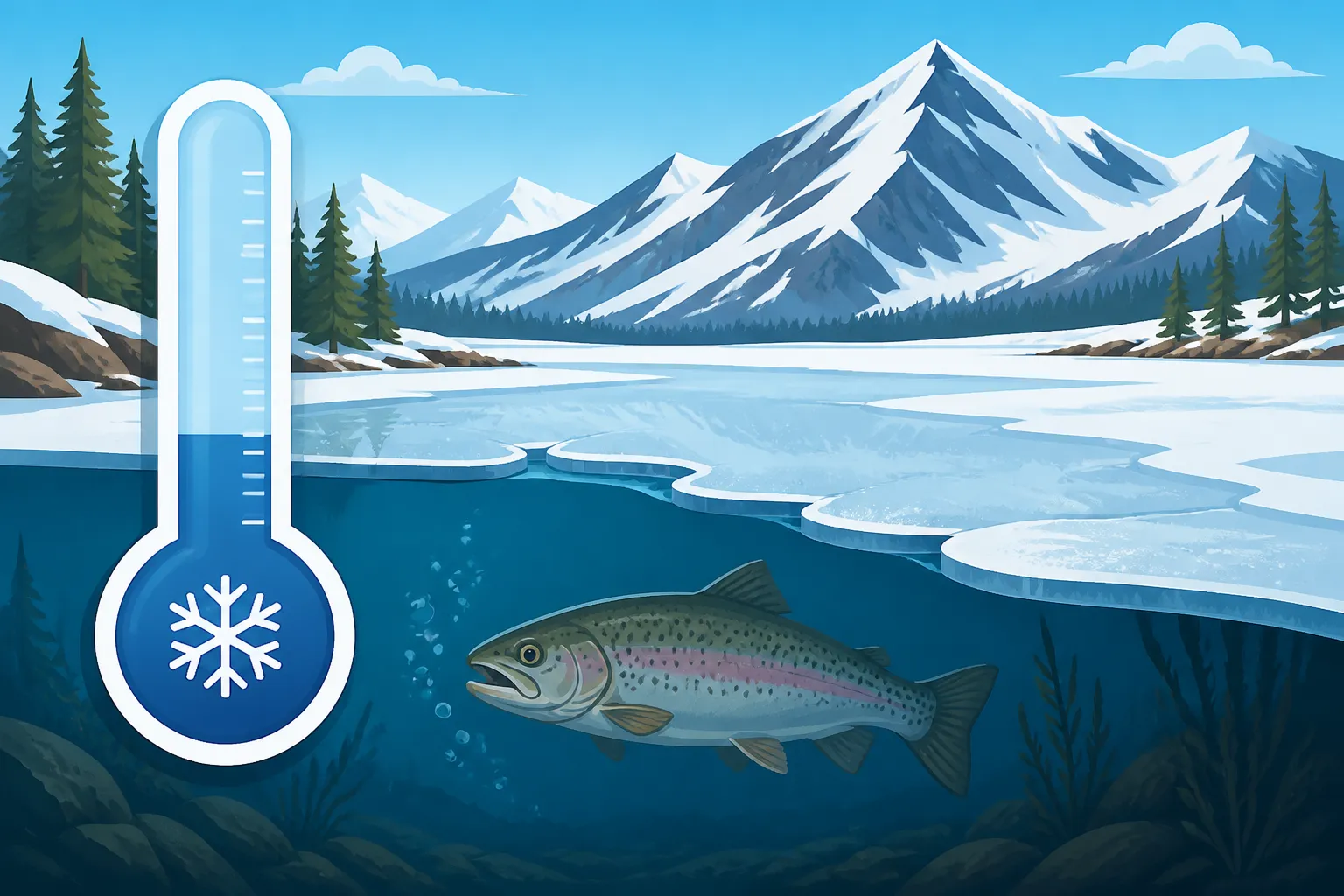
Think about it: as the surface water cools in the fall, it gets denser and sinks, pushing warmer, less dense water up from below. This process, known as "fall turnover," continues until the entire water column reaches that 39.2°F mark. Once the surface water drops below that temperature, it becomes less dense again. Instead of sinking, this colder, lighter water stays on top. This is the critical stage for ice formation. If the air temperatures continue to plummet below freezing, this less-dense surface layer can then finally cool down to 32°F (0°C) and begin to freeze, forming that first delicate skim of ice. This layering effect means the deepest parts of the reservoir often remain above freezing even when the surface is a solid sheet, which is why fish can survive under the ice all winter long.
The Role of Weather and Elevation
While the water's properties are foundational, the weather plays the starring role in the timing and speed of ice formation. Prolonged periods of sub-freezing air temperatures are, of course, essential. A quick dip below freezing for a night or two won't do much if it warms up significantly during the day, as any thin ice will quickly melt. What we really need for solid ice development are consistent cold fronts, especially those accompanied by clear skies at night, which allow for maximum radiative cooling.
Elevation is another huge factor in Colorado. Our high-country lakes and reservoirs, often sitting at 9,000 feet or more, naturally experience colder average temperatures and longer periods of freezing conditions. This is why places like Eleven Mile Reservoir or Stagecoach Reservoir often see reliable, fishable ice weeks, if not months, before lower-elevation reservoirs closer to Denver, such as Chatfield Reservoir or Cherry Creek Reservoir. The thinner atmosphere at higher elevations also means less insulation, allowing heat to escape more rapidly from the water's surface.
Key Temperature Thresholds for First Ice
Knowing the actual temperatures involved in ice formation helps us predict when we might finally be able to break out the auger and head to the hard water. It's not just about the moment the surface turns solid; it's a gradual process that involves the entire water column preparing for winter.
The "Magic" 39-Degree Mark
As we touched on, the true critical temperature for a reservoir is not 32°F, but 39.2°F (4°C). This is the temperature at which water is densest. Throughout the fall, as the air temperature cools the surface of the reservoir, that cooler, denser water sinks, mixing the entire water column until it reaches this uniform 39.2°F. This process is called "fall turnover." Once the entire body of water has reached this temperature, the subsequent cooling of the surface layer below 39.2°F makes it less dense, causing it to stay on top.
It's only after the entire water column has turned over and the surface layer is free to continue cooling down to 32°F that ice can begin to form. This turnover can take weeks or even months for large, deep reservoirs like Blue Mesa Reservoir, whereas smaller, shallower ponds might complete the process much faster. If you've ever wondered why it takes so long for a large lake to freeze even when the air is brutally cold, this density anomaly and the subsequent turnover is your answer.
Surface Freezing vs. Safe Ice Thickness
Once the surface temperature drops to 32°F (0°C), the water molecules at the very top begin to bond and form that initial, fragile skim of ice. This is the moment we all watch for, but it's absolutely crucial to distinguish between this initial freezing and the development of safe ice thickness. That first thin layer, often called "skim ice," might look pretty, but it's far too weak to support a person, let alone fishing gear.
The real test comes with sustained cold. For every additional degree the air temperature drops below freezing, and for every hour those temperatures persist, that ice layer will slowly thicken. Generally, anglers should never step on ice less than 4 inches thick for a single person. For groups or snowmobiles, much thicker ice is required.
Here’s a quick guide to typical ice thickness recommendations:
| Ice Thickness | Activity | Notes |
|---|---|---|
| Less than 2 inches | STAY OFF! | Extremely dangerous, will not support human weight. |
| 2-3 inches | STAY OFF! | Might support very light weight, but highly unstable and unpredictable. |
| 4 inches | Single person, ice fishing, walking | Minimum recommended for clear, new ice. Always proceed with extreme caution. |
| 5-7 inches | Small group, ATV/snowmobile | Allows for small groups of anglers or snowmobile travel. |
| 8-12 inches | Small car or truck | Requires sustained cold, consult local experts, specific regulations, and check often. |
| 12-15+ inches | Medium truck, larger groups | Very safe, but conditions can change. Always re-verify. |
Remember, these are general guidelines for clear, solid ice. Slush ice, white ice (from refrozen snow), or ice with cracks can be significantly weaker, even if it appears thick. Always verify local conditions.
Factors Influencing Ice Formation Speed and Strength
Beyond just cold air temperatures and water physics, a multitude of other environmental factors can dramatically speed up, slow down, or even prevent consistent ice formation on Colorado's reservoirs. A strong understanding of these variables will help you gauge when it might be time to pull out your Ice Fishing in Colorado, Getting Started gear.
Wind, Snowfall, and Reservoir Size
Wind is often the arch-nemesis of early ice formation. A persistent breeze across the surface of a reservoir agitates the water, constantly breaking up any forming ice crystals and preventing a solid sheet from developing. This is why smaller, sheltered coves often freeze over much faster than the wide, open expanses of a large reservoir. Strong winds also increase evaporative cooling, which can drop water temperatures, but the constant movement still hinders freezing.
Heavy snowfall, especially early in the season before significant ice has formed, can also be a double-edged sword. While snow provides insulation that helps existing ice maintain its temperature, a fresh, deep layer of snow can also insulate the water from freezing air temperatures. This means that if the snow falls on open water or very thin ice, it can actually slow down the freezing process. Once ice is thick enough, however, snow cover can help protect it from fluctuating air temperatures and sunlight.
The sheer size and depth of a reservoir also play a crucial role. Smaller, shallower ponds and lakes, especially those in high-elevation areas, will typically be the first to freeze over. Their smaller volume of water means they cool down much faster, and the turnover process is expedited. Larger, deeper reservoirs, like Granby Lake or Navajo Reservoir, hold an immense amount of thermal energy and require much longer periods of sustained, severe cold to completely turn over and form thick, safe ice. This is why you often hear about specific coves or shallower bays freezing up first, while the main body of the lake remains open for weeks longer.
Water Flow and Tributary Inflows
Reservoirs, by their very nature, are often fed by rivers and streams and have outflow points. Any significant water flow, whether from an inflowing river or an outflowing dam release, will resist freezing. Moving water requires much colder temperatures to freeze than still water because the constant motion prevents the water molecules from settling into a stable ice crystal structure.
Consider a tailwater section below a dam, like the Blue River below Dillon Reservoir. These sections often remain open water or have very thin, treacherous ice even in the coldest parts of winter, precisely because of the continuous, relatively warm (above freezing) water flowing out of the dam's depths. Similarly, a fast-flowing river entering a reservoir will create an area of open water or weak ice near its mouth, regardless of how cold the surrounding air might be. Anglers need to be incredibly vigilant around these areas, as ice thickness can vary dramatically within a short distance. Always factor in these dynamic water movements when assessing ice safety.
Monitoring Ice Conditions for Safe Access
The thrill of early ice fishing is undeniable, but it's absolutely vital to prioritize safety above all else. Knowing how cold Colorado reservoirs get before they ice over is just the first step; actively monitoring and understanding current conditions is paramount to a successful and safe outing.
Using Online Resources and Local Reports
Thankfully, in this day and age, we have excellent resources at our fingertips to help us gauge ice conditions. The Colorado Parks and Wildlife (CPW) website is a great starting point, though they typically don't provide real-time ice thickness reports for specific bodies of water. What they do offer is crucial information on regulations, stocking reports, and general weather trends that can inform your decisions.
For more immediate, on-the-ground intelligence, local fishing forums and social media groups dedicated to Colorado ice fishing are invaluable. Anglers are often eager to share their experiences, posting updates on ice thickness, conditions, and where the bite is hot (or not). Just be aware that reports can be subjective, and what one person considers safe, another might not. Always double-check and use these reports as a starting point, not a definitive green light. Many local tackle shops and guide services around popular ice fishing destinations like Lake Granby, Eleven Mile, or Blue Mesa also offer up-to-date ice reports, as it's directly tied to their business. A quick call to a reputable shop can provide excellent local insight.
Essential Gear for Early Ice Safety
Regardless of how much research you do or how many reports you read, nothing replaces personal responsibility and proper safety gear on the ice. Early ice, in particular, is unpredictable and demands respect. One non-negotiable item is a set of ice picks, which you wear around your neck. If you fall through, these allow you to get a grip on the ice and pull yourself out. They are surprisingly inexpensive and widely available, often on platforms like Amazon.
Another critical piece of equipment is a spud bar or ice chisel. This heavy metal bar allows you to test the ice thickness in front of you as you walk. Strike the ice with the bar; if it breaks through easily with one or two strikes, the ice is too thin. If it takes several hard strikes or doesn't break at all, it's generally safer. Always test as you go, especially when moving to new areas or venturing further from shore. A flotation suit or a life vest is also a smart investment for early season excursions. While they don't prevent you from falling through, they can be life-saving if you do. Consider also carrying a rope and a buddy, because fishing with a partner is one of the best safety measures you can take. Finally, while not strictly "safety gear" for falling through, having a reliable ice auger is crucial. Brands like Eskimo or ION offer electric and gas options that make drilling through that thick Colorado ice much easier. You can find a wide selection of these augers and other Ice Fishing Gear for Colorado Reservoirs online.
Remember that ice conditions can change rapidly due to varying temperatures, snowmelt, wind, and even cracks from expansion and contraction. What was safe in the morning might not be safe in the afternoon. Being prepared, informed, and cautious is the mantra for enjoying Colorado's fantastic hard water fishing responsibly. If you're wondering what species you might encounter, we've got a great guide on What Species Bite Best Through the Ice in Colorado, and once you're out there, tips like Jigging for Lake Trout Through the Ice can come in handy. For those first tentative days of the season, it’s always best to err on the side of caution. If in doubt, stay off!
Disclaimer
The information provided in this guide is for general informational purposes only and does not constitute professional advice. Ice conditions can be extremely dangerous and unpredictable. Always exercise extreme caution, consult local authorities and current conditions reports, and prioritize safety above all else when venturing onto frozen bodies of water. The author and publisher assume no responsibility for any accidents or injuries that may occur from following the advice in this article.