Which Trout Species Colorado Stocks Most Often
You've just cast your line into a beautiful Colorado lake or river, and you snag a feisty trout. But sometimes, you wonder, "Is this a wild fish, or one that Colorado Parks and Wildlife (CPW) put here for me?" It's a valid question, and understanding which trout species are most frequently stocked can really help you understand our state's fisheries and even improve your fishing strategy. This guide will walk you through the most common trout species you'll find in Colorado's stocking reports and why they're chosen.
The Ubiquitous Rainbow: Colorado's Stocking Superstar
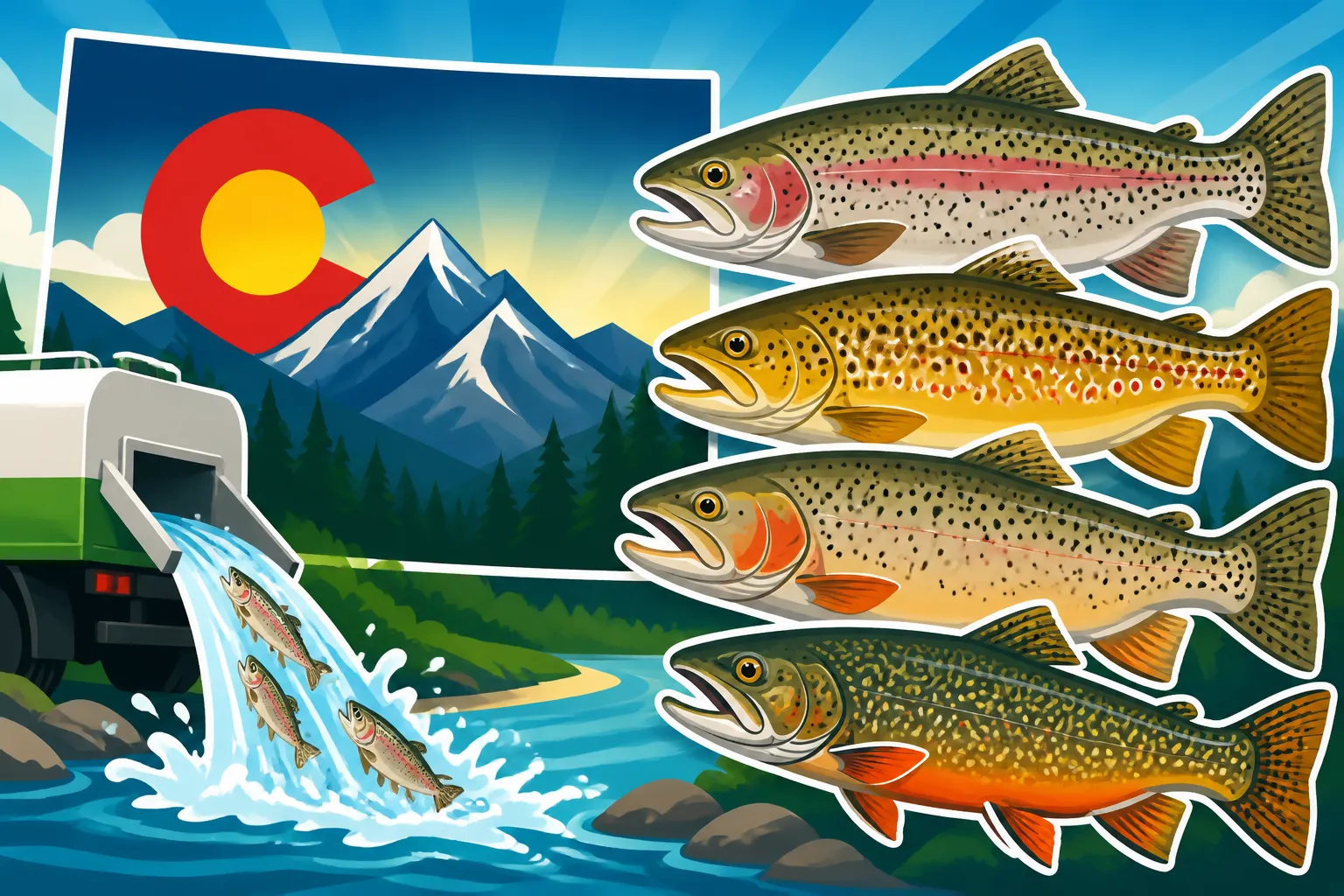
If there's one fish that dominates Colorado's stocking efforts, it's the rainbow trout. These vibrant, resilient fish are the backbone of many of our state's angling opportunities, particularly in urban areas and heavily fished waters. They're basically the workhorse of the hatchery system, bred specifically to thrive in a wide range of conditions and provide a consistent catch for anglers of all skill levels.
Why Rainbows Reign Supreme in Stocking Programs
Rainbow trout are the darlings of stocking programs for several compelling reasons. First and foremost, they're incredibly hardy and adapt well to diverse aquatic environments, from chilly mountain lakes to warmer Front Range reservoirs. This makes them ideal candidates for introduction into waters where natural reproduction might be limited or where fishing pressure is simply too high for wild populations to sustain themselves. They grow quickly, too, reaching catchable sizes in a relatively short amount of time, which means CPW can get more fish into the water for anglers to enjoy sooner.
Beyond their biological suitability, rainbow trout are just plain fun to catch. They're known for their acrobatic jumps and spirited fights, making them a thrilling target for bait, lure, and fly anglers alike. Their willingness to bite a wide variety of offerings, from a simple worm to a flashy spinnerbait, makes them accessible to beginners, yet they still offer a challenge for more experienced anglers. This combination of resilience, rapid growth, and angling appeal is precisely why you'll see them mentioned so often in the weekly stocking reports. You can learn more about Rainbow Trout in Colorado, Where They're Stocked.
From Hatchery to Hook: Where You'll Find These Stocked Beauties
So, where exactly does CPW release all these rainbows? You'll find them absolutely everywhere, from the small, easy-access community ponds right in the heart of Denver and Colorado Springs to the larger, more popular reservoirs like Chatfield Reservoir and Cherry Creek Reservoir. These stockings are critical for creating "put-and-take" fisheries, especially in areas where fishing access is abundant and families are looking for a straightforward, enjoyable day on the water.
Often, these stocked fish are ready to bite almost immediately, making them a fantastic option for teaching kids how to fish or for those days when you just want to guarantee some action. You'll also find rainbows supplementing populations in some rivers and larger lakes that can't support a fully wild population due to habitat changes or heavy angling pressure. These efforts ensure that even in highly visited spots, there's a strong chance of reeling in a beautiful trout. When planning your next trip, it's always a good idea to check Reading Colorado's Weekly Stocking Report to see where the freshest batch of rainbows has been released.
Beyond the Rainbow: Other Trout Species You Might Encounter
While rainbows are king, they aren't the only trout species that get a boost from Colorado's stocking efforts. CPW employs a nuanced approach, stocking other trout species and even hybrids for specific purposes, whether it's to create unique angling opportunities, bolster native populations, or manage local ecosystems.
Brook, Brown, and Cutthroat Trout Stocking
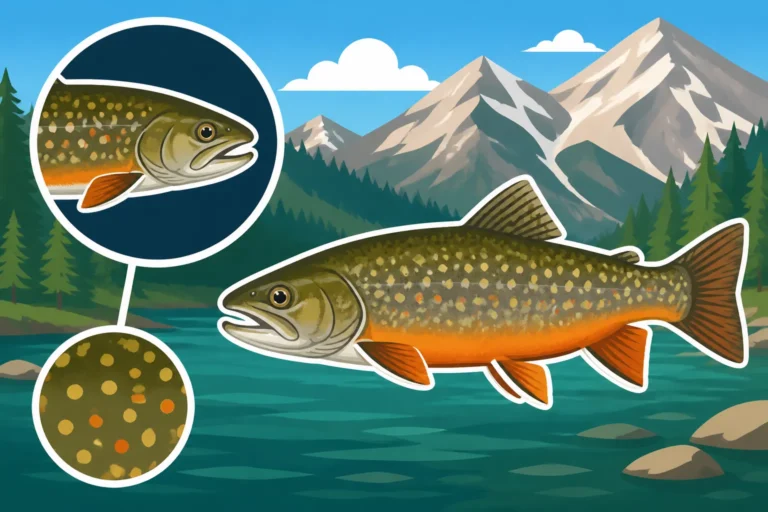
Brook trout are another species you might find stocked, though typically not in the same high-volume, put-and-take fashion as rainbows. These charming, colorful fish are often introduced into high-country lakes and streams, particularly in remote areas where they can establish self-sustaining populations in pristine, cold-water habitats. They're a favorite among backpackers and high-alpine anglers for their vibrant colors and willingness to bite in less pressured waters.
Brown trout, on the other hand, are largely self-sustaining in many of Colorado's famous rivers. While CPW might occasionally stock browns in specific rehabilitation projects or to kickstart a fishery, their wild populations are robust in places like the South Platte and Arkansas rivers. When you catch a large brown trout in a well-known river, there's a good chance it's a wild, naturally reproduced fish. If you're wondering about the overall trout landscape, Colorado's Trout Species, A Field Guide provides a great overview.
Cutthroat trout present a unique case. As Colorado's native trout, extensive efforts are underway to restore and conserve their populations, particularly the various subspecies like the Greenback, Colorado River, and Rio Grande cutthroat. These aren't typically stocked for "catchable" angling in the same way rainbows are. Instead, stocking native cutthroats is part of a complex recovery strategy, often involving releasing small fingerlings into protected waters to help re-establish genetically pure populations. These projects are vital for the ecological health of our state and are distinct from recreational stocking. It’s fascinating to delve into Colorado's Native Cutthroat Trout Subspecies to understand these conservation efforts.
The Intriguing Hybrids: Tiger Trout and Splake
Sometimes, CPW introduces hybrid trout species, primarily for their unique characteristics. The two most notable hybrids you might encounter are tiger trout and splake. These are sterile crosses, meaning they cannot reproduce, which allows fisheries managers to control their populations and impacts on the ecosystem.
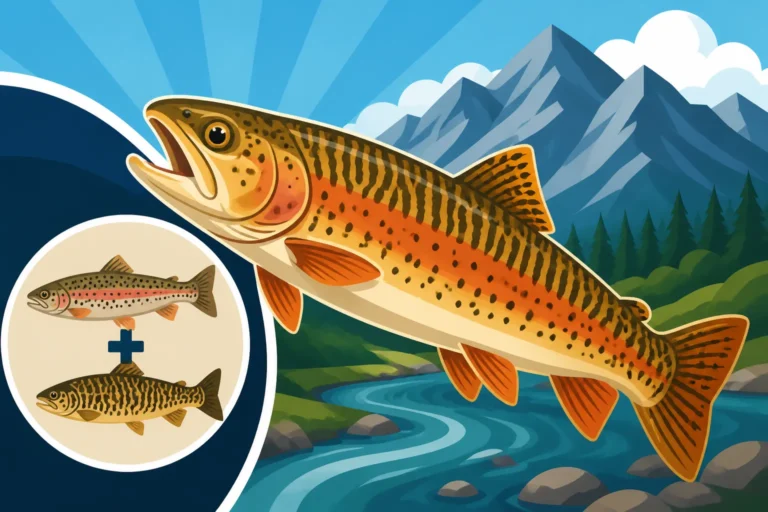
Tiger trout, a striking cross between a brown trout and a brook trout, are highly prized by anglers for their aggressive nature and beautiful, vermiculated patterns that resemble a tiger's stripes. They're often stocked in waters where CPW wants a predatory fish to help control populations of other, less desirable species, or simply to offer an exciting, trophy-potential angling experience. They're known to grow to impressive sizes and put up a formidable fight, making them a sought-after catch. You can dive deeper into Tiger Trout in Colorado, a Hatchery Hybrid for more information on these fascinating fish.
Splake, a hybrid of a brook trout and a lake trout, are another interesting addition. These fish combine the aggressive feeding habits of brook trout with the potential for larger size typical of lake trout. They are often stocked in deeper, colder reservoirs to fill a niche that other trout might not, providing another angling option and sometimes acting as a control on undesirable forage fish. Both tiger trout and splake offer something a little different from your standard rainbow, adding variety to Colorado's fisheries. If you're curious about the other hybrid, we have a whole article on What Is a Splake, and Is It Stocked Anywhere in Colorado?.
The Science Behind Colorado's Stocking Efforts
Stocking trout isn't just about dumping fish into a lake; it's a carefully planned and scientifically driven process managed by Colorado Parks and Wildlife. They're constantly evaluating water conditions, fish populations, and angler demand to make informed decisions about what, where, and when to stock. This meticulous approach ensures that stocking efforts are effective and contribute positively to both the environment and the angling community.
The Purpose Behind the Plant: Why Colorado Stocks Trout
At its core, trout stocking in Colorado serves multiple vital purposes. The most obvious is to enhance angling opportunities. Many waters simply cannot sustain wild trout populations due to habitat limitations, heavy fishing pressure, or environmental factors like temperature fluctuations or low water levels. Stocking ensures that anglers, from seasoned veterans to those just starting out with a rod they found on Amazon, have a reasonable chance of catching fish. This is especially true for our popular urban ponds and reservoirs, which would otherwise offer very limited fishing.
Beyond just putting fish in the creel, stocking also plays a crucial role in conservation. As mentioned, native cutthroat subspecies are stocked to restore their populations in historical habitats. In other cases, sterile fish like tiger trout or splake might be stocked to manage invasive species or control overpopulated forage fish, creating a healthier ecosystem balance. It's a complex dance between providing recreation, supporting conservation, and maintaining ecological integrity.
From Fingerling to Fishing Hole: How CPW Manages Stocking
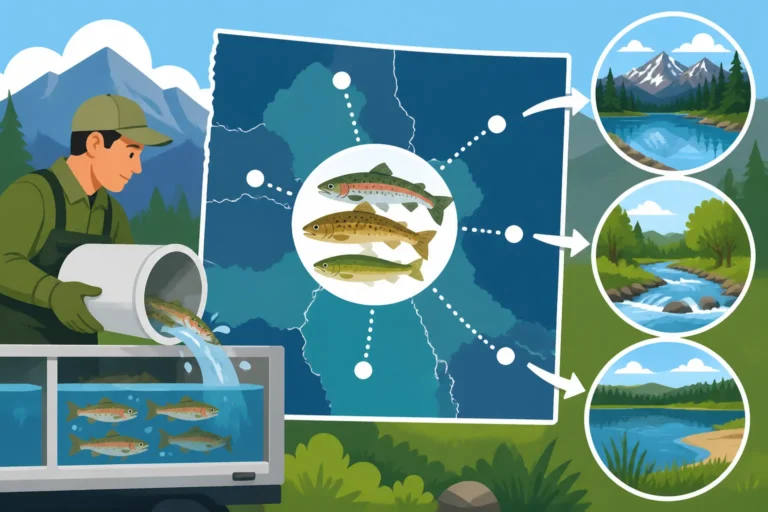
CPW operates several state-of-the-art hatcheries across Colorado, where millions of trout are raised each year. These facilities are meticulously managed to ensure healthy fish are ready for release. The process typically starts with eggs, which hatch into tiny fry, then grow into fingerlings, and eventually, catchable-sized trout. The hatcheries carefully monitor water quality, feed, and disease prevention to maximize the survival and health of the fish.
When it's time for release, the fish are transported in specialized trucks with aerated tanks to various lakes, reservoirs, and rivers across the state. The decision of where to stock is based on a multitude of factors, including water temperature, oxygen levels, available food sources, existing fish populations, and anticipated angler use. They even consider things like public access and ease of transportation. CPW makes much of this information public, which is incredibly helpful for anglers. You can dive into What Colorado's Fishing Atlas Shows You to see maps and data that help you understand stocking patterns and find new places to cast your line.
Getting Ready: Gear and Identification Tips for Stocked Waters
Understanding what's stocked is only half the battle. Knowing how to effectively fish for these species and being able to identify your catch are crucial skills for any Colorado angler. Preparing properly and knowing what to look for can make your fishing trips much more rewarding.
Spotting the Difference: Stocked vs. Wild Trout
When you reel in a trout, you might wonder if it's a wild fish that's lived its entire life in the river or a recent transplant from a hatchery. There are a few telltale signs that can help you distinguish between them. Stocked trout, especially those recently released, often have worn or damaged fins, particularly the dorsal and pectoral fins, due to rubbing against tank walls or other fish in the hatchery environment. Wild trout, by contrast, typically have perfectly formed, undamaged fins.
Stocked fish might also have a more uniform, often paler coloration, sometimes described as a "silver bullet" appearance, especially if they haven't been in the wild for long. Wild trout, living in natural conditions and feeding on a diverse diet, tend to have more vibrant, varied coloring that helps them blend into their specific environment. The size of stocked fish can also be quite uniform in a single release, whereas wild populations will show a wider range of age classes and sizes. Learning these subtle differences will not only impress your fishing buddies but also deepen your appreciation for Colorado's diverse aquatic life. For a deeper dive, check out Identifying Colorado's Native vs Stocked Trout.
Gearing Up for Stocked Waters
Fishing for stocked trout doesn't require overly complex gear, which is great news for beginners or those looking for a relaxing day. A simple spin-fishing setup is often all you need. A lightweight to medium-light spinning rod and reel combo, loaded with 4-6 pound test line, is perfect. Many anglers find great deals on reliable entry-level gear by searching online retailers like Amazon. You don't need the fanciest equipment to catch a freshly stocked rainbow.
When it comes to bait, stocked trout often respond well to common offerings. PowerBait, in its various colors and forms (dough or nuggets), is incredibly effective. Worms, corn, and even small marshmallows can also entice a bite. For artificial lures, small inline spinners, spoons, or jigheads tipped with a grub or worm imitation tend to work wonders. For fly anglers, simple nymph patterns like a pheasant tail or zebra midge, or even small woolly buggers, are usually a safe bet. Having a selection of these basics, perhaps stored in a tackle box you picked up from Amazon, will set you up for success in most stocked waters. And remember, before you head out, be sure you have your Colorado Fishing License Guide for Residents and Nonresidents in order, and if you have kids with you, verify if Do Kids Need a Fishing License in Colorado? applies to them. Knowing the rules and having the right (even basic) gear makes for a much better day on the water.
| Trout Species | Typical Stocking Purpose | Common Characteristics | Preferred Habitats When Stocked |
|---|---|---|---|
| Rainbow Trout | Maximize angler opportunity, put-and-take fisheries | Silver body, pink lateral stripe, black spots; hardy, aggressive | Urban ponds, high-use reservoirs, some rivers |
| Brook Trout | Introduce into high-country lakes/streams, self-sustaining populations | Dark green/brown body, red/orange spots with blue halos; cold water | Remote alpine lakes, small mountain streams |
| Brown Trout | Supplemental stocking, trophy potential (less common as primary stock) | Brown/golden body, red/orange spots with light halos; wary, predatory | Larger rivers, some reservoirs |
| Cutthroat Trout | Native species recovery, conservation efforts | Silver-gold body, black spots, red "cut" mark under jaw; varies by subspecies | Native high-elevation streams, protected recovery waters |
| Tiger Trout | Predatory control, unique angling experience, trophy potential | Distinctive vermiculated pattern (worm-like markings); aggressive | Lakes and reservoirs with forage fish, some rivers |
| Splake | Niche filling in deeper, colder reservoirs | Mottled pattern, similar to brook trout but larger; deep-water preference | Deep, cold reservoirs |
Disclaimer
This article is for general informational purposes only and does not constitute professional advice. Laws, prices and regulations vary by location and change over time. Consult a qualified professional for guidance on your specific situation.