What Colorado’s Record Kokanee Weighed
We’ve all been there, standing on the shore or out on the boat, dreaming of that one monumental catch that truly makes a memory. In Colorado, when it comes to a striking, hard-fighting fish that also tastes incredible, the Kokanee salmon often takes center stage. But what does it really take to land a lunker, and just how big do these landlocked sockeye get here in the Centennial State? This guide dives deep into Colorado's state record for Kokanee, exploring the details and inspiring your own quest for a trophy.
The Allure of Kokanee Salmon in Colorado
There's something uniquely captivating about Kokanee salmon. They're beautiful fish, with their shimmering silver bodies turning a brilliant crimson during their spawning runs. They fight with an impressive vigor, often making multiple powerful runs and headshakes that can test even seasoned anglers. And let's be honest, they're absolutely delicious, making them a highly prized catch.
Why Anglers Love Kokanee
It’s more than just the fight or the flavor, though those are certainly huge draws. For many, the appeal of Kokanee lies in the pursuit itself. They're often found in large schools, which means when you find one, you're likely to find more. This makes for exciting, fast-paced fishing, especially when you're trolling over deep water. There's a certain thrill in watching your downrigger dip or your rod tip bounce, knowing a powerful fish is on the other end. Plus, they're just stunning to look at, particularly when they start to get that deep red hue in the fall. Many anglers feel a genuine connection to these fish, appreciating their beauty and the challenge they present.
Where Kokanee Thrive in Colorado
Colorado's high-altitude reservoirs, with their deep, cold, and clear waters, provide the perfect habitat for Kokanee. These fish are finicky about water temperature, preferring the cooler depths, especially during the warmer summer months. Reservoirs like Blue Mesa, Lake Granby, Dillon Reservoir, Eleven Mile, and Carter Lake are legendary for their Kokanee populations. Each of these waters has its own unique character and challenges, but they all share the fundamental conditions that allow Kokanee to not just survive, but to truly thrive and grow to impressive sizes. Knowing Kokanee Salmon Fishing in Colorado is essential to understanding the nuances of these fisheries.
The Official State Record for Kokanee Salmon
When you're out on the water, every strike holds the potential for something truly special. The idea that your next fish could be a new personal best, or even challenge a state record, is a powerful motivator. For Kokanee salmon, Colorado has a specific benchmark that represents the pinnacle of size.
Unveiling the Record
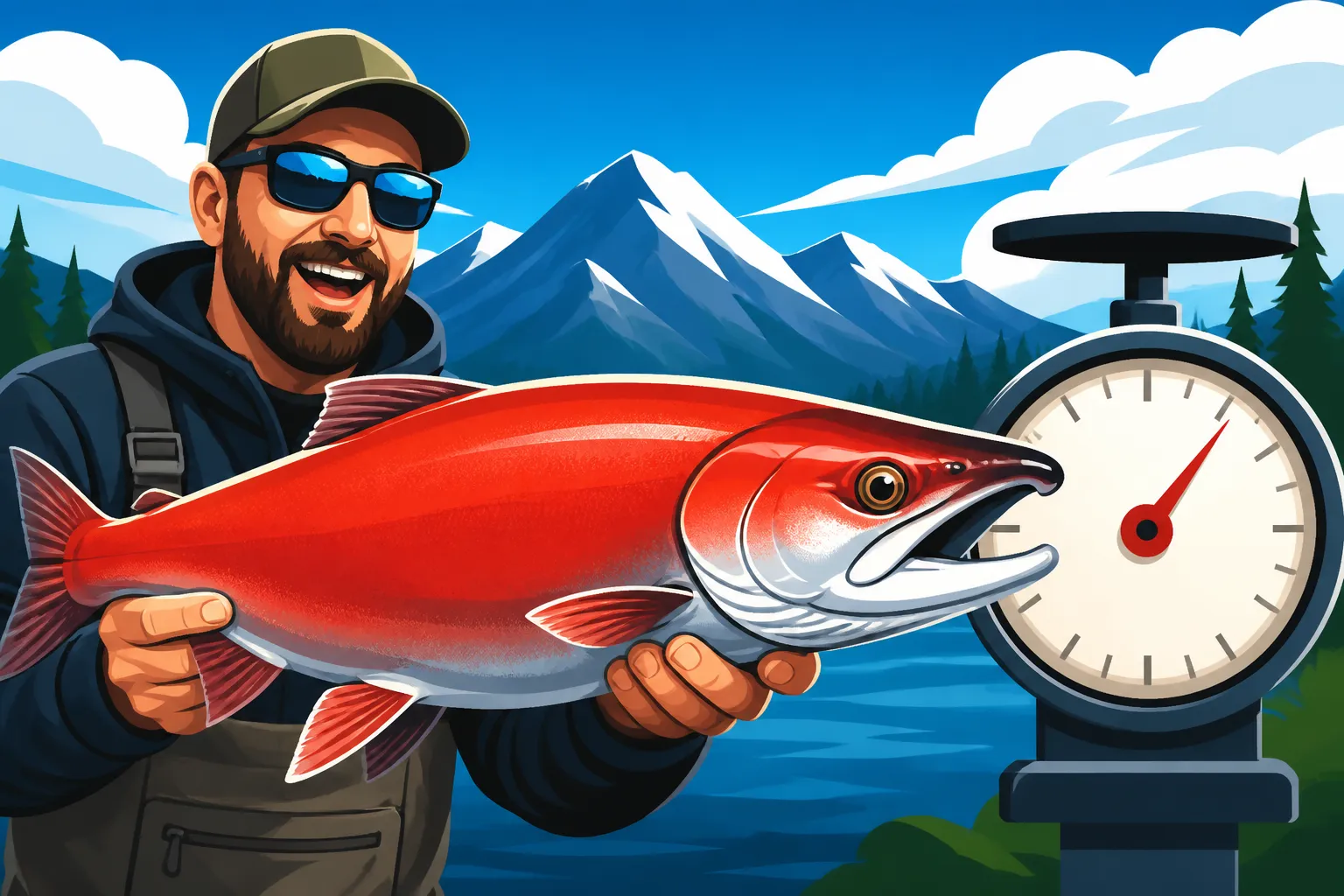
So, what's the magic number? The official state record Kokanee salmon in Colorado weighed in at an astounding 6 pounds, 13 ounces. This magnificent fish was caught by angler Mike Scanlon way back in 1986 on the South Platte River arm of Blue Mesa Reservoir, a legendary body of water that continues to produce incredible fish. Imagine the excitement, the trembling hands, as that behemoth was brought to the net! This record isn't just a number; it's a testament to the potential of Colorado's fisheries and the skill and luck of one very fortunate angler.
The Story Behind the Catch
While the specific details of Mike Scanlon's record-breaking day might be lost to time, we can certainly picture the scene. It was likely a crisp, early autumn morning, perhaps late September or early October, when Kokanee are beginning their epic Kokanee Salmon Spawning Runs in Colorado. Blue Mesa Reservoir, already renowned for its healthy Kokanee population, would have been bustling with anglers hoping for a good day. Mike might have been meticulously Trolling for Kokanee Salmon in Colorado with a specific lure, carefully watching his electronics for signs of schools in the deep water.
That tell-tale strike, a sudden, heavy tug on the line, would have announced something truly different. The powerful runs, the heavy resistance—this wasn't just another Kokanee. As the fish got closer to the boat, its massive size and vibrant spawning colors would have become apparent, sending a jolt of adrenaline through him. The careful netting, the awe-struck gaze at its sheer mass, the frantic search for a scale and a witness—it's a moment every angler dreams of. That fish, over six and a half pounds of pure fighting muscle and rich red flesh, became a legend, setting the bar for all future Kokanee hopefuls. It serves as a constant reminder of the incredible fish that swim beneath the surface of Colorado's waters.
Factors Influencing Kokanee Size and Growth
Landing a record-breaker isn't just about luck; it's about the conditions that allow a fish to grow to such immense proportions. Kokanee salmon, like all fish, are products of their environment. The balance of food, habitat, and thoughtful management by Colorado Parks and Wildlife (CPW) all play critical roles in how large these beautiful salmon can become.
Diet and Forage Availability
For Kokanee, it's all about the plankton. These fish are primarily planktivores, meaning their diet consists mainly of microscopic organisms like zooplankton. Reservoirs that have a rich and abundant supply of zooplankton are crucial for growing large Kokanee. Imagine a buffet table that's always full – that's what a prime Kokanee reservoir needs. When there's plenty of food, the fish don't have to expend as much energy hunting, allowing them to allocate more resources to growth. Conversely, in waters where the food source is scarce, Kokanee tend to be smaller and might not reach their full growth potential. This is a delicate ecosystem balance, where the health of the tiniest organisms directly impacts the size of the biggest fish.
Reservoir Management and Stocking
Colorado Parks and Wildlife plays a vital role in ensuring healthy Kokanee populations. They regularly stock reservoirs with Kokanee fingerlings, carefully considering the carrying capacity of each body of water. Overstocking can lead to stunted growth due to competition for food, while understocking might mean underutilized resources. It's a careful science, balancing the number of fish with the available food and habitat. CPW also manages other fish species in these reservoirs, ensuring that invasive or predatory species don't decimate the Kokanee populations before they have a chance to grow. Knowing How Colorado Decides Which Species to Stock Where provides insight into this complex process. This ongoing management ensures that anglers have a consistent opportunity to catch these prized fish, and that some individuals still have the chance to become truly impressive.
Water Conditions and Habitat
Kokanee salmon are cold-water fish through and through. They prefer water temperatures between 45 and 55 degrees Fahrenheit, which means they'll often be found in the deeper, cooler parts of a reservoir, especially during the summer. Beyond temperature, the water must be well-oxygenated. Deep, stratified reservoirs, where cooler, oxygen-rich water persists even in warmer months, are ideal. The depth provides refuge from warmer surface temperatures and predators, while abundant oxygen keeps them healthy and active. Reservoirs with consistent inflows of cold, fresh mountain water often provide the best conditions. Any changes to water quality, such as pollution or extreme temperature fluctuations, can severely impact their growth and survival. A healthy, stable aquatic environment is the bedrock upon which trophy Kokanee are built.
Chasing Your Own Trophy Kokanee
The state record stands as a magnificent achievement, but you don't need to break it to have an incredible Kokanee fishing experience. Many anglers simply dream of landing a "four-pounder" or a "five-pounder"—a truly substantial fish that provides a thrilling fight and a memorable meal. With the right knowledge and approach, you can significantly increase your chances of finding those bigger fish.
Prime Locations for Big Kokanee
While many Colorado reservoirs hold Kokanee, a few stand out for their consistent production of larger fish. Blue Mesa Reservoir near Gunnison is perhaps the most famous, being the location of the state record and a consistent producer of big Kokanee year after year. Fishing Blue Mesa Reservoir for Kokanee Salmon is a pilgrimage for many dedicated anglers. Its vastness and deep, cold waters make it an ideal environment. Lake Granby and Dillon Reservoir are also excellent choices, offering reliable action and the potential for impressive catches. These larger, deeper bodies of water typically have the stable conditions and abundant forage necessary for Kokanee to reach their maximum potential. Always check local fishing reports and regulations for specific updates on these prime spots.
Essential Techniques and Gear
To consistently hook into bigger Kokanee, you'll need to employ specialized techniques, most notably trolling. This involves pulling lures or bait behind a boat, typically at slow speeds. Because Kokanee often suspend at specific depths, downriggers become indispensable. These devices allow you to precisely control the depth of your lure, getting it right into the strike zone where the fish are holding. For lures, bright colors like pink, orange, or chartreuse are often irresistible. Popular choices include small hoochies, wedding rings, or dodgers paired with a piece of corn or Gulp! bait. You can find a vast array of Lures for Trolling Kokanee Salmon on sites like Amazon, making it easy to experiment with different patterns and colors to see what's working best on any given day. Remember, presentation is key – a slow, methodical troll that mimics natural prey can make all the difference.
Best Times to Target Larger Fish
Timing is everything when it comes to trophy Kokanee. While you can catch them throughout the open water season, certain periods offer a distinct advantage for bigger fish. The late summer and early fall are prime times. As the water begins to cool slightly in August and September, Kokanee start to feed more aggressively in preparation for their spawning runs. This is when they pack on weight and become incredibly active. Leading up to and during the Kokanee Salmon Spawning Runs in Colorado, usually from late September through October, they will move into shallower areas or river inlets, making them more accessible to bank anglers as well, though regulations on snagging or targeting spawning fish can be strict. Understanding Colorado Fishing Season Dates and Bag Limits for Kokanee is crucial to ensure you're fishing legally and ethically. Another excellent period is during "first light" or "last light" – those low-light conditions often bring Kokanee closer to the surface to feed, increasing your chances. For details on specific times at key locations, check out Best Season to Fish Blue Mesa for Kokanee Salmon.
Trophy Kokanee Fishing Considerations
| Factor | Description |
|---|---|
| Depth | Varies by season and time of day, but generally deeper (20-100+ feet) in summer, shallower during spawning runs. Downriggers are essential. |
| Speed | Slow trolling, typically 1.0 to 1.8 MPH. Experiment to find what the fish prefer on a given day. |
| Lure Color | Pink, orange, chartreuse, and sometimes purple are common favorites. Flashy dodgers or flashers paired with a small hoochie or wedding ring. |
| Bait | Tipped with shoepeg corn (often dyed or scented) or Gulp! baits for added attraction. |
| Electronics | A good fish finder is critical for locating schools and determining their depth. You can often find reliable models for your boat on Amazon. |
| Rod/Reel | Light to medium-light action rods with sensitive tips for detecting subtle bites. Spinning or baitcasting reels spooled with light monofilament or fluorocarbon line. |
| Regulations | Always check current Colorado Parks and Wildlife regulations for bag limits, possession limits, and any special restrictions on specific waters, especially during spawning season. Knowing How Many Trout You Can Keep Per Day in Colorado is vital. |
Ultimately, while the state record for Kokanee salmon is an impressive feat, the true joy of fishing for these magnificent creatures lies in the experience. The challenge of the chase, the beauty of the fish, and the delicious reward all combine to make Kokanee fishing one of Colorado's most cherished angling pursuits. Whether you're a seasoned pro or just starting out, the potential for a personal best—or perhaps even a shot at that elusive record—is always just one cast away. Don't forget to grab your Colorado Fishing License Guide for Residents and Nonresidents before you head out!
Disclaimer
This article is for general informational purposes only and does not constitute professional advice. Laws, prices and regulations vary by location and change over time. Consult a qualified professional for guidance on your specific situation.