Lake Trout in Colorado’s Deep Reservoirs
There's a certain kind of awe that settles in when you realize just how deep and cold Colorado's mountain reservoirs truly are, and how they harbor some of the most impressive, elusive fish in the state: lake trout. If you've ever felt the sheer frustration of trying to pinpoint these giants or wondered what it even takes to connect with a fish that lives in such an extreme environment, you're not alone. This comprehensive guide is here to demystify the pursuit of Colorado's deepwater lake trout, offering insights into their biology, their preferred haunts, and the specialized tactics you'll need to bring them to the net.
Unpacking Colorado's Lake Trout: History and Habitat
Lake trout, often affectionately called "lakers," are a fascinating and challenging species that have carved out a unique niche in some of Colorado's largest and deepest reservoirs. They are a testament to the diverse angling opportunities our state offers, moving beyond the more common rainbow or brown trout to a fish that demands a different level of dedication and technique. Understanding their background and why they thrive in specific environments is the first step to successfully targeting them.
What Makes a Lake Trout a Lake Trout?
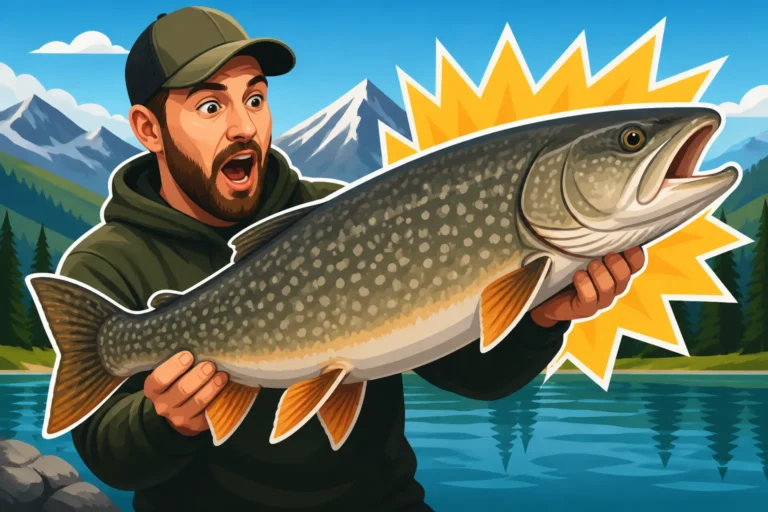
Lake trout (Salvelinus namaycush) are truly impressive fish, members of the char family, distinguished by their elongated bodies, deeply forked tails, and light spots on a darker, often olive-green or grayish background. Unlike many trout species that prefer flowing rivers, lake trout are built for the depths, capable of growing to immense sizes and living for many years. In Colorado, it's not uncommon for anglers to hook into fish weighing well into the double digits, making them a true trophy species. Colorado's State Record Lake Trout is a testament to just how big these fish can get in our waters.
Originally, lake trout are native to the colder, deeper waters of Canada and the northern United States, from the Great Lakes region all the way up to Alaska. They are apex predators in their natural environments, adapted to hunting in vast, open water and navigating complex underwater structures. Their introduction to Colorado's high-altitude reservoirs was a deliberate effort to establish a sport fishery in waters that could replicate their native habitat, offering a new challenge for anglers and diversifying the state's fish populations.
These introductions generally began in the early to mid-20th century, with fish being stocked into newly formed or existing reservoirs that fit their specific environmental needs. The success of these stockings has led to self-sustaining populations in many of these waters, a testament to how well these fish have adapted to their adopted homes. They've become a vital part of the ecological balance in these reservoirs, preying on other fish species and contributing to the overall health of the aquatic ecosystem.
Why Deep Reservoirs Are Their Chosen Home
The primary driver for lake trout distribution in Colorado is simple: cold water and abundant oxygen. As cold-blooded creatures, their metabolic rates and activity levels are intrinsically linked to water temperature. They thrive in environments where water temperatures remain consistently in the 40s and 50s Fahrenheit, which in Colorado, usually means significant depth, even in the hottest summer months.
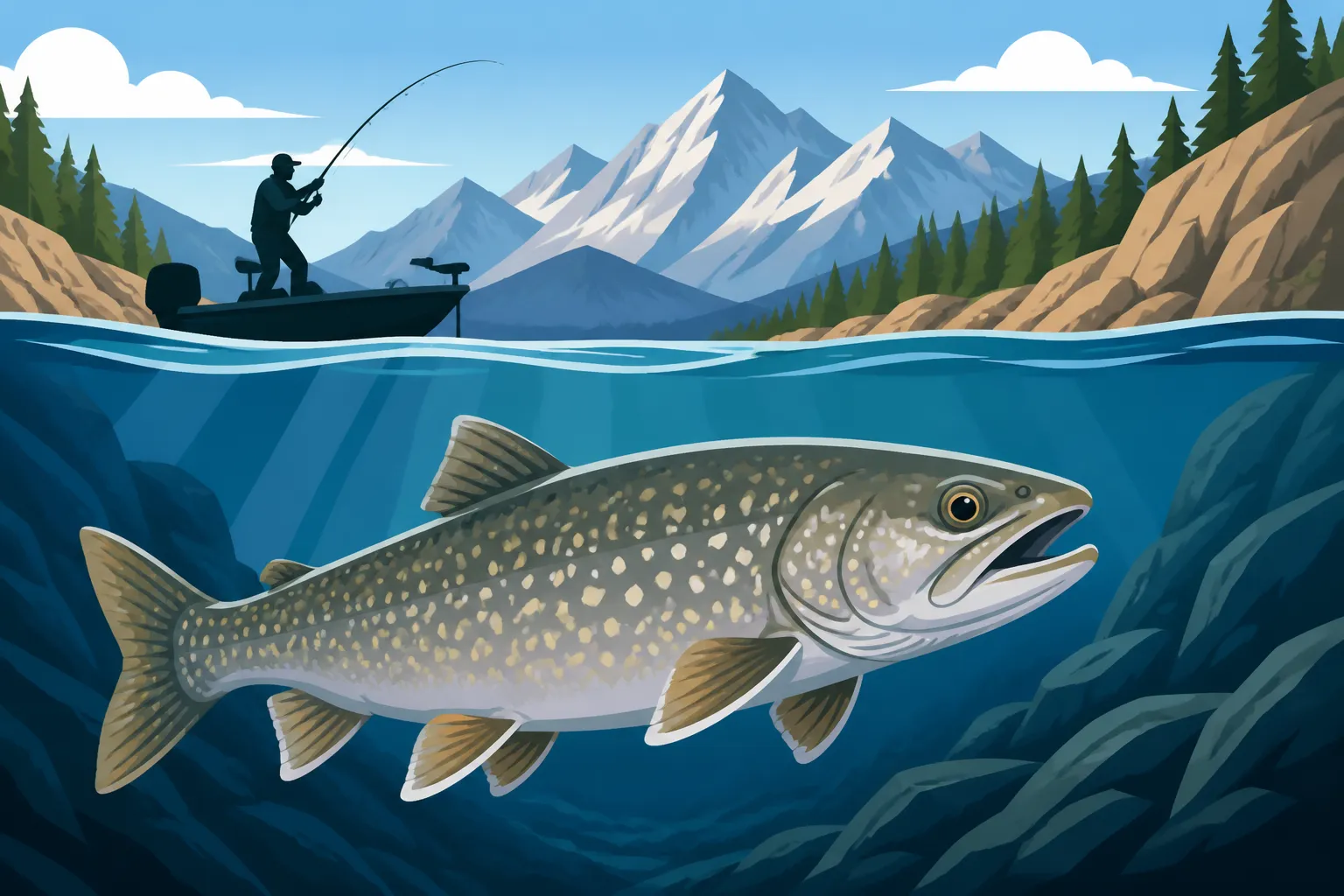
During the warmer parts of the year, particularly from late spring through early fall, Colorado's deep reservoirs develop a distinct thermocline. This is a layer of rapidly changing water temperature that separates the warmer surface water (epilimnion) from the colder, deeper water (hypolimnion). Lake trout will almost exclusively inhabit the hypolimnion, or just above it, where their preferred temperatures and oxygen levels are met. They might make brief forays into shallower water during low-light conditions or when actively pursuing baitfish, but their comfort zone is undoubtedly down deep.
Beyond temperature, a consistent forage base is absolutely crucial for lake trout to grow to their impressive sizes. In many of Colorado's prime lake trout reservoirs, their diet largely consists of other stocked or native fish species, most notably kokanee salmon. These smaller, schooling salmon provide a protein-rich food source that allows lake trout to pack on weight rapidly. Other prey might include smaller trout, suckers, or even crayfish, depending on the specific water body. The presence of these food sources dictates where lake trout will congregate, often around deep points, humps, or submerged structures where baitfish schools are also found.
Top Colorado Reservoirs for Lake Trout Fishing
When you're chasing lake trout in Colorado, you quickly learn that not all deep reservoirs are created equal. While many waters might hold some lakers, a select few stand out as true bastions for these deepwater denizens, offering consistent opportunities for both numbers and trophy-sized fish. These are the places where the effort of targeting lake trout truly pays off, drawing anglers from across the state and beyond.
Blue Mesa Reservoir: The Crown Jewel
Without a doubt, Blue Mesa Reservoir near Gunnison holds the undisputed title as Colorado's premier lake trout destination. It's a vast expanse of water, stretching for miles and boasting depths that can exceed 300 feet in places. This sheer volume of cold, oxygenated water, combined with an incredibly healthy population of kokanee salmon, creates the perfect environment for lake trout to not just survive, but to truly thrive and grow to gargantuan proportions. Many of the state's largest lake trout have come from Blue Mesa, and it's where you'll find some of the most dedicated laker anglers. If you want to know Why Blue Mesa Grows Such Large Lake Trout, the answer is complex but rewarding.
Fishing Blue Mesa means covering a lot of water and understanding its complex underwater topography. There are numerous deep channels, submerged islands, rocky points, and expansive flats where lake trout can be found. Successful anglers often focus on areas where kokanee salmon schools are present, as the lakers will be lurking nearby, ambushing their prey. This can involve trolling large spoons and crankbaits at precise depths, or vertically jigging over known structure. The size of Blue Mesa means you could spend years exploring its waters and still discover new hot spots. For specific tactics, read our guide on Fishing Blue Mesa Reservoir for Lake Trout.
The challenge of Blue Mesa is part of its allure. It can be intimidating due to its size and depth, and weather conditions can change rapidly, but the reward of hooking into a truly massive lake trout from this reservoir is an experience that keeps anglers coming back year after year. It's a place where patience, persistence, and the right gear truly make a difference in your success rate.
Other Notable Deepwater Sanctuaries
While Blue Mesa often steals the spotlight, Colorado is blessed with several other fantastic reservoirs that offer excellent lake trout fishing. Each has its own unique character and challenges, but all share the common traits of deep, cold water and a good forage base.
The Grand Lake/Lake Granby system in Grand County is another exceptional choice. Grand Lake, Colorado's deepest natural lake, connects via a channel to the massive Lake Granby, which is also incredibly deep. This system supports a robust lake trout population, some of which also grow to impressive sizes. What makes this area unique is the connection between the two bodies of water, allowing fish to move between them. Targeting lake trout here often involves similar trolling and jigging strategies to Blue Mesa, focusing on the deep basins and submerged creek channels. You'll often find anglers specifically targeting these fish right after ice-out or during late fall when they can be a bit more accessible.
Dillon Reservoir in Summit County, nestled high in the Rockies, is another significant lake trout fishery. While perhaps not known for the sheer size of Blue Mesa's monsters, Dillon offers consistent action for good-sized lakers, especially through the ice. Its high elevation contributes to consistently cold water temperatures, even in summer, making it ideal for these fish. Dillon also holds a healthy population of kokanee salmon, providing ample food. Access is good, and you'll find plenty of opportunities for both boat and shore-based fishing (where depths allow) depending on the season.
Finally, don't overlook Taylor Park Reservoir near Almont and Twin Lakes near Leadville. Taylor Park is a high-altitude gem known for its trophy potential, though it can be a tougher nut to crack due to its somewhat smaller size and clearer waters that can make fish warier. Twin Lakes, on the other hand, is a historic and scenic spot where lake trout thrive in its deep, glacially carved basins. While the fishing can be challenging, these reservoirs consistently produce quality lake trout for those willing to put in the time and effort. Both offer fantastic opportunities for those seeking a more remote or unique lake trout experience away from the busier spots.
Essential Gear for Deepwater Lake Trout Angling
Targeting lake trout is not your average trout fishing experience. These fish live in a different world – one of immense depth, cold temperatures, and often, powerful currents. To consistently connect with them, you need specialized gear that can withstand the rigors of deepwater fishing and provide the sensitivity, strength, and precision required. Skimping on tackle here can lead to heartbreak.
Rods, Reels, and Line: Building Your Foundation
For trolling, which is one of the most effective ways to cover vast amounts of water and present lures at precise depths, you'll want heavy-action trolling rods, typically 7 to 9 feet long. These rods need a strong backbone to handle heavy weights (like downrigger balls or lead core line) and to absorb the powerful runs of a large laker. Matching these with sturdy levelwind reels that have line counters is crucial. A line counter allows you to consistently drop your lure back to the exact depth where you're marking fish or bait. For durability and minimal stretch, many anglers opt for braided line as their main line, often spooled over a monofilament backing, and then add a fluorocarbon leader for stealth. You can find excellent options for these specialized trolling setups, including line counter reels and heavy-duty braided lines, on Amazon.
When jigging for lake trout, especially vertically over structure or through the ice, sensitivity becomes paramount. You'll want a medium-heavy to heavy action spinning or baitcasting rod, typically 6 to 7 feet long for boat fishing, or much shorter, stout ice rods for winter. The rod tip needs to be sensitive enough to detect subtle bites in deep water, while the backbone must be strong enough to muscle up a heavy fish. Paired with a high-quality spinning or baitcasting reel, spooled with 20-30 pound braided line, this setup offers the necessary strength and feel. The lack of stretch in braid transmits even the slightest bump from deep down.
For ice fishing, specifically for lake trout, you're looking for short, stout rods, usually 28 to 40 inches long, with a strong backbone. These rods are designed to handle heavy lures and the power of a deepwater fish. Reels are typically sturdy spinning reels, again spooled with braided line for maximum sensitivity and strength in cold conditions. You might also employ tip-ups, which are essentially passive fishing devices that use a flag to signal a bite, often rigged with heavier mono or fluorocarbon.
Electronics and Navigation
In the deep, dark world of a lake trout, you are absolutely blind without proper electronics. A good fish finder (sonar unit) is not just helpful; it's practically non-negotiable for consistent success. You need a unit capable of reading deep water clearly, distinguishing between fish, baitfish schools, and underwater structure. Modern side-imaging and down-imaging technologies can provide incredibly detailed views of the bottom and surrounding water column, helping you pinpoint exactly where lake trout are holding.
Coupled with sonar, a reliable GPS unit with detailed mapping is equally vital. Lake trout often relate to specific underwater features like humps, submerged rock piles, drop-offs, and old creek beds. A GPS allows you to mark these waypoints, navigate precisely back to productive areas, and effectively "pattern" the fish. Mapping software that shows bathymetric contours (underwater depths) is a game-changer, helping you identify potential holding areas even before you drop a line. Many modern fish finders integrate GPS and mapping into a single, powerful unit.
These tools are not just for finding fish; they're for understanding the environment. Being able to see the thermocline, identify schools of kokanee, and understand how the lake trout are relating to structure at various depths dramatically increases your efficiency and success. Without them, you're essentially guessing, which in the vastness of a Colorado reservoir, can feel like searching for a needle in a haystack.
Lures and Baits: What Gets Their Attention
Lake trout are formidable predators, and their diet in Colorado's reservoirs heavily influences the types of lures and baits that prove most effective. Often, these lures are designed to mimic their primary forage: kokanee salmon and other baitfish.
For trolling, large spoons are a perennial favorite, with names like Northern King, Doctor Spoon, and Dodger/Squid combos being popular. These spoons wobble and flash, imitating an injured baitfish. Large crankbaits and stickbaits that can dive to significant depths are also excellent choices, especially those with rattles or realistic baitfish patterns. Color choices can vary by water clarity and conditions, but natural baitfish patterns, silver, blue, chartreuse, and sometimes even hot pinks can be very effective.
When jigging, tube jigs are arguably the most popular and effective lure for lake trout. These soft plastic tubes, often 3 to 6 inches long, are rigged with an internal lead head and impart a tantalizing spiral or darting action as they fall. White, glow, green, and motor oil colors are common. Bucktail jigs, vertically jigged spoons (like Crippled Herring or Swedish Pimple), and even large soft plastic swimbaits can also be deadly. The key is a strong, sharp hook and enough weight to get down to the fish quickly.
While many anglers prefer artificial lures, natural bait can also be incredibly effective, especially for wary or less active fish. Cut bait, typically from a sucker or dead kokanee (check regulations for specific waters, as bait restrictions vary, and some areas may prohibit the use of game fish as bait), fished on a dropper rig or under a slip bobber, can be irresistible. Live minnows, where permitted, are also excellent. The scent and natural appeal of bait can often trigger bites when artificials are ignored. Always consult the Colorado Fishing Regulations Every Angler Should Know before using live or cut bait to ensure compliance with local rules, especially concerning invasive species prevention.
Proven Techniques for Catching Colorado Lake Trout
Lake trout are not typically found cruising in the shallows like rainbows or browns in a stream. Their preference for deep, cold water means that specialized techniques are required to consistently put them in the boat or on the ice. These methods are designed to present lures at specific depths, entice bites from sometimes lethargic fish, and cover the vast expanses of their deepwater homes.
Mastering the Art of Trolling
Trolling is arguably the most popular and often most effective method for targeting lake trout in Colorado's large reservoirs. It allows you to cover vast amounts of water, searching for schools of baitfish and the lake trout that accompany them, all while presenting your lure at a consistent, precise depth. The key to successful trolling for lakers lies in depth control and speed. Trolling Techniques for Colorado Reservoirs will give you a deeper dive into these methods.
The backbone of deepwater trolling for lake trout is the downrigger. This piece of equipment allows you to deploy a heavy lead ball (the "downrigger ball") to a precise depth, with your fishing line clipped to a release mechanism on the ball. When a fish strikes, the line releases from the clip, and you fight the fish directly without the weight of the ball. Downriggers are invaluable for getting lures into the 50-150 foot range, or even deeper, where lake trout often reside. Running multiple rods at different depths with downriggers allows you to quickly find the fish's preferred zone.
Alternatives to downriggers include lead core line and diving planes. Lead core line is a specially weighted fishing line that sinks at a predictable rate per color (each color is 10 yards, and typically sinks 5-7 feet). By letting out a certain number of colors, you can estimate your lure's depth. While less precise than a downrigger, it's a more accessible option. Diving planes or Dipsy Divers are disc-shaped devices that pull your line down to a set depth when trolled, and also release when a fish strikes. Regardless of the method, matching your trolling speed (often 1.5 to 3.0 mph for lakers, but this varies) to the activity level of the fish and the action of your lure is crucial.
Jigging for Suspended and Bottom-Hugging Lakers
When lake trout are concentrated over specific structure, such as a deep hump, a submerged point, or a school of baitfish, vertical jigging can be incredibly productive. This technique involves dropping a heavy jig directly down to the fish and imparting a jerking, lifting, and dropping motion to make the lure dance and attract strikes.
The precision of vertical jigging relies heavily on your electronics. You need to be able to see your lure on the sonar screen as it descends, and identify where the fish are holding in relation to the bottom or suspended bait. Once you're over the fish, maintaining boat position (often with a trolling motor or spot-lock feature) is key. The motion of the jig can be varied: sharp snaps, subtle lifts, or even dead-sticking it (holding it still) can all be effective depending on the fish's mood. Sometimes, a slow, methodical lift and drop is all it takes; other times, an aggressive "rip jigging" motion is what triggers a reaction strike.
Beyond the classic vertical jig, drop-shot rigs can also be effective for bottom-hugging lake trout. This rig places a weight at the very bottom of the line, with the hook (and bait or soft plastic) tied several inches or feet above it. This keeps your presentation perfectly off the bottom, even in current or when bouncing the weight, giving the lure a more natural appearance. The beauty of jigging is the direct interaction with the fish – you feel every bump, every twitch, and the thrilling moment of the strike.
Ice Fishing for Lake Trout
When Colorado's deep reservoirs freeze over, a whole new world of lake trout angling opens up: ice fishing. This can be one of the most exciting and productive times to target lakers, as you can directly access areas that are difficult to reach by boat in open water, or precisely target specific underwater features. If you're new to the sport, start with our Ice Fishing in Colorado, Getting Started guide.
Essential gear for ice fishing lake trout includes a powerful ice auger (gas, propane, or electric are all popular) to cut through thick ice, and a portable ice fishing shelter (shanty) for protection from the elements. A portable propane heater can make long days on the ice much more comfortable. For fishing, specialized short, stiff ice rods paired with spinning reels are used for jigging. Many anglers also deploy tip-ups, which are set over holes and use a flag to signal a bite, allowing you to cover more water. Jigging for Lake Trout Through the Ice requires specific gear and tactics.
Strategies for ice fishing lake trout often involve finding deep structure – points, humps, or drop-offs – and drilling a series of holes. Your portable fish finder (flasher or LCD unit) is indispensable here, showing you the depth, structure, and any fish that pass beneath your hole. Large tube jigs, heavy spoons, and bucktail jigs are standard offerings, often tipped with a piece of cut bait for added scent appeal. The jigging motion is similar to open water, but you're working within a much smaller, more focused zone. Patiently working different depths and varying your presentation is often the key to success.
Seasonal Approaches to Lake Trout Fishing
Lake trout, like all fish, are creatures of habit, but their habits shift dramatically with the changing seasons in Colorado. Water temperature is the primary driver of these changes, dictating where they hold, what they eat, and how aggressively they feed. Understanding these seasonal patterns is critical for consistent success, allowing you to adapt your techniques and focus your efforts when and where they'll be most productive. For general seasonal advice, check out Colorado Fishing Seasons Month by Month.
Spring and Early Summer: The Shallow Window
As the ice melts away from Colorado's reservoirs in early spring, there's a unique, albeit often brief, "shallow window" for lake trout fishing. After a long winter under the ice, and before the water warms significantly, lake trout can sometimes be found in shallower depths than they typically prefer. This is often related to their post-spawn recovery (if they spawned under the ice) and a desire to feed more actively as metabolic rates increase.
During this period, which usually runs from ice-out through late May or early June, lake trout might be found in the 20-60 foot range, closer to shorelines, rocky points, or submerged islands. The entire water column is still quite cold and well-oxygenated, so they aren't yet pushed to the extreme depths by a thermocline. Anglers can sometimes find success casting from shore in specific spots or trolling shallower diving lures that might be ignored later in the summer. However, as the sun gets stronger and surface temperatures begin to rise, this shallow window quickly closes, and the fish begin their migration to deeper, cooler water.
This transitional period can be a fantastic time for aggressive fish, but it requires diligent monitoring of water temperatures. Once the thermocline starts to establish itself, usually around June, you'll need to pivot quickly to deeper tactics.
Mid-Summer: The Deep Chill
Mid-summer, typically July and August, is when Colorado's lake trout truly settle into their deep-water comfort zones. The surface waters become too warm for them, and they seek refuge below the thermocline where temperatures remain consistently cold and oxygen levels are high. This means you'll almost exclusively find them in depths ranging from 60 to over 200 feet, often relating to the deepest parts of the reservoir, submerged canyons, or prominent underwater structures. How Deep Lake Trout Hold in Summer is something every laker angler should know.
During this period, efficient deepwater techniques like downrigger trolling and vertical jigging become paramount. You'll spend a lot of time watching your fish finder, searching for bait balls (often kokanee salmon) and the characteristic arches of lake trout lurking nearby. Presentation is key, as these fish can sometimes be lethargic in the depths. Slow, deliberate retrieves or subtle jigging motions might be more effective than aggressive presentations. This is also when having specialized electronics, like a good fish finder and mapping, truly pays off. If you're looking to upgrade your sonar or find detailed mapping cards for your unit, a quick search on Amazon can show you the latest options.
It's a challenging time of year, demanding patience and the right equipment to consistently reach the fish. However, for those who master the deep-water game, summer can yield some of the biggest lake trout as they continue to feed heavily on the abundant kokanee.
Fall and Winter: Spawning Runs and Ice Fishing
As the days shorten and water temperatures begin to drop in the fall, lake trout undertake one of their most significant seasonal migrations: the spawning run. Unlike rainbow or brown trout that typically spawn in spring, lake trout in Colorado spawn in the fall, usually from late September through November, depending on water temperatures. During this time, they move from their deep-water summer haunts into shallower areas, typically rocky shoals, points, and reefs, often in 10-50 feet of water.
This pre-spawn and spawning period can offer some of the most exciting lake trout fishing of the year. The fish are often aggressive and focused on reproduction, making them more accessible to anglers. Trolling with large spoons and crankbaits or casting heavy jigs to rocky structure can be incredibly effective. However, it's also a time for responsible angling, as these fish are vulnerable during their spawning activities. Always handle them with care, especially if practicing catch and release.
As winter settles in and the reservoirs begin to freeze over, the focus shifts to ice fishing. The first ice of the season can be particularly productive, as lake trout are still relatively shallow and active, often relating to the same rocky structures they used for spawning. As the ice thickens and winter progresses, they might retreat to deeper basins, but remain catchable through the ice. Jigging with tube jigs and spoons, often tipped with bait, is the dominant tactic. Remember that staying warm is crucial for winter angling, and finding quality base layers, insulated bibs, and gloves on Amazon can make all the difference in your comfort and endurance on the ice. Always prioritize safety on the ice, checking thickness regularly and being aware of changing conditions.
Table: Key Colorado Lake Trout Reservoirs Comparison
To help visualize some of the differences and commonalities among Colorado's premier lake trout waters, here's a quick comparison:
| Reservoir | Primary Location | Max Depth (Approx.) | Primary Forage | Common Techniques | Trophy Potential | Accessibility |
|---|---|---|---|---|---|---|
| Blue Mesa Reservoir | Gunnison | 300+ feet | Kokanee Salmon | Trolling, Jigging, Ice Fishing | High | Good (Boat ramps) |
| Lake Granby | Granby | 200+ feet | Kokanee Salmon | Trolling, Jigging, Ice Fishing | High | Good (Boat ramps) |
| Dillon Reservoir | Summit County | 200+ feet | Kokanee Salmon | Jigging, Ice Fishing | Medium-High | Good (Boat ramps) |
| Twin Lakes | Leadville | 100+ feet | Kokanee Salmon, Suckers | Trolling, Jigging | Medium-High | Moderate (Boat ramps) |
| Taylor Park Reservoir | Almont | 180+ feet | Kokanee Salmon | Trolling, Jigging | High | Moderate (Boat ramps) |
| Grand Lake | Grand Lake | 265 feet | Kokanee Salmon | Trolling, Jigging, Ice Fishing | Medium-High | Good (Boat ramps) |
Keep in mind that regulations, seasonal closures, and conditions can vary, so always check the latest Colorado Parks and Wildlife regulations before heading out. For example, Colorado Fishing License Guide for Residents and Nonresidents is a great place to start before any trip. Furthermore, be sure to understand Colorado Fishing Season Dates and Bag Limits for specific species and locations you plan to fish.
Disclaimer
This article is for general informational purposes only and does not constitute professional advice. Laws, prices and regulations vary by location and change over time. Consult a qualified professional for guidance on your specific situation.