Can You Keep Nongame Fish You Catch in Colorado?
You've had that experience, right? You're enjoying a peaceful day by a Colorado river or lake, maybe you're casting for trout or bass, and then you reel in something… different. It's not one of the usual suspects, and suddenly you're faced with a question: "Can I actually keep this fish? Or should I release it?" The rules around "nongame fish" in Colorado can definitely feel like a murky topic, leaving many of us scratching our heads. This guide is here to clear up that confusion, helping you understand exactly what a nongame fish is, whether you can keep it, and how to fish responsibly for all species in our beautiful state.
What Exactly Are Nongame Fish in Colorado?
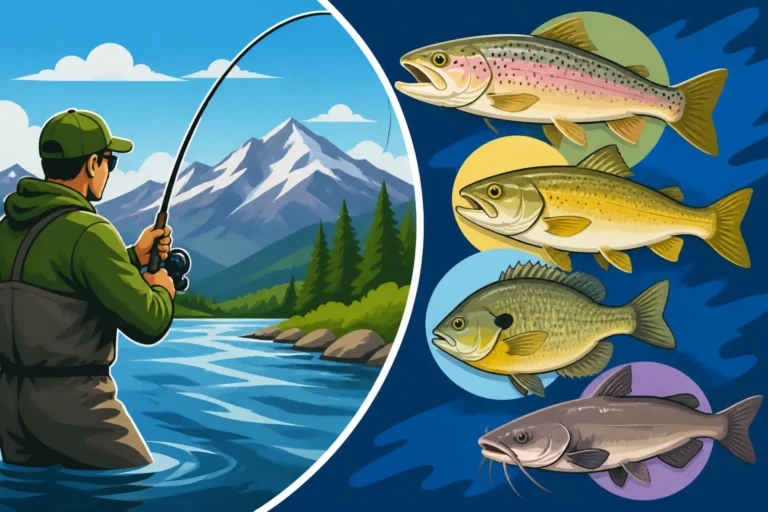
When we talk about fishing in Colorado, most folks immediately think of trout: rainbow, brown, cutthroat, brook. Maybe some bass, walleye, or kokanee salmon. These are generally considered "game fish" – species that are highly valued for their recreational angling qualities, their size, or their table fare. Colorado Parks and Wildlife (CPW) actively manages these populations, often with stocking programs, specific bag limits, and length restrictions to maintain healthy fisheries for sport anglers.
But Colorado's waters are teeming with a much wider variety of aquatic life, and not all of it falls into the "game fish" category. These other species, often less glamorous in the eyes of the typical sport angler, are what we generally refer to as "nongame fish." They play vital roles in the ecosystem, sometimes as prey, sometimes as bottom feeders, and sometimes as indicators of water quality. Understanding the distinction is the first step in knowing how to approach them legally and ethically.
Defining "Nongame" vs. "Game" Species
The simplest way to think about it is this: if CPW doesn't list specific bag and possession limits for a species in the main trout, salmon, or warmwater fish sections of their regulations brochure, it's very likely considered a nongame fish. Game fish are explicitly managed for sport. Think of species like:
- Trout: Rainbow, Brown, Brook, Cutthroat, Lake Trout, Tiger Trout
- Salmon: Kokanee Salmon
- Bass: Largemouth, Smallmouth, Wiper (a hybrid striped bass)
- Pike: Northern Pike
- Walleye: Walleye
- Panfish: Yellow Perch, Crappie, Bluegill (though some panfish have very generous limits, they are still "game" in classification)
Nongame fish, on the other hand, include a diverse group of species that are not typically pursued for sport in the same way. These are often native species, though sometimes they can be invasive. They're often crucial to the food web but don't draw the same angling pressure or management focus from a recreational perspective. The specific regulations are often found in a separate section of the CPW regulations brochure, usually titled something like "Nongame Fish" or "Other Species."
Common Nongame Species You'll Encounter
Colorado's waters host a fascinating array of nongame fish. You might be surprised by how many different types there are, even in your local fishing hole. Here are some of the most common ones you're likely to encounter:
- Suckers: These are incredibly common throughout Colorado, especially in rivers and larger lakes. There are several species, including White Suckers, Longnose Suckers, and Flannelmouth Suckers. They're bottom feeders, often found rooting around for insects and algae. They can grow quite large, and while not known for their fighting prowess, they provide an important food source for larger fish, eagles, and other wildlife. You can find more details about these often overlooked species in Suckers and Chubs, Colorado's Overlooked Native Fish.
- Carp: The Common Carp is probably the most well-known nongame fish in Colorado. They are an introduced species and can grow to impressive sizes, offering a powerful fight on a rod and reel. While many anglers consider them a nuisance, they are a popular target for bowfishing and some dedicated anglers. Grass Carp are also present in some waters, often introduced for aquatic vegetation control.
- Chubs and Dace: These smaller, often minnow-like fish, such as Creek Chubs, Fathead Minnows, and Speckled Dace, form the base of the food chain in many streams and rivers. They rarely grow large enough to be targeted by anglers, but they are crucial prey for trout and other predatory fish.
- Catfish (Channel Catfish): While Channel Catfish are a popular game fish in some states, in Colorado, particularly in many warmwater reservoirs, they are often considered nongame by many anglers due to less stringent regulations compared to trout. However, they are highly sought after for their fighting ability and delicious table fare. CPW does manage them, but often with very generous limits.
- Other Minnows: Various other small minnow species populate Colorado's diverse waterways, each playing a small but essential role in the intricate aquatic ecosystems.
It's important to remember that some species, particularly native ones, may have special protections even if they aren't considered "game fish." Always consult the official CPW regulations before heading out. A quick check of Colorado's Fishing Regulations Every Angler Should Know can save you a lot of trouble.
The Rules for Keeping Nongame Fish in Colorado
So, you've caught a fish that isn't a trout or a walleye – say, a sucker or a carp. Can you toss it in the cooler? For most common nongame species in Colorado, the answer is often a resounding "yes," and usually with very liberal or no limits at all. This might come as a surprise to some, especially if you're used to the strict bag limits applied to trout or kokanee salmon. However, it's not a blanket rule, and knowing the specifics is key to staying legal and responsible.
The overarching principle is that if a species isn't specifically listed with a daily bag and possession limit in the game fish sections of the regulations, it generally falls under the "nongame" category, which often means you can keep as many as you'd like. But there are crucial nuances and exceptions you need to be aware of.
General Statewide Regulations
For many of the widespread nongame species like common carp, white suckers, or northern pike (in waters where their removal is encouraged), Colorado generally allows you to harvest them without daily bag or possession limits. This means you can keep as many as you can reasonably use or process. The reasoning behind this is often related to their abundance, their status as an introduced or invasive species, or simply because they aren't under the same management pressure as sport fish.
For example, if you're out on a reservoir and you're catching a lot of common carp, you can usually keep them for consumption (they can be quite tasty if prepared correctly!) or for use as fertilizer in your garden. The same often applies to various species of suckers, which some people do enjoy eating. This makes it a great opportunity for families or those looking for a different kind of angling experience. Always double-check the current Colorado Fishing Season Dates and Bag Limits for any last-minute changes or water-specific rules.
Exceptions and Local Peculiarities
Here's where it gets a little more complicated, and why it's absolutely vital to check the current year's CPW regulations brochure or their online Fishing Atlas before every trip. While many nongame fish have no limits, there are important exceptions:
- Native or Endangered Nongame Species: Colorado is home to several native fish that are considered nongame but are also endangered, threatened, or species of special concern. These include various species of chubs and minnows, particularly in the Colorado River basin. For these species, possession is strictly prohibited, and accidental catches must be immediately released unharmed. Fishing for these species is generally not allowed, and areas where they are present might have specific restrictions. It's truly heartbreaking to unknowingly harm these fragile populations. Learning about What Colorado's Endangered and Threatened Fish are can help you protect them.
- Invasive Species with Specific Removal Directives: Sometimes, CPW wants you to keep certain species to help manage populations that are harmful to native or sport fish. Northern Pike are a prime example in some specific waters. While pike are considered a game fish in many areas, in certain sensitive ecosystems, especially those managed for native cutthroat trout, they are classified as an invasive predator that must be removed if caught. This is why you'll see regulations like "Northern Pike, no bag or possession limit, must be immediately killed and cannot be returned to the water" in some areas. This effort helps protect more vulnerable species, as detailed in Why Colorado Culls Pike From Some Waters.
- Water-Specific Regulations: Just like with game fish, regulations can vary significantly from one body of water to another. A lake might have different rules than a river, or even different sections of the same river. Some urban ponds, for instance, might have specific rules for all fish, including common species, to manage their small populations. Always look for signage at the access point, or consult the CPW's interactive Fishing Atlas, which can be found by searching online. What Colorado's Fishing Atlas Shows You can be an invaluable tool for this.
So, while the general rule for common nongame fish might be "keep as many as you want," never assume. Always verify with the most current regulations to avoid an unfortunate encounter with a game warden.
Using Nongame Fish as Bait
Another practical application for some nongame fish, particularly smaller species like suckers or fathead minnows, is their use as live or dead bait. This is where Colorado's regulations get especially tight, and for good reason. Introducing non-native species or even native species from one watershed into another can devastate existing ecosystems by spreading disease or establishing invasive populations.
Generally, Colorado has very strict rules about using live fish as bait. In many waters, especially those managed for trout or native fish, using live fish as bait is illegal. In waters where it is allowed, the bait fish usually must have been caught from the same body of water where you intend to use them, or purchased from a certified dealer and used only in certain drainages. This prevents the accidental introduction of undesirable species. Why Colorado Bans Live Bait Fish in Some Waters explains the critical importance of these rules.
Dead bait fish, such as cut pieces of sucker or carp, may be allowed in more waters, but again, always check the specific regulations for the body of water you're fishing. It's a critical detail that many anglers overlook, and ignorance of the law is no excuse for accidentally harming a fishery. You can find many alternative baits on platforms like Amazon if live bait isn't an option for your chosen fishing spot.
Why Distinguish Between Game and Nongame Fish?
It might seem arbitrary to classify some fish as "game" and others as "nongame," especially when many nongame species are important ecologically. However, this distinction isn't just about angler preference; it's a fundamental aspect of fisheries management and conservation that helps maintain healthy aquatic ecosystems across the state. The way CPW manages these two categories reflects different goals and priorities for our waters.
When you understand the reasoning behind these distinctions, it helps you become a more informed and responsible angler. It’s not just about what you can do, but what you should do to protect Colorado’s incredible natural resources for future generations.
Conservation and Management Goals
The primary reason for distinguishing between game and nongame fish is rooted in conservation and management. Game fish, because they are actively sought by anglers, often require more intensive management to sustain their populations. This includes:
- Stocking Programs: CPW annually stocks millions of trout and other game fish into Colorado's lakes and rivers to enhance fishing opportunities.
- Bag and Possession Limits: These limits are carefully set to ensure that enough fish survive to spawn and maintain healthy populations, preventing overharvest.
- Length Restrictions: Minimum or maximum length limits protect breeding-size fish or encourage the removal of smaller, less desirable individuals.
Nongame fish, while not usually stocked, are still part of a broader conservation strategy. For abundant species like common carp or white suckers, the management goal might be less about protecting their numbers and more about:
- Controlling Invasive Species: For species like Northern Pike in specific sensitive areas, or Common Carp in waters where they outcompete native fish, the goal is often population reduction or complete eradication. This is why you'll often see "no bag limit" and "must kill" regulations for these species.
- Protecting Native Species: For native nongame species that are rare or endangered (like the Colorado Pikeminnow or Humpback Chub), the management goal is strict protection and recovery. Any take of these species is illegal, and anglers are encouraged to release them immediately and unharmed if accidentally caught. This protects Colorado's unique natural heritage, a legacy that began with What Colorado's Native Fish Looked Like Before Trout Were Introduced.
- Ecosystem Health: Even common nongame species contribute to the overall health of an aquatic ecosystem. They can be a food source for larger game fish, birds, and mammals, or play a role in nutrient cycling and algae control. While not directly managed for angling, their presence (or absence) is still monitored.
This dual approach allows CPW to allocate resources effectively, ensuring that both popular sport fisheries and critical native populations receive the attention and protection they need.
Ecological Roles of Nongame Species
It’s easy to overlook the ecological importance of nongame fish because they aren't the trophy catches or the main target of a fishing trip. However, these species are the unsung heroes of Colorado's aquatic environments. They fill crucial niches and contribute significantly to the overall biodiversity and health of our waters.
Consider the role of suckers, for instance. These bottom-dwelling fish act like the "vacuum cleaners" of the riverbed, sifting through gravel and sediment for insects, larvae, and plant matter. This activity can help to keep the substrate clean, benefiting other species that lay eggs on the bottom, such as trout. They also provide a substantial food source for larger predatory fish, birds of prey like ospreys and eagles, and even bears. Without suckers, the entire food web would be significantly impacted.
Minnows, chubs, and dace form the essential base of the food chain in many streams and rivers. While individually small, their sheer numbers provide sustenance for juvenile trout, other fish, and a host of aquatic insects and larger predators. They are crucial links in the transfer of energy through the ecosystem. Imagine trying to build a pyramid without its base – that's what happens when these smaller species disappear.
Even common carp, despite often being labeled invasive, have a role. In some nutrient-rich warmwater lakes, they can process organic matter and stir up sediments, which, while sometimes detrimental to water clarity, is part of their ecological function. However, in sensitive coldwater environments or areas with rare native fish, their invasive nature can be highly destructive, outcompeting native species for food and habitat, leading to strict regulations for their removal.
By understanding these ecological roles, anglers can appreciate that every fish, whether a prized game fish or a humble nongame species, is a vital part of Colorado's natural tapestry. Responsible angling means respecting all aquatic life and understanding the regulations that aim to protect the delicate balance of these ecosystems.
Ethical Considerations and Responsible Angling
Knowing the rules about keeping nongame fish is one thing, but being a responsible angler goes beyond just adhering to the letter of the law. It involves understanding the impact of your actions on the aquatic environment and practicing ethical behavior towards all fish species, regardless of their "game" or "nongame" status. Colorado's waters are a shared resource, and our actions today determine the health and vitality of these ecosystems for tomorrow.
Even when allowed to keep nongame fish, there's a difference between what's permissible and what's truly responsible. Adopting a thoughtful approach to every catch ensures that you're contributing positively to conservation efforts and maintaining the integrity of our beloved fishing spots.
Respecting All Aquatic Life
It's easy to get caught up in the pursuit of trophy trout or hard-fighting walleye. But a truly seasoned angler understands that every living creature in the water deserves respect. This means treating a common sucker or a carp with the same care and consideration you would a prized rainbow trout, whether you intend to release it or keep it for the table.
This respect translates into practical actions:
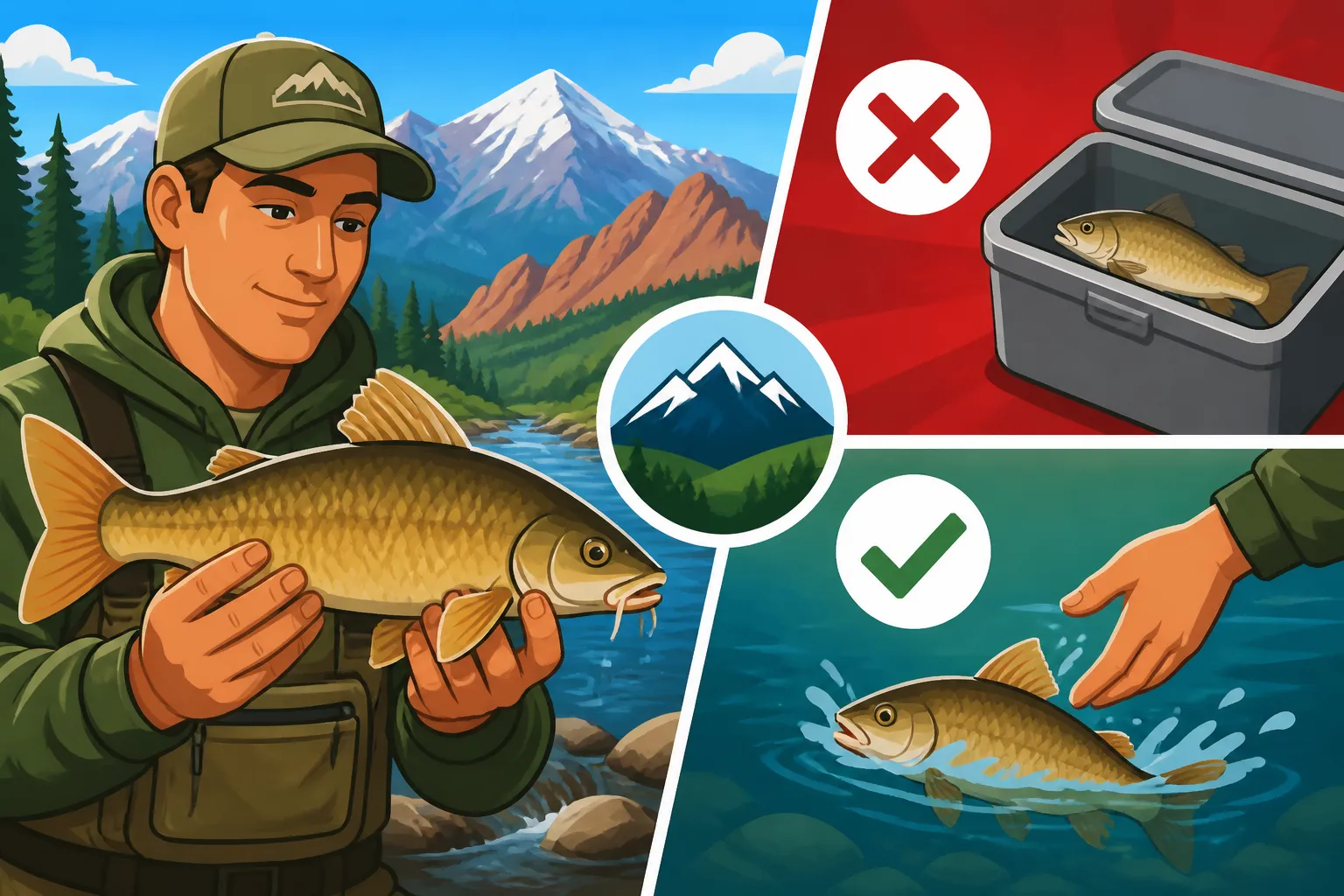
- Minimize Stress: If you're releasing a nongame fish, handle it gently and quickly. Avoid letting it flop on the bank. Wet your hands before touching it to protect its slime coat, and use a knotless net, which you can easily find on Amazon, to minimize scale damage.
- Understand Species: Take the time to identify what you've caught. Sometimes, a "nongame" fish might be a protected native species that looks similar to a common one. For instance, distinguishing between different types of suckers can be tricky but important. Books on fish identification, often available through Amazon, can be incredibly helpful for this.
- Avoid Senseless Waste: If you're permitted to keep unlimited numbers of a nongame species, that doesn't mean you should catch and keep more than you can realistically use. Only take what you need and what you will consume or process. This principle is a cornerstone of ethical angling, reinforcing the idea of mindful harvest rather than indiscriminate taking.
Cultivating this respect for all aquatic life enriches your fishing experience and ensures you're contributing to a positive culture of conservation among anglers.
Safe Handling and Release Practices
Even if you're targeting nongame fish with the intention of keeping them, you'll inevitably catch some you don't want, or perhaps you'll decide to release an accidental catch. Knowing how to handle fish safely and effectively, especially for release, is crucial for their survival.
Here are some best practices that apply to all species:
- Use Appropriate Gear: Employing the right tackle can make a big difference. Barbless hooks, or hooks with crushed barbs, are highly recommended for all fishing in Colorado, and are often mandatory in certain Colorado Gold Medal Water Regulations Explained. They make hook removal much easier and reduce harm to the fish.
- Minimize Fight Time: While a long fight might be exciting, it exhausts the fish and significantly reduces its chances of survival upon release. Try to land fish as quickly as possible, especially in warmer water where oxygen levels are lower.
- Keep Fish in Water: Whenever possible, keep the fish in the water while unhooking it. If you must remove it, do so for the absolute minimum amount of time required for hook removal or a quick photo.
- Support the Fish Properly: When handling a fish out of water, support its full body weight, especially larger specimens. Avoid holding it only by the jaw or gills, which can cause internal damage.
- Revive Carefully: If a fish seems sluggish before release, hold it gently in the current, facing upstream, allowing water to flow over its gills until it regains its strength and can swim away on its own.
- Know When to Keep: If a fish is deeply hooked, bleeding heavily, or severely injured, it's often more humane to keep it (if legal) rather than release it to a slow death. This is part of responsible harvest, ensuring no fish goes to waste if its chances of survival are slim.
By practicing these techniques, you ensure that any fish you release, nongame or otherwise, has the best possible chance of thriving after your encounter.
Proper Disposal and Consumption
If you do decide to keep nongame fish, responsible angling extends to how you dispose of waste and how you consume your catch. This is particularly important for species like carp or suckers, which some anglers might not typically consider for the dinner table.
- Ethical Consumption: Many nongame fish are surprisingly good to eat, though they might require different preparation methods than trout. Carp, for example, can be delicious smoked, fried, or baked, though they do have a "mud vein" that many anglers remove. Suckers can be excellent pan-fried, especially if scored to break up small bones. Don't be afraid to explore new recipes! Best Eating Fish From Colorado Waters might give you some ideas. If you're serious about cooking your catch, you'll want good filleting knives and proper storage, which are readily available from retailers like Amazon.
- Waste Disposal: Never, ever leave fish carcasses or entrails on the bank of a river or lake. This is not only unsightly and attracts scavengers, but it can also spread disease and pollute the water. If you process your fish on site, bury the entrails well away from the water, or better yet, bag them and dispose of them properly at home or in designated trash receptacles.
- Preventing Spread of Disease/Invasive Species: If you’ve caught fish that are mandated for removal (like Northern Pike in certain areas), ensure they are killed humanely and disposed of in a way that prevents them from re-entering the water or being introduced to other bodies of water. This is crucial for protecting the ecosystem.
Being mindful about how you handle, harvest, and dispose of fish, whether game or nongame, is a hallmark of a truly ethical angler. It’s about respecting the fish, the environment, and your fellow outdoor enthusiasts who share Colorado’s precious waterways.
Navigating Colorado's Fish Species and Regulations
Understanding the diverse world of Colorado's fish species and the regulations that govern them can feel like a maze, especially with the distinctions between game and nongame fish. But with a bit of knowledge and a commitment to responsible angling, you can confidently navigate our waters. Whether you're targeting a trophy trout or simply exploring what else might bite your line, knowing when and how you can keep nongame fish is an essential part of the experience.
Colorado's abundant waters offer something for everyone, from high-alpine lakes to vast warmwater reservoirs, and the regulations are in place to ensure these resources remain healthy and vibrant. Always check the current regulations specific to your chosen fishing spot. The CPW provides comprehensive brochures and an online Fishing Atlas that are indispensable resources. By staying informed and practicing ethical angling, you contribute to the conservation of Colorado's incredible aquatic ecosystems for generations to come.
| Category | Game Fish | Nongame Fish (Common Examples) | General Keeping Rule in CO (Always Check Specifics) | Common Management Focus |
|---|---|---|---|---|
| Examples | Trout (Rainbow, Brown), Kokanee Salmon, Walleye, Bass, Northern Pike (in some waters) | Common Carp, White Suckers, Longnose Suckers, Fathead Minnows | Liberal or No Limit | Sustainable harvest, sport fishing experience |
| Regulations | Explicit daily bag & possession limits, length restrictions, method restrictions | Often no specific limits (check for exceptions!) | Liberal or No Limit | Ecosystem balance, invasive species control, native species protection |
| Conservation | Stocking programs, habitat protection, research | Native species protection, invasive species removal | Liberal or No Limit | Biodiversity, food web integrity, water quality |
| Bait Use | Generally illegal as live bait | Often restricted, sometimes allowed if from same water/certified dealer | Liberal or No Limit | Prevent disease/invasive species introduction |
Disclaimer
This article is for general informational purposes only and does not constitute professional advice. Laws, prices and regulations vary by location and change over time. Consult a qualified professional for guidance on your specific situation.