Guided Trips on the Dream Stream
For many anglers, the idea of tackling Colorado's legendary Dream Stream on their own can feel pretty daunting. With its reputation for massive trout and technical fishing, it’s easy to feel intimidated by the sheer challenge. But don't let that stop you from experiencing one of the state's most iconic fisheries! This guide will walk you through everything you need to know about booking a guided trip on the Dream Stream, ensuring you have the best possible chance to hook into some truly spectacular fish.
Understanding the Dream Stream's Unique Appeal
The Dream Stream, officially the section of the South Platte River connecting Spinney Mountain Reservoir and Eleven Mile Reservoir, isn't just another stretch of water; it's a phenomenon. This roughly three-mile section is renowned worldwide for its trophy-sized trout and the intense fishing experience it offers. It's a gold medal water, which means it has the potential to produce trophy trout and support significant trout populations. But with that prestige comes a certain level of technicality and sometimes, crowd management, which is where a good guide truly shines.
A Gold Medal Fishery Like No Other
Colorado's "Gold Medal Water" designation isn't given lightly. It signifies waters that consistently support at least 60 pounds of trout per acre and at least 12 quality trout (14 inches or longer) per acre. The Dream Stream not only meets these criteria but often far exceeds them. The nutrient-rich water flowing out of Spinney Mountain Reservoir provides an ideal ecosystem for trout to grow large and robust. Anglers here often target rainbow, brown, and cutthroat trout, with the occasional cutbow. The fish are often huge, incredibly strong, and notoriously selective, making a guided trip an invaluable asset. To learn more about this designation, check out Colorado Gold Medal Water Regulations Explained.
Seasonal Spectacles and Diverse Species
What truly sets the Dream Stream apart are its dramatic seasonal shifts and the incredible variety of fishing experiences they offer. While trophy trout are always present, the river truly comes alive during the kokanee salmon and trout spawning runs. In the fall, vibrant red kokanee salmon migrate upstream from Eleven Mile Reservoir to spawn, drawing in massive brown trout looking for an easy meal of eggs. Come spring, the rainbows follow suit, creating another exciting opportunity for big fish. A knowledgeable guide can navigate these periods, helping you understand the complex dynamics of Brown Trout Spawning Season in Colorado and Rainbow and Cutthroat Spawning Season in Colorado, and placing you in the best spots to intercept these incredible fish. Beyond these spectacular runs, the Dream Stream also holds healthy populations of resident trout year-round, offering fantastic fishing even outside of the peak spawning windows.
Navigating the Challenges of Technical Water
Let’s be honest, the Dream Stream can be tough. The fish here see a lot of flies and a lot of anglers, making them incredibly wary and selective. The clear, slow-moving water in many sections means presentations need to be flawless, and your fly choices must match the prevalent insect hatches perfectly. A guide brings years of experience and local knowledge to the table, helping you overcome these challenges. They know the subtle currents, the best holding lies, and precisely what flies are working on any given day. They can help you refine your casting, perfect your nymphing rig, and teach you how to read the water effectively, turning a potentially frustrating day into a rewarding learning experience.
What to Expect on a Guided Dream Stream Trip
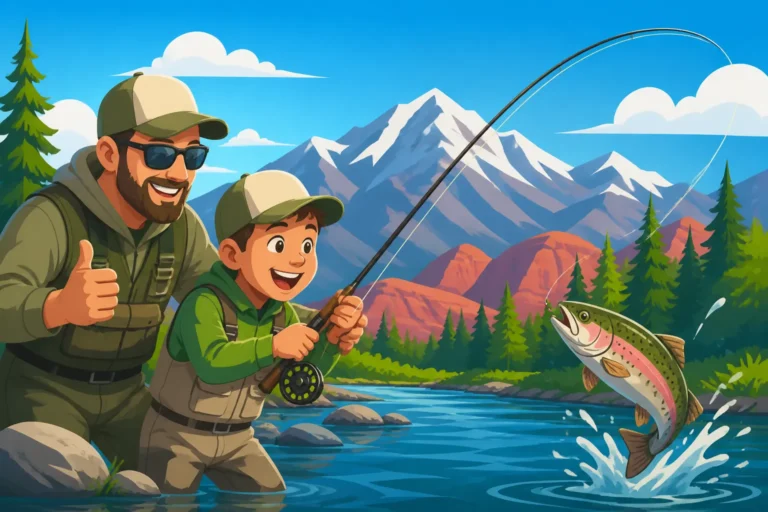
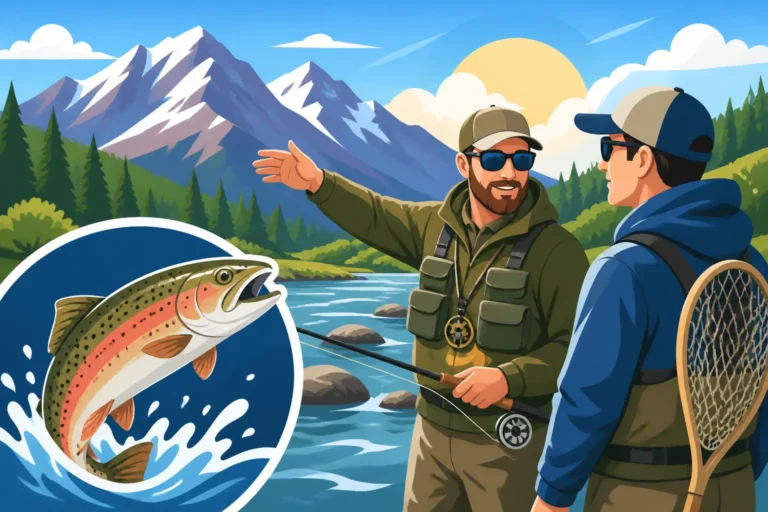
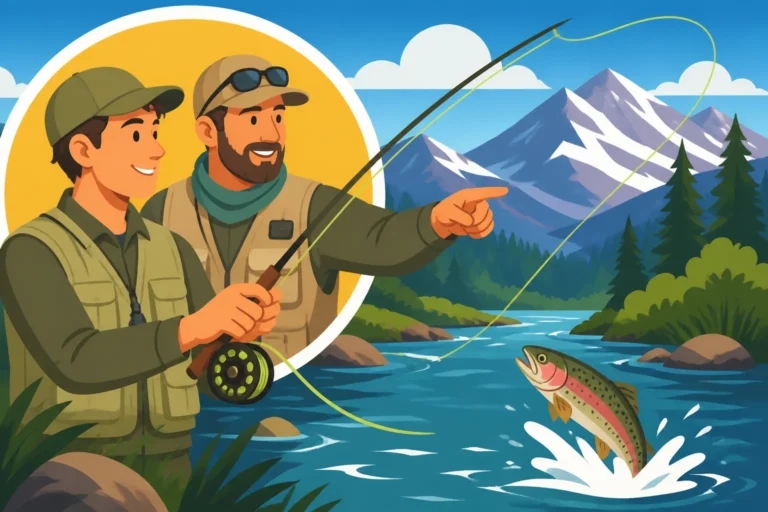
A guided trip on the Dream Stream isn't just about catching fish; it's about gaining an immersive educational experience. Your guide is not just a fishing partner, but an instructor, a local expert, and a passionate advocate for the resource. They’ll share insights into the ecosystem, the behavior of the fish, and the specific techniques required to succeed on this challenging water. It’s an investment in your fishing skills as much as it is a day on the water.
Walk-Wade vs. Float Trips: Understanding the Difference
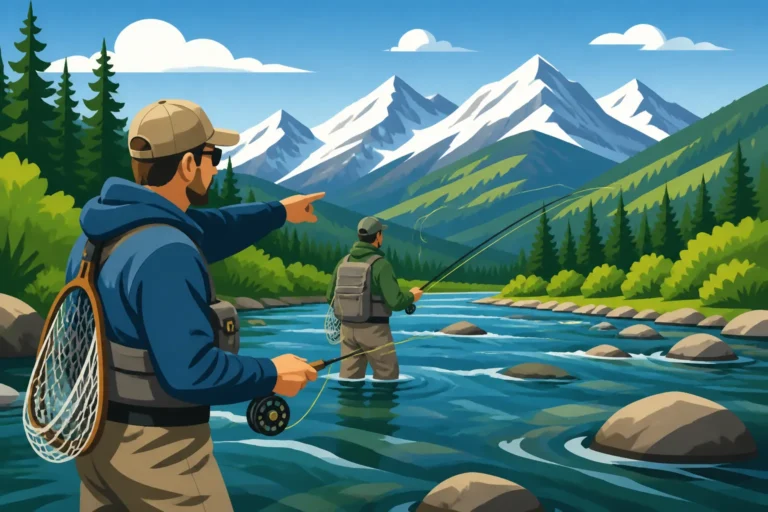
The Dream Stream is primarily a walk-wade fishery. This means you and your guide will be on foot, covering specific sections of the river, wading into the currents, and carefully approaching fish. This method allows for a more intimate experience with the water, focusing on sight fishing and precise presentations. Float trips, while popular on wider rivers, are generally not suitable for the entire length of the Dream Stream due to its varying depths and structure, though sections of the South Platte further downstream can offer excellent float opportunities. Your guide will be well-versed in the access points and optimal stretches for wading, ensuring you maximize your time on the water. They’ll guide you safely through the riverbed, pointing out ideal casting lanes and fish holding lies.
Gear, Flies, and Expert Instruction Included
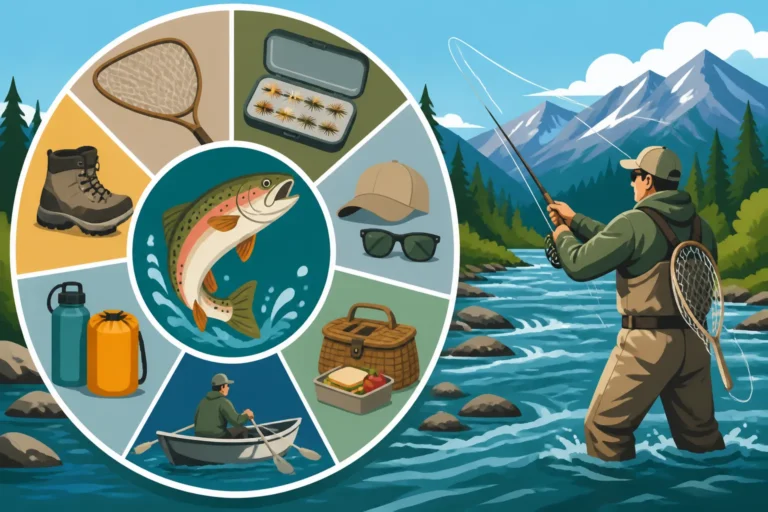
One of the greatest benefits of a guided trip is that most, if not all, of your necessary gear is provided. This is especially helpful if you’re traveling, new to fly fishing, or just don't have the specialized equipment often required for the Dream Stream. Expect your guide to provide high-quality rods, reels, waders, boots, and a carefully curated selection of flies that are proven effective on this particular stretch of river. They'll know exactly what tiny midge patterns or specific streamer colors are working. Beyond the gear, the true value lies in the instruction. Guides are expert teachers, helping you improve your casting, mend your line effectively, detect subtle strikes, and even provide valuable insight into Nymphing Techniques for Colorado Tailwaters. This hands-on coaching is invaluable for both beginners and experienced anglers looking to refine their skills.
A Focus on Conservation and Etiquette
Colorado Parks and Wildlife (CPW) and local outfitters place a huge emphasis on responsible angling, especially on a heavily fished and ecologically sensitive area like the Dream Stream. Your guide will ensure you understand and adhere to all local regulations, including specific rules about catch-and-release, barbless hooks, and any special closures or restrictions. They'll teach you proper fish handling techniques to ensure a healthy release, and emphasize stream etiquette. On a river that can see a lot of pressure, knowing how to respect other anglers and minimize your impact on the environment is crucial. A good guide isn't just there to find fish; they're there to foster a deeper appreciation for the resource and ensure its longevity.
Choosing the Right Guide for Your Dream Stream Adventure
Selecting the right guide is paramount to a successful and enjoyable Dream Stream experience. This isn't a "one size fits all" situation. You want someone whose expertise aligns with your goals, whether that's learning new techniques, targeting a specific species, or simply enjoying a peaceful day on the water. A little research upfront can make all the difference.
The Importance of Local Expertise and Reputation
When it comes to a technical fishery like the Dream Stream, local expertise is non-negotiable. Guides who spend countless days on this water understand its nuances—the ever-changing insect hatches, the subtle shifts in water flow, and the precise lies where the biggest fish hold. Look for guides who operate out of nearby towns like Fairplay, Woodland Park, or even larger hubs like Colorado Springs, as they often have deep roots in the community and a profound understanding of the area. Online reviews and word-of-mouth are excellent indicators of a guide's reputation. Check out platforms like FishingBooker, where previous clients share their experiences, helping you gauge a guide's patience, instructional ability, and fish-finding prowess.
Matching Guide Specialties to Your Goals
Not all guides are created equal, and that's a good thing! Some guides specialize in teaching beginners, patiently breaking down casting mechanics and knot tying. Others are masters of sight fishing to selective trout, perfect for experienced anglers looking for a challenge. Still others might be experts during the fall kokanee and brown trout runs, focusing on streamer fishing or egg patterns. Before booking, consider what you hope to get out of the trip. Are you a novice looking for a comprehensive introduction? Are you an intermediate angler wanting to improve your nymphing game? Or are you a seasoned pro chasing a true trophy brown? Communicate these goals clearly when you inquire, and ask about the guide's specific strengths and experience on the Dream Stream itself.
Outfitter Affiliation and Certifications
Many excellent Dream Stream guides work for established local outfitters. These outfitters often have multiple guides, a physical fly shop for gear and licenses, and a strong local presence. They typically handle all the logistics, from booking to ensuring your guide is properly licensed and insured. In Colorado, licensed guides are required to carry specific certifications and operate under the umbrella of a licensed outfitter. Don't hesitate to ask about a guide's experience, certifications, and their affiliation with a reputable outfitter. This provides an extra layer of confidence in their professionalism and commitment to safety and quality. Checking if an outfitter is Orvis-Endorsed Fishing Outfitters in Colorado can also be a good sign of quality and professionalism.
Best Times to Fish the Dream Stream with a Guide
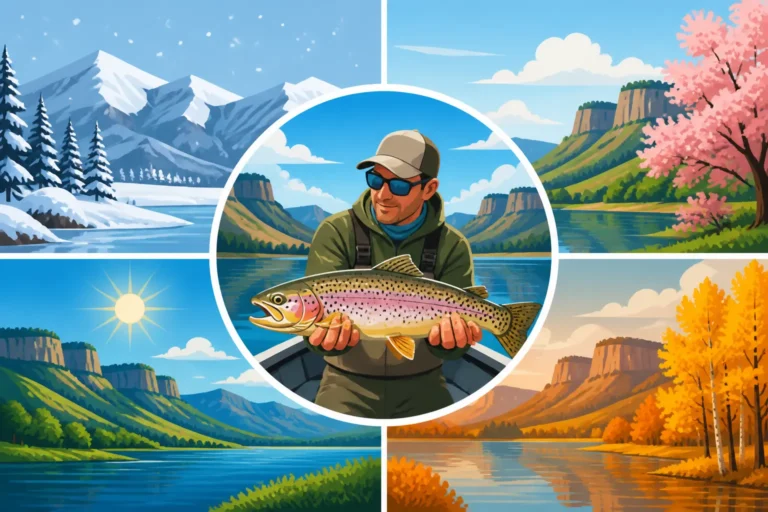
The Dream Stream offers incredible fishing opportunities year-round, but each season presents unique challenges and rewards. A guided trip allows you to maximize your chances, as your guide will know exactly where the fish are and what they’re eating, no matter the conditions. Understanding the seasonal cycles can help you plan your trip for specific experiences.
Fall: The Thrill of Spawning Runs
Without a doubt, fall on the Dream Stream is legendary. Beginning in late September and extending through November, the kokanee salmon migrate upstream from Eleven Mile Reservoir to spawn, drawing in massive, predatory brown trout. These browns key in on salmon eggs, making for some incredibly exciting fishing. This is a prime time for streamer fishing and nymphing with egg patterns. The scenery is also spectacular, with aspens turning brilliant gold. However, it's also the busiest time of year, with crowds of anglers, so having a guide who knows how to navigate the pressure points and find less-frequented stretches is incredibly valuable. Many anglers book their fall trips a year in advance for this particular experience. For specific regulations during this time, consider reviewing Colorado Fishing Season Dates and Bag Limits.
Spring: Rainbow Run and Emerging Insects
Spring, typically from March through May, is another fantastic time to fish the Dream Stream. As water temperatures rise, rainbow trout begin their spawning rituals, making them more aggressive and accessible. This is also when the first significant insect hatches of the year begin to emerge, like midges and Blue-Winged Olives, offering exciting dry fly and nymphing opportunities. Runoff from the mountains usually doesn't impact the Dream Stream as severely as freestone rivers, thanks to its tailwater nature, but guides will still know how to adjust for any changes in water clarity or flow. It's a great time for both numbers of fish and the chance at a trophy rainbow.
Summer: Consistent Tailwater Action
While some freestone rivers might be high and muddy during spring runoff (often peaking in late May and early June), the Dream Stream, as a tailwater, typically maintains more consistent flows and clearer water. This makes summer, from June through August, a reliable time for fishing. Caddis, stoneflies, and various mayflies provide diverse bug life, offering a mix of dry fly, nymphing, and even some streamer fishing opportunities. Mornings and evenings are often best during the warmer months, as the midday sun can make fish a bit sluggish. A guide can help you understand the nuances of these hatches, like knowing when the Fly Selection for Colorado's Caddis Hatch is most important, and guide you to shaded, oxygenated holding lies where trout will be active.
Winter: The Challenge and Reward of Cold-Weather Fishing
Don't discount the Dream Stream in winter! While the air might be crisp, the fishing can be surprisingly good, especially on milder days. The tailwater keeps water temperatures relatively stable, preventing it from freezing solid, unlike some freestone rivers or stillwaters. Midges are the primary food source for trout during winter, so precise nymphing techniques with tiny patterns are often key. This is a fantastic time for focused, technical fishing, and typically sees fewer crowds. A guide can teach you specialized winter tactics, help you rig up for delicate presentations, and ensure you're dressed appropriately for cold-weather comfort, making a seemingly inhospitable season into a prime opportunity for some of the biggest fish of the year.
Cost Considerations for Guided Trips
Investing in a guided trip on the Dream Stream is more than just paying for a day of fishing; it's paying for expertise, convenience, and a significantly higher chance of success on a challenging water. While prices vary, understanding what typically influences the cost can help you budget and ensure you’re getting good value for your money.
| Trip Duration | Typical Inclusions | Experience Level | Key Benefit |
|---|---|---|---|
| Half-Day Trip | 4-5 hours, all gear, flies, basic instruction, snacks/water | Beginners, time-crunched anglers | Efficient learning, taste of the Dream Stream |
| Full-Day Trip | 7-9 hours, all gear, flies, in-depth instruction, stream-side lunch/drinks | All levels, serious anglers | Comprehensive experience, more fishing time, deeper instruction |
Half-Day vs. Full-Day Options
The most significant factor influencing cost is usually the duration of the trip. Half-day trips generally last 4-5 hours, while full-day trips can range from 7-9 hours. A half-day can be a great option for beginners looking to get a taste of fly fishing or for experienced anglers with limited time. You’ll still get quality instruction and a chance to hook up, but it’s a more condensed experience. A full-day trip, on the other hand, allows for a much more comprehensive experience. You'll have more time to learn, refine techniques, explore different sections of the river, and simply enjoy the tranquility of the setting without feeling rushed. Many guides include a delicious stream-side lunch on full-day trips, adding to the overall experience. To get a general idea of costs for a shorter trip, you might look at What a Half-Day Colorado Guided Fishing Trip Costs.
What's Typically Included (and What's Not)
Most reputable outfitters and guides include all the necessary fishing gear: high-quality rods, reels, lines, leaders, tippet, and a selection of flies tailored to the current conditions. Waders and boots are often provided as well. On full-day trips, a packed lunch, snacks, and non-alcoholic beverages are commonly part of the package. What's usually not included? Your Colorado fishing license and a Habitat Stamp. You'll need to purchase these separately before your trip. Your guide can advise you on where to buy these, or you can typically purchase them online via the CPW website. Another important exclusion is the guide's tip. Tipping is customary in the guiding industry and a significant part of their income. We'll delve into that more below. You should also remember that transportation to and from the river access points is usually your responsibility, though some guides might offer carpooling if arranged in advance.
Tipping Your Guide: Standard Practice
Tipping your fishing guide is standard practice and greatly appreciated, as it acknowledges their hard work, expertise, and dedication to making your day successful and enjoyable. Generally, a tip of 15-20% of the total trip cost is considered appropriate, depending on your satisfaction. If your guide went above and beyond, provided exceptional instruction, or helped you land a fish of a lifetime, a more generous tip is always welcome. Consider bringing cash for this, as it's often preferred and simpler at the end of a long day. If you're unsure, don't hesitate to ask the outfitter or the guide beforehand about their preferred tipping methods, or refer to resources like Tipping a Colorado Fishing Guide, What's Standard.
Booking and Preparing for Your Dream Stream Trip
You’ve decided to take the plunge and book a guided trip to the Dream Stream – fantastic! Now comes the practical part of making it a reality. A little preparation goes a long way in ensuring your trip is smooth, comfortable, and ultimately, more successful.
How to Book a Guided Trip
Booking your Dream Stream adventure can be done in several ways. The most direct method is often contacting local fly shops or outfitters near the Dream Stream area directly. These businesses, like Angler's Covey or The Laughing Grizzly Fly Shop, employ guides who know the water intimately. Another convenient option is to use online booking platforms. Websites like FishingBooker specialize in connecting anglers with guides and charters, allowing you to browse different guides, read reviews, compare prices, and book directly. This can be especially helpful if you’re planning your trip from out of state. It's always a good idea to book well in advance, especially for prime seasons like the fall kokanee run, as popular guides and outfitters fill up quickly. Many anglers book 6-12 months ahead for peak dates.
Essential Items to Bring (Even If Gear Is Provided)
Even if your guide provides most of the fishing gear, there are still some essential personal items you'll need to bring to ensure your comfort and safety on the Dream Stream:
- Valid Colorado Fishing License & Habitat Stamp: Absolutely crucial! You can purchase these online through Colorado Parks and Wildlife (CPW) or at many sporting goods stores and fly shops. Remember, your guide cannot take you fishing without these.
- Layered Clothing: Colorado weather is famously unpredictable. Dress in layers, avoiding cotton if possible. Synthetic fabrics, fleece, and wool are excellent choices that wick moisture and provide warmth even when wet. Even on a warm day, mornings can be chilly.
- Rain Gear: A waterproof jacket and pants are a must, regardless of the forecast. Afternoon thunderstorms are common in the mountains.
- Sun Protection: Sunscreen, a wide-brimmed hat, and polarized sunglasses are essential. The high altitude sun is intense, and polarized lenses will significantly help you see fish in the water.
- Snacks and Drinks: While some full-day trips include lunch, bring extra snacks and water to stay hydrated and energized.
- Camera: You'll want to capture the memories and, hopefully, a trophy fish or two!
- Personal Medications: Any necessary prescriptions or over-the-counter pain relievers.
- Small Backpack: To carry your personal items and keep them dry.
Your guide will confirm any specific items you should bring and can advise on local weather conditions leading up to your trip. You might also find it helpful to read about What to Bring on a Half-Day Colorado Fishing Trip to get a sense of packing essentials.
Understanding Dream Stream Regulations and Conservation
Beyond simply having your license and Habitat Stamp, it's vital to be aware of the specific regulations for the Dream Stream. As a Gold Medal Water, it often has special rules that differ from general statewide regulations. For instance, catch-and-release is often encouraged or even mandated for certain species or within specific zones, and only artificial flies and lures with a single, barbless hook are typically permitted. Your guide will be your best resource for understanding these rules on the day of your trip. However, familiarizing yourself with Colorado Fishing Regulations Every Angler Should Know beforehand can give you a solid foundation. These regulations are in place to protect this fragile and precious fishery, ensuring it remains an incredible resource for generations of anglers to come. Respecting these rules and practicing ethical angling, including proper fish handling for release, is a shared responsibility.
Disclaimer
This article is for general informational purposes only and does not constitute professional advice. Laws, prices and regulations vary by location and change over time. Consult a qualified professional for guidance on your specific situation.