How Guided Trip Prices Change Between Summer and Fall
Many anglers dream of a guided fishing trip in Colorado, picturing themselves on a pristine river, expert advice at hand. But then the practical questions hit: What's this going to cost me? And does it matter when I go? It's a common frustration to see prices fluctuate, or to feel like you're missing a secret trick to getting a better deal. This guide will dive deep into how the price of guided fishing trips in Colorado typically shifts between the bustling days of summer and the vibrant, often overlooked, beauty of the fall season, helping you understand the value and plan your adventure.
Understanding the Seasons: Summer vs. Fall Fishing in Colorado
Colorado's fishing scene transforms dramatically with the seasons, and understanding these shifts is key to grasping why guided trip prices might change—or sometimes, surprisingly, stay consistent. Each season brings its own set of challenges, opportunities, and, of course, a different level of angler traffic.
The Peak Demand of Summer
When summer rolls around in Colorado, it's like a siren call for outdoor enthusiasts. School is out, vacation days are abundant, and the mountains beckon with their promise of warm, sunny weather. This is arguably the busiest time on Colorado's rivers and lakes. Families are traveling, friends are planning their annual getaways, and the sheer volume of people looking for outdoor experiences, including guided fishing trips, skyrockets.
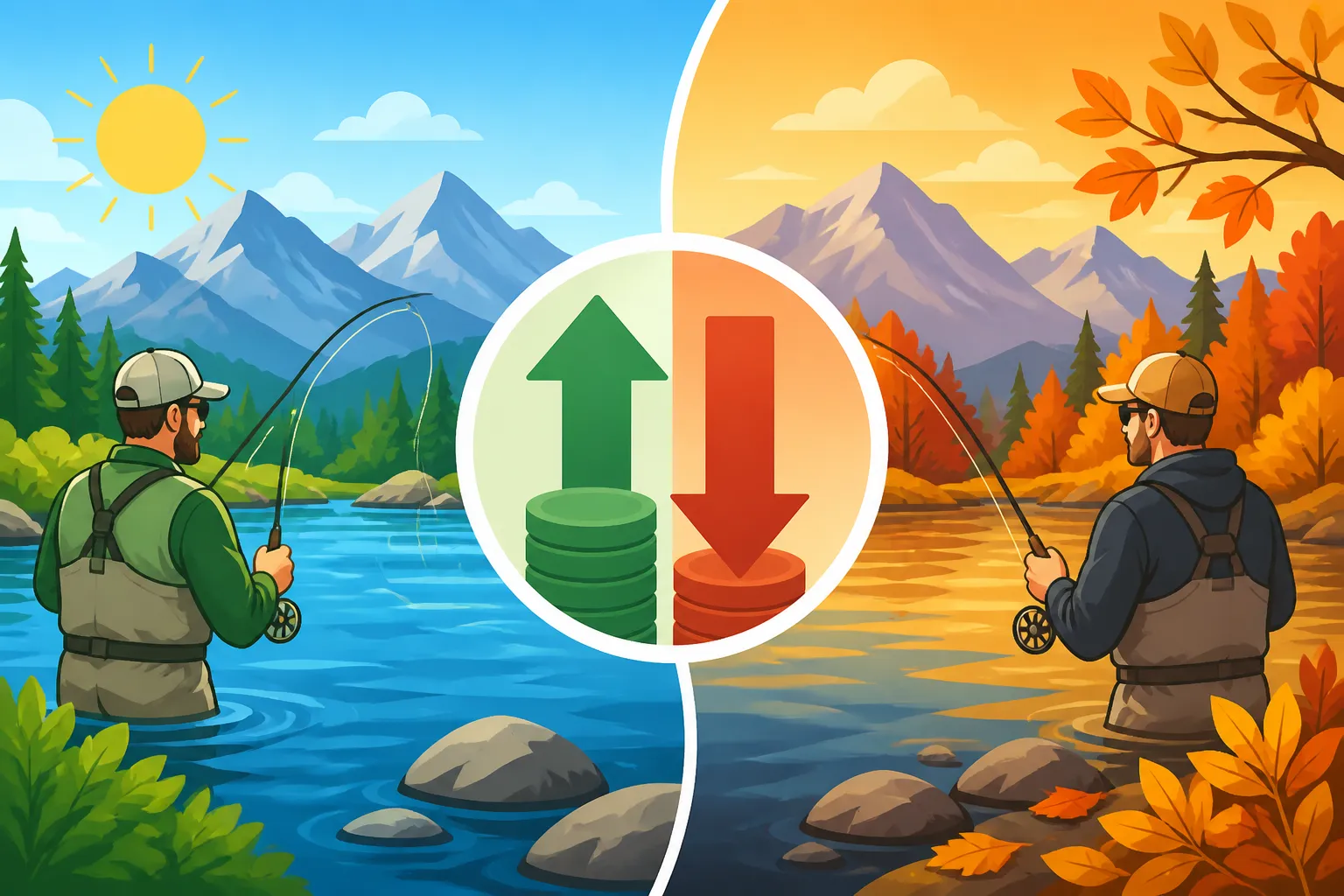
Because of this surge in popularity, summer is often considered peak season for fishing guides. Their calendars fill up fast, sometimes months in advance, leaving little room for last-minute bookings. With such high demand, guides and outfitters generally maintain their standard pricing. It’s a classic supply-and-demand scenario: when everyone wants a piece of the pie, the price of the pie stays firm. You'll find a wide variety of trips offered, from float trips on larger rivers to wade trips on smaller streams, targeting species like rainbow trout, brown trout, and even brook trout in the high country. Summer means long days on the water, often with stable weather, making it a very appealing time for many.
The Allure and Nuances of Fall Fishing
As the aspens turn to gold and the air takes on a crisp edge, Colorado's fishing scene transitions into a whole new world. Fall fishing, particularly from September through November, offers a different kind of magic. The intense summer heat gives way to cooler temperatures, often accompanied by stunning foliage that makes every cast feel like a postcard moment. The crowds tend to thin out significantly after Labor Day, especially on weekdays, creating a more serene and intimate experience on the water.
This shift in angler traffic can sometimes lead to different pricing dynamics. While the absolute peak of fall, like the brown trout spawning run, might still command premium rates due to specific high demand, the shoulder periods of early or late fall could present opportunities for more flexible pricing or special packages. Fall also brings unique fishing opportunities, such as targeting the aggressive brown trout during their spawning season or the vibrant kokanee salmon as they make their way upstream to spawn. Fall Fishing in Colorado, What Changes is a great resource to learn more about this season's specific draws. The experience is often characterized by fewer people, cooler air, and fish that are actively feeding in preparation for winter.
Key Factors Influencing Guided Trip Pricing Across Seasons
When you're trying to figure out why one guided trip might cost more or less than another, it's not always just about the season. Several interconnected factors play a significant role in how prices are structured and how they might subtly shift between summer and fall.
Guide Availability and Demand
This is perhaps the biggest lever in pricing. During the height of summer, experienced guides are often booked solid, sometimes a year in advance for prime dates. This high booking rate means outfitters have no incentive to lower prices. If one client balks, another is likely waiting in the wings. For guides, summer is when they make a significant portion of their annual income, justifying consistent rates. They might offer a range of trip options, from Guided Walk-Wade Trips on Colorado Rivers to multi-day excursions.
As fall progresses, especially after the initial rush of the September leaf-peeping season, guide availability can open up. With fewer tourists and school-aged families traveling, outfitters might find themselves with open slots, particularly on weekdays. This is when you might see some flexibility in pricing, or guides might be more inclined to offer slightly reduced rates or special fall packages to fill their calendars. However, don't expect drastic price cuts; these are highly skilled professionals with significant operating costs. Even a trip targeting a specific event, like Guided Trips on the Dream Stream for a particular hatch, can see demand shift based on seasonal timing.
Duration and Type of Trip
The basic structure of guided trips—half-day, full-day, or even multi-day adventures—remains consistent throughout the year. A full-day trip will always cost more than a half-day, simply due to the guide's time, gear usage, and provisions. However, the popularity of certain trip durations can fluctuate. In summer, families often opt for half-day trips, especially if they have younger children or want to combine fishing with other activities. Fall, with its more dedicated angling focus, might see a higher proportion of full-day or even extended trips as serious anglers chase specific seasonal opportunities.
Specialized trips also factor heavily into pricing. For instance, a dedicated float trip on a famous Gold Medal Water like the Arkansas River might have a higher base price due to the specific logistics and expertise required, regardless of the season. Similarly, trips focusing on specific techniques or target species, such as Trolling for Kokanee Salmon in Colorado during their run, might maintain steady pricing because the demand is driven by the unique opportunity rather than general seasonal tourism.
Here's a quick look at how trip considerations can change by season:
| Feature/Consideration | Summer Guided Trip | Fall Guided Trip |
|---|---|---|
| Crowd Levels | Generally higher, especially on weekends and popular waters | Lower, particularly on weekdays; can be busy during peak foliage/spawning events |
| Booking Window | Often needs booking months in advance for prime dates | More flexibility, but popular fall dates (e.g., brown trout spawn) still book fast |
| Target Species | Broad range; actively feeding trout, high-country species, warmwater options | Aggressive brown trout, kokanee salmon runs, healthy post-spawn trout |
| Weather Conditions | Warm, sunny days; potential for afternoon thunderstorms; hotter water temperatures | Cooler, crisp air; vibrant foliage; potential for early snow/cold fronts |
| Pricing Flexibility | Generally firm due to high demand | Potentially more flexible in shoulder periods (early/late fall) or weekdays |
| Family-Friendliness | High, with many options for younger anglers like Guided Trips for Kids in Colorado | Moderate, focus shifts more to dedicated angling; still great for older kids |
Inclusions and Exclusions
What's included in your guided trip package can also influence the perceived and actual cost. Most reputable outfitters include high-quality gear (rods, reels, waders), flies or lures, and a professional, licensed guide. Many full-day trips also include lunch, snacks, and non-alcoholic beverages. These inclusions typically remain standard regardless of the season, as they are part of the core service offering.
However, in the quieter stretches of fall, an outfitter might advertise a "fall special" that bundles in an extra hour of fishing, a specific fly selection, or perhaps a slight discount on a second person. These are rarely massive price reductions but rather value-added incentives designed to attract bookings during slightly slower periods. It's always wise to clarify what your chosen outfitter includes. Remember that expenses like your Colorado fishing license (see Colorado Fishing License Costs Explained) and Colorado's Habitat Stamp, Explained are almost always additional and must be purchased separately by the angler.
Real-World Scenarios and How to Navigate Pricing
Navigating guided trip pricing can feel a bit like trying to read the river bottom: sometimes clear, sometimes murky. Understanding the underlying forces at play helps you make informed decisions, whether you're chasing summer rainbows or fall browns.
The Summer Premium: Why You Pay What You Pay
During July and August, Colorado is a prime vacation destination. Think about it: families are out of school, many people have extended time off, and the weather is typically glorious for mountain activities. This high season means guides are operating at their peak capacity. Their operational costs remain consistent—fuel for boats, vehicle maintenance, insurance, ongoing training, and, of course, their professional wage. When a guide can easily fill every slot on their calendar, there's simply no business incentive to lower prices. It's the law of supply and demand in action.
You'll find that reputable outfitters hold their rates firm throughout this period. If you try to book a trip last minute in July, you might struggle to find availability, let alone a discount. The "premium" you pay in summer isn't just for the guide's time, but for the convenience of fishing during the most popular time of year, with a higher likelihood of comfortable weather and a wider range of activities to combine with your trip. To secure your preferred dates and guides, booking well in advance—sometimes six months to a year out—is highly recommended. Websites like FishingBooker can be excellent tools for comparing options and availability across different outfitters for your summer plans.
Finding Value in the Fall Shoulder Season
While summer typically commands steady, premium pricing, fall offers a more nuanced landscape. Early fall, particularly September and early October, can still be very busy. The stunning autumn foliage draws many visitors, and the fishing, especially for aggressive brown trout, is often phenomenal. During this period, prices might remain consistent with summer rates due to continued strong demand, particularly for popular Gold Medal waters like Fishing the Fryingpan River Below Ruedi Reservoir or Fishing Colorado's Gunnison River and the Black Canyon. These prized destinations often have consistent demand regardless of the season.
However, as late October and November roll around, and the last of the autumn leaves have fallen, you might start to see some shifts. This is when the tourist crowds truly thin out. Guide calendars might have more openings, especially on weekdays. This can be an opportune time to inquire about potential flexibility in pricing. While a full-blown discount might not be advertised, an outfitter might be more willing to offer a slightly extended trip duration for the same price, or perhaps a small concession. Don't expect dramatic markdowns, but rather a more favorable negotiation position or a "value add." The benefit of fishing in late fall often outweighs any subtle price difference anyway: fewer anglers on the water, larger fish often on the move, and a serene, stark beauty to the landscape. Checking resources like FishingBooker for guides and specific "fall deals" can be a smart strategy to find these opportunities.
The Role of Specific Waterways and Species
Some fisheries in Colorado are so renowned or offer such unique seasonal opportunities that their guided trip prices remain relatively stable, irrespective of the broader seasonal shifts. For example, certain stretches of the South Platte River or the Taylor River are known for trophy trout year-round, and the expertise required to consistently find and hook these fish means guides in these areas command a consistent fee. Similarly, specialized trips, such as charter boats for Lake Trout Fishing in Colorado on deep reservoirs like Blue Mesa, operate on their own demand curve, which might peak at different times than river trout fishing.
If you're dead set on targeting a specific species during its prime time, like Kokanee Salmon Fishing in Colorado during their famous fall spawning runs, be prepared for prices that reflect this high-demand, unique opportunity. The value here is not just in the fish, but in the unforgettable experience of witnessing these natural phenomena. Conversely, if you're open to exploring lesser-known waters or targeting less popular species during an "off-peak" time, you might find more flexible pricing. It really comes down to whether the demand for that specific experience outweighs the general seasonal ebb and flow of tourism.
Practical Tips for Booking and Budgeting
Embarking on a guided fishing trip in Colorado is an investment in an unforgettable experience. Knowing how to approach booking and budgeting can help ensure you get the most value, whether you choose the bustling summer or the tranquil fall.
Booking Strategy for Different Seasons
Your booking strategy should absolutely adapt to the season you plan to visit. For summer trips, particularly if you have specific dates in mind or want to fish with a highly sought-after guide, planning far, far in advance is paramount. We're talking many months, even a year ahead for prime weekend slots. This proactive approach helps guarantee your spot and ensures you have access to the most experienced guides. Don't be afraid to put down a deposit early to lock in your trip.
For fall trips, you can generally afford a bit more flexibility, especially if your dates are open to weekdays or later in the season. While early fall (September/early October) can still be busy with the tail end of tourist season and the start of specific spawning runs, late fall (late October/November) often sees more openings. It's a great time to call outfitters directly. Don't just look at their website; a personal call allows you to inquire about any unadvertised specials, weekday discounts, or even custom trip options that might not be formally listed. Asking "What does Colorado Fishing Seasons Month by Month look like for openings?" can open up conversations about timing that works for you. Remember that even in fall, popular guides and specific "hot" dates (like peak brown trout spawn) will still book up, so if you have a non-negotiable date, booking ahead is always safest.
Beyond the Base Rate: Hidden Costs and Value
It's easy to focus solely on the advertised price of a guided trip, but savvy anglers know that there are other costs to consider. First and foremost, you absolutely need a valid Colorado fishing license. The price varies for residents versus non-residents, and there are different options like annual, one-day, or five-day licenses. Colorado Fishing License Guide for Residents and Nonresidents is an excellent resource for breaking down these options. Almost every angler also needs to purchase Colorado's Habitat Stamp, Explained, an important contribution to wildlife conservation. These are never included in guide fees and must be acquired by the angler before the trip.
Then there's the question of gratuity. Tipping a Colorado Fishing Guide, What's Standard is a common concern. While not mandatory, tipping your guide for their hard work, expertise, and service is customary and highly appreciated. Factor this into your overall budget.
Beyond the monetary aspects, consider the immense value a good guide brings. They provide local knowledge that takes years to accumulate—knowing where the fish are holding, what flies or lures are working, how to read the water, and crucial safety information. They supply high-quality gear, meaning you don't have to invest in expensive equipment yourself. For beginners, a guided trip is an invaluable learning experience, dramatically shortening the learning curve. For seasoned anglers, it’s a chance to explore new waters or refine techniques with a local expert. The price you pay covers not just the day on the water, but access to this wealth of knowledge, a seamless experience, and increased chances of success. When considering Choosing a Colorado Fishing Guide, What to Look For, remember that expertise and experience are priceless. Services like FishingBooker can help you compare what various guides offer in their packages, giving you a clearer picture of the total value.
Ultimately, whether you decide to fish in the height of summer or the serene beauty of fall, understanding the factors that influence pricing empowers you to make a choice that aligns with your budget and your angling aspirations. While drastic price differences between summer and fall are rare for quality guided trips, recognizing the nuances of seasonal demand and booking strategically can lead to a more satisfying and potentially more value-driven experience.
Disclaimer
This article is for general informational purposes only and does not constitute professional advice. Laws, prices and regulations vary by location and change over time. Consult a qualified professional for guidance on your specific situation.