Colorado Fishing License Rules for People Fishing From a Kayak
Kayak fishing is a fantastic way to experience Colorado's stunning waters, offering unparalleled access and a unique perspective on the angling experience. However, many paddlers often wonder if the rules for fishing from a kayak differ from traditional bank or boat fishing. This comprehensive guide will clarify all the Colorado fishing license rules specifically for kayak anglers, ensuring you’re fully prepared and compliant for your next paddle-powered adventure.
The Core Truth: A Kayak Doesn't Change the License Rule
One of the biggest questions that often pops up when people get into kayak fishing is whether the type of watercraft impacts the fishing license requirements. It’s a completely fair question, especially since kayaks feel so different from big powerboats or even just standing on the shore. But here’s the straightforward answer: when it comes to needing a fishing license in Colorado, your kayak simply doesn't change a thing.
It's About the Act of Fishing, Not the Vessel
Colorado Parks and Wildlife (CPW) regulations are primarily concerned with the act of fishing itself, not the specific platform you're using to do it. Whether you're casting your line from a high-tech, pedal-driven fishing kayak, a traditional paddle canoe, a float tube, a stand-up paddleboard, or simply wading in a river, the fundamental requirement to possess a valid Colorado fishing license remains constant. There isn't a special "kayak fishing license" because the state recognizes you as an angler regardless of your vessel.
Imagine you're exploring the remote stretches of the Arkansas River near Salida, silently paddling your kayak into a secluded bend. You drop anchor (or stake out) and begin casting. At that very moment, you are an angler, just like someone fly-fishing from the bank or trolling from a motorboat on a larger reservoir. The beauty of kayak fishing is the freedom it offers, but that freedom comes with the same responsibilities all anglers share – chief among them being properly licensed. This universal application helps keep the rules clear and consistent for everyone enjoying Colorado's diverse fisheries.
This straightforward approach actually simplifies things considerably. You don't need to consult a separate set of rules or buy a different kind of license just because you prefer to fish from your kayak. Instead, you focus on the general requirements that apply to all anglers in Colorado. This includes understanding the various license options, from annual passes to shorter-term permits, and making sure you choose the one that best suits your fishing plans. Getting this right from the start means less worry and more enjoyment when you're out on the water, whether you're chasing trout or targeting warmwater species.
Who Needs a License: Age and Residency for Kayak Anglers
Just like any other angler in Colorado, your age and residency status are the primary factors that determine if and what kind of fishing license you'll need. For both residents and nonresidents, anyone 16 years of age or older must possess a valid Colorado fishing license to legally fish in the state. This age cutoff is consistent across all fishing methods, including when you're casting from your kayak. So, if you're taking your teenager out for their first kayak fishing adventure and they're 16 or older, make sure they have their own license.
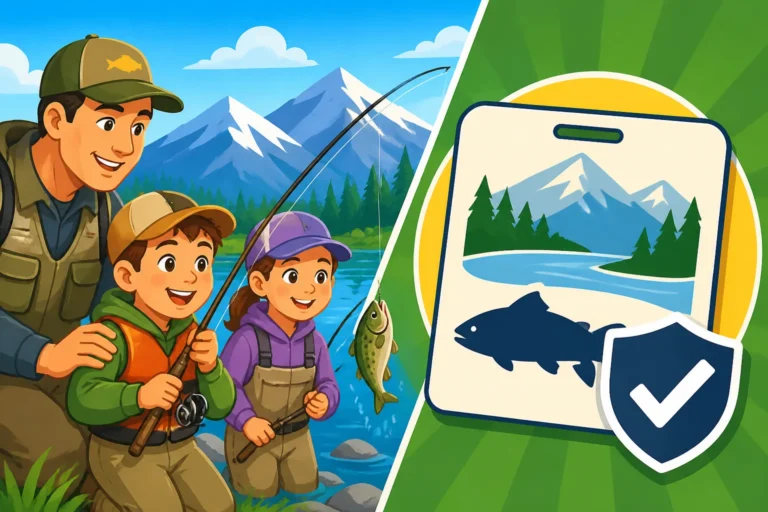
On the other hand, kids 15 years old and younger get a fantastic perk – they don't need a fishing license in Colorado. This is a wonderful initiative by CPW to encourage younger generations to get outdoors and experience the joy of fishing. Many families take advantage of this, with younger kids often sharing a tandem kayak with a licensed adult or paddling their own small craft right alongside, soaking in the experience. Even for the little ones, it's a great opportunity to start teaching them about responsible angling and respecting the rules, even if they aren't legally required to carry a license themselves just yet. You can find more details in our guide on Do Kids Need a Fishing License in Colorado?.
Residency also plays a significant role in the cost and availability of certain license types. If you've been a Colorado resident for at least six consecutive months immediately prior to applying for a license, you'll qualify for resident rates, which are typically much more affordable. Nonresidents, including college students from out of state who haven't established residency, will need to purchase a nonresident license. This distinction is crucial and applies equally whether you're casting from a public dock or from the deck of a top-tier fishing kayak you ordered from Amazon. Always double-check your residency status before purchasing to ensure you get the correct license. For a comprehensive overview, read our Colorado Fishing License Guide for Residents and Nonresidents.
Beyond the License: The Habitat Stamp and Kayak Fishing
While your fishing license is the cornerstone of legal angling, there's another crucial component for most adult anglers in Colorado: the Habitat Stamp. This isn't just an extra fee; it's a direct investment in the very wild places we cherish, ensuring they remain healthy and vibrant for all to enjoy.
The Mandatory Habitat Stamp for Most Anglers
Beyond your basic fishing license, most adult anglers in Colorado are also required to purchase a Habitat Stamp. This stamp is absolutely vital for funding wildlife conservation efforts across the state, ensuring that the natural habitats we all enjoy — whether for fishing, hunting, or simply appreciating nature — are protected and enhanced. This applies just as much to you gliding quietly across the water in your kayak as it does to someone casting from shore. It’s not just a fee; it's an investment in the future of Colorado's incredible natural resources.
The Habitat Stamp requirement applies to anyone 18 years of age or older and under 65, who is purchasing a hunting or fishing license. Even if you're only planning a single day of fishing from your kayak, you'll need this stamp in addition to your license. It's automatically added to your first license purchase of the year, making it pretty straightforward to acquire. Missing this small but important detail could lead to an unnecessary fine, which is definitely not how you want to end a relaxing day on the water.
Many kayak anglers appreciate that their license and stamp fees directly contribute to the very ecosystems they are enjoying. The funds generated by the Habitat Stamp are crucial for projects like improving fish habitat, restoring wetlands, and acquiring public access lands. So, when you're paddling through pristine waters or casting into a healthy stream, remember that your contribution helps make those experiences possible for everyone, including future generations of kayak fishermen. If you want to dive deeper into its purpose, check out Colorado's Habitat Stamp, Explained.
Who Is Exempt From Colorado's Habitat Stamp
While most adult anglers need a Habitat Stamp, there are specific exemptions that kayak anglers should be aware of. As mentioned, those 17 years old and younger are exempt, which aligns with the fact that they also don't need a fishing license. Similarly, residents who are 65 years of age or older are also exempt from purchasing the Habitat Stamp, although they still need to buy a fishing license (often at a reduced senior rate). These exemptions are designed to make outdoor recreation more accessible to youth and seniors. For more on this, our guide on Do Seniors Need a Fishing License in Colorado? has great information.
Another key exemption applies to certain license holders, such as those with a lifetime fishing license for residents with disabilities. If you fall into one of these categories, you won't need to purchase a separate Habitat Stamp each year. It’s always a good idea to confirm your specific exemption status when purchasing your license to avoid any confusion or accidental non-compliance. When planning a trip, especially if you’re fishing with family members of different ages, understanding these rules ensures everyone is properly covered.
Knowing these exemptions is particularly helpful for families or groups who might have a mix of ages or special statuses. For instance, if you're a senior kayak angler over 65, you can enjoy the serene waters of Blue Mesa Reservoir without the added cost of the stamp, provided you have your senior fishing license. It's a small detail, but one that can prevent unnecessary expenses or potential issues with a Colorado Parks and Wildlife officer. For full details on who needs one, read Who Needs Colorado's Habitat Stamp.
Practicalities for Kayak Anglers: Stamps, Proof, and More
Getting the basic license and habitat stamp sorted is a great start, but there are a few other practical considerations that often come up for kayak anglers specifically. These details can make your time on the water smoother and ensure you're fully compliant with all state regulations.
The Second-Rod Stamp and Your Kayak
One common question among kayak anglers, especially those with spacious fishing kayaks capable of carrying multiple setups, is about the second-rod stamp. In Colorado, if you wish to actively fish with two rods simultaneously, you are required to purchase a second-rod stamp in addition to your regular fishing license and Habitat Stamp (if applicable). This rule is in place to manage harvest rates and ensure fair play among anglers, regardless of their chosen vessel.
Many kayak anglers find the ability to fish with two rods a significant advantage, particularly when targeting different species or experimenting with various baits or lures. For instance, you might have one rod rigged for trolling for kokanee salmon while you cast a jig for lake trout with another. Or, perhaps you’re simply enjoying a leisurely day on Chatfield Reservoir, with one rod soaking bait and another for casting lures. The second-rod stamp makes this flexibility possible and legal, giving you more options to pursue different fish or presentations.
It's crucial to remember that "actively fishing" means having two lines in the water with bait or lure attached, ready to catch fish. Merely having a second rod stowed in your kayak, unused, does not require a stamp. However, if that second rod is deployed, even if you’re just letting it drift, you need the stamp. This is a detail that often trips up anglers new to Colorado or those new to multi-rod fishing from a kayak. You can learn more about it in our article on Colorado's Second-Rod Stamp and Who Needs One.
Carrying Proof: Digital vs. Physical Licenses on the Water
When you’re out on the water in your kayak, whether it's a calm lake or a moving river, wardens may approach to check for licenses. It's essential to have proof of your valid Colorado fishing license and Habitat Stamp readily available. Colorado Parks and Wildlife (CPW) offers flexibility here, allowing anglers to carry either a physical copy of their license or a digital version on their smartphone.
For kayak anglers, the digital option is often a game-changer. Carrying a physical paper license can be a bit of a hassle on the water. It can get wet, torn, or simply lost if not carefully stored. Having your license easily accessible on your phone, perhaps in a waterproof case that you keep tethered to your kayak or PFD, means less bulk and less worry. Just ensure your phone is charged and readable in sunlight, and that you can quickly retrieve the digital copy when asked. A good waterproof phone case, often found on Amazon, is an invaluable piece of kayak fishing gear.
If you prefer a physical license, make sure it’s laminated or stored in a durable, waterproof bag to protect it from the elements. Many outdoor supply stores, and even some Walmarts, offer laminating services. Whether digital or physical, the key is immediate accessibility and legibility. Don't make a CPW officer wait while you rummage through a dry bag at the bottom of your kayak trying to find it. Being prepared shows respect for the rules and makes for a smoother interaction. For more on this, check out Showing Your Colorado Fishing License in the Field.
Kayak Registration vs. Fishing License
This is a crucial distinction that often confuses new kayak owners: vessel registration is entirely separate from your fishing license. In Colorado, all motorboats and sailboats over a certain length must be registered with Colorado Parks and Wildlife. However, most kayaks, canoes, and stand-up paddleboards are considered hand-powered vessels and do not require state registration. This is a common misconception, especially for those who might be transitioning from larger, motorized boats.
Even though your kayak might not need to be registered, if you plan to fish from it, you still need a fishing license. The registration pertains to the operation of the vessel itself, while the fishing license pertains to the act of fishing. Think of it this way: you can paddle your kayak all day long on a lake like Cherry Creek Reservoir without a fishing license if you're only paddling, but you cannot fish from your kayak for even a minute without one, regardless of whether your kayak needs to be registered.
The only common exception for registration with non-motorized vessels typically comes into play if you add an electric motor to your kayak. Even a small trolling motor will generally trigger the registration requirement. So, if you've kitted out your fishing kayak with an electric assist system, make sure you look into vessel registration requirements in addition to your fishing license. It's an important detail that could lead to an unexpected fine if overlooked. You can often find great portable trolling motors for kayaks on Amazon, but remember to register the boat if you add one!
Where and How to Acquire Your Colorado Fishing License
Getting your license doesn't have to be a complicated ordeal. Colorado Parks and Wildlife (CPW) offers several convenient ways to purchase your fishing license, ensuring you're legally ready for your kayak adventures without undue stress.
Seamlessly Buying Your License Online, In-Person, or by Phone
Colorado Parks and Wildlife (CPW) has made acquiring a fishing license remarkably convenient, offering several avenues to ensure you're covered before you hit the water in your kayak. The easiest and often preferred method for many is purchasing online through the official CPWShop.com website. This allows you to select your license type, add any necessary stamps like the Habitat Stamp or Second-Rod Stamp, and print it out immediately or save it digitally to your phone. This is perfect for planning ahead or even for a last-minute purchase on your way to a fishing spot.
If you prefer a more traditional approach, you can always visit a CPW office or one of the hundreds of authorized sales agents across the state. These agents include many sporting goods stores, outdoor retailers like Bass Pro Shops or Cabela's, and even some local general stores. Buying in person allows you to ask questions and get advice, which can be particularly helpful if you're a new angler or visitor to Colorado. Plus, you get a physical license printout right there, which some people prefer for peace of mind.
For those who might not have internet access or prefer speaking with someone directly, purchasing by phone is also an option. CPW typically provides a dedicated phone number for license sales. While perhaps not as quick as online, it’s a reliable alternative. Whichever method you choose, make sure you have all your necessary identification and information ready, such as your driver's license number, to expedite the process. Knowing How to Buy a Colorado Fishing License quickly can save you valuable fishing time.
Understanding License Validity and Renewals
A common misconception, especially among those new to annual licenses, is how long a Colorado fishing license actually stays valid. For the vast majority of annual licenses, they are valid from the date of purchase until March 31st of the following year, regardless of when you buy it during the season. So, if you buy an annual license in August, it will still expire on March 31st. This is different from a license that is valid for 365 days from the purchase date, and it’s a key detail to remember to avoid unknowingly fishing with an expired license.
Short-term licenses, like the one-day or five-day options, have a validity period that is much more straightforward – they're good for the specific number of consecutive days you select. These are excellent choices for visitors or residents who only plan a quick kayak fishing trip or two throughout the year. For instance, a nonresident coming for a week-long vacation to fish the Fryingpan River might opt for a five-day license, giving them ample time on the water. If you're only planning a quick outing, explore Colorado Fishing License Options for a Single Afternoon.
Keeping track of your license's expiration date is entirely your responsibility. CPW does not send out reminders for annual renewals, though some third-party apps or retailers might offer this service. Setting a personal reminder on your phone or marking your calendar for early March each year can help ensure you’re always compliant. You can also visit our guide on Renewing a Colorado Fishing License for a step-by-step process. Don’t let an expired license cut short a perfect day on the water with your favorite kayak and fishing gear from Amazon!
The Risks of Fishing Without a License
It might seem like a hassle to navigate all these regulations, but taking shortcuts and fishing without a proper license in Colorado is simply not worth the risk. Colorado Parks and Wildlife officers are routinely patrolling lakes, rivers, and reservoirs, often in boats, on foot, or even via kayak themselves, checking for compliance. If you are caught fishing without a valid license, the penalties can be significant, ranging from hefty fines to potential court appearances and even the confiscation of your fishing gear.
A typical fine for fishing without a license can easily run into hundreds of dollars, far exceeding the cost of an annual license. Beyond the financial hit, there’s the embarrassment and frustration of having your fishing trip interrupted and potentially ruined. It creates an unnecessary stressful situation that could have been completely avoided with a few minutes of planning and a small investment. The small thrill of potentially saving a few dollars is quickly overshadowed by the serious consequences that can arise from non-compliance.
Furthermore, fishing without a license is more than just breaking a rule; it’s undermining the very system that supports healthy fish populations and access for all anglers. The funds from license sales directly contribute to stocking programs, habitat restoration, and enforcement efforts that ensure Colorado remains a premier fishing destination. So, when you choose to buy your license, you're not just staying legal, you're contributing to the future of the sport for everyone, including those paddling quiet waters in their kayaks. Learn more about the Penalties for Fishing Without a License in Colorado.
Summary of Colorado Fishing License Requirements for Kayak Anglers
To make it easy to remember, here's a quick overview of who needs what when fishing from a kayak in Colorado:
| License Type | Who Needs It | Duration | Habitat Stamp Required? | Good For Kayak Anglers? |
|---|---|---|---|---|
| Annual Resident | Age 16-64 (CO resident) | Apr 1 – Mar 31 | Yes (if 18-64) | Yes |
| Annual Nonresident | Age 16-64 (Non-CO resident) | Apr 1 – Mar 31 | Yes (if 18-64) | Yes |
| 1-Day Resident/Nonresident | Age 16-64 | 1 Day | Yes (if 18-64) | Yes |
| 5-Day Nonresident | Age 16-64 (Non-CO resident) | 5 Consecutive Days | Yes (if 18-64) | Yes |
| Senior Resident | Age 65+ (CO resident) | Apr 1 – Mar 31 | No | Yes |
| Youth | Age 15 and under | N/A | No | Yes |
Disclaimer
The information provided in this guide is for general informational purposes only and is not intended as legal advice. Fishing regulations in Colorado can change, and it is the responsibility of each individual angler to ensure they are compliant with all current Colorado Parks and Wildlife rules and regulations before fishing. Always consult the official CPW website or current fishing regulations brochure for the most up-to-date information.