Colorado’s 14-Inch Trout Rule on Gold Medal Water
Heading out to fish Colorado's stunning Gold Medal Waters is an experience like no other, but it can also be a little intimidating when you're trying to keep all the specific regulations straight. One rule that often trips up even seasoned anglers is the notorious 14-inch trout rule. This guide is here to untangle the complexities of this regulation, explaining exactly what it means, why it exists, and how to confidently comply so you can enjoy your time on the water without worry.
Understanding Colorado's 14-Inch Trout Rule
When you hear about the "14-inch trout rule" in Colorado, it's almost exclusively in reference to the state's famous Gold Medal Waters. This rule isn't a blanket regulation across all Colorado fishing spots; it's a very specific management tool designed to create and sustain world-class trout fisheries. Essentially, it's a slot limit that dictates which size of trout you are allowed to keep, and which must be immediately released.
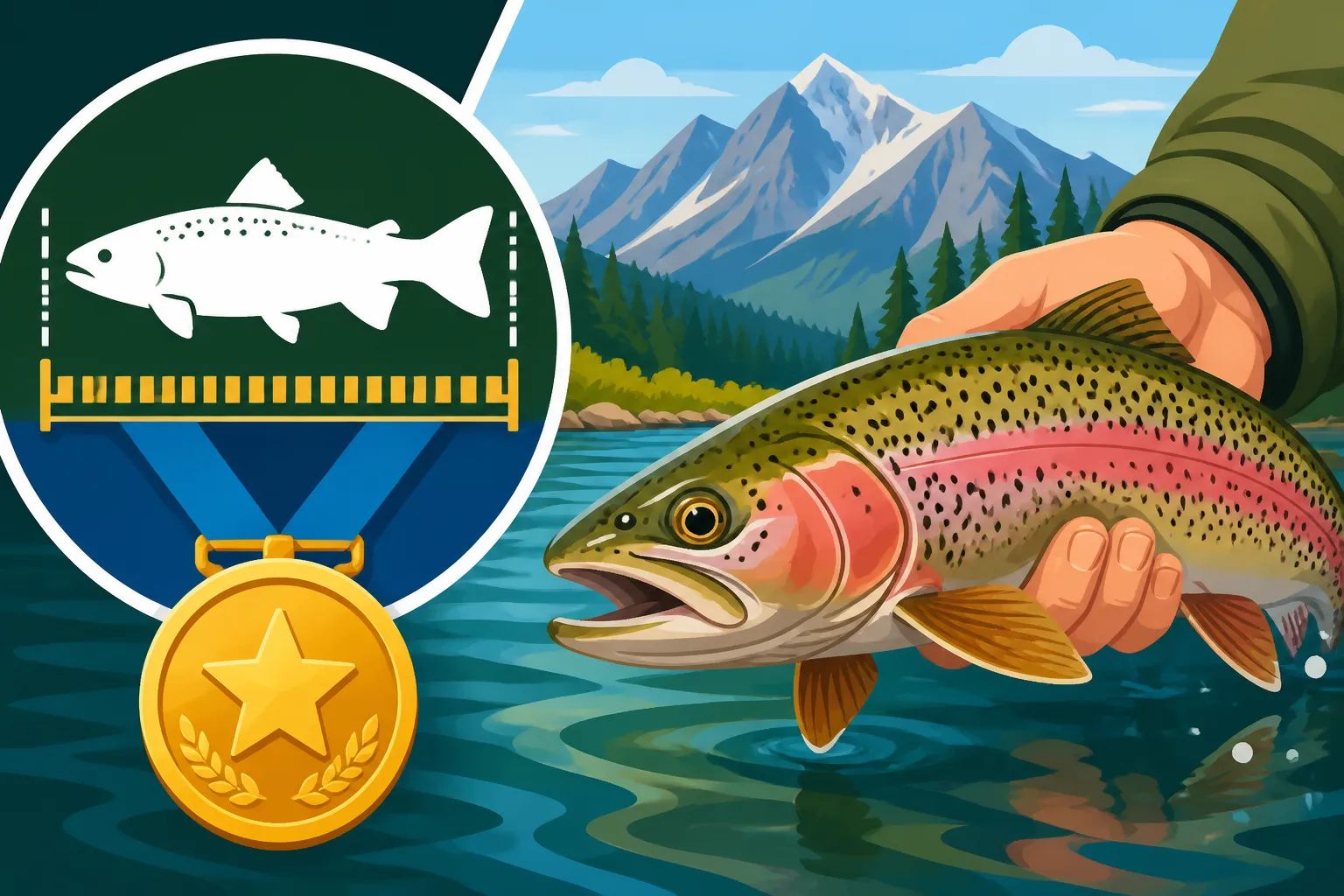
Imagine you're standing on the banks of a pristine river, casting your line. The rule states that on designated Gold Medal Waters, you can generally only keep one trout per day that is 14 inches or longer. However, there's a critical nuance: if a waterbody has a different specific length regulation, like a 10-14 inch slot limit where only one fish between 10 and 14 inches can be kept, or a requirement for all fish under 16 inches to be released, that specific rule takes precedence. The 14-inch rule is often interpreted as meaning you can keep one fish over 14 inches, but it's crucial to consult the Colorado Parks and Wildlife (CPW) regulations brochure for the specific water you are fishing. The intent is almost always to protect the intermediate-sized fish, allowing them to grow into larger, trophy-sized specimens.
This means that if you hook a beautiful 12-inch rainbow trout, more often than not, it must go back into the water unharmed. If you catch a massive 20-inch brown trout, you might be allowed to keep that one, but then all subsequent catches must be released. It's a system designed to encourage catch-and-release practices while still allowing anglers to harvest a trophy fish responsibly. The core idea is to foster a self-sustaining population of larger trout, which requires protecting those fish in their prime growing stages. It sounds a bit complicated at first, but once you understand the "why," the "how" becomes much clearer. For a broader overview of the state's requirements, you'll want to read up on the general Colorado Fishing Regulations Every Angler Should Know.
Why This Rule Exists: Protecting Trophy Fisheries
Colorado is renowned for its exceptional trout fishing, drawing anglers from all over the world. A significant reason for this reputation lies in the deliberate management strategies employed by Colorado Parks and Wildlife, and the 14-inch rule on Gold Medal Waters is a prime example of such a strategy. This rule isn't arbitrary; it's deeply rooted in the principles of fisheries biology and conservation, aimed at fostering truly wild and large trout populations.
The Science Behind Slot Limits
At its heart, the 14-inch rule is a type of slot limit. A slot limit is a powerful management tool that allows for the harvest of some fish while protecting others within a specific size range, or "slot." In many of Colorado's Gold Medal Waters, the goal is to protect the abundant, healthy fish that are in their prime growth phase. By requiring the release of fish within a certain size range (e.g., all fish between 10 and 14 inches, or all fish under 16 inches), these fish are given the opportunity to grow larger and contribute to the breeding population. This approach allows smaller, often more numerous fish to be kept (if regulations permit), while also permitting the harvest of a single, larger trophy fish. This ensures a balanced ecosystem where fish have a chance to reach impressive sizes.
Think of it like this: if everyone kept every fish they caught, especially those "perfect eating size" fish that are 10-15 inches, these waters would quickly be depleted of their potential trophy trout. By implementing a slot limit, CPW ensures that a healthy number of fish reach maturity and continue to reproduce, naturally sustaining the fishery. This is especially vital for wild trout populations like brown trout, which are not stocked as frequently as rainbow trout in many areas. Protecting these fish helps maintain genetic diversity and a robust natural breeding cycle, which is a cornerstone of truly world-class fishing.
Designating Gold Medal Waters
The "Gold Medal Water" designation itself is a testament to Colorado's commitment to exceptional fishing. These waters are officially recognized by CPW for their ability to consistently produce large trout at high densities. To qualify as a Gold Medal Water, a stream or lake must support a trout population of at least 60 pounds per acre, and at least 12 individual trout that are 14 inches or longer per acre. That's a lot of big fish! These stringent criteria mean that when you're fishing a Gold Medal stretch, you have a genuine chance of hooking a fish of a lifetime.
The special regulations, including the 14-inch rule, are put in place to maintain this status. Without them, the high angling pressure these popular waters receive could quickly degrade the quality of the fishing. The rules work hand-in-hand with habitat preservation and stocking programs (where applicable) to create a sustainable environment for these impressive fish. It’s an investment in the future of Colorado fishing, ensuring that these pristine waters continue to offer unparalleled opportunities for generations of anglers. You can dive deeper into these specifics by exploring Colorado Gold Medal Water Regulations Explained.
Navigating Gold Medal Waters and the 14-Inch Rule
Okay, so you understand why the 14-inch rule exists. Now, let's talk about the practical aspects of navigating these special waters and making sure you're always on the right side of the regulations. It's not just about knowing the rule; it's about knowing where it applies and how to be prepared.
Specific Waters Where the Rule Applies
Colorado is blessed with many stunning rivers and lakes that hold Gold Medal status. While the 14-inch rule is a common regulation across most of these, it's absolutely crucial to remember that each Gold Medal Water body can have its own specific variations of this rule. You cannot assume the rule is identical from one Gold Medal stretch to another.
Some of the most famous Gold Medal stretches where you'll encounter these types of special regulations include:
- The Fryingpan River: Below Ruedi Reservoir, particularly famous for its prolific midge hatches and large trout. This river often has a "catch-and-release only" section or very strict slot limits, sometimes even more restrictive than the general 14-inch rule.
- The South Platte River: Especially the "Dream Stream" section between Spinney Mountain and Eleven Mile Reservoirs, and Cheesman Canyon. These are legendary for big brown and rainbow trout, and often have a "catch-and-release" ethos for most fish, with very limited harvest opportunities for larger fish.
- The Arkansas River: Several sections, particularly near Buena Vista and Salida, hold Gold Medal status. While offering incredible float and wade fishing, these stretches will also have specific regulations protecting intermediate-sized trout.
- The Gunnison River: Both the main stem and the famed Gunnison Gorge are Gold Medal waters, known for their wild browns and rainbows. Expect strict catch-and-release or slot limits to protect these robust populations.
This is just a small sample, of course. Other Gold Medal waters like the Taylor River below Taylor Park Reservoir, the Roaring Fork River, and parts of the Colorado River also have similar protective regulations. Before heading out, always consult the current Colorado Parks and Wildlife (CPW) Fishing Regulations brochure or their online fishing atlas. The specific rules for each section are usually clearly outlined. Don't rely on memory or what you heard from a buddy; regulations can change annually. Learning How to Read Colorado's Fishing Regulations Brochure is an essential skill for any angler here.
Essential Gear for Compliance
Being prepared is key to complying with the 14-inch rule and practicing responsible angling.
- A Reliable Measuring Device: This is non-negotiable. You need a way to accurately measure your catch. Many anglers prefer a flexible, adhesive ruler that can be stuck to a drift boat cooler or a measuring board like those found on Amazon. A simple tape measure or a soft fish measuring tape from brands like Ketch or Rapala also works. Just make sure it's waterproof and easy to read.
- Pro Tip: Lay the fish flat on the ruler, with its nose against a solid stop. Measure to the tip of the tail, gently squeezing the tail lobes together if necessary to get the maximum length.
- A Quality Landing Net: While not directly related to the 14-inch rule, a good landing net is vital for safe catch and release, which is integral to fishing Gold Medal Waters. Look for a net with a rubber or silicon mesh, which is much gentler on fish scales and slime coats than traditional nylon netting. It also prevents hooks from getting tangled, making for a quicker release. You can find excellent options on Amazon by searching for "rubber fishing net" or "trout landing net." Having one of the Best Landing Net for Catch-and-Release Trout will make a huge difference.
- Forceps or Pliers: Many Gold Medal waters also require or strongly encourage the use of barbless hooks. Even with barbless hooks, a pair of forceps or needle-nose pliers makes hook removal quick and easy, minimizing stress on the fish. This is crucial for successful release, especially when dealing with the requirement to release most of your catches.
Table: Common Fish Measuring Tools
| Tool Type | Description | Pros | Cons | Typical Use Case |
|---|---|---|---|---|
| Adhesive Ruler | Flexible, waterproof sticker for boat, cooler, or measuring board. | Always available, often highly accurate markings. | Requires a flat, clean surface for adhesion. | Boats, kayaks, dedicated measuring boards |
| Soft Measuring Tape | Flexible, waterproof tape measure, often made of fabric or vinyl. | Compact, portable, can conform to fish body for accurate length. | Can be harder to hold perfectly straight in windy conditions. | Wade fishing, smaller boats, backpack fishing |
| Measuring Board | Rigid board with a fixed stop at one end and clear length markings. | Very accurate, easy to use, ideal for consistent measurements. | Bulkier to carry, may not fit in a small pack. | Boat fishing, shore fishing where space allows |
| Fishing Ruler (Rigid) | Similar to a measuring board but often smaller and made of plastic or metal. | Durable, easy to read, can be packed more easily than a full board. | Still less portable than a soft tape. | Wade fishing, bank fishing |
Remember, the goal isn't just to know the rules, but to be equipped to follow them responsibly. Before you cast your first line, make sure you've got your fishing license – check out the Colorado Fishing License Guide for Residents and Nonresidents to ensure you're covered – and all your compliance gear ready to go.
Practical Steps for Anglers: Measuring and Releasing Fish Safely
Following Colorado's 14-inch trout rule isn't just about avoiding a fine; it's about being a responsible steward of these incredible fisheries. The vast majority of the trout you catch in Gold Medal Waters will need to be released, so knowing how to do so quickly and safely is paramount. Your actions can significantly impact a fish's survival, especially when dealing with larger, more vulnerable specimens.
Proper Measuring Techniques
Measuring a fish can be a quick and easy process, but doing it correctly and with minimal stress on the fish is key.
- Wet Your Hands: Always, always, always wet your hands before touching a fish. Dry hands can remove the fish's protective slime coat, making it susceptible to disease and infection.
- Handle with Care: Try to keep the fish in the water as much as possible. If you must remove it, do so quickly and support its entire body horizontally. Never hold a fish by its jaw or gill plates in a vertical position, as this can cause severe internal damage.
- Place on Measuring Device: Gently lay the fish on your wetted measuring board or against your soft measuring tape. Position the fish's nose at the zero mark.
- Measure to Tail Tip: Gently compress the tail lobes to get the full length, measuring to the furthest tip of the tail. Avoid bending or forcing the fish; a gentle approach is always best.
- Quick Assessment: Note the measurement quickly. If it falls outside the legal slot or is under the minimum size for retention, prepare for release. If it's your one legal keeper for the day, and you choose to retain it, dispatch it humanely and immediately.
- Barbless Hooks are Your Friend: Most Gold Medal Waters either require or highly recommend barbless hooks. These make hook removal significantly easier and faster, reducing the time the fish is out of water or stressed. You can often pinch down the barb on your existing hooks with a pair of pliers.
Practicing these steps will make you more efficient and significantly increase the survival rate of the fish you release.
Safe Catch and Release Practices
The health of Colorado's Gold Medal Waters depends on effective catch-and-release. Even if you're not planning to keep any fish, understanding proper release techniques is essential.
- Minimize Fight Time: Use appropriate tackle (a properly sized rod and reel for the fish you're targeting) to land the fish quickly. A prolonged fight exhausts the fish, reducing its chances of survival, especially in warmer water conditions.
- Keep it Wet: The golden rule of catch-and-release is to keep the fish in the water as much as possible. If you need to remove the hook, try to do it while the fish is still submerged.
- Gentle Hook Removal: Use forceps or pliers to carefully remove the hook. If the fish has swallowed the hook deeply, cut the line as close to the hook as possible rather than attempting to rip it out. The hook will often dissolve or be expelled naturally.
- Revive the Fish: Hold the fish gently in the current, facing upstream, allowing water to flow over its gills. Don't move the fish back and forth; this doesn't help it breathe. Wait until the fish is strong enough to swim away on its own. You'll feel it kick its tail and try to pull free. Give it a few seconds more, then let it go. Sometimes this takes a few minutes, so be patient. For more detailed instructions, consider reading How to Handle Trout for a Safe Release.
- Understand Environmental Factors: Water temperature plays a significant role in fish survival post-release. During the hot summer months, especially when water temperatures rise above 65°F, trout become highly stressed. Some Gold Medal Waters may even implement voluntary or mandatory Hoot Owl restrictions (fishing allowed only during cooler morning hours) or even temporary closures during these times. Be aware of the water temperature and consider not fishing if it's too warm, as even perfectly executed catch-and-release can result in high mortality. This is why understanding Does Water Temperature Affect Catch-and-Release Survival? is so important.
By diligently following these practices, you're not just adhering to the letter of the law; you're actively contributing to the health and abundance of Colorado's most cherished trout fisheries. It's a small effort that yields big rewards for everyone who loves to fish these incredible places. And remember, identifying different species like a Colorado's Trout Species, A Field Guide can also help you understand which fish are most sensitive to handling.
Disclaimer
The information provided in this guide is for general informational purposes only and is not a substitute for the official Colorado Parks and Wildlife (CPW) fishing regulations. Regulations can change annually and may vary by specific waterbody. Always consult the most current CPW fishing regulations brochure or their official website before heading out to fish. Failure to comply with regulations can result in fines and penalties.