Can You Fish Colorado’s Private Lakes Without a State License?
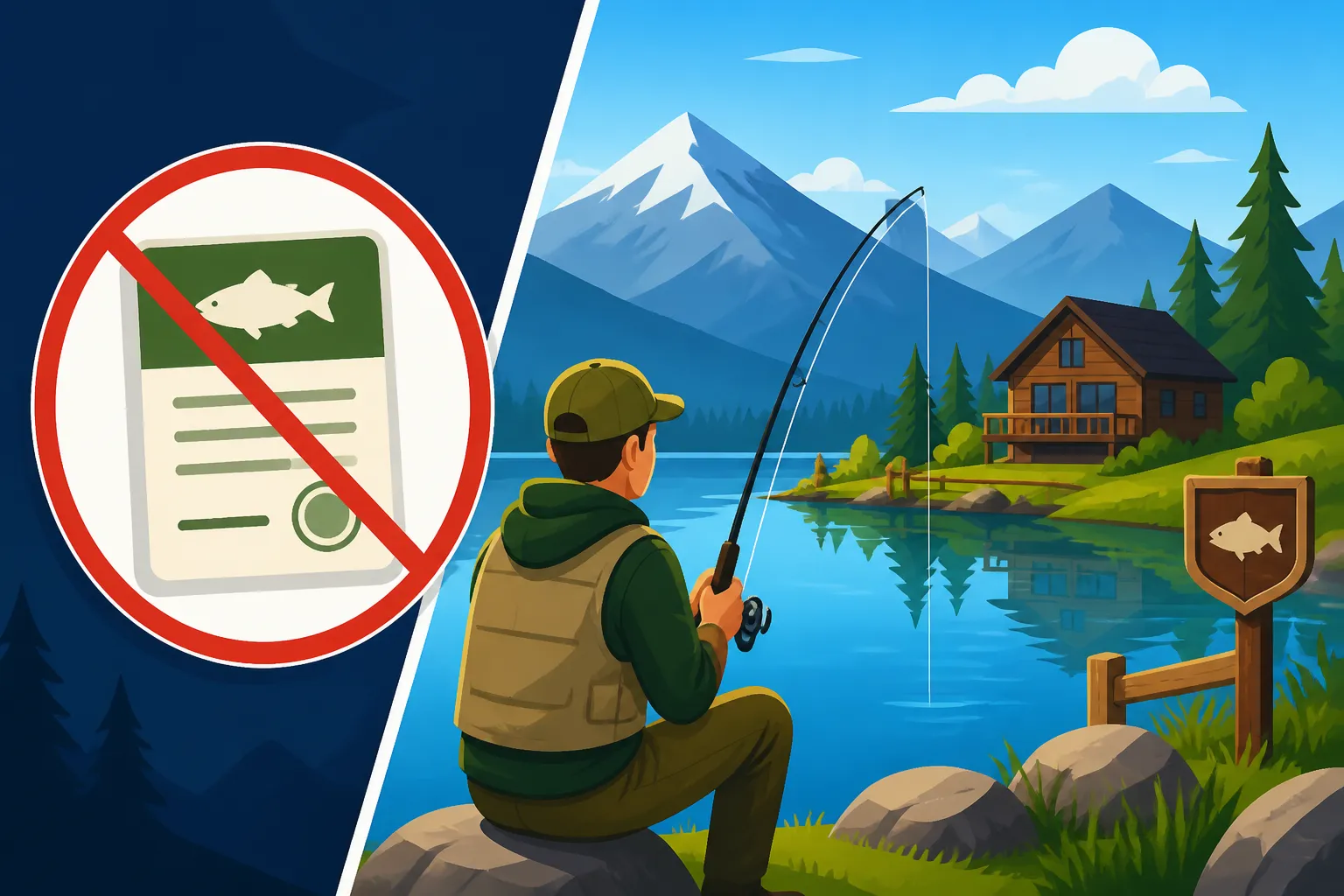
It’s a common scenario: you’re invited to a friend’s beautiful cabin nestled in the Colorado mountains, complete with its own serene, sparkling lake. The first thought often is, "Great, no need for a license here, it's private water!" But hold on a minute, because Colorado's fishing regulations can be surprisingly nuanced, and assuming you can cast a line without a state license on private land is a mistake many anglers, new and seasoned, frequently make. This guide is here to clear up that confusion, diving deep into when and why you do or don't need a state fishing license, even on those seemingly exclusive private lakes.
The Common Misconception About Private Water and State Licenses
There's a widespread belief that if a body of water is entirely on private property, you don't need a state-issued fishing license to fish it. This makes intuitive sense to many people – if it's not public access, why would the state have a say? However, Colorado's approach to fishing management is more complex than simply public versus private land. The state's regulations are designed to protect and manage fish populations across the entire aquatic ecosystem, and that often includes waters that appear to be "private."
The "Backyard Pond" Logic That Leads Anglers Astray
Many anglers come from states where a small, fully enclosed pond with no inlets or outlets, especially if it's stocked by the landowner, might indeed be exempt from state licensing requirements. They might envision a little dugout pond in someone’s backyard that has absolutely no connection to larger river systems or natural water sources. In these truly isolated scenarios, where the fish are entirely sustained by private means and there's no risk of migration or impact on public fisheries, an exemption could theoretically exist.
However, in Colorado, this kind of truly isolated water is exceptionally rare. Most "private lakes" are fed by natural springs, connected to streams, or are part of larger watersheds. They often house fish populations that originated from state stockings or naturally migrated from connected public waters. When you consider the bigger picture of aquatic ecosystems, it quickly becomes clear that even a lake on private land usually isn't an island. This interconnectivity means that what happens in that private lake can and often does affect the broader state fisheries.
Colorado Parks and Wildlife's Perspective on Private Waters
Colorado Parks and Wildlife (CPW) maintains a clear stance: if fish populations in a private lake are sustained by state waters, even indirectly, or if CPW stocks fish into that water, a state fishing license is almost always required. The core principle here is conservation. The funds generated from fishing license sales and the associated Habitat Stamp are crucial for maintaining healthy fish populations across the entire state. These funds support stocking programs, habitat restoration, disease monitoring, and enforcement of regulations – all vital activities that benefit every angler, regardless of whether they're casting into a public reservoir or a private lake.
Imagine a beautiful, privately owned lake that's fed by a stream originating in the national forest. Trout from that stream naturally migrate into the private lake, and vice versa. If anglers were allowed to fish this private lake without a license, it would create an unregulated fishing pressure on a shared resource. The state would lose out on the funds needed to manage the very fish being caught, and there would be no way to monitor catch rates or protect against overharvesting. This is why CPW casts a wide net, so to speak, when it comes to licensing requirements. You can learn more about these overarching rules in our guide to Colorado Fishing Regulations Every Angler Should Know If you're wondering about the cost, we also have details on Colorado Fishing License Costs Explained.
Navigating the Nuances of "Private Water" in Colorado
Understanding what actually constitutes "private water" in the eyes of Colorado law, especially concerning fishing, is key. It's often not as simple as owning the land around the water. The legal definition often hinges on whether the water body is entirely self-contained and isolated from natural stream flows or public water sources.
The Extremely Narrow Path to Exemption
For a private lake in Colorado to be truly exempt from state fishing license requirements, it must meet very specific and rigorous criteria. Primarily, it needs to be entirely enclosed on private property, meaning no inlets or outlets connecting to public waters or natural drainages. Furthermore, any fish in that lake must have been privately stocked and never sourced from state hatcheries or natural public waters. This means the fish must be acquired from licensed private aquaculture facilities. If CPW has ever stocked the lake, or if it naturally connects to a stream, river, or groundwater system that feeds public waters, then a license is required.
Think of it this way: if your private pond relies on groundwater that also feeds a nearby creek, or if a spring on your property flows into the pond and then eventually into a state-managed river, that pond is generally considered part of the broader hydrological system, and thus, falls under state regulation. It's an incredibly high bar to meet for exemption, and most private water bodies in Colorado simply don't qualify. It’s always best to assume a license is needed unless you have absolutely definitive, written confirmation from CPW stating otherwise.
The Reality: Most "Private" Lakes Require a State License
The vast majority of "private" lakes, ponds, and reservoirs across Colorado, even those entirely surrounded by private land, are subject to state fishing license requirements. This is because they are almost always connected to Colorado's extensive network of rivers, streams, and groundwater.
For instance, many private subdivision lakes, ranch ponds, or even resort lakes are often stocked by CPW or fed by tributaries that originate from or eventually flow into public waterways. These connections, however subtle, mean that the fish populations within these private waters are intrinsically linked to the larger state-managed fisheries. A common example would be a private lake that is part of a larger irrigation system or a historical diversion from a major river like the Arkansas or Colorado. Even though the water body itself might be within private boundaries, its ecological connection to the public domain means state rules apply.
Table: Common Assumptions vs. Colorado Regulations for Private Waters
| Feature of Private Water | Common Angler Assumption | Colorado CPW Regulation |
|---|---|---|
| Owned Land Surroundings | No license needed | License generally required |
| No Public Access | Exempt from state rules | License generally required |
| Privately Stocked (Only) | No license needed | License may be exempt if no connection to public waters AND privately sourced fish |
| CPW Stocked | License not always clear | License always required |
| Connected to Public Water | Exempt if on private land | License always required |
| Truly Enclosed & Isolated | No license needed | Very rarely exempt, only if no connection to public waters AND privately sourced fish |
This table illustrates why it's so risky to assume an exemption. When in doubt, always err on the side of caution and purchase a license. It’s better to be safe than sorry, and it ensures you’re contributing to the health of Colorado’s fisheries. For information on who needs the Habitat Stamp, which is almost always required alongside a license, check out our piece on Who Needs Colorado's Habitat Stamp
The Indispensable Role of Fishing Licenses in Colorado Conservation
When you purchase a Colorado fishing license, you're not just buying permission to fish; you're directly investing in the future of Colorado's incredible aquatic resources. It's easy to see it as just another fee, but these funds are the lifeblood of fish management and habitat preservation across the state.
Funding the Future of Colorado's Fisheries
Every single dollar from fishing license sales and the required Habitat Stamp goes directly to fund CPW's critical work. This includes things like stocking millions of fish into lakes and rivers each year, whether it's trophy trout into our Gold Medal Waters or warmwater species into Front Range reservoirs. This ensures there are always fish for anglers to pursue, enriching the fishing experience for everyone. Beyond stocking, these funds pay for habitat improvement projects, like restoring eroded stream banks, improving water quality, and removing invasive species.
Consider the immense work that goes into managing iconic fisheries like Blue Mesa Reservoir for kokanee salmon and lake trout, or maintaining the pristine conditions of the Fryingpan River for its legendary rainbow trout. Without the collective contribution of anglers through licensing, these vital programs simply wouldn't exist. It's a system designed to ensure sustainable fishing opportunities for generations to come, and your license is a direct contribution to that legacy.
Protecting Fish Health and Ensuring Sustainable Populations
Beyond financial support, the licensing system plays a crucial role in protecting the health and sustainability of Colorado’s fish populations. When anglers purchase licenses, they become part of a regulated system. This allows CPW to collect data on angler numbers, which helps inform management decisions regarding stocking levels, bag limits, and special regulations.
Regulations enforced by CPW, which are often supported by license revenue, help prevent overfishing in popular areas. They also allow for proactive measures to prevent the spread of aquatic invasive species and fish diseases, which could decimate entire fisheries. For example, specific rules around bait use or cleaning boats help protect our waters. Without a licensing system, it would be impossible to monitor these threats effectively, leading to potentially catastrophic impacts on both public and private waters. This unified approach, made possible through license sales, ensures that the state can implement comprehensive conservation strategies that benefit all waters, interconnected or not.
The Habitat Stamp: An Essential Companion to Your License
While we're on the topic of licenses, it's crucial to remember Colorado's Habitat Stamp. This stamp is an additional purchase required for most anglers aged 18 to 64, and it's purchased once annually. It’s not just an extra fee; it's a dedicated funding source for crucial wildlife habitat preservation and improvement projects across Colorado.
The Habitat Stamp supports the acquisition, protection, and enhancement of critical wildlife habitats, including wetlands, riparian areas along rivers, and open spaces that benefit fish and other wildlife. Even if you only fish private waters, the health of the surrounding ecosystem, from clean water to thriving insect populations, directly impacts the quality of your fishing experience. So, while your fishing license directly funds fish management, the Habitat Stamp ensures the broader natural environment remains robust and capable of supporting healthy ecosystems. You can find out more about Colorado's Habitat Stamp, Explained.
The Risks and Repercussions of Fishing Without a License
Fishing without a valid Colorado state license, even on waters you believe to be exempt, carries significant risks. It's not just a matter of getting a stern talking-to; there are real legal and financial consequences that can quickly turn a relaxing day of fishing into a very unpleasant experience.
Legal Penalties and Fines You Could Face
If a Colorado Parks and Wildlife officer finds you fishing without a valid license, you could face immediate legal repercussions. Fishing without a license is typically a Class 2 misdemeanor in Colorado. This isn't a minor infraction; it can result in substantial fines, which often start in the hundreds of dollars and can go higher depending on the circumstances, such as whether you also lacked a Habitat Stamp or were catching over the legal limit. In some cases, repeat offenses can even lead to the suspension of your fishing privileges for a period of time, not just in Colorado but potentially in other states as well through interstate compacts.
Imagine planning a dream trip to Colorado, only to have your vacation derailed by a hefty fine and the confiscation of your gear because you didn't bother to purchase a license for that "private" lake. It's simply not worth the gamble. The cost of a fishing license is a tiny fraction of the potential fines and legal fees you might incur. CPW officers are highly trained and experienced; they've heard every excuse in the book and are not likely to waive the rules based on your personal interpretation of "private water." Our article on What Happens If You Fish in Colorado Without a License details these penalties further.
The Ethical Angler's Responsibility
Beyond the legal penalties, there's an ethical dimension to fishing without a license. Responsible anglers understand that they are part of a larger community that shares and enjoys a precious natural resource. Choosing to fish without contributing to the conservation efforts through a license is essentially free-riding on the contributions of others. It undermines the very system designed to ensure healthy fisheries for everyone.
An ethical angler supports conservation, understands the rules, and strives to minimize their impact on the environment. This includes knowing and adhering to the specific regulations for the water they are fishing, whether it's a busy public reservoir like Chatfield or a quiet private lake up in the mountains. If you're passionate about fishing, contributing to the health of the ecosystem should be a natural extension of that passion. Ensuring you have your proper licenses and stamps, easily obtained online through CPW's website or at many sporting goods stores, is a simple way to uphold this responsibility. You can even find essential fishing accessories like a new tackle box or waders for your next trip on Amazon, but remember, the actual license itself must come from CPW or an authorized vendor.
When you purchase a license, you're not just avoiding a ticket; you're becoming a steward of Colorado's incredible outdoor heritage. It allows CPW to continue their vital work, ensuring that the streams and lakes remain vibrant and full of life for years to come.
Disclaimer
Please note that fishing regulations can change. While this guide provides comprehensive information, it is always your responsibility to consult the most current Colorado Parks and Wildlife (CPW) regulations before fishing. The information provided here is for general guidance and informational purposes only, and does not constitute legal advice.